



5G Cellular Technology: The Future of High-Speed Connectivity

5G Cellular Technology is the fifth generation of mobile network technology. It is designed to provide much faster internet speeds, lower delay in communication, better network reliability, and support for billions of connected devices. The arrival of 5G is transforming the way people communicate, work, study, and use digital services.
Today, smartphones, smart devices, industries, hospitals, and transportation systems depend heavily on internet connectivity. As the demand for faster and more reliable internet continues to increase, 5G Cellular Technology has emerged as a major technological advancement that can support the growing digital needs of the world.

What is 5G Cellular Technology?
5G Cellular Technology is the latest generation of wireless communication technology that follows 4G networks. It offers significantly higher download and upload speeds, lower latency, and improved network efficiency.
Latency refers to the time taken by a network to respond to a request. In 5G networks, latency can be reduced to just a few milliseconds, making communication almost instant.
The technology is designed not only for smartphones but also for smart devices, machines, vehicles, industries, and public services. It creates a highly connected environment where devices can communicate with each other efficiently.
Main Features of 5G Cellular Technology
- Extremely high internet speed
- Very low latency
- Better network reliability
- Improved energy efficiency
- Higher network capacity
- Support for Internet of Things (IoT)
- Enhanced mobile broadband services
- Better connectivity in crowded areas
Many experts consider 5G to be one of the most important technological developments of the modern era.
Evolution of Mobile Network Technology
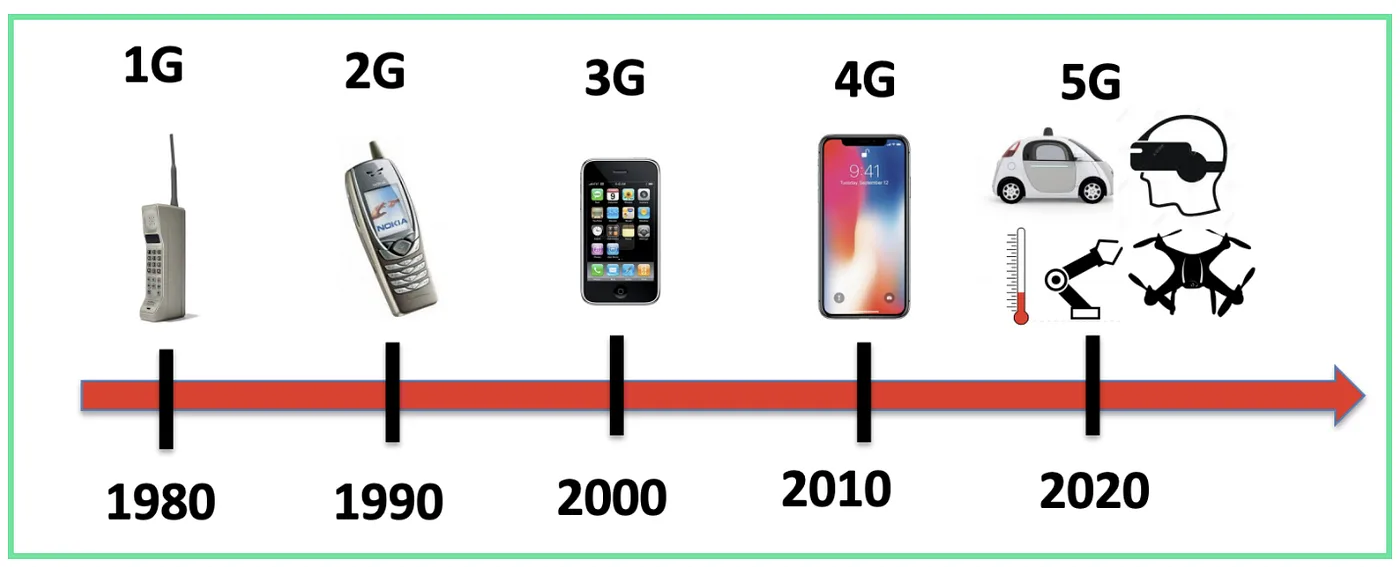
The journey from 1G to 5G reflects the rapid development of communication technologies over the last four decades.
1G Technology
The first generation (1G) mobile network was introduced in the 1980s.
Features:
- Based on analog signals
- Supported voice communication only
- Limited network quality
- Poor security
Although basic by today’s standards, 1G marked the beginning of mobile communication.
2G Technology
The second generation (2G) arrived in the 1990s.
Features:
- Digital communication
- Better voice quality
- Text messaging (SMS)
- Data transmission support
- Speed up to 64 Kbps
2G made mobile phones more useful for everyday communication.
3G Technology
The third generation (3G) became popular during the 2000s.
Features:
- Internet browsing
- Video calling
- Multimedia services
- Speeds between 1 Mbps and 2 Mbps
3G enabled users to access online services directly from their mobile devices.
4G Technology
The fourth generation (4G) was introduced around 2009.
Features:
- High-speed internet
- HD video streaming
- Online gaming
- Video conferencing
- Speeds up to 1 Gbps under ideal conditions
4G revolutionized digital communication and paved the way for app-based services.
5G Technology
The fifth generation offers a major improvement over previous generations.
| Feature | 4G | 5G |
|---|---|---|
| Speed | Up to 1 Gbps | Up to 10 Gbps or more |
| Latency | 30-50 ms | 1-10 ms |
| Device Connectivity | Millions | Billions |
| Network Efficiency | Good | Excellent |
| IoT Support | Limited | Extensive |
The improvements offered by 5G make it suitable for future technologies and smart systems.
How Does 5G Work?
5G Cellular Technology uses a wider frequency spectrum than previous generations.
It operates through:
- Low-band spectrum
- Mid-band spectrum
- High-band spectrum (Millimeter Wave)
The millimeter-wave spectrum generally ranges from 24 GHz to 100 GHz and can carry large amounts of data at very high speeds.
To provide these services, telecom operators need:
- New base stations
- Advanced antennas
- Fiber-optic backhaul networks
- Upgraded network infrastructure
- Modern software systems
This makes 5G deployment expensive and infrastructure-intensive.
Importance of 5G Cellular Technology
The importance of 5G extends beyond faster internet.
Faster Communication
Users can download large files, stream videos, and access cloud services much more quickly than before.
Improved Digital Services
Online education, telemedicine, e-governance, and digital banking can operate more efficiently with high-speed networks.
Better User Experience
Low latency improves:
- Online gaming
- Video conferencing
- Virtual reality
- Augmented reality
Users experience smoother and faster digital interactions.
Support for Future Technologies
Emerging technologies such as Artificial Intelligence (AI), machine learning, robotics, and autonomous vehicles require strong communication networks that 5G can provide.
Applications of 5G Cellular Technology
The impact of 5G will be visible in almost every sector of society.
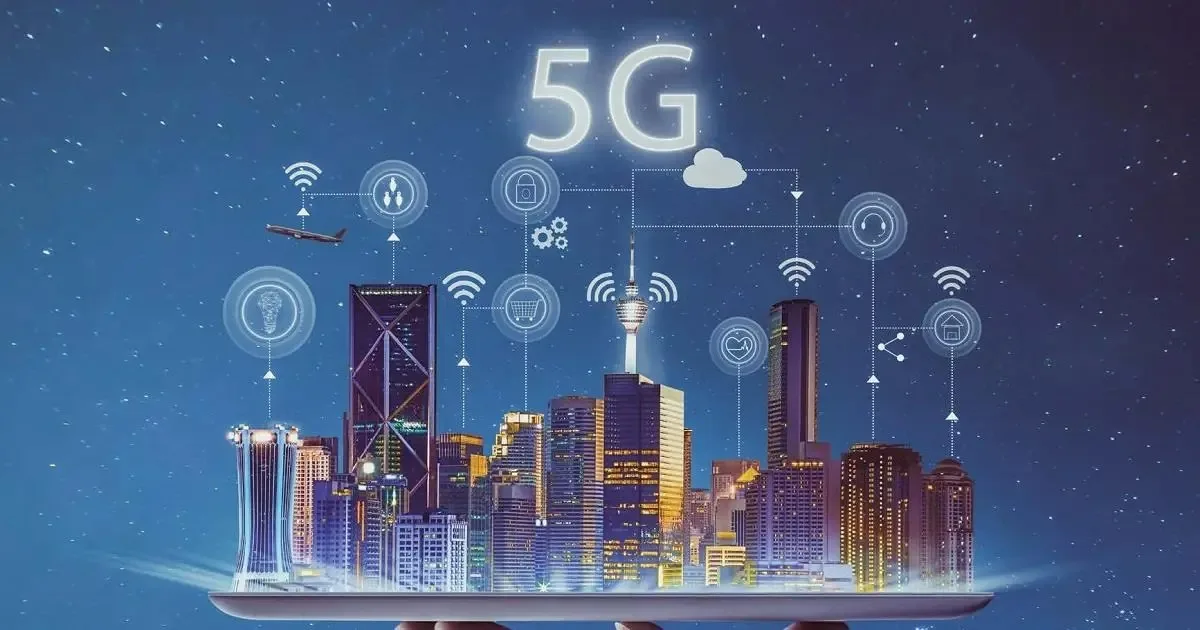
1. Smart Cities
5G can support smart city infrastructure through:
- Intelligent traffic management
- Smart lighting systems
- Waste management systems
- Public safety monitoring
Cities can become more efficient and environmentally friendly.
2. Internet of Things (IoT)
IoT refers to a network of connected devices that communicate with each other.
Examples include:
- Smart home appliances
- Smart meters
- Connected sensors
- Wearable devices
5G allows millions of devices to remain connected simultaneously.
3. Healthcare and Telemedicine
Healthcare services can benefit significantly from 5G.
Applications include:
- Remote consultations
- Real-time patient monitoring
- Connected medical equipment
- Digital health services
Doctors can provide better care through advanced communication systems.
4. Education
Educational institutions can use 5G for:
- Online classrooms
- Virtual laboratories
- Interactive learning
- Remote education programs
Students in remote areas can access quality educational resources.
5. Agriculture
Modern farming can become more productive through:
- Smart irrigation systems
- Soil monitoring sensors
- Crop health monitoring
- Automated farming equipment
Farmers can make better decisions using real-time data.
6. Transportation
5G supports:
- Smart traffic systems
- Connected vehicles
- Vehicle-to-vehicle communication
- Intelligent transport management
These developments can improve road safety and traffic efficiency.
7. Industrial Applications
Industries can use 5G for:
- Automation
- Robotics
- Predictive maintenance
- Smart manufacturing
Factories can increase productivity while reducing operational costs.
Advantages of 5G Cellular Technology
Extremely High Speed
One of the biggest advantages of 5G is its ability to provide ultra-fast internet connectivity.
Lower Latency
Communication delays are greatly reduced, making real-time applications more effective.
Better Connectivity
Network performance remains stable even in crowded places such as stadiums, airports, and public events.
Enhanced IoT Ecosystem
5G allows billions of devices to stay connected and exchange information efficiently.
Economic Growth
The expansion of digital services can contribute to:
- Higher productivity
- New business opportunities
- Employment generation
- Economic development
Improved Cloud Services
Cloud-based applications become faster and more reliable because of high-speed data transfer.
Development of 5G in India
India has been actively working toward expanding its 5G ecosystem.
Several initiatives have been launched to support digital connectivity and telecom infrastructure.
National Electronics Policy
The policy encourages:
- Electronics manufacturing
- Technology innovation
- Start-up development
- Research in emerging technologies
BharatNet Project
The BharatNet project aims to provide broadband connectivity to rural areas and strengthen digital infrastructure across the country.
Telecom Reforms
The government has introduced various reforms to support:
- Spectrum management
- Telecom investments
- Network expansion
- Innovation in communication technology
Research and Development
India is also focusing on developing domestic technologies and intellectual property related to 5G networks.
The goal is to reduce dependence on imported technologies and strengthen local manufacturing.
Challenges in Implementing 5G
Although 5G offers many benefits, several challenges remain.
High Infrastructure Cost
Building 5G networks requires:
- New towers
- Fiber-optic cables
- Advanced equipment
- Modern data centers
These investments are expensive.
Device Compatibility
Many older smartphones do not support 5G.
Users often need to purchase new devices to access 5G services.
Network Coverage
Providing 5G coverage in rural and remote regions remains challenging because of geographical and infrastructure limitations.
Spectrum Availability
Efficient spectrum allocation is necessary for large-scale deployment.
Cybersecurity Concerns
As more devices become connected, protecting networks and user data becomes increasingly important.
Data Management
The large volume of data generated by billions of connected devices creates challenges in:
- Storage
- Analysis
- Security
- Privacy protection
Impact of 5G on India’s Digital Future
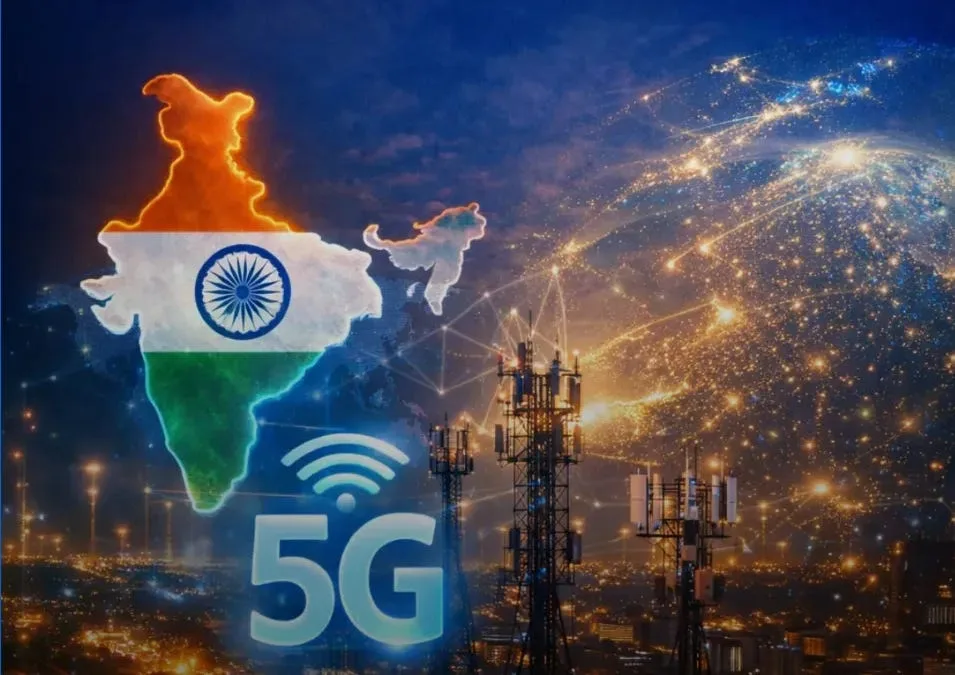
India is one of the world’s largest telecom markets. The growth of 5G can accelerate digital transformation across various sectors.
Potential benefits include:
| Sector | Impact of 5G |
| Education | Better online learning |
| Healthcare | Advanced telemedicine |
| Agriculture | Smart farming solutions |
| Manufacturing | Industrial automation |
| Transport | Intelligent traffic management |
| Governance | Faster public services |
These developments can improve the quality of life for millions of people.
Future of 5G Cellular Technology
The future of 5G looks highly promising. As infrastructure expands and costs decrease, more users and industries will adopt the technology.
Experts believe that 5G will serve as the foundation for future innovations such as:
- Smart homes
- Smart industries
- Autonomous vehicles
- Artificial Intelligence applications
- Advanced robotics
- Virtual and augmented reality services
The technology will play a vital role in building a digitally connected society.
A strong telecom infrastructure, affordable devices, cybersecurity measures, and continuous innovation will be essential for maximizing the benefits of 5G Cellular Technology. As adoption increases, 5G is expected to transform communication, business operations, public services, and everyday life across the world.
FAQs on 5G Cellular Technology
Q1. What is 5G Cellular Technology?
5G Cellular Technology is the fifth generation of mobile networks that provides faster internet speed, lower latency, and better connectivity than 4G.
Q2. How fast is 5G internet?
5G can provide speeds up to 10 Gbps under ideal conditions, making it much faster than previous generations.
Q3. What are the main uses of 5G?
5G is used in smart cities, healthcare, education, agriculture, industrial automation, transportation, and IoT devices.
Q4. Does 5G require a new smartphone?
Yes, users generally need a 5G-enabled smartphone to access 5G services.
Q5. How does 5G help the economy?
5G supports digital businesses, creates jobs, improves productivity, and promotes technological innovation.
Q6. What is latency in 5G?
Latency is the delay between sending and receiving data. 5G significantly reduces this delay for faster communication.