


Ameena Nazreen Award: Wins Global Youth Institute Prize

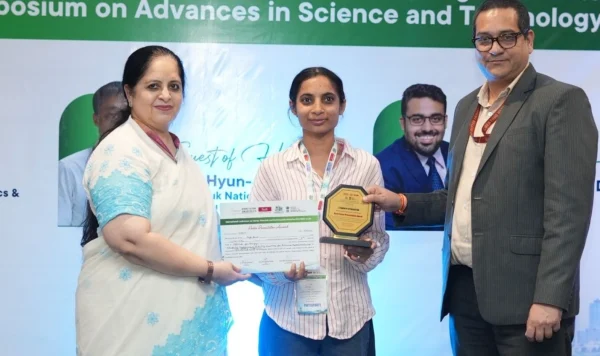
Ameena Nazreen Award brought international recognition to Ameena Nazreen A S, who received a US$500 cash award at the Global Youth Institute on 23 October 2026 in Des Moines, Iowa, United States. The event was held as part of the 2026 Norman E. Borlaug International Dialogue, organised by the World Food Prize Foundation under the theme “Before Hunger Wins”. The institute brings together high school students from different countries to discuss food security, sustainable agriculture and new ideas for improving food systems.
Ameena’s recognition highlights the role young people can play in understanding global challenges related to hunger, nutrition and farming. The Global Youth Institute gives students an opportunity to study these issues, present their research and exchange ideas with young people and experts from around the world.

What Is the Global Youth Institute?
The Global Youth Institute is an annual international programme for high school students held in Des Moines, Iowa. It encourages young people to explore challenges related to food production, nutrition, hunger and sustainable agriculture.
Students who participate in the institute prepare research papers on food-system problems. They present their findings and discuss possible solutions with students from other countries. The programme helps young people understand how agriculture, the environment, technology and public policies can affect the availability of food.
The institute is connected with the Norman E. Borlaug International Dialogue, a global gathering that focuses on food security and ways to reduce hunger. Through these activities, students can learn about agricultural research and the work needed to build reliable and sustainable food systems.
Ameena Nazreen A S received her US$500 cash award during the 2026 institute on 23 October. Her recognition brought attention to the participation of Indian students in international discussions about food and agriculture.
Indian Students Participate Through the NAAS-YUVA Initiative
Seven high school students from India were selected to participate in the 2026 Global Youth Institute through the National Academy of Agricultural Sciences (NAAS)-YUVA initiative. The students presented research papers on food-security challenges and sustainable agricultural systems.
Their participation provided an opportunity to share ideas about problems affecting food production and access to nutritious food. By presenting research internationally, students can learn how different countries approach agricultural development, nutrition and environmental protection.
The NAAS-YUVA initiative helps identify and support young Indian students who are interested in agricultural science and related topics. Such programmes can encourage students to explore research, develop critical-thinking skills and understand the importance of science in solving real-world problems.
Separately, on 14 July 2026, Nagappan N., a Class XII student at Reliance Foundation School in Koparkhairane, Navi Mumbai, was selected as one of ten students from India to represent the country at the institute. He was chosen through the NAAS-YUVA Selection Drive.
These selections highlight opportunities for Indian school students to participate in international programmes and exchange ideas on challenges that affect communities across the world.
Understanding Food Security
Food security means that all people have physical and economic access to enough safe and nutritious food to meet their dietary needs and support a healthy life. It is an important global issue because hunger and poor nutrition can affect health, education, economic development and quality of life.
The Food and Agriculture Organization of the United Nations (FAO) identifies four main dimensions of food security: availability, access, utilisation and stability.
Availability refers to whether enough food is supplied through farming, food production, storage and trade. If crops fail or food supplies are disrupted, availability can become a serious problem.
Access means that people can obtain food physically and financially. Food may be available in markets, but families may still struggle to buy it because of low incomes, high prices or difficulties reaching shops.
Utilisation relates to how the body uses food and whether people receive sufficient nutrients. Safe food, clean water, sanitation and proper nutrition all contribute to this dimension.
Stability means that food availability, access and proper utilisation remain reliable over time. Conflicts, natural disasters, climate change and sudden price increases can threaten food security.
Understanding these four dimensions helps students and researchers study hunger from different angles and identify ways to improve food systems.
Why Sustainable Agriculture Matters
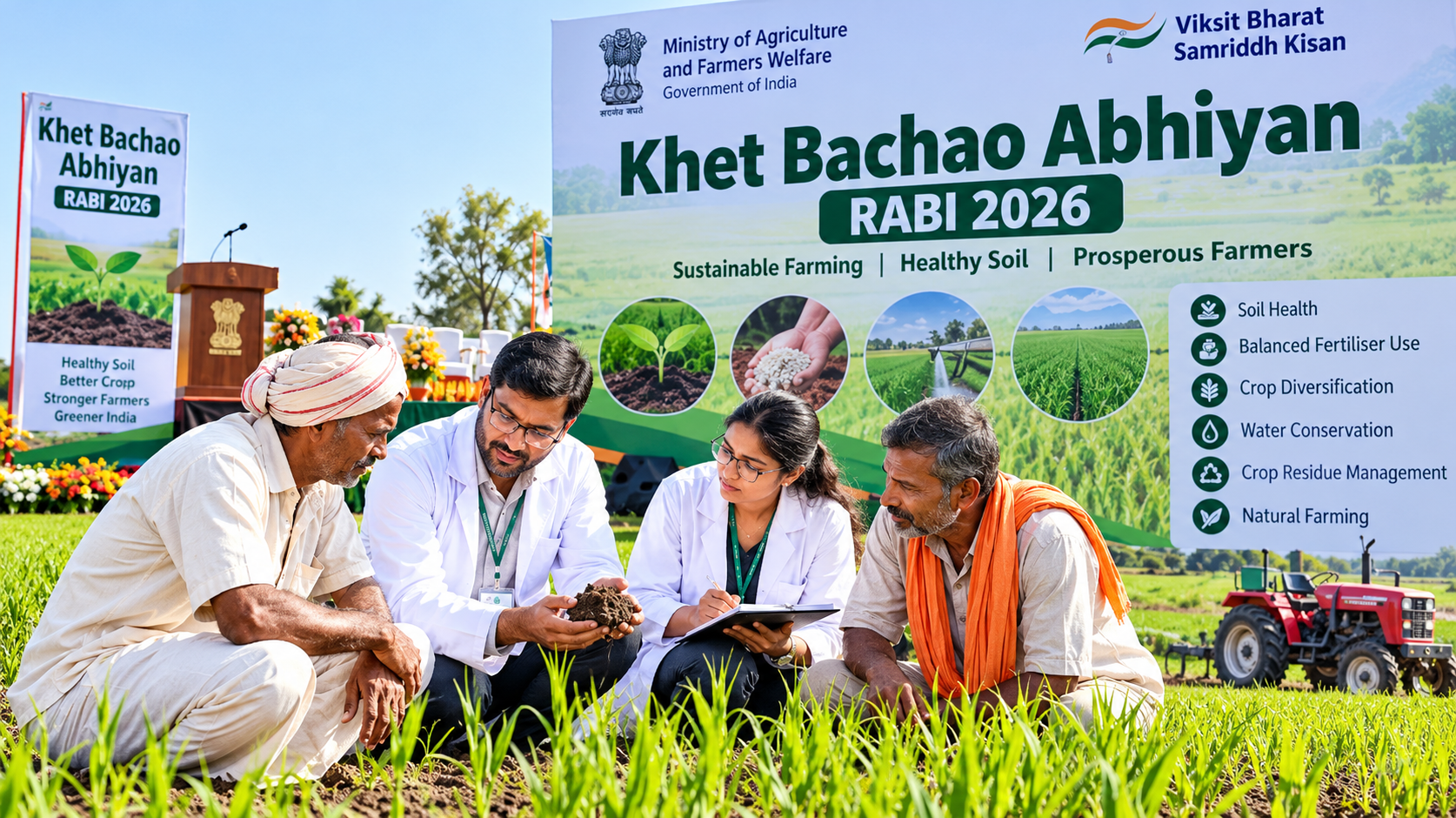
Sustainable agriculture aims to meet current food needs while protecting the natural resources required for future farming. It focuses on producing food without causing long-term damage to soil, water, biodiversity and the wider environment.
Farmers depend on healthy soil, reliable water supplies and suitable weather conditions. However, challenges such as soil degradation, water shortages, extreme weather and rising production costs can make farming more difficult.
Sustainable farming practices can help address these problems. Examples include improving soil health, using water efficiently, managing pests carefully, rotating crops and reducing unnecessary waste. The most suitable practices depend on local conditions, available resources and the crops being grown.
Agricultural innovation also plays an important role. Improved crop varieties, better farming equipment, digital tools and scientific research can help farmers improve productivity and manage resources more effectively.
The Global Youth Institute encourages students to examine these issues and explore new ideas. Their research can help them understand how scientific knowledge and practical solutions may support farmers and communities facing food-related challenges.
Norman E. Borlaug International Dialogue 2026
The 2026 Norman E. Borlaug International Dialogue took place from 20 to 22 October in Des Moines, Iowa. It was organised by the World Food Prize Foundation under the theme “Before Hunger Wins”.
The dialogue brings attention to hunger, food production and the need for cooperation to improve global food security. It provides a platform for discussions about agricultural research, innovation and practical approaches to food-system challenges.
The event is associated with Norman E. Borlaug, an American agronomist and Nobel Peace Prize laureate known for his contribution to agricultural development and the Green Revolution. His work helped promote improved crop varieties and farming methods that increased food production in several regions.
The dialogue carries forward discussions about the importance of scientific research and agricultural progress in reducing hunger. Its connection with the Global Youth Institute also gives students a chance to learn about these subjects and share their own research.
NAAS Signs Agreement With CAST in the United States
During the symposium, the National Academy of Agricultural Sciences signed a Memorandum of Understanding (MoU) with the Council for Agricultural Science and Technology (CAST), USA.
The agreement covers cooperation in agricultural research, capacity building and knowledge exchange. These areas can support the sharing of scientific information, strengthen research connections and encourage collaboration between agricultural science communities.
Capacity building involves improving the skills, knowledge and abilities of people and institutions. In agriculture, this may include research training, sharing technical knowledge and developing expertise to address farming challenges.
Knowledge exchange allows researchers and institutions to learn from each other’s experience and findings. Cooperation between agricultural science organisations can help spread useful research and support new approaches to food production and resource management.
The agreement reflects the importance of international cooperation in addressing challenges such as hunger, changing climate conditions and the need for sustainable farming.
Importance of Young People in Solving Food Challenges
Young people can contribute to the future of agriculture by studying food systems, conducting research and developing new ideas. Programmes such as the Global Youth Institute encourage students to look at hunger and farming challenges from scientific and social perspectives.
Students can explore topics such as food waste, crop productivity, soil health, water conservation, nutrition and the effects of climate change on agriculture. Research and discussions can help them understand how these issues are connected.
The recognition of Ameena Nazreen A S at the 2026 Global Youth Institute highlights the importance of student participation in international programmes. By encouraging young researchers to learn about food security and sustainable agriculture, such initiatives can help build awareness of the challenges involved in ensuring nutritious food for everyone.