




Cryptocurrency: Meaning, Working, Benefits and Challenges

Cryptocurrency is becoming one of the most talked-about topics in the world of finance and technology. In recent years, many people have started investing in digital currencies like Bitcoin and Ethereum. Some people see cryptocurrency as the future of money, while others believe it carries serious risks. To understand this topic better, it is important to know what cryptocurrency is, how it works, and what challenges it faces.
Thank you for reading this post, don't forget to subscribe!What is Cryptocurrency?
Cryptocurrency is a type of digital or virtual currency that uses advanced computer technology called cryptography for security. Unlike traditional money such as rupees, dollars, or euros, cryptocurrency does not exist in physical form. You cannot hold it in your hand like cash or coins.
One of the main features of cryptocurrency is that it is decentralized. This means no single government, bank, or institution controls it. Instead, it works through a large network of computers spread across the world.
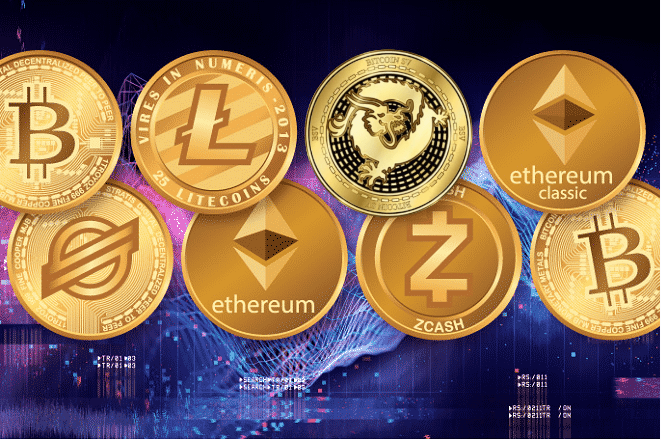
Popular examples of cryptocurrencies include:
- Bitcoin (BTC)
- Ethereum (ETH)
- Litecoin (LTC)
- Ripple (XRP)
- Bitcoin Cash (BCH)
These digital currencies can be used for buying goods, making payments, trading, and investment.
How Does Cryptocurrency Work?
Cryptocurrency works using a technology called blockchain. Blockchain is like a digital record book that stores all transaction details.
Whenever someone sends cryptocurrency to another person, the transaction is recorded in this digital ledger. Thousands of computers in the network verify whether the transaction is valid. Once verified, the transaction is added to the blockchain permanently.
This process makes cryptocurrency secure and transparent.
Example:
Suppose Person A sends Bitcoin to Person B.
- Person A starts the transaction.
- The transaction is shared with the network.
- Computers verify the transaction.
- After verification, the transaction is added to blockchain.
- Person B receives the Bitcoin.
Because blockchain records every transaction, changing or deleting records becomes extremely difficult.
What is Blockchain Technology?
Blockchain technology is the foundation of cryptocurrency. It is a decentralized digital ledger that stores information in blocks.
Each block contains:
- Transaction details
- Date and time
- Secure code linking to the previous block
These blocks form a chain, which is why it is called blockchain.
Features of Blockchain
1. Security
Blockchain uses encryption, making data highly secure.
2. Transparency
Every transaction is recorded and can be checked.
3. Decentralization
No central authority controls the system.
4. Permanent Records
Once data is stored, it cannot be easily changed.
Although blockchain became famous because of cryptocurrency, it has many other uses, such as:
- Banking
- Healthcare
- Supply chain management
- Voting systems
- Digital identity verification
What is a Crypto Wallet?
To use cryptocurrency, a person needs a crypto wallet.
A crypto wallet is a digital application or software used to store cryptocurrency safely. It contains two important keys:
Public Key
This works like an account number. People use it to send cryptocurrency to you.
Private Key
This works like a password. It gives access to your funds and must be kept secret.
If someone gets your private key, they can access your cryptocurrency.
What is Mining?
Some cryptocurrencies are created through a process called mining.
Mining means using powerful computers to solve complex mathematical problems. When these problems are solved:
- Transactions get verified
- New blocks are added to blockchain
- Miners receive cryptocurrency as reward
Mining is important for maintaining the network.
However, mining requires:
- High electricity
- Powerful hardware
- Large energy consumption
This is one reason why cryptocurrency is often criticized for environmental impact.
Major Types of Cryptocurrency
Bitcoin (BTC)
Bitcoin is the first and most famous cryptocurrency.
It was introduced in 2009 by an unknown person or group using the name Satoshi Nakamoto.
Bitcoin is called the world’s first decentralized digital currency. It allows people to send money directly to each other without banks.
Key points about Bitcoin:
- First cryptocurrency
- Limited supply of 21 million coins
- Most valuable crypto by market value
- Widely used for trading and investment
Because of its popularity, Bitcoin is often called digital gold.
Ethereum (ETH)
Ethereum is the second-largest cryptocurrency after Bitcoin.
It is more than just a digital currency. Ethereum provides a platform where developers can build:
- Smart contracts
- Decentralized applications (dApps)
- Blockchain-based services
Its currency is called Ether (ETH).
Ethereum plays a major role in modern blockchain innovation.
Litecoin (LTC)
Litecoin was created as a faster alternative to Bitcoin.
Main features:
- Faster transactions
- Lower fees
- Efficient for small payments
It is often called the “silver to Bitcoin’s gold.”
Ripple (XRP)
Ripple focuses mainly on international money transfers.
Banks and financial institutions can use Ripple for:
- Fast cross-border payments
- Lower transfer costs
- Real-time settlements
Ripple aims to improve global payment systems.
Bitcoin Cash (BCH)
Bitcoin Cash was created in 2017 after splitting from Bitcoin.
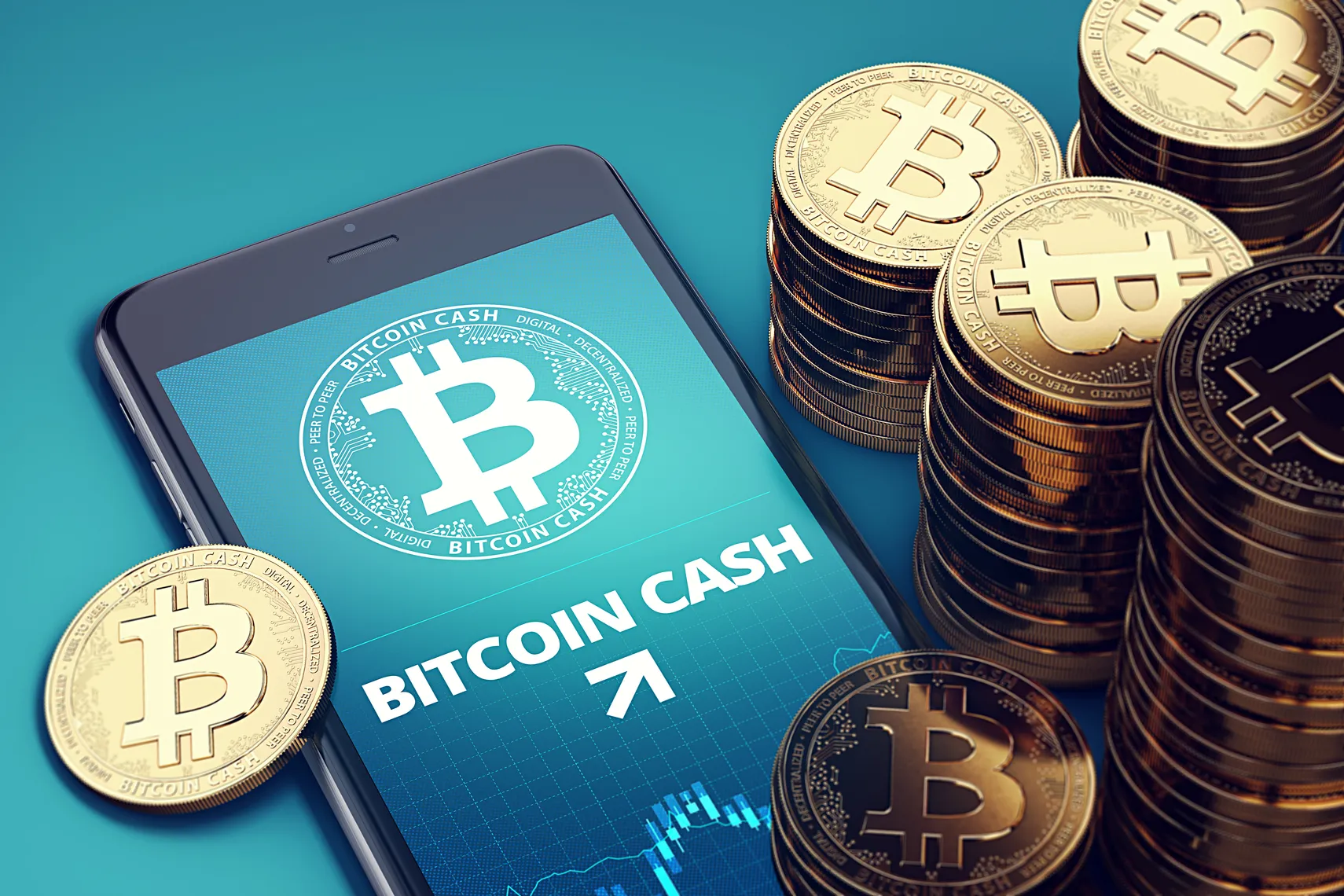
Its goal was to improve Bitcoin by allowing:
- Faster payments
- Lower fees
- Larger transaction capacity
It increased block size to process more transactions.
Legal Status of Cryptocurrency
The legal status of cryptocurrency differs from country to country.
Some countries accept it, while others restrict or ban it.
Cryptocurrency in India
In India, cryptocurrency remains a developing and changing subject.
The Reserve Bank of India (RBI) has warned people about the risks of investing in cryptocurrencies. According to RBI, crypto assets can be risky because of price volatility and lack of regulation.
Important developments in India:
- In 2018, RBI restricted banks from dealing with crypto-related businesses.
- In 2020, the Supreme Court of India removed this restriction.
- In Union Budget 2022–23, the Government introduced 30% tax on profits from virtual digital assets.
- A 1% TDS was also introduced on certain crypto transactions.
India has not declared cryptocurrency as legal tender. This means crypto cannot officially replace the Indian Rupee.
Cryptocurrency Around the World
Different countries treat cryptocurrency differently.
Countries with Friendly Policies
- El Salvador recognized Bitcoin as legal tender.
- Japan regulates crypto exchanges.
- Switzerland supports blockchain innovation.
Countries with Restrictions
- China has imposed strict restrictions on crypto activities.
- Russia has adopted a cautious approach.
Global regulation is still evolving.
What is CBDC?
CBDC stands for Central Bank Digital Currency.
A CBDC is a digital version of a country’s official currency issued by the central bank.
In India, the digital rupee is known as e-Rupee.
The Reserve Bank of India has launched pilot projects for CBDC.

Difference Between Cryptocurrency and CBDC
| Feature | Cryptocurrency | CBDC |
|---|---|---|
| Control | Decentralized | Controlled by central bank |
| Legal Tender | Usually No | Yes |
| Stability | Highly volatile | Stable |
| Regulation | Limited | Fully regulated |
CBDC combines digital convenience with government-backed security.
Benefits of Cryptocurrency
Cryptocurrency offers several advantages.
Fast Transactions
Cross-border payments can happen quickly.
Lower Costs
Transaction fees may be lower than traditional banking.
Financial Inclusion
People without bank accounts can access digital payments.
Transparency
Blockchain records every transaction.
Innovation
Crypto has encouraged new technologies like DeFi and smart contracts.
Challenges of Cryptocurrency
Despite its benefits, cryptocurrency has many challenges.
Price Volatility
Crypto prices can rise or fall sharply in a short time.
Example: Bitcoin may gain or lose thousands of dollars within days.
This makes crypto risky for investors.
Lack of Regulation
Rules are unclear in many countries.
This creates confusion for users and businesses.
Security Risks
Crypto exchanges and wallets can be hacked.
Users may lose funds due to:
- Hacking
- Scams
- Fraud
- Lost passwords
Low Adoption
Although growing, crypto is still not widely accepted for daily purchases.
Many shops and businesses do not accept it.
Scalability Issues
Some blockchain networks process transactions slowly when traffic increases.
This creates delays and higher fees.
Energy Consumption
Mining uses huge electricity.
This raises environmental concerns because energy-intensive mining can increase carbon emissions.
Future of Cryptocurrency
The future of cryptocurrency depends largely on regulation, technology, and public trust.

Governments need to create clear laws to:
- Protect investors
- Prevent illegal activities
- Encourage innovation
A proper regulatory framework can reduce fraud and improve confidence.
At the same time, blockchain technology has enormous potential beyond cryptocurrency. It can improve banking, logistics, healthcare, and governance.
India’s work on CBDC shows that digital currency is becoming more important. Instead of completely banning crypto, balanced regulation may help society benefit from this technology while reducing risks.
Cryptocurrency is still evolving. Whether it becomes a major part of global finance or remains mainly an investment asset will depend on how technology and regulations develop in the coming years.
FAQs
Q1. What is cryptocurrency in simple words?
Cryptocurrency is digital money that exists online and uses encryption for security.
Q2. What is the most popular cryptocurrency?
Bitcoin is the most popular and valuable cryptocurrency.
Q3. Is cryptocurrency legal in India?
Cryptocurrency is not illegal in India, but it is not legal tender.
Q4. What is blockchain?
Blockchain is a digital ledger that records transactions securely across many computers.
Q5. What is CBDC?
CBDC is a digital currency issued by a central bank, such as India’s e-Rupee.
Q6. Why is cryptocurrency risky?
It is risky because of price volatility, hacking, scams, and unclear regulations.