


Groundwater Crisis in India: Causes, Impact and Solutions

Groundwater Crisis in India is becoming one of the most serious environmental challenges facing the country today. Groundwater is the water stored beneath the Earth’s surface in spaces between soil particles and rocks. It is found in underground layers called aquifers and is one of the most important sources of fresh water for drinking, farming, and industrial use.
India is the world’s largest user of groundwater. Millions of people depend on it every day for their basic needs. However, excessive use, pollution, and poor management have caused groundwater levels to decline rapidly in many parts of the country. Northern India, especially regions around the National Capital Territory of Delhi, has witnessed some of the highest rates of groundwater depletion in the world.

What is Groundwater?
Groundwater is rainwater and surface water that seeps into the soil and gets stored underground. This water accumulates in natural reservoirs known as aquifers. These aquifers are generally made up of sand, gravel, sandstone, or limestone.
Groundwater serves as a reliable source of water because it remains available even during dry seasons when rivers and lakes may have less water.
Groundwater Situation in India
India is heavily dependent on groundwater for agriculture, drinking water, and industrial activities. Over the years, the demand for water has increased significantly due to population growth, urbanization, and agricultural expansion.
According to various water reports:
- India is the largest extractor of groundwater in the world.
- A large share of global groundwater extraction takes place in Asia.
- Millions of people depend on groundwater for their daily water needs.
- Many major Indian cities face the risk of severe groundwater shortages.
- Water quality remains a concern in several parts of the country due to contamination and pollution.
- Future water demand is expected to increase significantly, creating additional pressure on available resources.
These facts highlight the urgent need for better groundwater management across the country.
Importance of Groundwater in India
Groundwater plays a vital role in the Indian economy and society.
1. Supports Agriculture
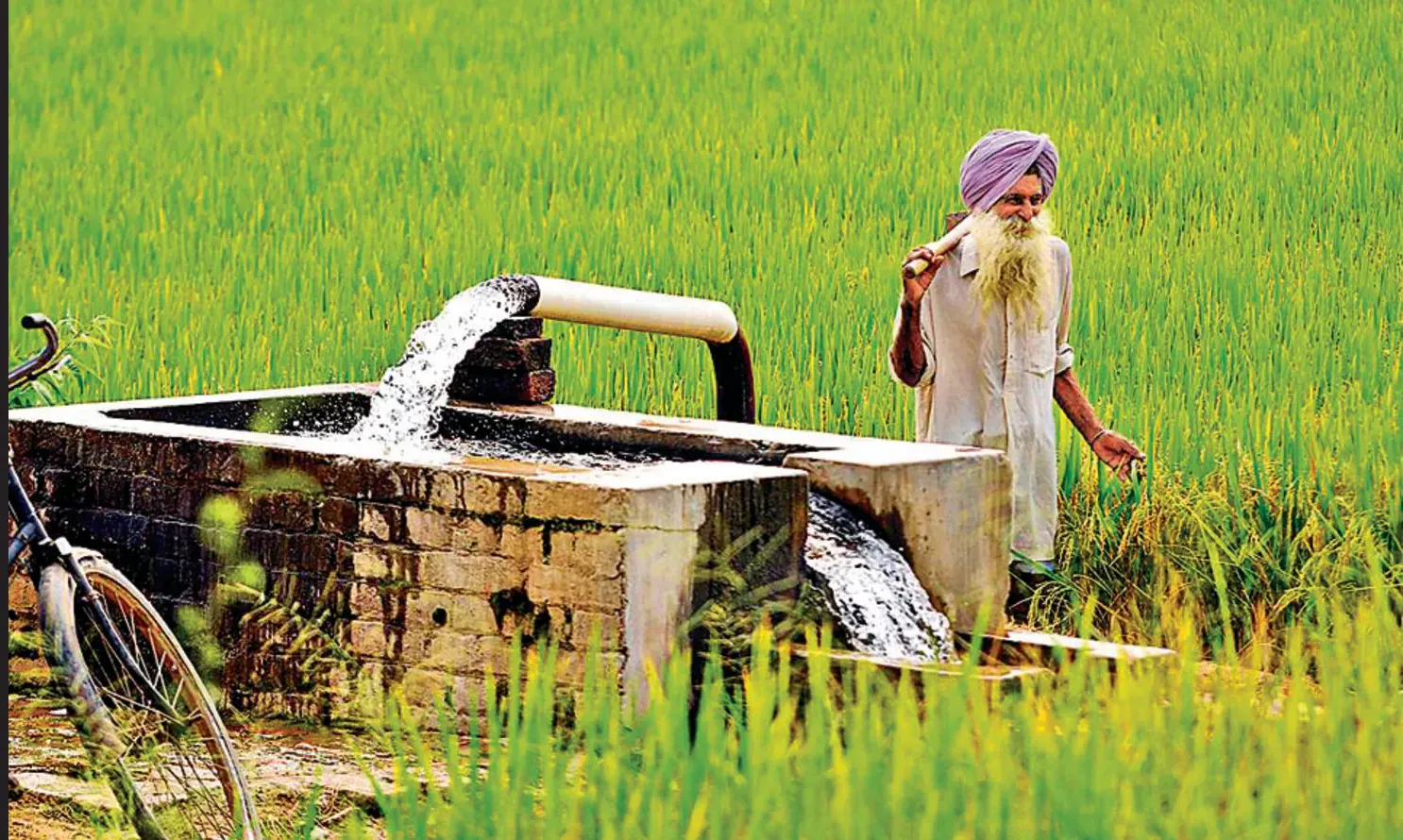
Agriculture is the backbone of India’s rural economy. Groundwater provides water for irrigation and helps farmers grow crops throughout the year.
More than half of India’s irrigated agriculture depends on wells and tube wells that draw water from underground sources.
2. Drinking Water Supply
Groundwater is a major source of drinking water in both rural and urban areas. Many villages rely entirely on hand pumps, wells, and borewells.
3. Industrial Use
Industries use groundwater for manufacturing, cooling, cleaning, and processing activities. Reliable water availability is essential for industrial growth.
4. Rural Livelihoods
Millions of farmers, agricultural laborers, and rural households depend directly or indirectly on groundwater for their livelihoods.
5. Drought Protection
Groundwater acts as a reserve during periods of low rainfall and drought. It helps communities survive when surface water sources become scarce.
Major Causes of Groundwater Depletion
Growing Population and Water Demand
India’s population continues to grow, increasing the demand for drinking water, sanitation, agriculture, and industry. As demand rises, groundwater extraction also increases.
Excessive Agricultural Use
Agriculture consumes the largest share of groundwater. Farmers often pump water continuously to irrigate crops, especially in areas with insufficient rainfall.
Water-Intensive Crops
The Green Revolution helped increase food production, but it also encouraged cultivation of water-intensive crops such as rice and sugarcane in regions where water availability is limited.
These crops require large amounts of water, leading to rapid depletion of groundwater resources.
Over-Pumping of Groundwater
Many farmers and households pump groundwater faster than nature can replenish it. When extraction exceeds recharge, groundwater levels begin to fall.
Electricity Subsidies
In several states, subsidized or free electricity encourages excessive pumping of groundwater because operating tube wells becomes inexpensive.
Limited Surface Water Resources
Many regions have inadequate rivers, lakes, and reservoirs. As a result, people depend heavily on groundwater, increasing pressure on underground reserves.
Low Rainfall and Climate Variability
Irregular rainfall patterns and recurring droughts reduce groundwater recharge. Climate change is further increasing uncertainty in water availability.
Groundwater Pollution: A Growing Concern
Groundwater is not only being depleted but also becoming polluted.
Sources of Groundwater Pollution
Industrial Waste
Untreated industrial effluents often contain harmful chemicals that seep into the ground and contaminate aquifers.
Agricultural Chemicals
Excessive use of fertilizers, pesticides, and insecticides introduces toxic substances into groundwater.
Landfills and Solid Waste
Improper waste disposal allows harmful pollutants to enter the soil and underground water systems.
Septic Tanks and Sewage
Leakage from septic tanks and sewage systems can contaminate groundwater with bacteria and harmful microorganisms.
Lack of Sanitation
Poor sanitation facilities in many rural and urban areas contribute significantly to groundwater contamination.
Effects of Groundwater Pollution
- Unsafe drinking water
- Water-borne diseases
- Health problems in children and adults
- Reduced agricultural productivity
- Increased water treatment costs
Environmental Impact of Groundwater Depletion
Frequent Drought Conditions
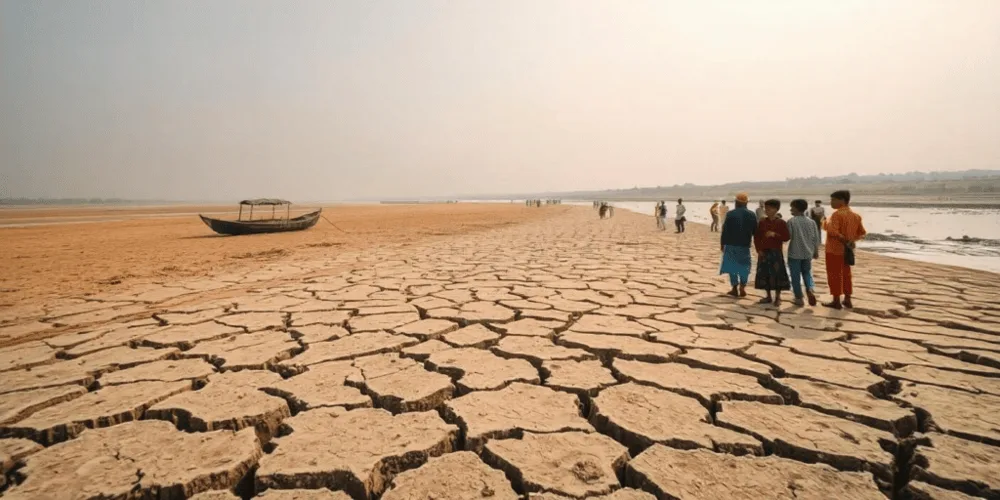
Declining groundwater levels make regions more vulnerable to droughts. Communities struggle to access water during dry periods.
Drying of Wells and Borewells
Many traditional wells and borewells stop yielding water when groundwater levels fall below accessible depths.
Reduced River Flow
Groundwater contributes to maintaining river flow during dry seasons. Excessive extraction can reduce water availability in rivers and streams.
Land Subsidence
In some areas, excessive groundwater withdrawal may cause the ground surface to sink, a phenomenon known as land subsidence.
Loss of Biodiversity
Wetlands, ponds, and ecosystems dependent on groundwater may shrink or disappear, affecting plants and animals.
Economic and Social Impact
Impact on Farmers
Farmers often need to drill deeper borewells when groundwater levels decline. This increases costs and reduces profitability.
Food Security Concerns
Agricultural production may decline if water becomes unavailable for irrigation, affecting food security.
Urban Water Shortages
Cities facing groundwater depletion may experience severe water scarcity, forcing residents to depend on expensive water tankers.
Health Risks
Contaminated groundwater can lead to serious health problems and increased medical expenses.
Economic Losses
Water shortages affect agriculture, industries, and businesses, reducing overall economic productivity.
Solutions to the Groundwater Crisis
Regulate Groundwater Extraction
Authorities should impose restrictions in areas where groundwater levels have reached critical levels. Excessive extraction must be monitored and controlled.
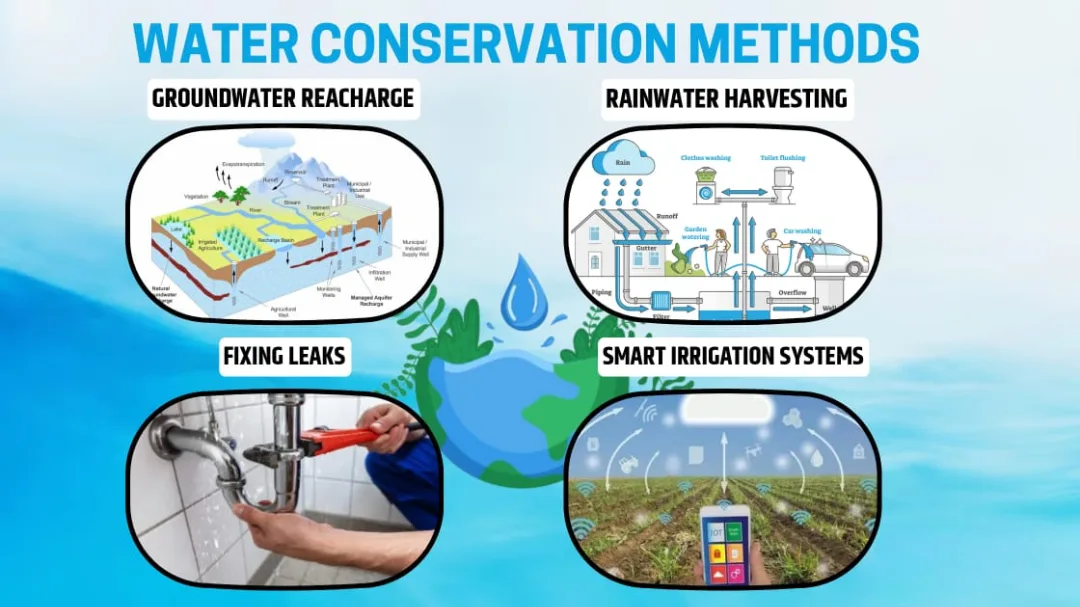
Promote Rainwater Harvesting
Rainwater harvesting helps capture and store rainwater for groundwater recharge. It can significantly improve water availability.
Encourage Micro-Irrigation
Farmers should adopt water-saving technologies such as:
- Drip irrigation
- Sprinkler irrigation
- Micro-sprinklers
These methods reduce water wastage and improve efficiency.
Crop Diversification
Farmers should be encouraged to grow crops that require less water instead of relying heavily on water-intensive crops.
Improve Water Management
Scientific planning and efficient water distribution systems can reduce unnecessary wastage.
Community Participation
Local communities should actively participate in groundwater management. Village councils and local institutions can play an important role in monitoring water use.
Strengthen Groundwater Laws
Strong regulations and proper enforcement are needed to prevent over-extraction and pollution.
Afforestation
Planting more trees improves groundwater recharge by increasing water infiltration into the soil.
Reuse and Recycling of Water
Treated wastewater can be reused for agriculture, industries, and other non-drinking purposes, reducing pressure on groundwater resources.
Scientific Research and Mapping
Modern technologies such as remote sensing, Geographic Information Systems (GIS), and groundwater mapping can help identify recharge zones and support better planning.
Traditional Water Conservation Methods
India has a rich tradition of water conservation through ponds, tanks, stepwells, and community water systems. Reviving these methods can help recharge groundwater naturally.
Government Initiatives
The Government of India has launched several programs to improve water management and groundwater conservation:
- Pradhan Mantri Krishi Sinchai Yojana (PMKSY)
- Atal Bhujal Yojana
- Jal Shakti Abhiyan
- More Crop Per Drop Initiative
- Watershed Development Programmes
These initiatives focus on efficient water use, groundwater recharge, and sustainable management practices.
Way Forward
Groundwater Crisis in India requires urgent attention from governments, communities, industries, and individuals. Groundwater is a valuable natural resource that supports agriculture, drinking water supply, economic growth, and environmental sustainability.
A combination of scientific planning, community participation, rainwater harvesting, efficient irrigation systems, pollution control, and strong regulations can help address the crisis. Protecting groundwater today is essential for ensuring water security for future generations and supporting sustainable development across India.
FAQs on Groundwater Crisis in India
1. What is groundwater?
Groundwater is water stored beneath the Earth’s surface in soil, sand, and rock formations called aquifers. It is an important source of drinking water and irrigation.
2. Why is groundwater important in India?
Groundwater provides drinking water to millions of people and supplies a major share of water used for agriculture and industries across India.
3. Why is India facing a groundwater crisis?
India is facing a groundwater crisis due to over-extraction, increasing population, water-intensive farming, pollution, urbanization, and irregular rainfall.
4. Which areas in India are most affected by groundwater depletion?
Many regions of northern India, including parts of Punjab, Haryana, Rajasthan, Uttar Pradesh, and Delhi, are experiencing severe groundwater depletion.
5. How does agriculture affect groundwater levels?
Agriculture uses large amounts of groundwater for irrigation. Continuous pumping of water for crops without sufficient recharge lowers groundwater levels.
6. What are the major causes of groundwater pollution?
Industrial waste, sewage leakage, excessive use of fertilizers and pesticides, landfills, and poor sanitation are major causes of groundwater pollution.
7. What is rainwater harvesting?
Rainwater harvesting is the process of collecting and storing rainwater to recharge groundwater and reduce water shortages.
8. How can farmers help conserve groundwater?
Farmers can adopt drip irrigation, sprinkler systems, crop diversification, and water-efficient farming methods to reduce groundwater usage.
9. What are aquifers?
Aquifers are underground layers of rock, sand, or gravel that store and transmit groundwater.
10. What are the solutions to India’s groundwater crisis?
Key solutions include rainwater harvesting, groundwater regulation, afforestation, wastewater reuse, scientific water management, and community participation.