



Electric Vehicles in India: Growth, Benefits, Challenges and Future

Electric Vehicles are becoming an important part of India’s transportation system. As concerns about pollution, climate change, and rising fuel prices continue to grow, many countries are encouraging the use of cleaner and more sustainable vehicles. Electric Vehicles (EVs) are one of the best alternatives to traditional petrol and diesel vehicles. They help reduce air pollution, lower fuel dependency, and support the development of clean energy technologies.
India is also moving towards electric mobility through various government schemes, policies, and investments. With improvements in battery technology, charging infrastructure, and manufacturing capabilities, Electric Vehicles are expected to play a major role in India’s future transportation system.

What are Electric Vehicles?
Electric Vehicles (EVs) are vehicles that use one or more electric motors for movement instead of internal combustion engines that run on petrol or diesel.
These vehicles receive power from rechargeable batteries. Some EVs may also use solar panels or generators to produce electricity. Unlike conventional vehicles, EVs do not produce harmful exhaust emissions during operation.
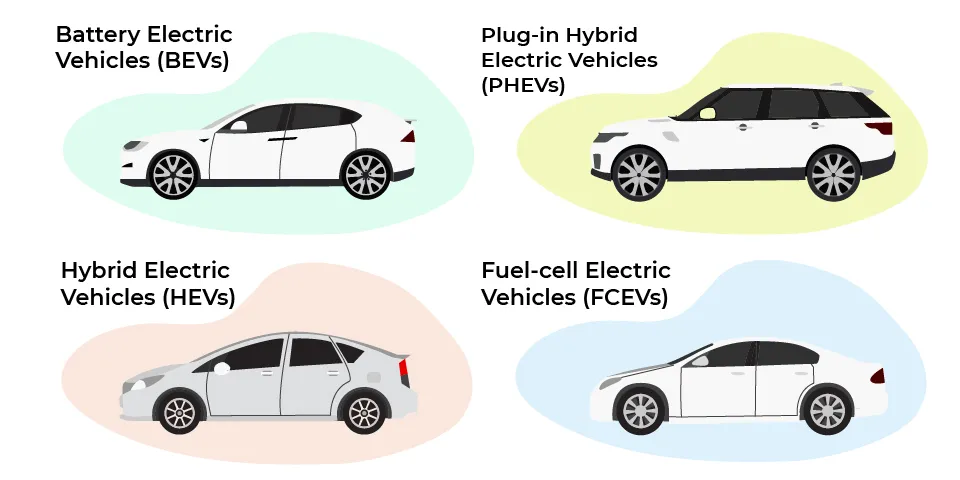
Types of Electric Vehicles
| Type | Description |
|---|---|
| Battery Electric Vehicles (BEVs) | Fully powered by electricity and batteries |
| Hybrid Electric Vehicles (HEVs) | Use both fuel and electric power |
| Plug-in Hybrid Vehicles (PHEVs) | Can be charged externally and use fuel as backup |
| Fuel Cell Electric Vehicles (FCEVs) | Use hydrogen fuel cells to generate electricity |
Among these, Battery Electric Vehicles are gaining the most popularity in India.
Growth of Electric Vehicles Around the World
The growth of Electric Vehicles is linked to global efforts to reduce carbon emissions and fight climate change. Countries worldwide are promoting EV adoption through incentives, subsidies, and stricter emission standards.
The global shift toward electric mobility has accelerated due to:
- Rising fuel prices
- Better battery performance
- Falling battery costs
- Government support
- Environmental concerns
- Technological advancements
Today, millions of EVs are operating worldwide, and their numbers continue to increase every year.
Why Does India Need Electric Vehicles?
India faces several environmental and economic challenges that make Electric Vehicles an important solution.
1. Reducing Air Pollution
Many Indian cities suffer from severe air pollution. Vehicle emissions are one of the major contributors to poor air quality.
Electric Vehicles produce zero tailpipe emissions, helping reduce pollution levels in cities and improving public health.
2. Combating Climate Change
Climate change is causing rising temperatures, extreme weather events, and environmental damage across the globe.
India has committed to reducing greenhouse gas emissions and increasing the use of clean energy. EVs can help achieve these goals by reducing dependence on fossil fuels.
3. Energy Security
India imports a large portion of its crude oil requirements from other countries.
Heavy dependence on imported oil affects the economy and energy security. Electric Vehicles can reduce fuel imports and help India become more self-reliant.
4. Supporting Renewable Energy
India is rapidly increasing solar and wind energy production.
As renewable energy grows, Electric Vehicles can use clean electricity instead of fossil fuels, making transportation more sustainable.
5. Encouraging Innovation
The EV sector promotes research and development in:
- Battery technology
- Electronics
- Artificial Intelligence
- Smart charging systems
- Advanced manufacturing
This creates opportunities for innovation and technological growth.
6. Job Creation
Electric mobility is creating new employment opportunities in:
- Vehicle manufacturing
- Battery production
- Charging infrastructure
- Software development
- Vehicle maintenance
- Research and development
The EV industry is considered one of the fastest-growing sectors of the future.
Advantages of Electric Vehicles
Electric Vehicles offer many benefits compared to conventional vehicles.
Lower Operating Cost
Electricity is generally cheaper than petrol and diesel. This reduces the running cost of EVs.
Environment Friendly
EVs help reduce:
- Carbon emissions
- Air pollution
- Noise pollution
Better Energy Efficiency
Electric motors convert energy more efficiently than internal combustion engines.
Less Maintenance
EVs have fewer moving parts, which means:
- Less wear and tear
- Lower maintenance costs
- Fewer service requirements
Smooth Driving Experience
Electric Vehicles provide:
- Instant torque
- Smooth acceleration
- Quiet operation
Reduced Fuel Dependency
Using EVs reduces the country’s dependence on imported fossil fuels.
Challenges Facing Electric Vehicles in India
Despite their advantages, Electric Vehicles still face several challenges.
High Initial Cost
One of the biggest barriers to EV adoption is the higher purchase price.
The battery accounts for a significant portion of the vehicle cost, making EVs more expensive than traditional vehicles.
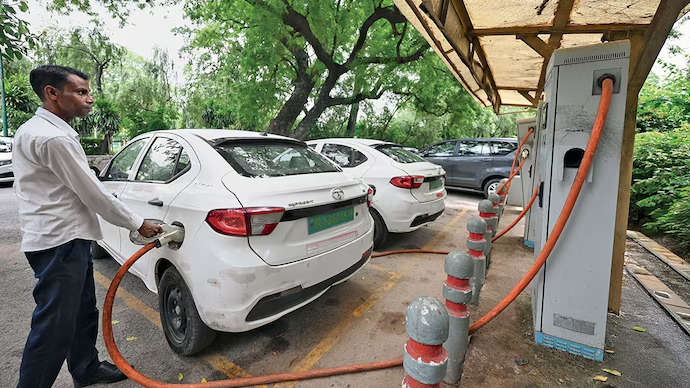
Limited Charging Infrastructure
Charging stations are still limited in many parts of India.
People often worry about finding charging facilities during long journeys.
This concern is known as range anxiety.
Long Charging Time
Charging an EV can take several hours depending on the charger type.
Although fast chargers are available, they are not yet widespread.
Battery Manufacturing Challenges
India’s battery manufacturing capacity is still developing.
Large-scale battery production requires:
- Advanced technology
- Significant investment
- Access to raw materials
Dependence on Imports
Important battery materials such as lithium and cobalt are largely imported.
This creates supply chain risks and increases costs.
Technology Gap
India is still developing expertise in key EV components such as:
- Batteries
- Semiconductors
- Controllers
- Power electronics
Lack of Skilled Workforce
Electric Vehicle maintenance requires specialized knowledge and technical skills.
There is a need for dedicated training programs to prepare skilled workers for the growing EV industry.
Policy Uncertainty
Long-term investments require stable and predictable government policies.
Frequent policy changes may discourage investors and manufacturers.
Government Initiatives for Electric Vehicles
The Government of India has launched several programs to promote electric mobility.
National Electric Mobility Mission Plan (NEMMP)
Launched in 2013, the National Electric Mobility Mission Plan aims to promote electric and hybrid vehicles while improving energy security.
Its objectives include:
- Reducing fuel consumption
- Lowering emissions
- Encouraging domestic manufacturing
FAME India Scheme
FAME stands for Faster Adoption and Manufacturing of Electric Vehicles.
The scheme focuses on:
- Technology development
- Demand creation
- Pilot projects
- Charging infrastructure
FAME-II Scheme
FAME-II was launched to accelerate EV adoption across the country.
Key features include:
| Feature | Purpose |
|---|---|
| Purchase Incentives | Reduce vehicle cost |
| Charging Stations | Expand charging network |
| Public Transport Support | Promote electric buses |
| Domestic Manufacturing | Encourage local production |
The scheme supports both consumers and manufacturers.
Battery Swapping Policy
Battery swapping allows EV users to exchange a discharged battery for a fully charged one instead of waiting for charging.
Benefits include:
- Faster operation
- Reduced downtime
- Better convenience
- Improved adoption of electric two-wheelers and three-wheelers
Large metropolitan cities are being prioritized for battery swapping infrastructure.
National Mission on Transformative Mobility and Battery Storage
This initiative focuses on:
- Advanced battery manufacturing
- Clean transportation
- Sustainable mobility solutions
- Domestic production capabilities
Phased Manufacturing Programme (PMP)
The PMP encourages local manufacturing of EV components and batteries.
Its goals include:
- Reducing imports
- Increasing self-reliance
- Supporting exports
- Building a strong EV supply chain
Importance of Battery Technology
The battery is the most important component of an Electric Vehicle.
Recent improvements in battery technology have resulted in:
- Higher energy density
- Faster charging
- Longer lifespan
- Better safety
- Lower costs
As battery prices continue to decline, EVs are becoming more affordable.
Future Battery Technologies
Researchers are working on:
- Solid-state batteries
- Sodium-ion batteries
- Fast-charging technologies
- Battery recycling systems
These innovations could significantly improve EV performance in the future.
EV Charging Infrastructure in India
A strong charging network is essential for widespread EV adoption.
Charging stations can be installed at:
- Homes
- Offices
- Shopping malls
- Petrol pumps
- Railway stations
- Bus depots
- Highways
The government has proposed charging stations at regular intervals along major highways to improve convenience for EV users.
Building codes also encourage the inclusion of EV charging facilities in residential and commercial buildings.
Economic Benefits of Electric Vehicles
Electric Vehicles can contribute significantly to India’s economy.
Reduced Import Bill
India spends billions of dollars annually on crude oil imports.
EV adoption can reduce this expenditure and improve the trade balance.
Growth of New Industries
The EV ecosystem creates opportunities in:
- Battery manufacturing
- Charging equipment
- Software solutions
- Renewable energy integration
Export Opportunities
As domestic manufacturing expands, India can become a major exporter of EVs and related components.
Attraction of Investments
Both domestic and international companies are investing heavily in India’s EV sector.
This supports industrial growth and economic development.
Environmental Benefits of Electric Vehicles
Electric Vehicles support sustainable development by reducing environmental damage.
Major environmental benefits include:
- Lower greenhouse gas emissions
- Reduced urban air pollution
- Less dependence on fossil fuels
- Improved public health
- Better use of renewable energy
As India’s electricity generation becomes cleaner through solar and wind energy, the environmental benefits of EVs will increase further.
Future of Electric Vehicles in India
The future of Electric Vehicles in India looks promising. Government support, technological advancements, rising fuel prices, and increasing environmental awareness are driving EV adoption.
Several factors will support future growth:
- Expansion of charging infrastructure
- Improvement in battery technology
- Reduction in vehicle costs
- Growth of renewable energy
- Increased domestic manufacturing
- Better policy support
India aims to significantly increase the share of Electric Vehicles in overall vehicle sales by 2030. This transition will help create a cleaner, greener, and more sustainable transportation system for future generations.
FAQs on Electric Vehicles
1. What are Electric Vehicles?
Electric Vehicles are vehicles powered by electric motors using electricity stored in batteries instead of petrol or diesel engines.
2. Why are Electric Vehicles important for India?
They help reduce pollution, lower fuel imports, improve energy security, and support climate goals.
3. What is the biggest challenge for EV adoption in India?
Limited charging infrastructure and high initial vehicle costs remain major challenges.
4. What is the FAME Scheme?
FAME stands for Faster Adoption and Manufacturing of Electric Vehicles, a government program that promotes EV adoption and manufacturing.
5. What is battery swapping?
Battery swapping allows users to replace an empty battery with a fully charged battery instead of waiting for charging.
6. Are Electric Vehicles cheaper to run?
Yes. Electricity generally costs less than petrol or diesel, making EVs cheaper to operate.
7. Can EVs help reduce air pollution?
Yes. Electric Vehicles produce zero tailpipe emissions and help improve urban air quality.
8. What role do batteries play in EVs?
Batteries store the electrical energy required to power the vehicle and are the most important component of an EV.