Climatic Regions of the World (Part III) – Cool Temperate and Polar Climates Explained

Climatic Regions of the World (Part-III) focuses on some of the most important cool temperate and polar climates found on Earth. These climates are mainly located in the higher latitudes and are very different from tropical climates. In here, we will study four major climatic types:
Thank you for reading this post, don't forget to subscribe!- Cool Temperate Western Margin (British Type) Climate
- Cool Temperate Continental (Siberian) Climate
- Cool Temperate Eastern Margin (Laurentian) Climate
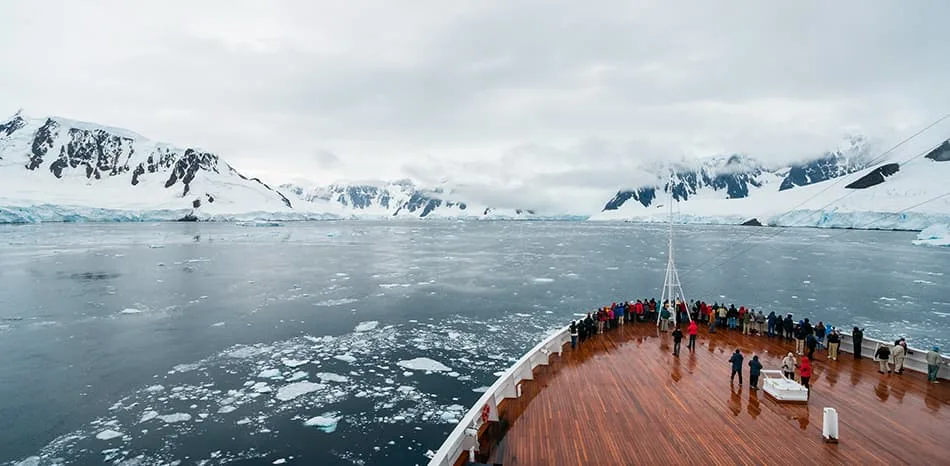
- Arctic or Polar Climate
We will also learn about their distribution, temperature, rainfall, vegetation, and economic activities.
Cool Temperate Western Margin (British Type) Climate
Distribution
This climate is mainly found in regions close to the western coasts of continents in the temperate zone.
Europe
- Most developed in and around Britain
- Extends to:
- Northern and Western France
- Belgium
- Netherlands
- Denmark
- Western Norway
- North-West Spain
North America
- Found mainly in British Columbia (Canada)
- The Rocky Mountains block the winds, so the climate does not go far inland
Southern Hemisphere
- Southern Chile
- Southern Australia
- Tasmania
- New Zealand
Main Features
- Strong influence of Westerly winds throughout the year
- Frequent cyclones (low-pressure systems)
- Rainfall occurs in all seasons
- Weather is unpredictable
- Known for cool summers and mild winters
Temperature
- Average yearly temperature: 5°C to 15°C
- Winters are mild, not extremely cold
- Summers are warm but not very hot
This is mainly because of the warm ocean currents, like the North Atlantic Drift, which keep temperatures moderate.
Rainfall
- Rainfall is well distributed throughout the year
- Slightly higher rainfall in winter
- Coastal areas receive more rain
Special Case: New Zealand
- Western side gets heavy rainfall due to mountains
- Eastern side receives less rainfall due to rain-shadow effect
Seasons
There are four clear seasons:
- Winter – cold, cloudy, foggy, rainy
- Spring – fresh and pleasant
- Summer – long and sunny
- Autumn – windy and cool
Natural Vegetation
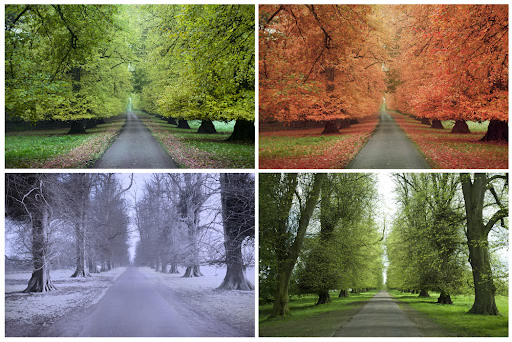
- Mainly deciduous forests
- Trees lose leaves in winter
Common Trees:
- Oak
- Elm
- Ash
- Birch
- Beech
- Poplar
In higher areas, coniferous trees grow instead.
Economic Activities
1. Lumbering (Wood Industry)
- Hardwood trees are useful for:
- Furniture
- Fuel
- Industry
2. Industrial Development
- Highly industrialized regions
- Important industries:
- Automobiles
- Machinery
- Textiles
3. Agriculture
- Mixed farming is common:
- Crop growing + animal rearing
Main Crops:
- Wheat
- Barley
- Vegetables
- Fruits
Dairying and Animal Farming
- Ideal climate for dairy farming
- Countries like Denmark and Netherlands are famous
Products:
- Milk
- Butter
- Cheese
Meat Industry
- Pigs and poultry are raised
- Countries export:
- Bacon
- Meat products
Cool Temperate Continental (Siberian) Climate
Distribution
- Found in the Northern Hemisphere only
- Between 50°N to 70°N latitude
Regions:
- Central Canada
- Parts of Scandinavia
- Most of Russia (Siberia)
Temperature
- Very extreme climate
Summers:
- Short and warm (20°C to 25°C)
Winters:
- Very long and extremely cold
- Temperature can go below -40°C
- Annual temperature range is very high (50°C to 60°C)
Example:
- Verkhoyansk recorded -67°C
Rainfall
- Annual rainfall: 38 cm to 63 cm
- Mostly in summer
- Winter precipitation is in the form of snow
Natural Vegetation
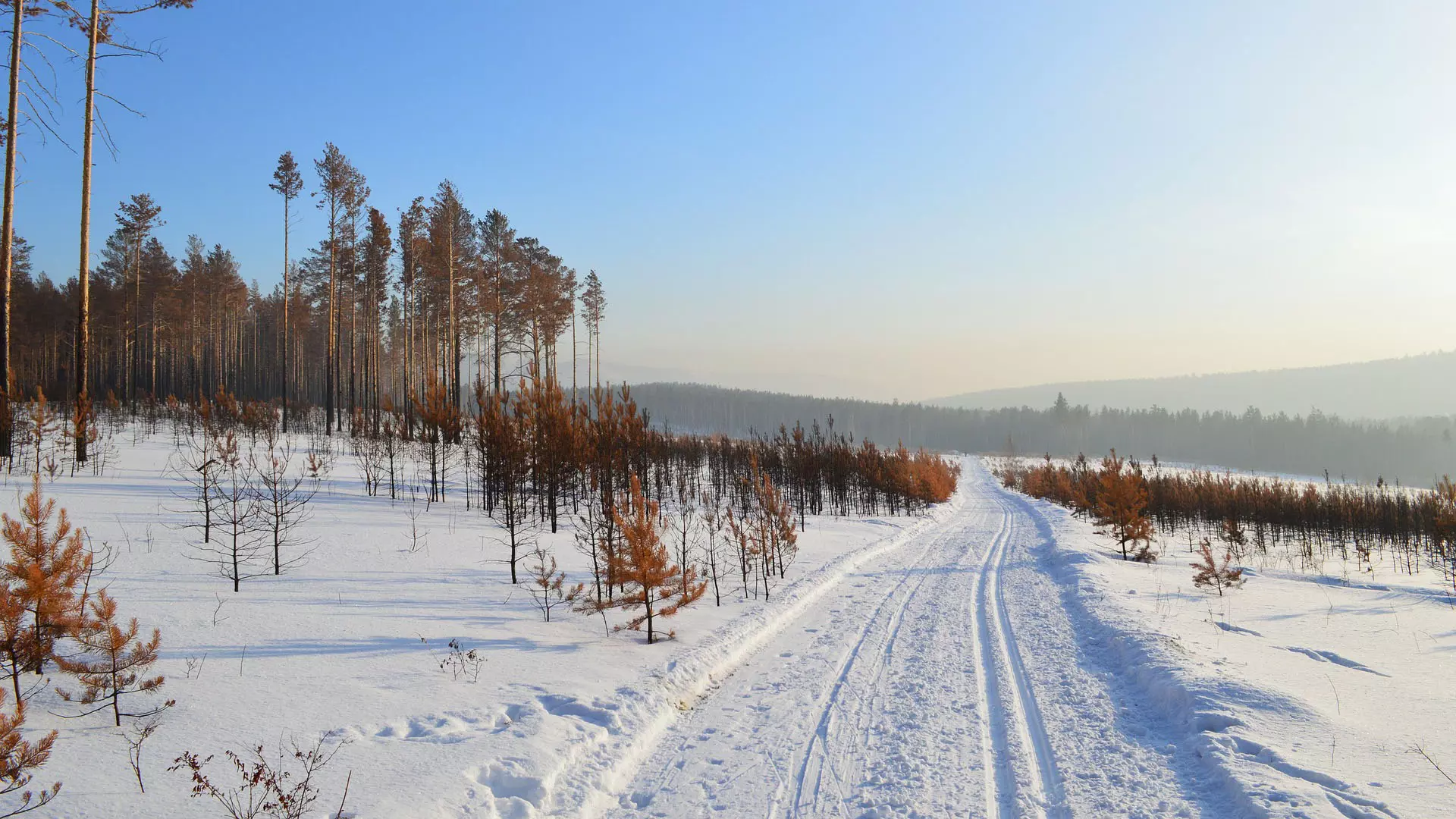
- Dominated by coniferous forests (Taiga)
Regions:
- Siberia
- Canada
- Alaska
- Scandinavia
Features of Coniferous Forests
- Trees are tall and straight
- Evergreen (do not shed leaves yearly)
- Leaves are needle-shaped
Soil:
- Poor and acidic
- Low fertility
Economic Activities
1. Lumbering
- Main economic activity
- Softwood is used for:
- Paper
- Furniture
- Construction
2. Paper and Pulp Industry
- Countries like:
- Canada
- USA
- Russia
are major producers
3. Trapping
- Hunting of animals for fur
Important animals:
- Mink
- Fox
- Muskrat
4. Transport
- Rivers are used to float logs to factories
Cool Temperate Eastern Margin (Laurentian) Climate
Distribution
The Laurentian climate is an intermediate type of climate between the British Type Climate (moderate) and the Siberian or Taiga Climate (extreme). It has features of both maritime (ocean) and continental (land) climates.
This type of climate is found only in the Northern Hemisphere and mainly in two regions:
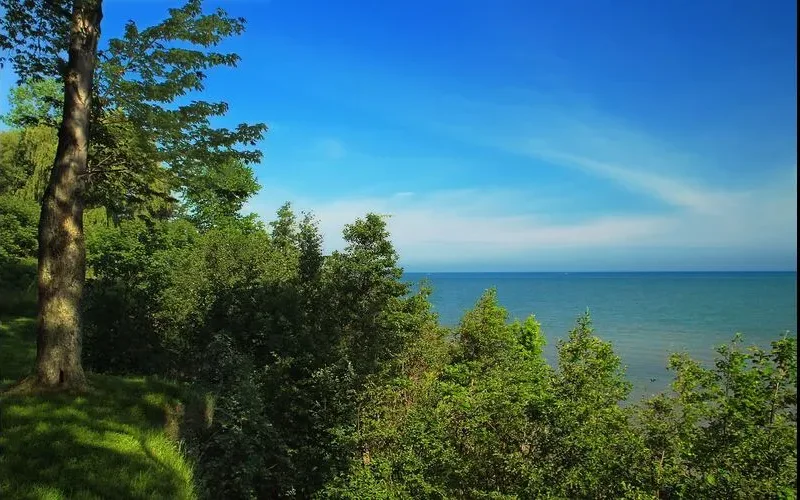
North America
- Eastern Canada
- North-East USA
- Newfoundland
Asia
- North China
- Korea
- Japan
- Eastern Siberia
- Manchuria
Climate Nature
- Combination of:
- Maritime climate (influenced by oceans)
- Continental climate (influenced by land)
Temperature
- Winters are cold and dry
- Summers are warm and wet (~25°C)
- Winter temperatures go below freezing point
- Snowfall is common in winter
- Summers can be as warm as tropical regions
Rainfall
- Rainfall occurs throughout the year
- Annual rainfall: 75 cm to 150 cm
North American Region
- Rainfall is evenly distributed
- Influenced by:
- Atlantic Ocean (summer rainfall)
- Great Lakes (winter precipitation)
- The warm Gulf Stream increases moisture in winds
- Westerlies bring cyclones, causing winter rainfall
- Mixing of Gulf Stream (warm) and Labrador Current (cold) near Newfoundland creates:
- Dense fog
- Mist
- Heavy rainfall
Asiatic Region
- Rainfall is not evenly distributed
- Winters are cold and very dry
- Summers are very warm and very wet
- Rainfall pattern is similar to monsoon climate in India
Reason:
- In summer, strong heating in China creates low pressure
- Moist winds from the Pacific Ocean and Sea of Japan bring heavy rain
This is why this climate in Asia is also called Cool Temperate Monsoon Climate
Special Features
- Mixing of warm and cold ocean currents creates:
- Fog
- Mist
Example:
- Newfoundland (very famous for fog)
Japan Climate
- Climate is influenced by ocean currents:
- Warm Kuroshio Current → makes climate milder
- Cold Oyashio Current → creates fog
- Northern Japan is called a “second Newfoundland” because of heavy fog
- In many coastal areas, fishing is more important than farming
Natural Vegetation
- Mainly cool temperate forests
Reasons:
- Heavy rainfall
- Warm summers
- Moist air due to fog
Types of Trees:
- North of 50°N → Coniferous forests
- South of 50°N → Deciduous forests
Common Trees:
- Oak
- Beech
- Maple
- Birch
Economic Activities
1. Lumbering
- Very important in Eastern Canada
- Forests have pure stands of trees, which increases commercial value
- Wood is used for:
- Timber
- Paper
- Pulp industry
2. Fishing
- One of the world’s best fishing regions
Example:
- Grand Banks of Newfoundland
Reason:
- Mixing of warm Gulf Stream and cold Labrador Current
- This creates a very rich fishing ground
- Many countries send fishing ships here:
- Canada
- USA
- Japan
- Russia
- Norway
Japan Fishing:
- Major fishing ports:
- Hakodate
- Kushiro
- Advanced cold storage facilities available
- Pearl farming is also important:
- Pearls are taken from oysters
3. Agriculture
- Dairy farming is common
Example:
- Annapolis Valley (Nova Scotia) is famous for apple production
Arctic or Polar Climate
Distribution
- Found in extreme northern and southern regions
Areas:
- Arctic Circle (North)
- Antarctic Circle (South)
Examples:
- Greenland
- Antarctica
- Northern Canada
- Alaska
- Antarctica has the largest ice-cap in the world
- Coastal areas of:
- Greenland
- Northern Canada
- Alaska
have tundra climate
Temperature
- Extremely cold climate
Winter:
- Temperature can fall to -40°C to -50°C or lower
Summer:
- Short and slightly warmer
- Special feature:
- Continuous darkness in winter
- Continuous daylight in summer
- Strong winds and blizzards are common
Weather Conditions
- Frost can occur anytime
- Blizzards can reach very high speeds
- Climate is harsh and difficult for human life
Rainfall
- Very low precipitation
- Mostly in the form of:
- Snow
- Ice
- Sleet
- No convectional rainfall
Natural Vegetation
- No trees grow in tundra regions
Only small plants grow:
- Mosses
- Lichens
- Grasses
- Coastal areas support:
- Reindeer moss (food for reindeer)
Tundra Region
- Found near polar coasts
Supports:
- Reindeer
- Small plants
Summer Season
- Ice melts for a short period
- Small plants grow quickly
- Berry bushes and Arctic flowers bloom
- Birds migrate here to feed on insects
Importance of These Climatic Regions
Understanding these climates is important because:
- They affect human life and settlements
- They influence agriculture and economy
- They help us understand climate change
- They show how people adapt to extreme conditions
Conclusion
Climatic Regions of the World (Part-III) helps us understand how different parts of the world experience very different weather conditions.
- The British type climate is mild and suitable for agriculture and industry
- The Siberian climate is extreme and mainly supports forests and mining
- The Laurentian climate supports fishing, forestry, and farming
- The Polar climate is harsh and supports very limited life
Each climatic region has its own importance and plays a key role in shaping the natural environment and human activities.
FAQs
1. What is British type climate?
It is a cool temperate climate with mild winters, cool summers, and rainfall throughout the year.
2. Why is Siberian climate extreme?
Because it is far from oceans and has strong continental influence, leading to very cold winters and warm summers.
3. What is Taiga forest?
It is a large belt of coniferous forest found in Siberian climate regions.
4. Why is Newfoundland famous for fog?
Due to the meeting of warm Gulf Stream and cold Labrador Current.
5. What grows in polar regions?
Only small plants like mosses, lichens, and grasses grow due to extreme cold.
6. Which climate is best for dairy farming?
Cool temperate western margin climate is ideal for dairy farming.