


India Defense Modernization Challenges and Opportunities

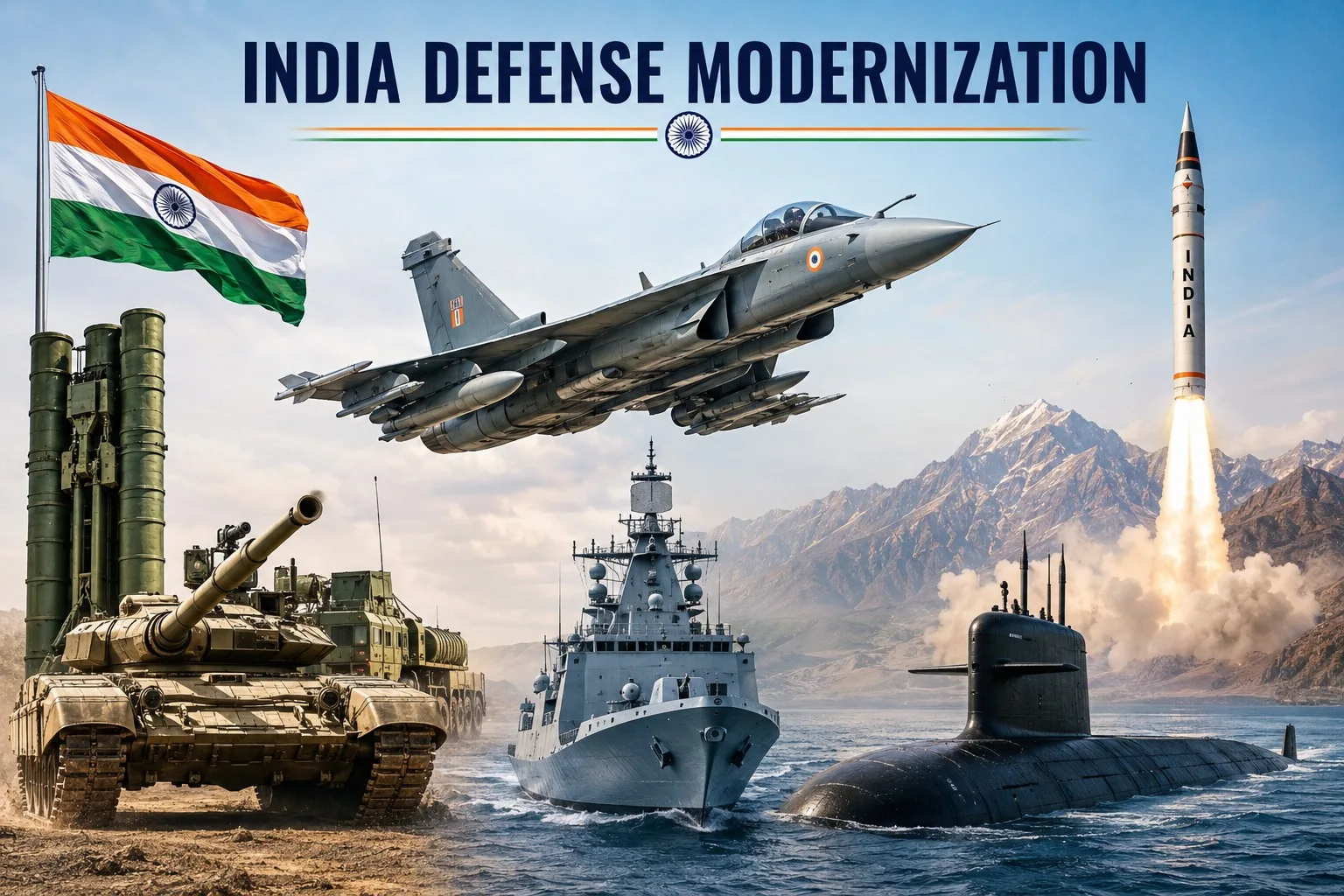
India Defense Modernization is becoming one of the most important national priorities today. As India grows as a global power, the country must strengthen its military capabilities to protect its borders and national interests. India faces security threats from neighboring countries like China and Pakistan, along with terrorism, cyber attacks, border tensions, and internal security challenges. Because of these threats, modern defense technology is necessary.
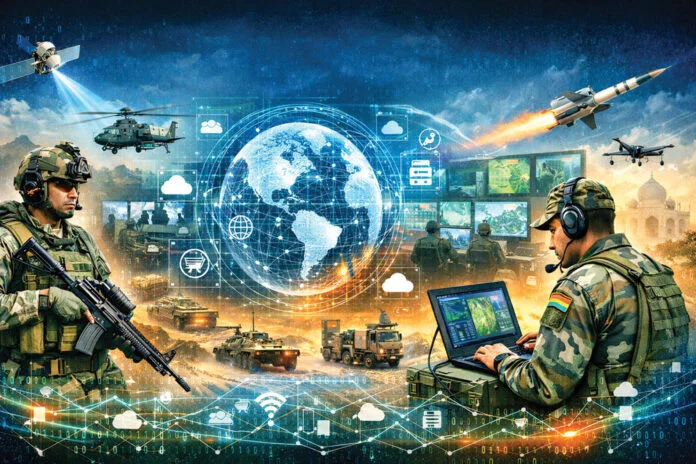
Thank you for reading this post, don't forget to subscribe!Modern warfare is no longer limited to soldiers, tanks, and guns. Today, warfare also includes cyber attacks, electronic warfare, drone attacks, space-based surveillance, and artificial intelligence. To stay secure, India must modernize its defense forces with advanced weapons and technologies.
What is Defense Modernization?
Defense modernization means improving and upgrading a country’s military systems, weapons, equipment, and technology so that the armed forces remain ready to face present and future threats.
This includes:
- Buying advanced weapons
- Developing new defense technologies
- Improving surveillance systems
- Strengthening cyber security
- Upgrading transport and communication systems
A strong defense system helps protect the nation from external attacks and discourages enemies from taking aggressive actions.
Why Does India Need Defense Modernization?
1. Better Combat Strength
Modern weapons improve the fighting ability of soldiers. Advanced fighter jets, missiles, tanks, and submarines help the military respond quickly during conflict.
2. Faster Operations
New communication systems allow better coordination between the Army, Navy, and Air Force. This improves response time during emergencies.
3. Joint Operations
Modern defense systems help all three armed forces work together efficiently. Better coordination increases operational success.
4. Rise of Hybrid Warfare
Today’s warfare includes:
- Cyber warfare
- Information warfare
- Electronic warfare
- Space warfare
- Drone warfare
Information warfare involves controlling or damaging enemy information systems while protecting one’s own systems.
Space warfare includes using satellites for communication, navigation, and surveillance. Since many military systems depend on satellites, protecting space assets has become important.
Main Focus of India’s Defense Modernization
India’s defense modernization mainly focuses on:
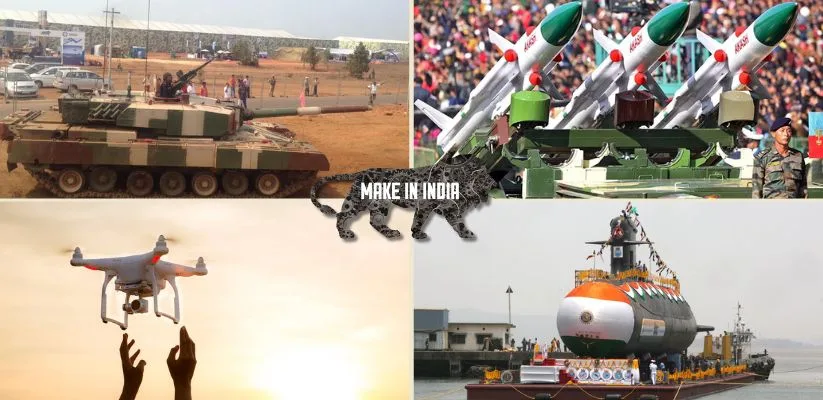
- Increasing domestic production under Make in India
- Reducing dependence on imports
- Promoting indigenous research
- Strengthening private sector participation
- Improving advanced technology development
India still imports a large share of defense equipment. Historically, major suppliers include Russia, France, the United States, and Israel.
Major Initiatives for Defense Modernization
Acquisition of Advanced Weapons
Rafale Fighter Jets
India inducted the Dassault Rafale fighter jets from France to strengthen air power.
Rafale is a powerful twin-engine combat aircraft capable of:
- Air-to-air combat
- Air-to-ground attacks
- Long-range strike missions
India purchased 36 Rafale jets and is planning more naval variants for aircraft carrier operations.
S-400 Air Defense System
India purchased the S-400 Triumf missile defense system from Russia.
Its key features:
- Range up to 400 km
- Can track multiple targets
- Can destroy aircraft, missiles, and drones
This system greatly improves India’s air defense.
Arjun Mk-1A Tank
The indigenous Arjun Mk-1A tank improves armored warfare capability.
It offers:
- Better firepower
- Strong protection
- Improved mobility
India is also working on domestic engines for these tanks.
Indigenous Defense Development
Tejas Fighter Aircraft
HAL Tejas is India’s indigenous Light Combat Aircraft.
It replaced old MiG-21 aircraft and was developed by:
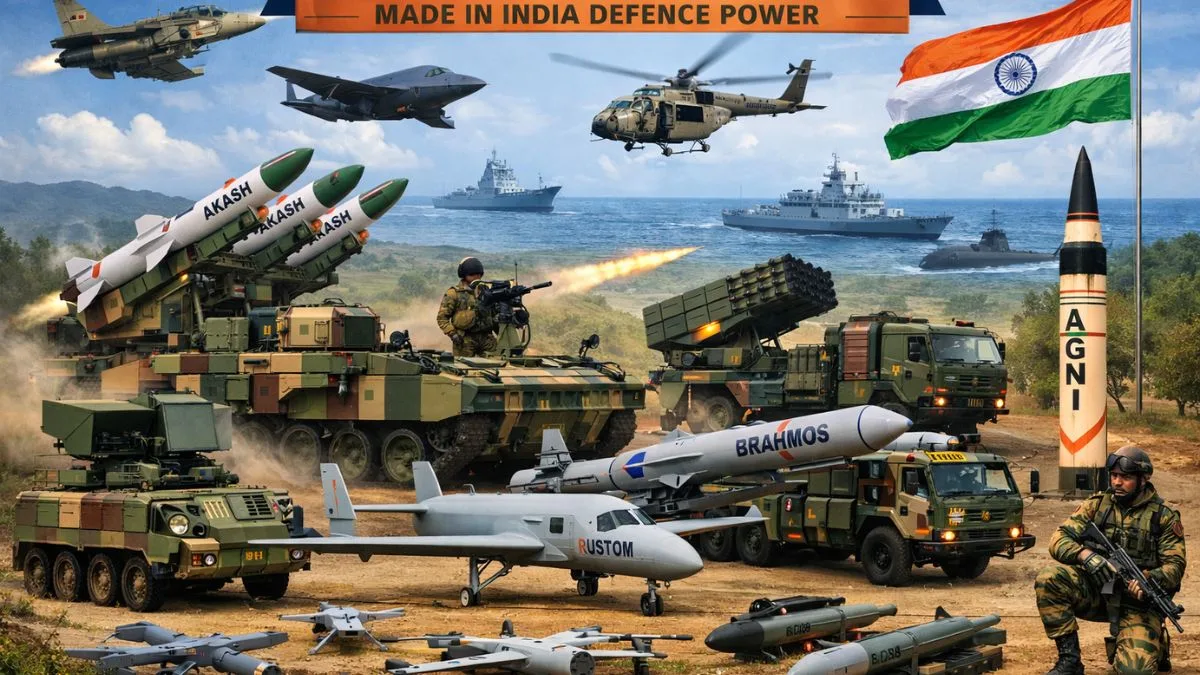
- Aeronautical Development Agency
- Hindustan Aeronautics Limited
Tejas features:
- Supersonic speed
- Air-to-air missiles
- Air-to-ground strike ability
- Precision-guided weapons
- Air refueling capability
Variants include:
- Tejas Trainer
- Navy Tejas
- Tejas Mk-1A
- Tejas Mk-2
INS Arihant
INS Arihant is India’s first nuclear-powered ballistic missile submarine.
It improves:
- Strategic deterrence
- Underwater attack capability
- Nuclear second-strike power
This strengthens India’s nuclear defense system.
Missile Systems
India has developed powerful missile systems.
Agni Missile Series
Agni missile missiles are long-range ballistic missiles with ranges from 700 km to 5000 km.
Prithvi Missile
Prithvi missile is a short-range surface-to-surface missile with ranges between 150–500 km.
BrahMos Missile
BrahMos is one of the fastest cruise missiles in the world.
Features:
- Speed around Mach 2.8
- Launch from land, air, sea, and submarine
- High precision strike capability
Technological Advancements
Network-Centric Warfare
Modern wars require real-time information sharing.
Projects include:
- Project Sanjay
- Project E-Sitrep
These systems help commanders receive battlefield information quickly.
Cyber Warfare
Cyber attacks can damage critical infrastructure such as:
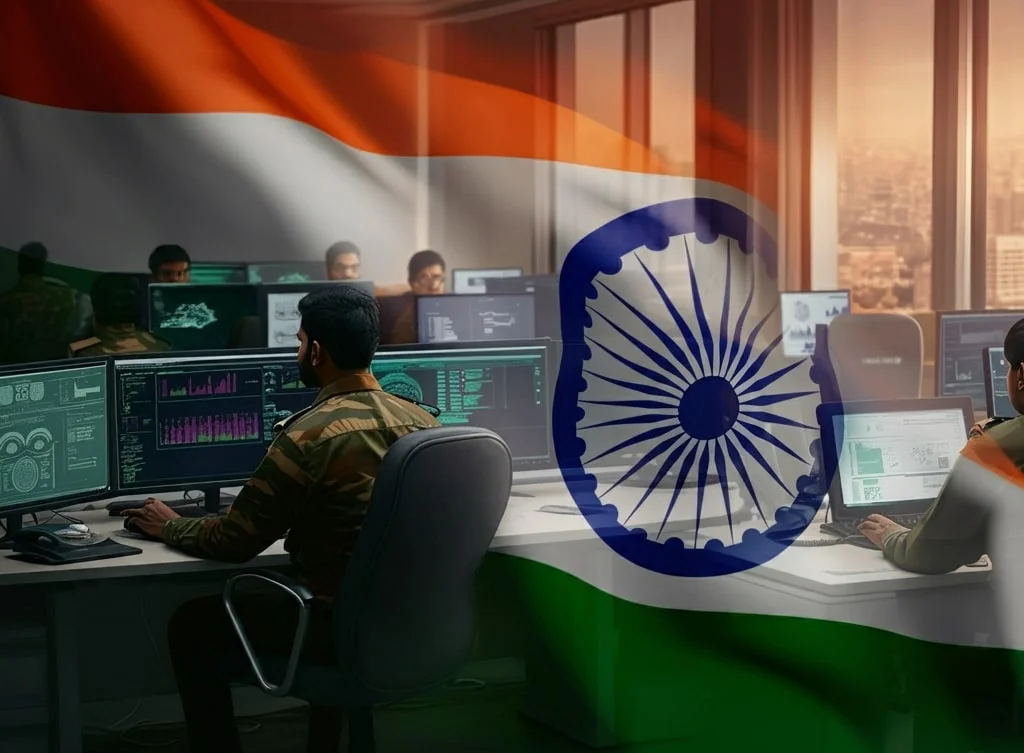
- Power grids
- Banking systems
- Communication networks
- Military databases
Important cyber initiatives include:
- National Cyber Security Policy
- Cyber laws
- CERT-In
CERT-In helps monitor and respond to cyber threats.
Artificial Intelligence and Robotics
AI is changing military operations.
AI helps in:
- Surveillance
- Intelligence gathering
- Logistics
- Drone operations
- Cyber defense
Autonomous drones and robotic systems are becoming increasingly important in modern warfare.
Airborne Surveillance
Netra AEW&C
Netra AEW&C provides aerial surveillance and command support.
Developed by Defence Research and Development Organisation, it improves threat detection.
iDEX Initiative
Innovations for Defence Excellence supports:
- Startups
- MSMEs
- Researchers
- Innovators
It encourages new defense technologies.
Infrastructure Development
Strong border infrastructure is essential.
India is improving:
- Border roads
- Railway connectivity
- Bridges
- Airbases
Advanced airbases in northeastern India improve rapid deployment near sensitive borders.
Recent Defense Reforms
Integrated Theatre Commands
India is planning Integrated Theatre Commands.
This means:
- Army
- Navy
- Air Force
will work under one unified commander in specific regions.
Benefits:
- Better coordination
- Faster decisions
- Efficient resource use
Agnipath Scheme
The Agnipath Scheme allows young Indians to serve in the armed forces for a fixed period.
Its aim is to:
- Create a younger force
- Reduce pension burden
- Improve readiness
Defense Production and Exports
Atmanirbhar Bharat
The government is promoting self-reliance in defense production.
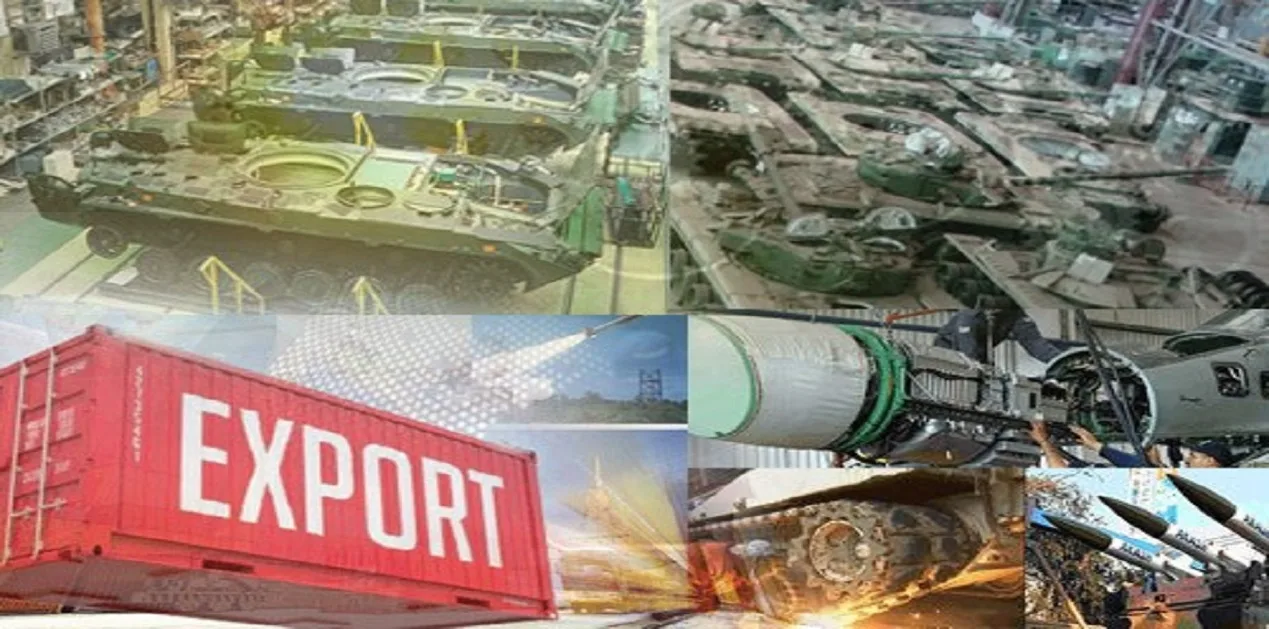
Major initiatives include:
- Defense Industrial Corridors
- SRIJAN Portal
- Startup challenges
- Export promotion policies
India’s defense manufacturing is growing steadily.
India is also exporting defense products to countries such as:
- Vietnam
- Philippines
- Australia
This improves India’s global defense position.
Challenges in India Defense Modernization
Budget Constraints
Defense modernization needs huge investment.
India must balance spending between:
- Defense
- Education
- Healthcare
- Infrastructure
- Welfare programs
Limited budgets slow modernization.
Slow Decision Making
Defense procurement often takes many years.
Problems include:
- Long approvals
- Bureaucratic delays
- Slow contracts
This delays weapon delivery.
Dependence on Imports
India still imports many critical defense systems.
Challenges include:
- Foreign dependency
- Delayed supplies
- High costs
Reducing imports remains a major goal.
Production Capacity Issues
Domestic industries still cannot fully meet military demand.
Problems include:
- Limited manufacturing capacity
- Technology gaps
- Delayed production
Private sector participation needs to grow.
Supply Chain Problems
Global shortages of semiconductors and electronic parts affect military production.
This causes:
- Delays
- Increased costs
- Dependence on imports
Geopolitical Risks
Global tensions affect defense planning.
Important concerns:
- Border conflicts
- Terrorism
- Supply chain disruptions
- Regional power competition
India must remain flexible and prepared.
Opportunities for India
Despite challenges, India has huge opportunities.
Strong Domestic Industry
India can build a strong defense manufacturing ecosystem by involving:
- Public sector units
- Private companies
- Startups
- Research institutes
More Jobs
Defense manufacturing can create millions of skilled jobs in:
- Engineering
- Manufacturing
- Electronics
- AI research
Economic Growth
A stronger defense industry can boost GDP through:
- Exports
- Manufacturing
- Innovation
Technological Leadership
Investment in:
- AI
- Robotics
- Cyber security
- Missile technology
- Space defense
can make India a major global defense technology leader.
Way Forward
India should focus on the following steps:
Increase R&D Investment
More funding for research institutions and private innovation is needed.
Faster Procurement
Simplifying procurement rules will reduce delays.
Stronger Private Sector Role
Private companies should receive better policy support and investment protection.
Specialized Talent
India needs experts in:
- Cyber security
- AI
- Robotics
- Space technology
Maritime Security
India should strengthen ports, naval infrastructure, and maritime coordination.
India Defense Modernization will decide how well the country can handle future threats. Modern warfare is becoming technology-driven, and military strength now depends heavily on innovation. By reducing import dependence and improving indigenous defense production, India can become self-reliant and emerge as a major global defense power.
FAQs
1. What is India Defense Modernization?
It means upgrading India’s military with advanced weapons, technology, and better infrastructure.
2. Why is defense modernization important for India?
It helps India face threats like border tensions, terrorism, cyber attacks, and modern warfare.
3. What is Tejas aircraft?
HAL Tejas is an indigenous fighter jet developed in India for the Air Force.
4. What is BrahMos missile?
BrahMos is a high-speed cruise missile jointly developed by India and Russia.
5. What are the biggest challenges in defense modernization?
Major challenges include budget limits, import dependency, slow procurement, and technology gaps.