


Globalization 4.0: The New Era of Technology and Global Growth

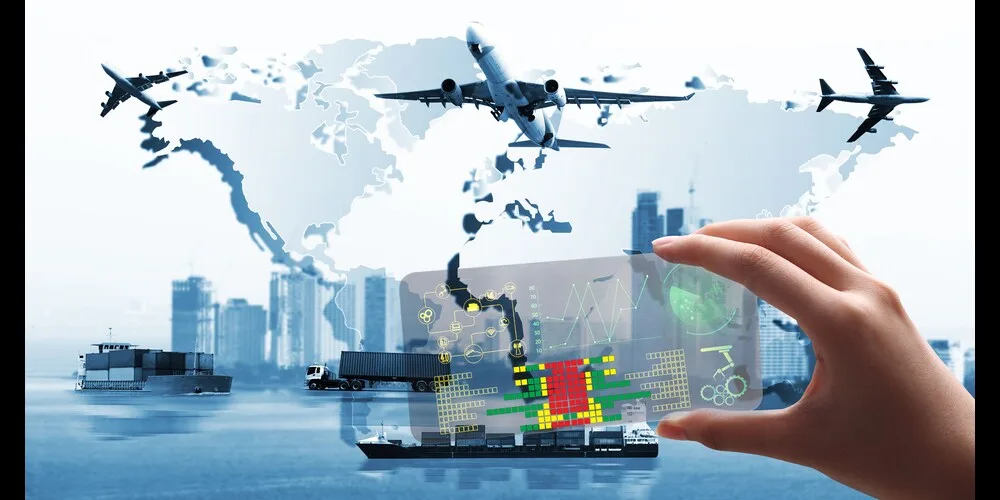
Globalization 4.0 is the latest stage of globalization that is transforming the world through advanced technologies such as Artificial Intelligence (AI), Big Data, Cloud Computing, Robotics, and the Internet of Things (IoT). The concept gained global attention when it became the theme of the annual meeting of the World Economic Forum held in Davos in 2019.
Today, countries, businesses, and people are becoming more connected than ever before. Information travels across the world in seconds, and technology is changing how we work, learn, communicate, and do business. Globalization 4.0 is not just about trade between countries; it is about digital connectivity, innovation, and the future of work.

What is Globalization?
Globalization refers to the increasing interaction and integration of people, companies, and governments across the world. It is driven by the movement of goods, services, ideas, information, and people across national borders.
Over the years, globalization has evolved through different stages. Each stage has been influenced by technological advancements and changes in the global economy.
Evolution of Globalization
Globalization 1.0: The First Wave
The first phase of globalization existed before the First World War. During this period, transportation costs decreased significantly, making international trade easier and cheaper.
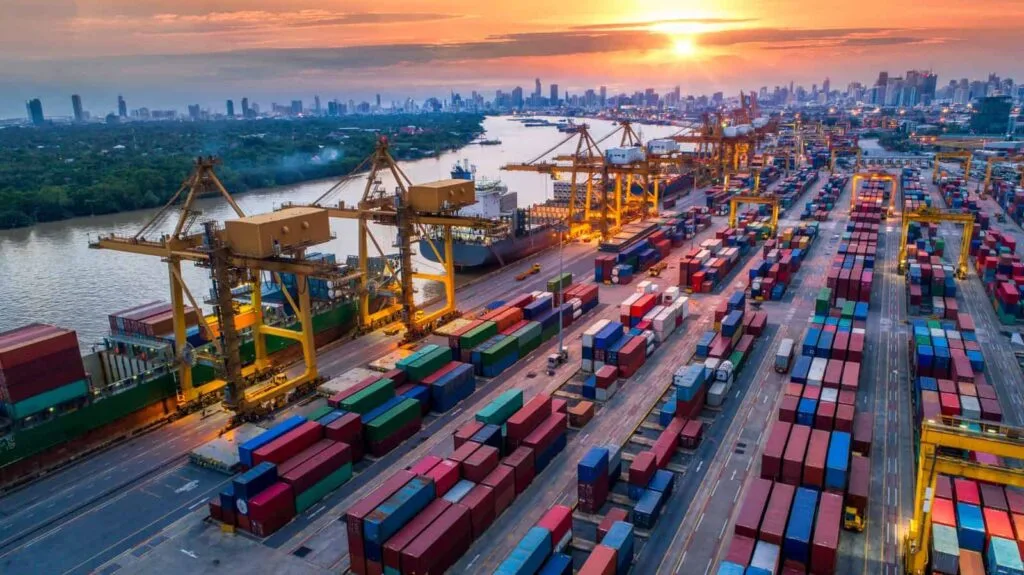
Key features included:
- Expansion of international trade
- Growth in shipping and transportation
- Limited government involvement
- Absence of global institutions or governance systems
This phase connected countries mainly through the exchange of goods and raw materials.
Globalization 2.0: The Post-World War Era
After the Second World War, globalization entered a new phase. Countries realized the importance of international cooperation and established several global institutions.
Major developments included:
- Expansion of international trade
- Government support for economic growth
- Creation of global institutions
- Rule-based international governance
Important organizations established during this period include:
- United Nations
- International Monetary Fund
- World Bank
- World Trade Organization
- International Labour Organization
This phase focused on balancing economic efficiency with social justice.
Globalization 3.0: The Manufacturing Revolution
Globalization 3.0 emerged with the rise of global supply chains and international manufacturing networks.
Its main features were:
- Movement of factories across borders
- Combination of advanced technology and low-cost labor
- Growth of multinational companies
- Expansion of global value chains
Manufacturing activities shifted from developed countries to developing nations where labor costs were lower. This helped many countries increase exports and economic growth.
Understanding Globalization 4.0
Globalization 4.0 represents a new stage where digital technologies play the most important role. Unlike earlier phases that focused mainly on physical goods, this stage focuses on data, knowledge, services, and innovation.
Advanced technologies are reducing distances between countries and enabling people to work together regardless of location.
Some of the technologies driving Globalization 4.0 include:
- Artificial Intelligence (AI)
- Machine Learning
- Big Data Analytics
- Cloud Computing
- Blockchain
- Internet of Things (IoT)
- Robotics
- 3D Printing
- High-Speed Internet
- Digital Platforms
These technologies are creating a more connected global economy.
Relationship Between Globalization 4.0 and Industry 4.0
Globalization 4.0 is closely linked with Industry 4.0, also known as the Fourth Industrial Revolution.
Industry 4.0 combines digital technologies with manufacturing and business operations. It creates smart systems where machines, computers, and humans work together.
Major technologies of Industry 4.0 include:
| Technology | Purpose |
|---|---|
| Artificial Intelligence | Automated decision-making |
| Internet of Things | Connected devices and machines |
| Big Data | Data analysis and insights |
| Cloud Computing | Online storage and processing |
| Robotics | Automated industrial operations |
| 3D Printing | Advanced manufacturing |
| Autonomous Vehicles | Self-driving transportation |
| Cyber-Physical Systems | Integration of digital and physical systems |
These technologies are transforming industries across the world.
Key Characteristics of Globalization 4.0
1. Major Impact on the Service Sector
Earlier phases of globalization mainly affected manufacturing industries. However, Globalization 4.0 is creating significant changes in service industries.
Professionals such as:
- Accountants
- Architects
- Graphic Designers
- Software Developers
- Digital Marketers
- Content Creators
can now provide services globally through digital platforms.
2. Digital Competition Across Borders
Companies can hire skilled workers from different countries without requiring them to relocate.
This creates opportunities for talented individuals but also increases competition in the global job market.
3. Tele-Migration
One of the most important developments is tele-migration.
Tele-migration means skilled professionals can work for foreign companies while staying in their home country.
For example:
- An Indian software developer can work for a company in Europe.
- A graphic designer in Asia can serve clients in North America.
- An online teacher can educate students worldwide.
This trend is growing rapidly due to better internet connectivity.
4. Faster Information Flow
Digital technologies allow information to move instantly across the globe.
People can:
- Learn online
- Work remotely
- Conduct international business
- Collaborate in real time
This has increased global connectivity and knowledge sharing.
Benefits of Globalization 4.0
Increased Economic Opportunities
Technology is creating new industries and employment opportunities.
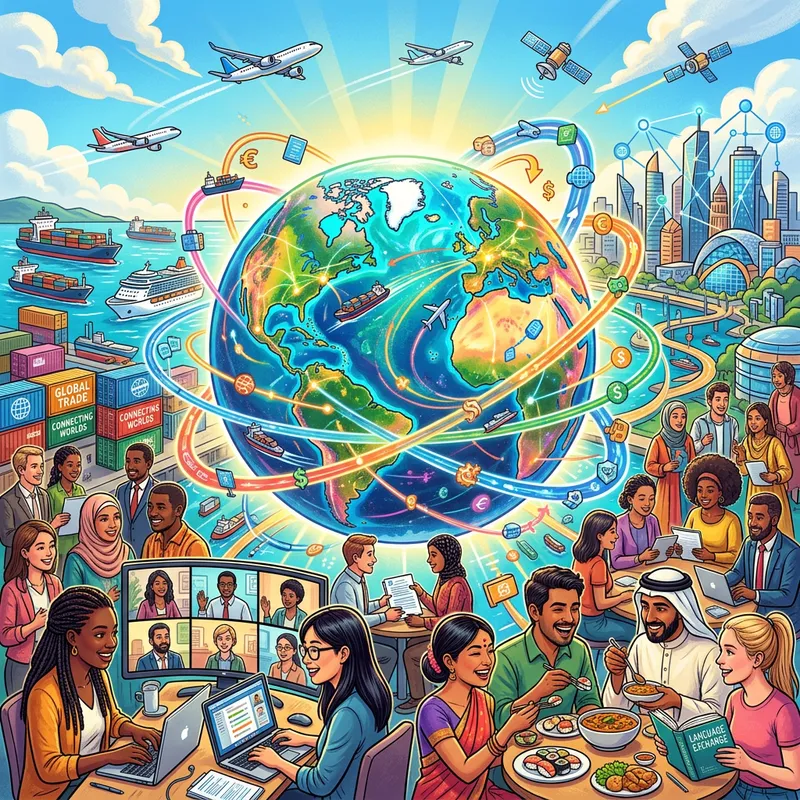
Examples include:
- Artificial Intelligence
- Data Science
- Cybersecurity
- Digital Marketing
- E-commerce
Improved Innovation
Countries can share ideas and technologies more easily, leading to faster innovation.
Better Access to Education
Online learning platforms allow students to access quality education regardless of location.
Global Collaboration
Researchers, scientists, and businesses can work together to solve global challenges.
Growth of Digital Economy
Digital businesses can reach customers worldwide, helping small businesses expand internationally.
Challenges of Globalization 4.0
Despite its benefits, Globalization 4.0 also creates several challenges.
Political Tensions and Global Conflicts
Even though countries are more connected, political disagreements and international conflicts continue to exist.
Global interdependence can sometimes increase tensions between nations.
Economic Exclusion
Not everyone has access to advanced technology and education.
People lacking digital skills may struggle to find employment in the new economy.
Rising Income Inequality
Technology can create wealth, but the benefits may not be distributed equally.
Highly skilled workers often earn more, while low-skilled workers may face job insecurity.
Skill Gap
Many traditional jobs are changing or disappearing due to automation.
Workers need new skills to remain competitive in the job market.
Ethical and Legal Concerns
Technologies such as AI raise important questions regarding:
- Privacy
- Data security
- Cybercrime
- Algorithm bias
- Digital rights
Many countries are still developing laws to address these issues.
Infrastructure Challenges
Developing countries need strong digital infrastructure to benefit from Globalization 4.0.
This includes:
- Reliable internet access
- Data centers
- Technology parks
- Digital services
- Skilled workforce
Without these resources, countries may struggle to compete globally.
Challenges for Developing Countries
Many developed countries benefited greatly from earlier industrial revolutions. However, several developing nations did not gain the same advantages.
Globalization 4.0 may widen this gap if countries fail to invest in:
- Education
- Technology
- Infrastructure
- Research and Development
Countries in Africa, Asia, and Latin America face the challenge of preparing their populations for the digital future.
India’s Role in Globalization 4.0
India has significant opportunities in the era of Globalization 4.0.
Advantages include:
- Large young population
- Growing digital economy
- Strong IT sector
- Expanding startup ecosystem
However, India must focus on:
- Digital skill development
- Quality education
- Innovation
- Infrastructure improvement
- Employment generation
If these areas are strengthened, India can become a major global technology hub.
The Way Forward
Strengthen Local Economies
Governments should develop strong local industries while connecting them to global markets.
Focus on Inclusive Growth
The benefits of technology should reach all sections of society, including rural and disadvantaged communities.
Invest in Education and Skills
Future jobs will require digital and technical skills.
Schools and colleges should update their curriculum to prepare students for changing job markets.
Encourage Innovation
Countries should support startups, research institutions, and technological innovation.
Address Climate Change
Global cooperation is necessary to tackle climate change while promoting economic growth.
Protect Vulnerable Groups
Policies should ensure that workers affected by automation receive training and support.
Importance of Education in Globalization 4.0
Education plays a critical role in preparing people for the future.
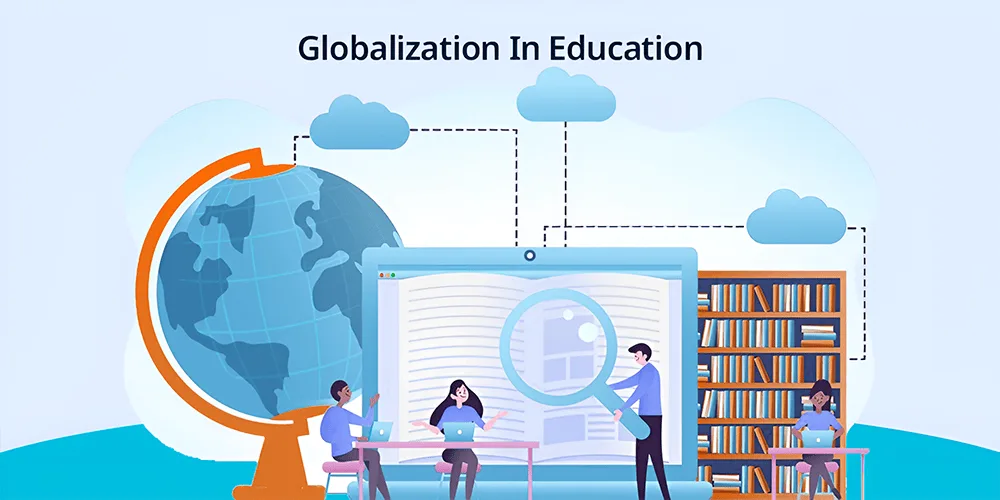
Students should learn:
- Digital literacy
- Coding
- Critical thinking
- Problem-solving
- Communication skills
- Creativity
Countries such as New Zealand have already introduced technology-focused curricula to prepare students for the digital economy.
Educational reforms will help future generations adapt to changing workplace requirements.
Final Thoughts
Globalization 4.0 represents a major transformation in the global economy. Powered by advanced technologies, it offers opportunities for innovation, growth, and international cooperation. At the same time, it presents challenges such as inequality, skill gaps, and ethical concerns.
Countries that invest in education, technology, infrastructure, and inclusive development will be better positioned to benefit from this new era. As the world becomes increasingly digital and interconnected, preparing people with the right skills and knowledge will be essential for sustainable growth and prosperity.
FAQs
Q1. What is Globalization 4.0?
Globalization 4.0 is the latest phase of globalization driven by technologies such as Artificial Intelligence, Big Data, Cloud Computing, and the Internet of Things.
Q2. Why is Globalization 4.0 important?
It connects people, businesses, and countries through digital technologies, creating new opportunities for growth and innovation.
Q3. How is Globalization 4.0 different from earlier globalization?
Earlier globalization focused mainly on trade and manufacturing, while Globalization 4.0 focuses on digital technology, data, and services.
Q4. What is tele-migration?
Tele-migration allows people to work for companies in other countries without physically moving there.
Q5. What challenges does Globalization 4.0 create?
Major challenges include income inequality, job displacement, skill gaps, cybersecurity risks, and infrastructure limitations.
Q6. How can India benefit from Globalization 4.0?
India can benefit by improving digital skills, strengthening infrastructure, promoting innovation, and expanding its technology sector.