
India Nepal Relations: History, Importance, Challenges and Future Cooperation

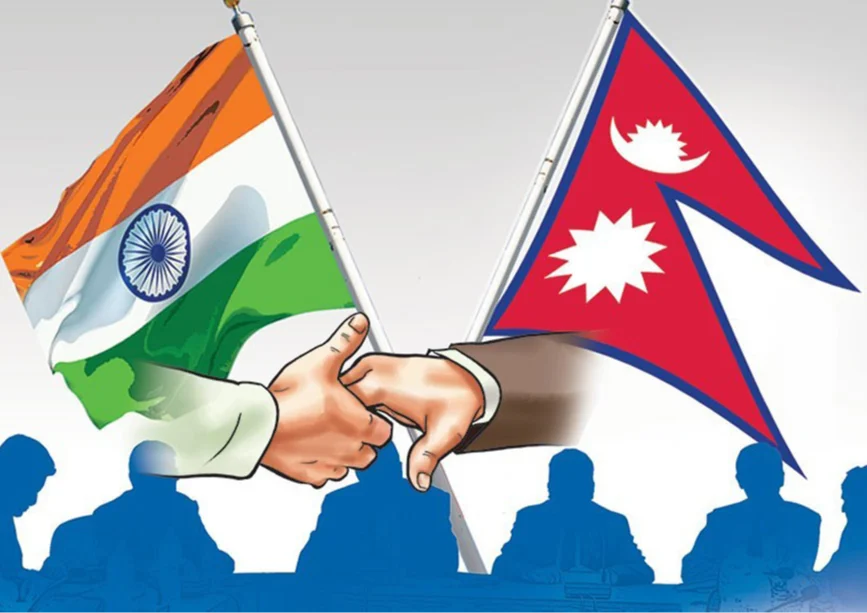
India Nepal Relations have always been strong because of shared history, culture, religion, trade, and geography. India and Nepal enjoy friendly ties that go back hundreds of years. The people of both countries have close family, cultural, and religious connections. They also share an open border, making travel and trade easier.
Thank you for reading this post, don't forget to subscribe!In recent years, both countries have worked together on infrastructure, connectivity, energy, education, and tourism projects. Although there are some disagreements, India and Nepal continue to strengthen their partnership through regular talks and cooperation.
India Nepal Relations Overview
| Particular | Details |
|---|---|
| Focus Keyword | India Nepal Relations |
| Capital of Nepal | Kathmandu |
| Shared Border | Around 1,850 km |
| Open Border | Yes |
| Main Treaty | India-Nepal Treaty of Peace and Friendship, 1950 |
| Major Areas of Cooperation | Trade, Hydropower, Defence, Culture, Tourism, Education |
| Important Indian Policy | Neighbourhood First Policy |
Historical Background of India Nepal Relations
India and Nepal have shared close ties for centuries. Their relationship is based on common traditions, religion, language, and culture.
Both countries have deep roots in Hinduism and Buddhism. Nepal is the birthplace of Lord Buddha at Lumbini, while India is home to many important Buddhist and Hindu pilgrimage sites.
People from both countries freely visit each other for religious purposes, education, employment, and family gatherings.
The relationship is often described as “Roti-Beti Ka Rishta,” which means strong family and marriage connections between the people of India and Nepal.
India Nepal Treaty of Peace and Friendship 1950
The India-Nepal Treaty of Peace and Friendship, signed in 1950, is one of the most important agreements between the two countries.
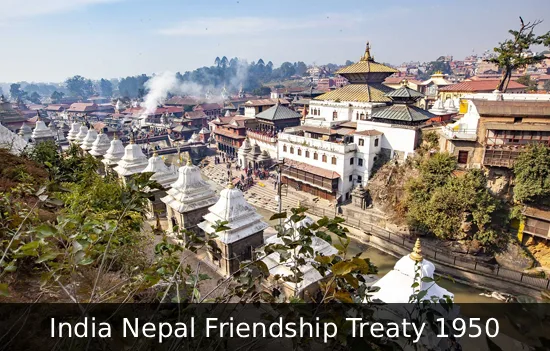
The treaty provides:
- Open movement of people across the border.
- Equal treatment for citizens in residence and business.
- Easy trade and economic cooperation.
- Security cooperation between both countries.
- Access for Nepal to purchase defence equipment from India.
This treaty has played a major role in strengthening bilateral relations for more than seven decades.
Why India Nepal Relations Are Important
Nepal is one of India’s closest neighbours. The relationship is important for many reasons.
1. Strategic Importance
Nepal lies between India and China, making it strategically important.
A peaceful Nepal helps maintain security in India’s northern region.
2. Shared Border
Nepal shares its border with five Indian states:
The open border supports trade, tourism, employment, and family visits.
3. Cultural Connection
People in both countries celebrate many common festivals such as:
- Diwali
- Holi
- Dashain
- Chhath
- Buddha Purnima
Religious tourism remains an important part of the relationship.
4. Water Resources
Many rivers flowing from Nepal enter India.
These rivers support:
- Agriculture
- Drinking water
- Hydropower
- Irrigation
- Flood management
5. Economic Importance
Nepal depends heavily on India for trade and transportation.
India is Nepal’s largest trading partner and one of its biggest investors.
Major Areas of Cooperation
Trade and Economy
Trade between India and Nepal continues to grow every year.
India exports:
- Petroleum products
- Machinery
- Medicines
- Food items
- Consumer goods
Nepal exports:
- Agricultural products
- Tea
- Cardamom
- Herbs
- Handicrafts
- Textiles
Many Indian companies have invested in banking, tourism, manufacturing, and energy sectors in Nepal.
Connectivity Projects
Both countries are improving transport and communication.
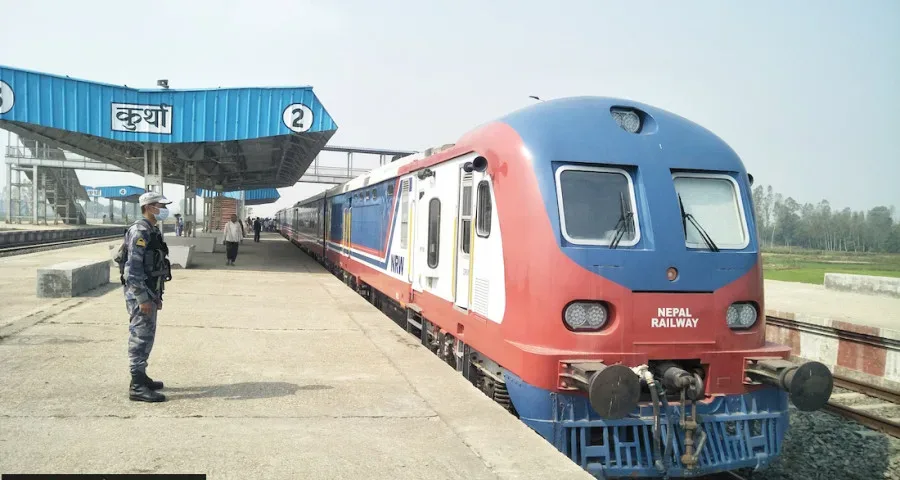
Major projects include:
| Project | Purpose |
|---|---|
| Jayanagar–Kurtha Railway | Better rail connectivity |
| Raxaul–Kathmandu Railway | Proposed railway project |
| Integrated Check Posts | Faster border trade |
| Cross-border Roads | Easier movement |
| Transmission Lines | Electricity trade |
Improved connectivity benefits businesses, tourists, and local communities.
Development Assistance
India supports many development projects in Nepal.
These include:
- Schools
- Hospitals
- Roads
- Bridges
- Health centres
- Drinking water projects
- Rural development
India also provides financial and technical support for infrastructure projects.
Defence Cooperation
India and Nepal have strong military ties.
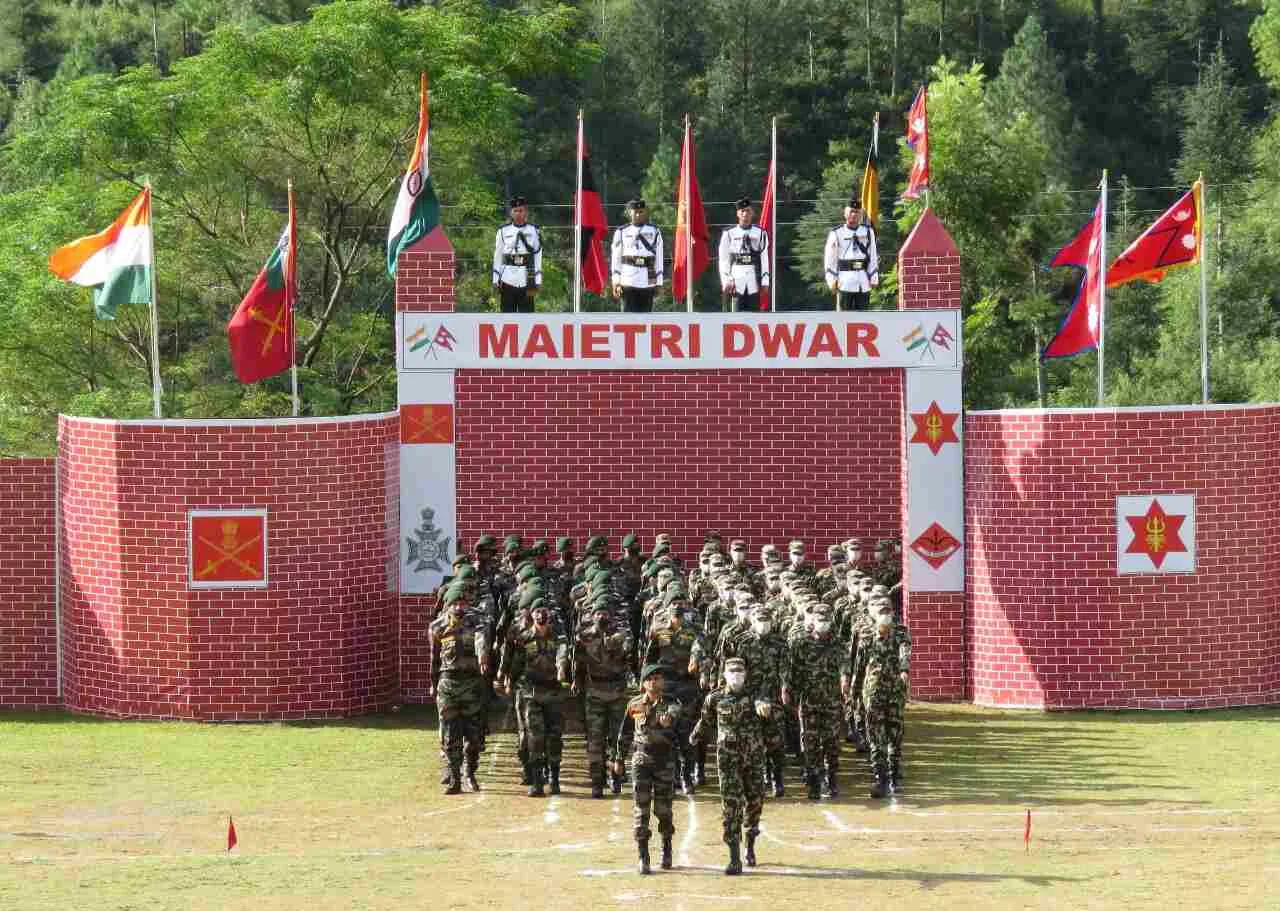
Important areas include:
- Joint military exercise Surya Kiran
- Military training
- Supply of defence equipment
- Disaster response cooperation
Many Nepali citizens also serve in the famous Gorkha Regiments of the Indian Army.
Cultural Cooperation
Culture remains one of the strongest pillars of India Nepal Relations.
Important cultural partnerships include:
- Kathmandu–Varanasi Sister City Agreement
- Lumbini–Bodh Gaya Partnership
- Janakpur–Ayodhya Cultural Link
These initiatives promote tourism, education, and cultural exchange.
Humanitarian Assistance
Nepal frequently experiences earthquakes and floods.
India has provided emergency relief by sending:
- Rescue teams
- Medicines
- Food
- Temporary shelters
- Medical equipment
India’s quick response during natural disasters has strengthened bilateral friendship.
Recent Developments in India Nepal Relations
Several important projects have been launched in recent years.
Arun III Hydropower Project
India is developing the 900 MW Arun III Hydropower Project in eastern Nepal.
The project will increase electricity production and improve Nepal’s economy.
Arun IV Hydropower Project
Both countries signed an agreement for the Arun IV Hydropower Project, which will further increase power generation.
Buddhist Cultural Centre at Lumbini
India is helping build the India International Centre for Buddhist Culture and Heritage at Lumbini.

The centre will attract scholars, pilgrims, and tourists from around the world.
Cross-Border Railway
The Jayanagar–Kurtha railway has improved travel between India and Nepal.
Future extensions will connect more cities.
Transmission Line Project
A new transmission line has been developed to improve electricity exchange between both countries.
Education Cooperation
India has proposed establishing an IIT satellite campus in Nepal to promote higher education and technical learning.
Multilateral Cooperation
India and Nepal work together in several regional organizations.
These include:
- SAARC
- BIMSTEC
- BBIN
- International Solar Alliance
- Non-Aligned Movement
These platforms help improve regional cooperation and economic development.
Challenges in India Nepal Relations
Despite strong friendship, several issues remain.
Border Disputes
The Kalapani, Lipulekh, Limpiyadhura, and Susta regions remain disputed.
Both countries have different historical claims regarding these areas.
Regular dialogue is needed for peaceful solutions.
Concerns About the 1950 Treaty
Many political groups in Nepal believe the 1950 Treaty should be updated to reflect present-day realities.
India has also shown willingness to discuss possible changes through mutual agreement.
China’s Growing Presence
China has increased investments in Nepal through infrastructure and development projects.
This creates strategic concerns for India because Nepal lies between both countries.
India aims to maintain strong ties through development and cooperation rather than competition.
Open Border Security
The open border sometimes creates security challenges such as:
- Illegal trade
- Smuggling
- Fake currency
- Human trafficking
- Cross-border crime
Both governments continue working together to improve border management.
Delay in Development Projects
Some infrastructure projects have progressed slowly due to administrative delays, funding issues, and political changes.
Faster implementation will improve trust between both nations.
Public Perception
At times, misunderstandings and political statements create negative feelings among some groups.
People-to-people exchanges can help reduce these misunderstandings.
Future Opportunities
India Nepal Relations have great potential for future growth.
Both countries can work together in:
- Renewable energy
- Hydropower exports
- Tourism
- Digital connectivity
- Education
- Agriculture
- Healthcare
- Disaster management
- Climate change
- Border infrastructure
Greater cooperation will benefit both economies.
Steps to Strengthen India Nepal Relations
Some important measures can further improve bilateral relations.
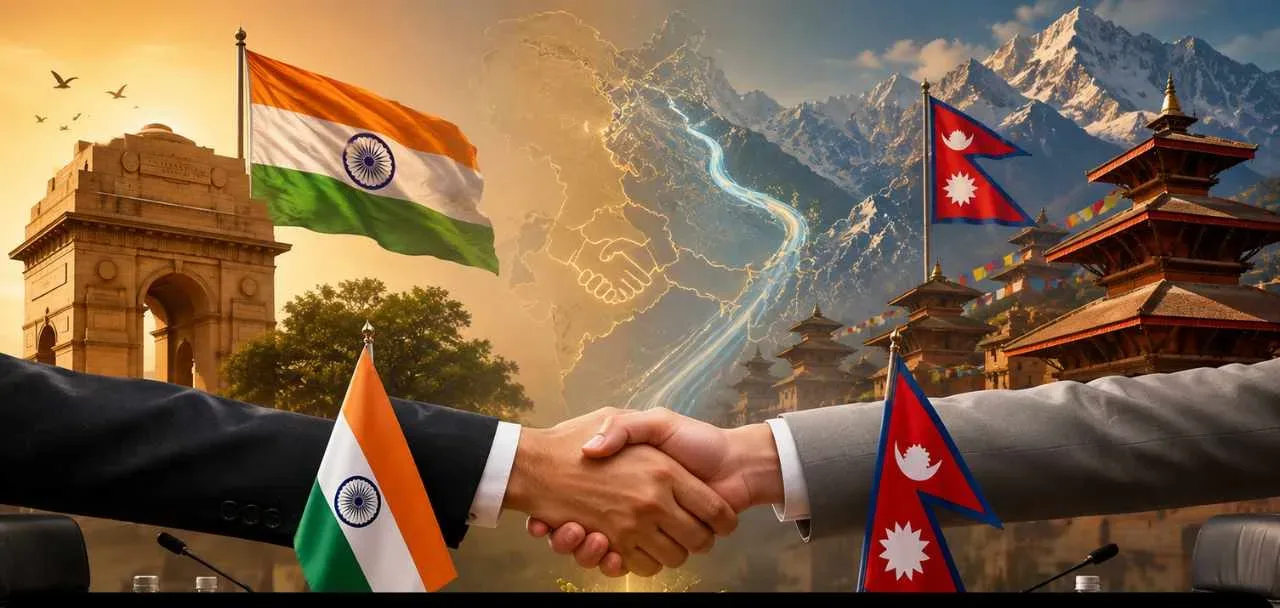
- Continue regular diplomatic dialogue.
- Resolve border issues peacefully.
- Increase trade and investment.
- Complete infrastructure projects on time.
- Expand railway and road connectivity.
- Promote religious and cultural tourism.
- Encourage student exchange programmes.
- Strengthen energy cooperation.
- Improve border security while maintaining easy movement.
- Increase cooperation in disaster management.
Why India Nepal Relations Matter
A strong partnership between India and Nepal supports peace, regional stability, economic growth, and cultural harmony.
Both countries share more than just a border. They share history, traditions, religions, languages, and family relationships. Their cooperation also contributes to the development of South Asia.
With continuous dialogue, mutual respect, and balanced cooperation, India Nepal Relations are expected to become even stronger in the coming years.
FAQs
What are India Nepal Relations?
India Nepal Relations refer to the political, economic, cultural, security, and historical partnership between India and Nepal.
Why is Nepal important to India?
Nepal is important because of its strategic location, shared border, cultural ties, water resources, and economic cooperation.
What is the India Nepal Treaty of Peace and Friendship?
It is a treaty signed in 1950 that allows open borders, close economic cooperation, and friendly relations between the two countries.
What are the major challenges in India Nepal Relations?
Major challenges include border disputes, treaty-related concerns, security issues, project delays, and China’s increasing influence in Nepal.
What are the major areas of cooperation?
The main areas include trade, defence, hydropower, connectivity, education, tourism, culture, and disaster management.
Which Indian states share a border with Nepal?
Nepal shares its border with Uttarakhand, Uttar Pradesh, Bihar, West Bengal, and Sikkim.