



Navi Mumbai Airport Drug Imports Boost Trade

Navi Mumbai Airport Drug Imports have become an important development in India’s healthcare and logistics sector. The government has officially approved Navi Mumbai Airport in Maharashtra as a new entry point for importing medicines and pharmaceutical products. This move is expected to make the process of bringing essential drugs into the country faster and more efficient.
Thank you for reading this post, don't forget to subscribe!The decision was announced on 8 July 2026 by the Ministry of Health and Family Welfare. With this update, the total number of approved entry points for drug imports across India has increased, strengthening the country’s ability to handle medical supplies through multiple routes.
Legal Framework Behind Drug Imports
India follows a structured legal system for the import of medicines. The process is guided by specific rules that ensure safety, quality, and proper regulation of pharmaceutical products entering the country.
These rules are part of a broader legal framework that controls how drugs are imported, manufactured, and sold. The inclusion of Navi Mumbai Airport under this system ensures that all imports through this route will follow the same strict standards.
This step reflects the government’s effort to maintain safety while also improving ease of doing business in the pharmaceutical sector.

Navi Mumbai Airport Drug Imports and Modern Infrastructure
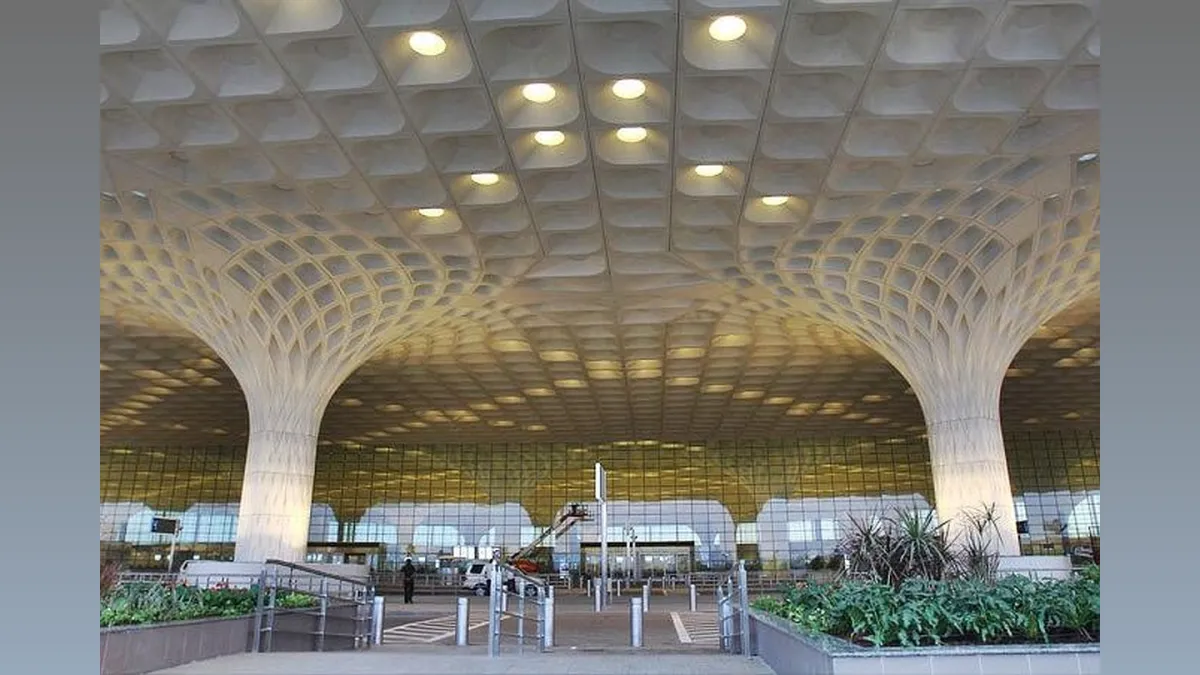
The Navi Mumbai Airport Drug Imports decision highlights the growing importance of modern infrastructure in supporting healthcare needs. Airports today are not just travel hubs; they also play a key role in handling cargo, especially sensitive goods like medicines.
With advanced facilities and better connectivity, Navi Mumbai Airport is expected to handle a wide range of pharmaceutical products. These include finished medicines, raw materials, and other healthcare-related supplies.
This development also supports the idea of building smarter and more efficient logistics networks across the country.
Role of Expert Advisory Systems
Before making such decisions, the government consults expert bodies that provide technical advice. These groups help ensure that every step taken is safe, effective, and beneficial for the public.
The approval of Navi Mumbai Airport followed such expert consultation. This ensures that the new entry point meets all necessary requirements for handling pharmaceutical imports.
Expert guidance plays a crucial role in maintaining high standards in the healthcare system, especially when it comes to imported products.
Strengthening Pharmaceutical Supply Chains
India is one of the largest producers of medicines in the world, but it also imports certain types of drugs and raw materials. Efficient import systems are important to keep the supply chain running smoothly.
By adding a new airport for drug imports, the government is reducing pressure on existing ports and creating more options for transport. This helps avoid delays and ensures that medicines reach their destinations on time.
The move is especially useful during times of high demand, such as health emergencies or global supply disruptions.
Trade and Logistics Growth
The addition of Navi Mumbai Airport is also linked to broader developments in trade and logistics. Maharashtra is a major hub for industries, including pharmaceuticals, and has strong connections to both domestic and international markets.
Improved logistics support can help businesses move goods faster and at lower costs. This benefits not only companies but also consumers, as it can lead to better availability of medicines.
As global trade continues to grow, having multiple entry points for goods becomes increasingly important.
Navi Mumbai Airport Drug Imports and Regional Advantage
The Navi Mumbai Airport Drug Imports initiative gives a strategic advantage to western India. The airport is located close to major industrial areas, making it easier for companies to receive and distribute pharmaceutical products.
This reduces travel time and improves efficiency in handling shipments. It also helps in better coordination between manufacturers, suppliers, and distributors.
Such regional advantages play a key role in building strong and reliable supply chains.
Impact on Healthcare Access
Better import facilities can directly improve access to medicines. When drugs are transported quickly and efficiently, they can reach hospitals, pharmacies, and patients without unnecessary delays.
This is especially important for life-saving medicines and critical healthcare supplies. Faster imports mean better preparedness and response in the healthcare system.
Improving access to medicines remains a key priority, and steps like this support that goal.
Focus on Future-Ready Systems
The approval of Navi Mumbai Airport reflects a shift towards future-ready systems in India. With growing demand for healthcare products, the need for efficient logistics is higher than ever.
Technology, infrastructure, and policy changes are working together to create a more reliable system. This includes better tracking, faster processing, and improved coordination across different sectors.
Such developments are essential as the country continues to expand its role in global healthcare and pharmaceutical markets.