

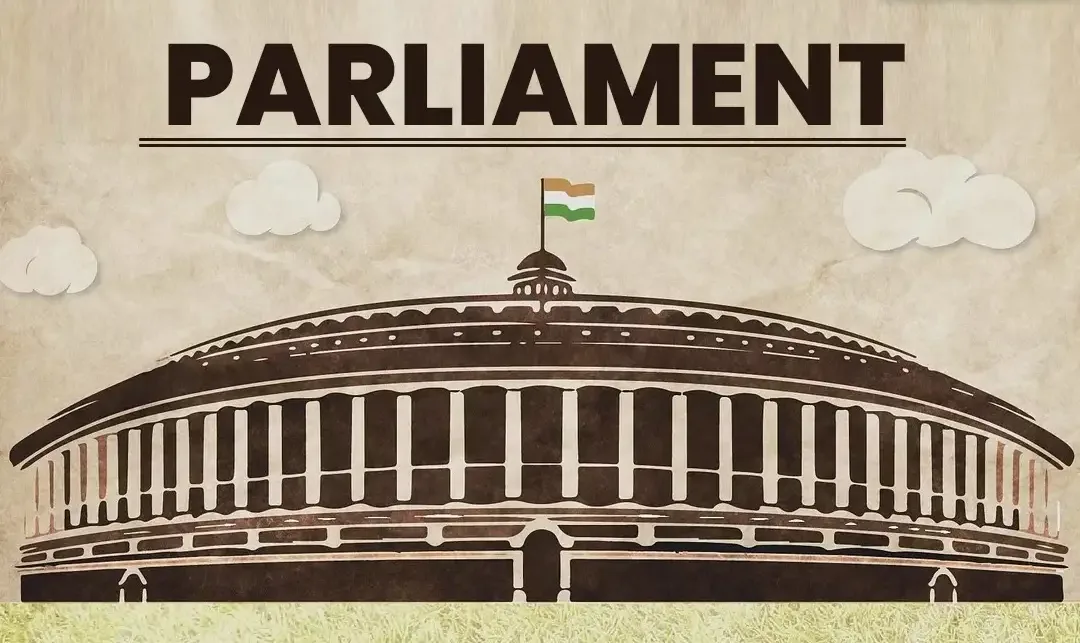
Parliament of India: Structure, Powers and Functions(Part-I)

Parliament of India is the highest law-making body of the country. It is an important part of India’s democratic system. Every law that governs the nation is discussed and passed through Parliament. It also keeps the government accountable and ensures that the country’s money is used properly. The Parliament represents the voice of the people and the states.
Thank you for reading this post, don't forget to subscribe!India follows the parliamentary system of government, which is based on the British Westminster model. The Constitution of India gives Parliament several important powers and responsibilities. Articles 79 to 122 of the Constitution explain the structure, powers, and working of Parliament.
What is Parliament of India?
Parliament of India is the supreme legislative body of the Union Government. It consists of three parts:
| Part of Parliament | Role |
|---|---|
| President of India | Gives approval to bills and performs constitutional duties |
| Rajya Sabha | Represents the States and Union Territories |
| Lok Sabha | Represents the people of India |
A bill becomes a law only after it is passed by both Houses of Parliament and receives the approval of the President.
History of Parliament of India
After India became independent, the Constitution came into force on 26 January 1950. The first general election was held during 1951–52. After these elections, the first elected Parliament started working in April 1952.
Since then, Parliament has played a major role in making laws, approving budgets, and protecting democracy.
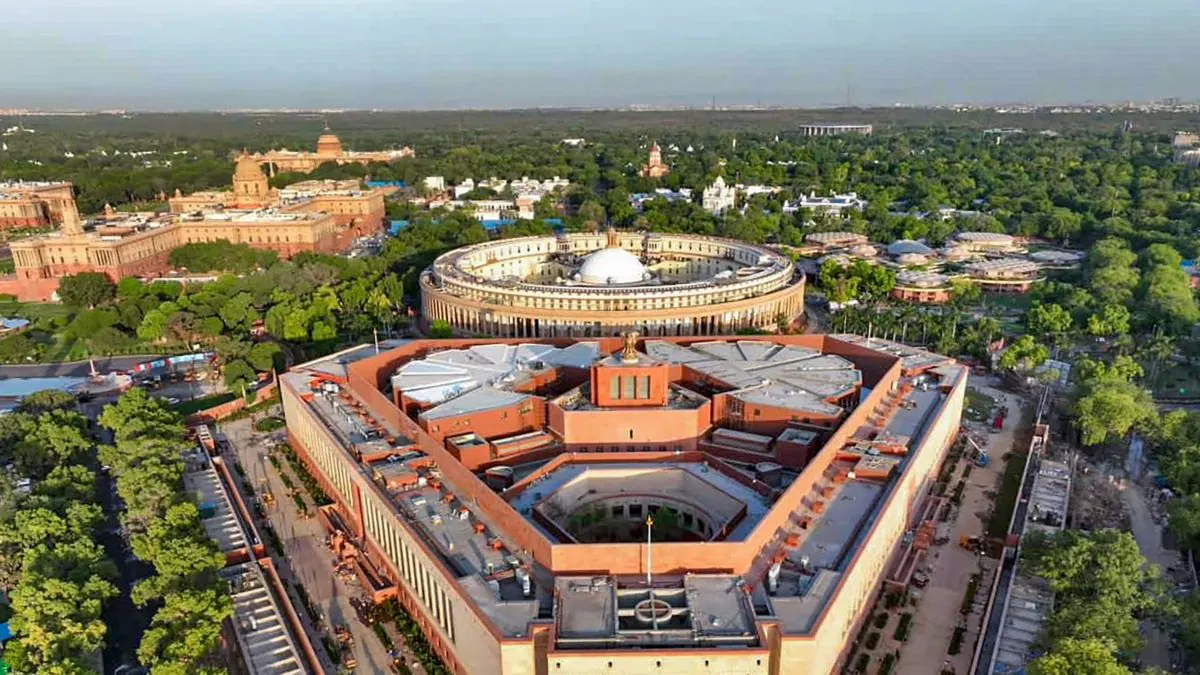
Structure of Parliament of India
The Parliament has three important parts:
- President of India
- Rajya Sabha
- Lok Sabha
Each part has different responsibilities but works together to make laws and govern the country.
Rajya Sabha
Rajya Sabha is known as the Upper House or the Council of States. It represents the interests of the states and Union Territories.
Unlike Lok Sabha, Rajya Sabha is a permanent House. It is never dissolved completely. Every two years, one-third of its members retire, and new members are elected.
Composition of Rajya Sabha
| Feature | Details |
| Maximum Strength | 250 Members |
| Present Strength | 245 Members |
| Elected Members | Representatives of States and Union Territories |
| Nominated Members | 12 members nominated by the President |
The President nominates people who have made outstanding contributions in fields like art, literature, science, and social service.
Election of Rajya Sabha Members
Members representing the states are elected indirectly by the elected members of the State Legislative Assemblies.
Some Union Territories also have representatives in Rajya Sabha through an electoral college.
Main Functions of Rajya Sabha
- Reviews bills passed by Lok Sabha.
- Discusses important national issues.
- Represents the interests of the states.
- Passes constitutional amendment bills.
- Approves many types of legislation.
Lok Sabha
Lok Sabha is called the House of the People. It is the lower house of Parliament and directly represents Indian citizens.
Members of Lok Sabha are directly elected by the people through general elections.
Composition of Lok Sabha
| Feature | Details |
| Maximum Strength | 550 Members |
| Current Strength | 543 Members |
| Election | Direct election by citizens |
Each member represents a particular parliamentary constituency.
Main Functions of Lok Sabha
- Makes laws for the country.
- Approves the Union Budget.
- Controls the Council of Ministers.
- Represents the people of India.
- Discusses national and international issues.
Special Powers of Lok Sabha
Lok Sabha enjoys some powers that Rajya Sabha does not.
Money Bills
Money Bills can only be introduced in Lok Sabha. Rajya Sabha can suggest changes but cannot reject them. It must return the bill within 14 days.
No Confidence Motion
Lok Sabha can remove the Council of Ministers by passing a No Confidence Motion. If the motion is passed, the Prime Minister and the entire Council of Ministers must resign.
Joint Sitting
If there is a disagreement between Lok Sabha and Rajya Sabha over an ordinary bill, a joint sitting may be held. Since Lok Sabha has more members, its view usually becomes the final decision.
President as a Part of Parliament
Although the President is not a member of either House, the President is an essential part of Parliament.
Some important powers include:
- Summoning Parliament sessions.
- Proroguing Parliament.
- Dissolving Lok Sabha.
- Giving assent to bills.
- Issuing ordinances when Parliament is not in session.
Without the President’s approval, a bill cannot become law.
Qualifications to Become a Member of Parliament
The Constitution lays down certain qualifications for becoming a Member of Parliament.
| House | Minimum Age |
| Rajya Sabha | 30 Years |
| Lok Sabha | 25 Years |
Other qualifications include:
- Must be an Indian citizen.
- Must take an oath to uphold the Constitution.
- Must be registered as a voter.
- Should meet other legal conditions prescribed by Parliament.
Disqualification of Members
A person may lose membership of Parliament under certain conditions.
Some common reasons include:
- Holding an office of profit.
- Being declared of unsound mind by a court.
- Being an undischarged insolvent.
- Losing Indian citizenship.
- Conviction for certain criminal offences.
- Corrupt practices during elections.
- Dismissal from government service for corruption.
These rules help maintain honesty and integrity in Parliament.
Tenure of Members
Rajya Sabha
- Members serve for six years.
- One-third retire every two years.
- Members can contest elections again.
Lok Sabha
- Normal term is five years.
- It may be dissolved earlier by the President on the advice of the Council of Ministers.
- During a National Emergency, its term may be extended according to constitutional provisions.
Presiding Officers
Each House has a presiding officer who conducts its meetings.
| House | Presiding Officer |
| Rajya Sabha | Chairman (Vice-President of India) |
| Lok Sabha | Speaker |
Both officers maintain order, allow debates, and ensure that parliamentary rules are followed.
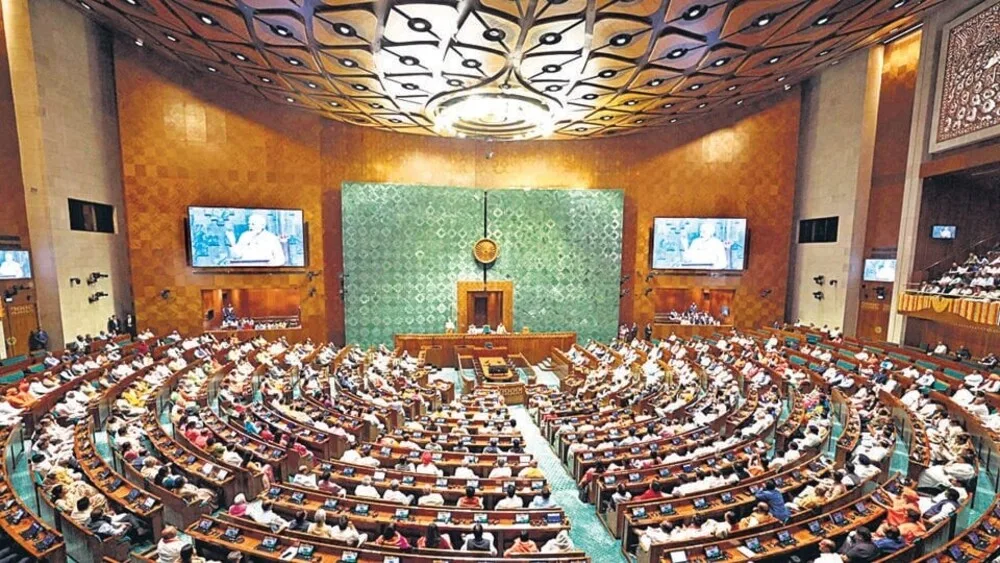
Powers and Functions of Parliament of India
Parliament performs several important functions.
Legislative Functions
The main duty of Parliament is to make laws for the country.
It makes laws on subjects listed in the Union List and shares law-making powers with the states on subjects in the Concurrent List.
Financial Functions
Parliament controls the country’s finances.
It:
- Approves the Union Budget.
- Authorizes government spending.
- Approves taxation.
- Examines government expenditure.
Electoral Functions
Parliament participates in important elections.
It:
- Elects the Vice-President.
- Takes part in the election of the President.
- Elects the Speaker, Deputy Speaker, and Deputy Chairman.
Constitutional Amendment
Parliament has the power to amend many provisions of the Constitution through a special majority. However, it cannot change the Basic Structure of the Constitution.
Power to Remove High Officials
Parliament can remove certain constitutional authorities through special procedures.
These include:
- President of India
- Judges of the Supreme Court
- Judges of High Courts
- Other constitutional authorities as provided by law
Control over the Executive
Parliament keeps the government accountable through different parliamentary procedures such as:
- Question Hour
- Zero Hour
- Calling Attention Motion
- Adjournment Motion
- Discussions and debates
These tools help Members of Parliament question government decisions and improve transparency.
Importance of Parliament of India
Parliament is one of the strongest pillars of Indian democracy.
Its importance includes:
- Protects democracy.
- Represents citizens and states.
- Makes national laws.
- Controls government spending.
- Ensures accountability.
- Protects constitutional values.
- Supports balanced governance.
Without Parliament, democratic governance cannot function effectively in India.
FAQs
What is Parliament of India?
Parliament of India is the highest law-making body of the country consisting of the President, Rajya Sabha, and Lok Sabha.
Which House is called the Upper House?
Rajya Sabha is known as the Upper House or Council of States.
Which House represents the people?
Lok Sabha directly represents the people of India through elections.
Who gives final approval to a bill?
The President gives assent to a bill after it is passed by both Houses.
What is the normal term of Lok Sabha?
The normal tenure of Lok Sabha is five years.
Why is Rajya Sabha called a permanent House?
It is never dissolved completely. One-third of its members retire every two years.
Can Parliament amend the Constitution?
Yes. Parliament can amend most parts of the Constitution, but it cannot alter its Basic Structure.
What is the main function of Parliament?
The main function of Parliament is to make laws, approve the budget, monitor the government, and protect democracy.