


Temple Restoration by India

Temple Restoration by India is gaining attention as the country continues its work to preserve ancient cultural and religious sites across Southeast Asia. Through the Archaeological Survey of India, several historic temples and monasteries in countries like Laos, Indonesia, Cambodia, Vietnam, and Myanmar are being restored and protected. These projects reflect a growing effort to safeguard shared heritage and strengthen cultural ties in the region.
Thank you for reading this post, don't forget to subscribe!At a time when global interest in heritage tourism and cultural identity is rising, such restoration work plays an important role. These sites are not only places of worship but also symbols of history, art, and architecture that connect different civilizations.
India’s Role in Cultural Preservation
The Archaeological Survey of India, working under the Ministry of Culture, is leading these international conservation projects. Known for its work in preserving historical monuments within India, the agency is now extending its expertise beyond borders.
Its role includes technical support, structural repair, detailed documentation, and long-term site management. These efforts ensure that ancient structures remain safe while maintaining their original design and cultural value. This approach is important in modern times where many heritage sites face threats from climate change, tourism pressure, and natural decay.
Restoration Work at Wat Phou in Laos
One of the key projects under Temple Restoration by India is the conservation of Wat Phou in Laos. This ancient temple complex dates back to the 5th century and is located near the Mekong River. It is also recognized as a UNESCO World Heritage Site.
Wat Phou is known for its connection to early Khmer architecture and Shaivite traditions. The site forms part of a larger cultural landscape in Champasak. India is currently working on the second phase of restoration, which is expected to continue until 2028.
The work focuses on strengthening the structure and preserving its unique design. This effort helps maintain the temple’s historical value while making it accessible for visitors and researchers.
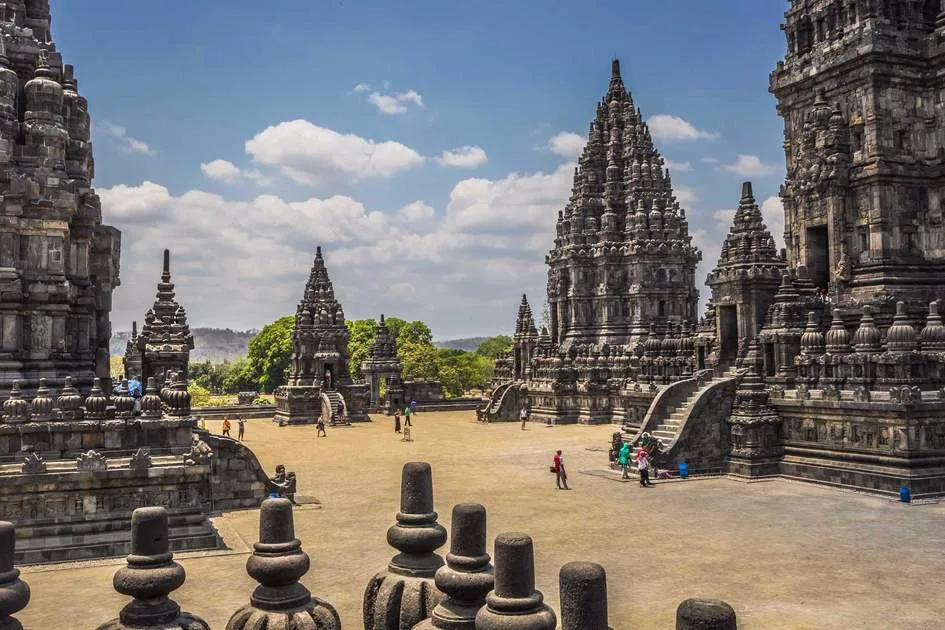
Prambanan Temple in Indonesia
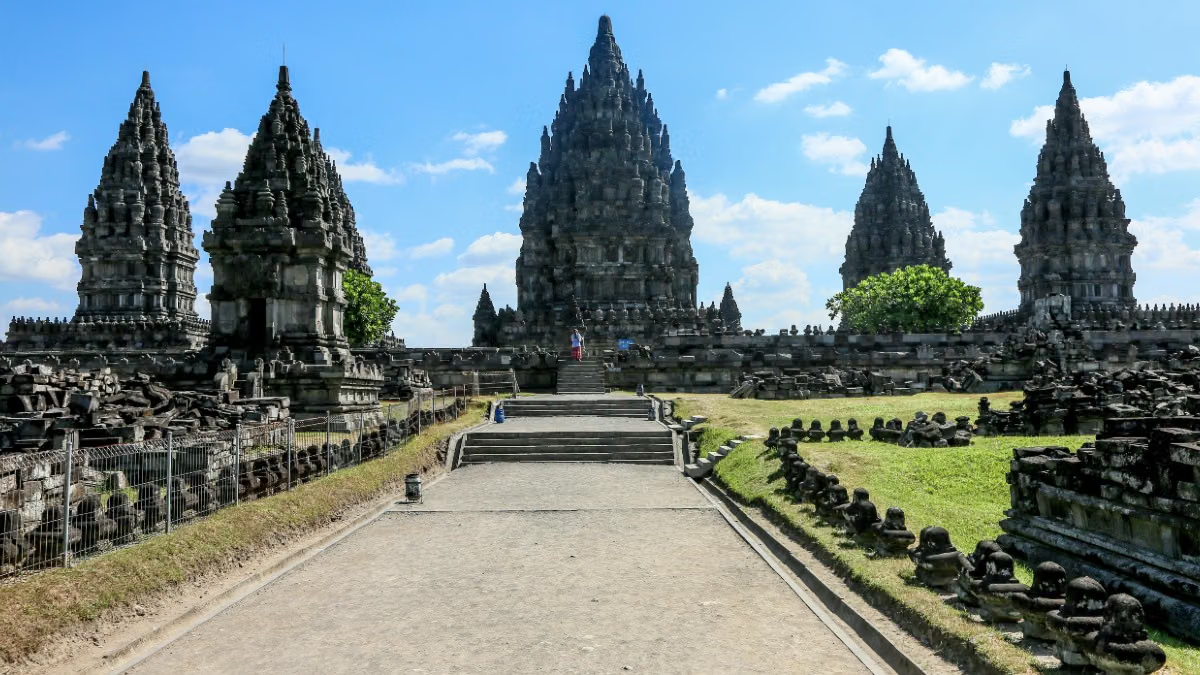
Another important project involves the Prambanan Temple complex in Indonesia. This 9th-century Hindu temple is one of the largest in Southeast Asia and is famous for its tall structures and detailed carvings.
The temple is dedicated to the Trimurti, representing Brahma, Vishnu, and Shiva. Its walls feature scenes from the Ramayana, making it a key cultural landmark.
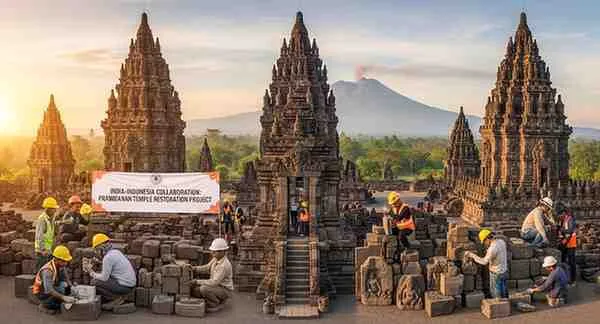
India and Indonesia have been discussing restoration plans for this site. The goal is to ensure that the temple remains structurally strong while preserving its artistic beauty. With increasing tourist visits, such conservation efforts are becoming more important than ever.
Work in Cambodia’s Historic Temples
India has been actively involved in preserving major temple sites in Cambodia. One of the most well-known is Ta Prohm, a temple complex surrounded by large tree roots and dense forest. Restoration work here has been ongoing since 2003.
The focus at Ta Prohm is on maintaining the balance between nature and structure. Instead of removing all vegetation, efforts are made to stabilize the temple while keeping its natural appearance.
Another major site is Preah Vihear, an 11th-century temple dedicated to Lord Shiva. Located on a hilltop near the border region, this temple is known for its grand design and historical importance. Conservation work here aims to protect the structure from weather damage and aging.
Preservation Projects in Vietnam
Vietnam is also part of Temple Restoration by India efforts. The My Son Sanctuary, which contains ancient Cham temple towers, is one of the key sites under restoration. These structures date from the 7th to the 11th centuries and reflect a mix of Hindu cultural influence.
A major project at the site focuses on the E and F tower groups, where several structures are being preserved between 2025 and 2029. This work includes repairing damaged parts and ensuring long-term stability.
Another important site is the Dong Duong Buddhist Monastery in Quang Nam Province. This ancient monastery represents the Buddhist heritage of the Cham civilization. Indian experts have already submitted restoration plans under an earlier agreement, showing continued cooperation between the two countries.
Expanding Work in Myanmar and Beyond
India’s restoration efforts are not limited to a few countries. Projects are also ongoing in Myanmar, including work at the historic Ananda Temple. These efforts show how cultural preservation is becoming a shared responsibility among nations.
Such initiatives also reflect a broader trend where countries collaborate to protect global heritage. With rising awareness about cultural identity and tourism, preserving these sites has become more important than ever.
Cultural Connection and Modern Relevance
Temple Restoration by India is not just about repairing old buildings. It is about preserving stories, traditions, and connections that go back centuries. Many of these temples show how cultures in India and Southeast Asia have influenced each other over time.
In today’s world, where digital content and modern lifestyles dominate, such heritage sites provide a link to the past. They also attract tourists, researchers, and history lovers from around the globe.
At the same time, these projects highlight the importance of sustainable conservation. Using modern technology along with traditional methods ensures that these monuments can be preserved without losing their original character.
A Growing Focus on Heritage Diplomacy
India’s work in restoring temples across Southeast Asia also reflects a growing focus on cultural cooperation. By helping preserve shared heritage, countries can build stronger relationships and mutual understanding.
This approach, often called heritage diplomacy, is becoming more visible in global discussions. It combines cultural respect with technical expertise, creating long-term partnerships.
As more restoration projects continue in the coming years, Temple Restoration by India is likely to remain an important part of regional cultural efforts. These projects not only protect ancient monuments but also keep history alive for future generations.