

Importance of Ladakh: Strategic Role and Significance

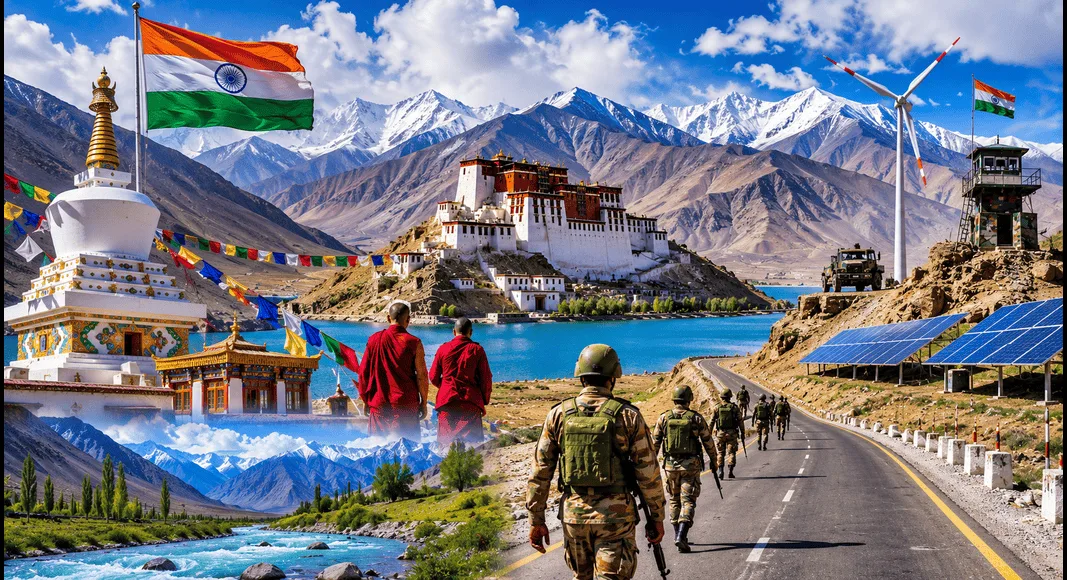
Importance of Ladakh has increased significantly over the past few decades because of its strategic location, natural resources, cultural heritage, and geopolitical importance. Ladakh is one of India’s most unique regions, known for its breathtaking mountains, Buddhist monasteries, glaciers, and high-altitude deserts. It is often called the “Land of High Passes” because the word “Ladakh” comes from the Tibetan words La (pass) and Dakh (land).
Thank you for reading this post, don't forget to subscribe!In recent years, Ladakh has become an important topic in national and international discussions due to border tensions between India and China, especially after the Galwan Valley clash in 2020. Apart from security concerns, Ladakh also plays a major role in renewable energy, tourism, environmental conservation, and India’s connectivity with Central Asia.
Today, Ladakh is a Union Territory of India, created on 31 October 2019 after the reorganization of the former state of Jammu and Kashmir. Its unique geography and strategic position make it one of India’s most valuable regions.
Where is Ladakh Located?
Ladakh is situated in the northernmost part of India. It covers nearly 59,146 square kilometers, making it one of India’s largest Union Territories by area.
It shares borders with:
- China’s Tibet Autonomous Region in the east
- China’s Xinjiang region in the north
- Pakistan-occupied Gilgit-Baltistan in the west
- Himachal Pradesh in the south
- Jammu and Kashmir in the southwest
Because of these international borders, Ladakh is one of India’s most strategically sensitive regions.
Geography of Ladakh
The geography of Ladakh is very different from most parts of India.
High Mountains
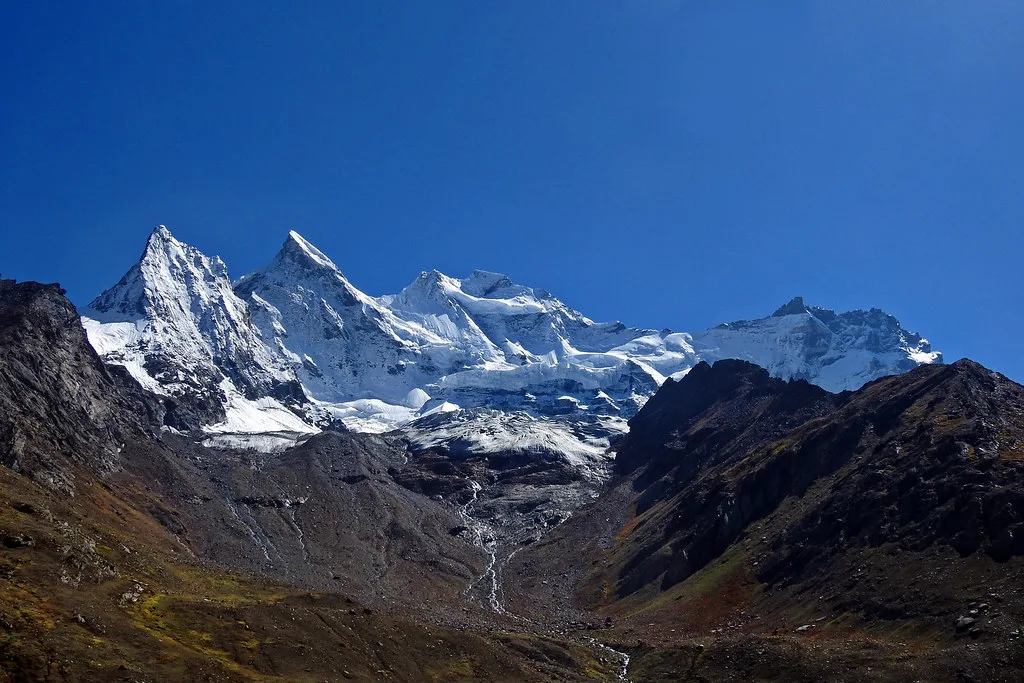
Ladakh lies between the Karakoram Range and the Himalayan Range. Many areas are located above 10,000 feet, while some mountain passes are over 18,000 feet.
Rivers
The mighty Indus River flows through Ladakh. Other important rivers include:
- Shyok
- Nubra
- Zanskar
- Suru
- Hanle
- Chang Chenmo
These rivers support farming and human settlements in an otherwise dry landscape.
Climate
Ladakh is known as a Cold Desert because:
- Rainfall is very low.
- Winters are extremely cold, with temperatures dropping below -30°C.
- Summers are short and pleasant.
- The air is dry and oxygen levels are lower due to high altitude.
Despite harsh conditions, people have adapted to this environment over centuries.
History of Ladakh
Ladakh has a rich and fascinating history.
It was an independent Himalayan kingdom for many centuries before coming under Dogra rule in 1834.
Later:
- It became part of the princely state of Jammu and Kashmir.
- After India’s Independence in 1947, it became part of the Indian Union.
- China occupied Aksai Chin after the 1962 India-China War.
- On 31 October 2019, Ladakh officially became a separate Union Territory.
Its historical location along the Ancient Silk Route made it an important center of trade between India, Tibet, Central Asia, and China.
Why is the Importance of Ladakh Increasing?
Several factors make Ladakh one of India’s most important regions today.
1. Strategic Importance
Ladakh shares long borders with both China and Pakistan.
Important military areas include:
- Galwan Valley
- Pangong Tso
- Daulat Beg Oldie
- Demchok
- Siachen Glacier
These regions are critical for India’s national security.
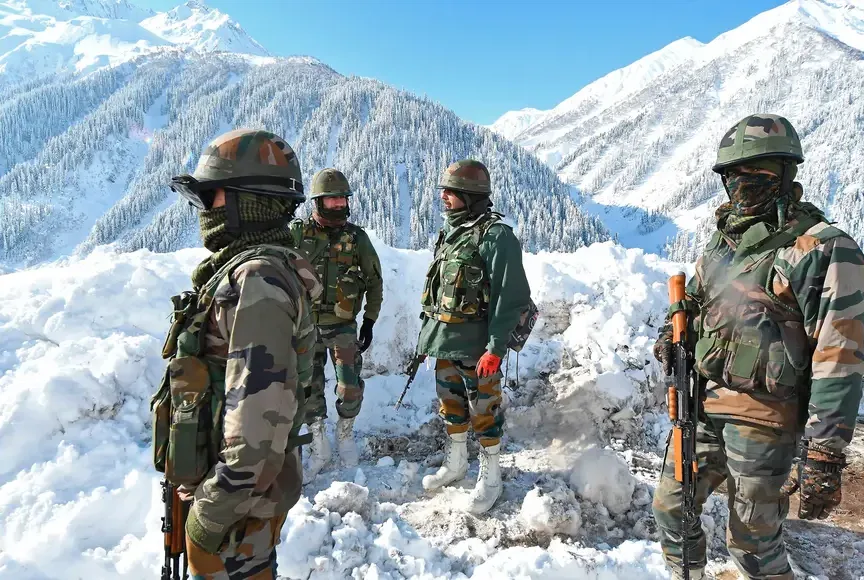
The Indian Army maintains a strong presence in Ladakh because it protects India’s northern borders.
Modern roads, tunnels, bridges, and airfields have further strengthened India’s defence capabilities.
2. Border Security
Ladakh lies close to two major disputed regions:
- Aksai Chin, illegally occupied by China.
- Siachen Glacier, where India maintains military control.
The Line of Actual Control (LAC) between India and China passes through eastern Ladakh.
After the Galwan Valley clash in 2020, India significantly improved infrastructure, surveillance systems, and troop deployment across the region.
3. Gateway to Central Asia
Historically, Ladakh connected India with:
- Tibet
- Central Asia
- China
- Afghanistan
Ancient traders crossed Ladakh through mountain passes carrying silk, spices, wool, and precious stones.
Although modern international trade routes have changed, Ladakh continues to hold strategic importance for regional connectivity.
Natural Resources of Ladakh
Ladakh possesses several valuable natural resources.
Water Resources
The glaciers of Ladakh feed the Indus River system, which supports millions of people in northern India and Pakistan.
Glacier conservation is therefore extremely important.
Solar Energy
Ladakh receives some of the highest levels of solar radiation in India.
The clear skies and bright sunshine make it ideal for solar power generation.
The Government of India is planning several large-scale solar energy projects in Ladakh.
Wind Energy
Strong mountain winds also provide opportunities for renewable energy generation.
Geothermal Energy
Certain regions such as Puga Valley have geothermal energy potential that can be used for electricity production and heating.
Tourism in Ladakh
Tourism is one of the biggest sources of income for local people.
Popular tourist attractions include:
- Pangong Lake
- Nubra Valley
- Magnetic Hill
- Khardung La Pass
- Hemis Monastery
- Thiksey Monastery
- Tso Moriri Lake
- Leh Palace
Adventure tourism is also popular.
Activities include:
- Trekking
- River rafting
- Mountain biking
- Camel safari
- Camping
- Mountaineering
Eco-tourism is becoming increasingly important to protect Ladakh’s fragile environment.
Cultural Importance
Ladakh has a unique cultural identity.
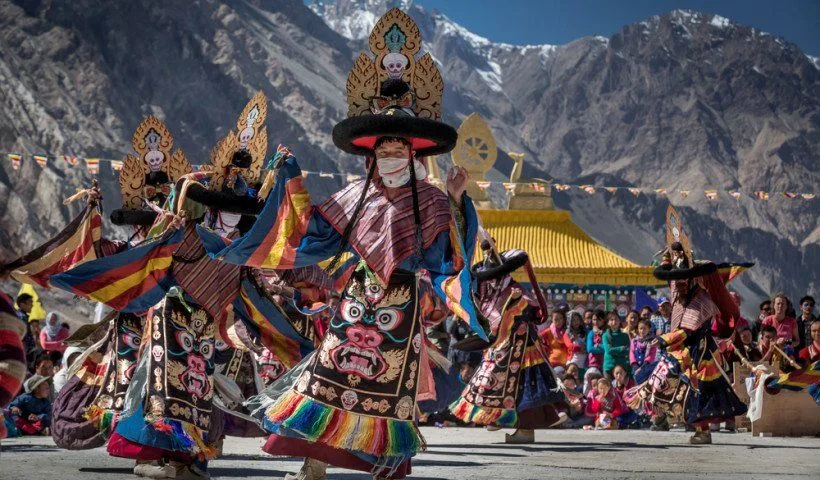
Its culture reflects a blend of:
- Tibetan traditions
- Buddhism
- Local Himalayan customs
Famous festivals include:
- Hemis Festival
- Losar Festival
- Ladakh Festival
Ancient monasteries preserve Buddhist art, manuscripts, and architecture that attract visitors from around the world.
Economic Importance
Although farming is difficult due to the harsh climate, Ladakh contributes to India’s economy through:
- Tourism
- Handicrafts
- Pashmina wool
- Organic farming
- Renewable energy
- Defence-related employment
Ladakh is famous for producing high-quality Pashmina wool, which is exported worldwide.
Importance of Renewable Energy
Renewable energy has become one of Ladakh’s biggest strengths.
Large solar parks are being planned because:
- There is abundant sunlight.
- Land is widely available.
- Population density is low.
These projects can help India reduce dependence on fossil fuels and achieve climate goals.
Infrastructure Development
After becoming a Union Territory, infrastructure development has accelerated.
Major improvements include:
- Better highways
- Border roads
- New bridges
- Internet connectivity
- Airports
- Health facilities
- Schools
The Atal Tunnel has improved all-weather connectivity between Himachal Pradesh and Ladakh.
The construction of the Shinku La Tunnel, one of the world’s highest road tunnels, is expected to provide another all-weather route to Ladakh in the coming years, reducing dependence on seasonal mountain passes.
India-China Border Dispute
The India-China border dispute remains one of the biggest strategic issues involving Ladakh.
The main disputed areas include:
- Aksai Chin
- Galwan Valley
- Pangong Tso
- Hot Springs
- Depsang Plains
The Line of Actual Control (LAC) is not officially demarcated, leading to differing perceptions by both countries.
Since 2020, both sides have held several rounds of military and diplomatic talks to reduce tensions, although some friction points remain unresolved.
Environmental Importance
Ladakh has one of the most fragile ecosystems in the Himalayas.
Important wildlife includes:
- Snow Leopard
- Tibetan Wild Ass (Kiang)
- Himalayan Ibex
- Black-necked Crane
- Blue Sheep
Climate change is affecting glaciers, water availability, and biodiversity.
Sustainable tourism and careful environmental management are essential for protecting Ladakh’s natural heritage.
Challenges Facing Ladakh
Despite its importance, Ladakh faces several challenges.
Harsh Climate
Extreme weather makes transportation and daily life difficult.
Border Tensions
Military confrontations require constant security preparedness.
Climate Change
Rapid glacier melting threatens water resources.
Limited Agriculture
Only a small portion of land is suitable for farming.
Infrastructure Challenges
Remote villages still need better healthcare, education, and communication facilities.
Recent Developments (2020-2025)
Several important developments have taken place in Ladakh after 2020.
- Border infrastructure, including roads, bridges, tunnels, and airfields, has been strengthened significantly.
- The Indian Army has improved surveillance using drones, modern equipment, and better communication systems.
- Work on the Shinku La Tunnel has progressed to improve year-round road connectivity.
- The government has continued plans for one of India’s largest renewable energy projects in Ladakh, focusing on solar power generation and transmission infrastructure.
- Tourism has gradually recovered after the pandemic, with increasing emphasis on eco-friendly and sustainable travel.
- Development projects in education, healthcare, digital connectivity, and local governance have expanded following Ladakh’s Union Territory status.
- Environmental conservation and glacier protection have become major policy priorities due to climate change.
Future of Ladakh
Ladakh has enormous potential for India’s future.
Its strengths include:
- Strategic defence location
- Renewable energy production
- Eco-tourism
- Cultural tourism
- Scientific research
- Sustainable development
With balanced development, environmental conservation, and better infrastructure, Ladakh can become a model region for sustainable mountain development.
Conclusion
The importance of Ladakh goes far beyond its beautiful mountains and tourist attractions. It is one of India’s most strategically important regions because it borders China and Pakistan and plays a vital role in national security. At the same time, Ladakh is rich in renewable energy potential, natural beauty, cultural heritage, and water resources.
Its glaciers feed the Indus River system, its high-altitude deserts offer ideal conditions for solar energy, and its ancient monasteries preserve centuries of history and tradition. Recent investments in roads, tunnels, defence infrastructure, renewable energy, and public services have further strengthened Ladakh’s role in India’s development.
Going forward, India must continue to balance security, economic growth, environmental protection, and the aspirations of the people of Ladakh. Sustainable and inclusive development will ensure that this unique Himalayan region continues to contribute to the nation’s progress while preserving its fragile ecosystem and rich cultural identity.
FAQs
1. Why is Ladakh important for India?
Ladakh is important because of its strategic location, border security, natural resources, tourism, and renewable energy potential.
2. Why is Ladakh called the Land of High Passes?
Ladakh is called the Land of High Passes because it has many high mountain passes that connect different parts of the Himalayan region.
3. When did Ladakh become a Union Territory?
Ladakh became a Union Territory on 31 October 2019 after the reorganization of Jammu and Kashmir.
4. Which countries share a border with Ladakh?
Ladakh shares borders with China and Pakistan, making it strategically important for India’s national security.
5. Why is the Line of Actual Control (LAC) important in Ladakh?
The LAC separates Indian-controlled and Chinese-controlled territories and is the main area of the India-China border dispute.
6. What are the major tourist attractions in Ladakh?
Popular attractions include Pangong Lake, Nubra Valley, Leh Palace, Hemis Monastery, Khardung La Pass, and Tso Moriri Lake.
7. Why is Ladakh important for renewable energy?
Ladakh receives abundant sunlight and has strong wind and geothermal potential, making it ideal for renewable energy projects.
8. What is the climate of Ladakh?
Ladakh has a cold desert climate with very low rainfall, harsh winters, and cool summers due to its high altitude.
9. What is the importance of the Indus River in Ladakh?
The Indus River provides water for agriculture, drinking, hydropower, and supports millions of people living downstream.
10. What are the main challenges faced by Ladakh?
Major challenges include border tensions, climate change, harsh weather, water scarcity, fragile ecosystems, and infrastructure development.