
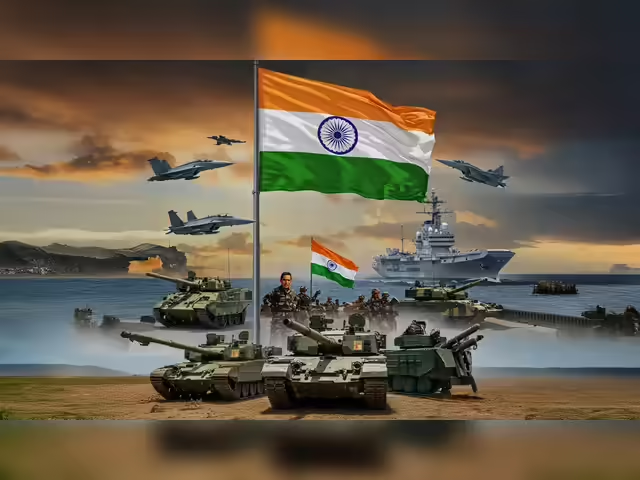
Indigenisation of Defence: India’s Journey Towards Self-Reliance in Defence Manufacturing

Indigenisation of Defence refers to the process of designing, developing, manufacturing, and maintaining defence equipment within India. The main aim is to reduce dependence on foreign countries for military hardware and build a strong, self-reliant defence sector. Defence indigenisation is an important part of India’s national security strategy because it helps the country become technologically advanced and economically stronger.
India has one of the largest armed forces in the world. To protect its borders and national interests, the country requires modern weapons, aircraft, missiles, tanks, submarines, and communication systems. For many years, India depended heavily on imports to meet these needs. However, the government is now focusing on increasing indigenous production under initiatives such as Make in India and Atmanirbhar Bharat.

What is Indigenisation of Defence?
Indigenisation of Defence means developing and producing military equipment using Indian technology, industries, and resources. It aims to achieve two major goals:
- Self-reliance in defence production.
- Reduction in defence imports.
Several organizations contribute to this effort, including:
- Defence Research and Development Organisation (DRDO)
- Defence Public Sector Undertakings (DPSUs)
- Hindustan Aeronautics Limited (HAL)
- Bharat Electronics Limited (BEL)
- Indian private defence companies
- Defence startups and MSMEs
By manufacturing defence equipment within the country, India can reduce costs, improve security, and create employment opportunities.
Historical Background of Defence Indigenisation
India’s defence production journey has evolved over several decades.
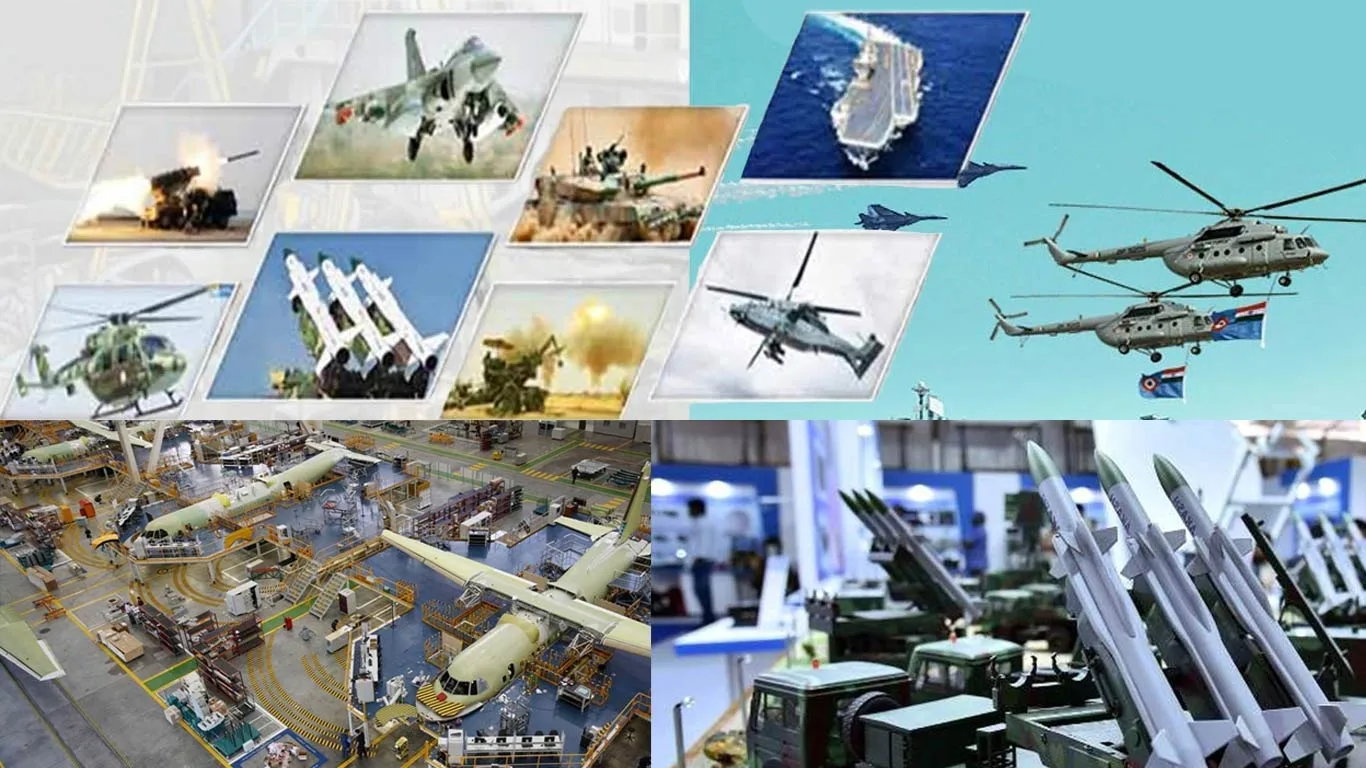
Early Dependence on Imports
After independence, India largely depended on foreign countries for military equipment. During the Cold War period, the Soviet Union became India’s primary defence supplier.
Although India produced some equipment under license agreements, most designs and technologies came from foreign nations.
Shift Towards Indigenous Development
The government realized that overdependence on foreign suppliers could become a strategic weakness. Therefore, greater emphasis was placed on research and development.
A major milestone came in 1983 with the launch of the Integrated Guided Missile Development Programme (IGMDP) under the leadership of A. P. J. Abdul Kalam.
The programme aimed to develop:
| Missile System | Purpose |
|---|---|
| Prithvi | Surface-to-Surface Missile |
| Akash | Surface-to-Air Missile |
| Trishul | Short-Range Surface-to-Air Missile |
| Nag | Anti-Tank Missile |
| Agni Series | Ballistic Missiles |
This programme laid the foundation for India’s missile technology capabilities.
Self-Reliance Goals in Defence
In 1990, the Self-Reliance Review Committee proposed a long-term plan to increase indigenous content in defence procurement.
The objective was to increase the Self-Reliance Index (SRI) from around 30% to 70%.
Although the target was not fully achieved, it encouraged greater investment in indigenous defence research and manufacturing.
Over time, India also entered into joint ventures with foreign partners to gain advanced technology and manufacturing experience.
One notable example is the BrahMos Missile project developed jointly by India and Russia.
Why is Indigenisation of Defence Important?
1. National Security
National security is the most important reason for defence indigenisation.
During conflicts or emergencies, foreign suppliers may delay deliveries or impose restrictions. Indigenous production ensures that India can maintain military readiness without depending on other countries.
India shares borders with countries such as:
- China
- Pakistan
Therefore, maintaining a strong and self-sufficient defence system is essential.
2. Reducing Defence Imports
India has traditionally been one of the world’s largest importers of military equipment.
Large-scale imports require huge financial resources and increase foreign exchange expenditure.
By producing equipment domestically, India can save billions of dollars and reduce pressure on the national budget.
3. Employment Generation
Defence manufacturing creates jobs in:
- Engineering
- Research
- Electronics
- Aerospace
- Manufacturing
- Information Technology
A stronger defence industry supports thousands of skilled and semi-skilled workers across the country.
4. Economic Growth
Defence production supports many industries such as:
- Steel
- Electronics
- Software
- Aerospace components
- Artificial Intelligence
- Robotics
As defence manufacturing expands, economic activity and industrial growth also increase.
5. Strategic Power
Countries with strong defence industries often have greater influence in international affairs.
A self-reliant defence sector helps India strengthen its position as a major global power.
Major Government Initiatives
Defence Procurement Policy
The government introduced reforms to encourage domestic manufacturing.
The Defence Procurement Procedure gave priority to:
- Buy (Indian)
- Buy and Make (Indian)
- Make Category
- Indigenously Designed, Developed and Manufactured (IDDM)
These categories ensure preference for Indian-made equipment.
Foreign Direct Investment (FDI)
The government liberalized FDI rules to attract investment into defence manufacturing.
This allows foreign companies to invest in India and bring advanced technologies while maintaining Indian participation.
Make in India Initiative
The Make in India programme has become a major driver of defence manufacturing.
Its objectives include:
- Increasing domestic production
- Encouraging private sector participation
- Promoting exports
- Creating employment
Defence Industrial Corridors
India has established defence corridors in:
These corridors provide infrastructure and support for defence industries.
Important Indigenous Defence Projects
INS Vikrant
INS Vikrant is India’s first indigenously built aircraft carrier.
It demonstrates India’s capability to build complex naval platforms.
Key Features:
- Designed and built in India
- Supports fighter aircraft operations
- Strengthens naval power
Tejas Light Combat Aircraft
HAL Tejas is India’s indigenous fighter aircraft.
Advantages:
- Lightweight design
- Modern avionics
- Multi-role combat capability
Tejas represents a significant achievement in Indian aerospace engineering.
Agni Missile Series
The Agni missile programme has greatly improved India’s strategic capabilities.
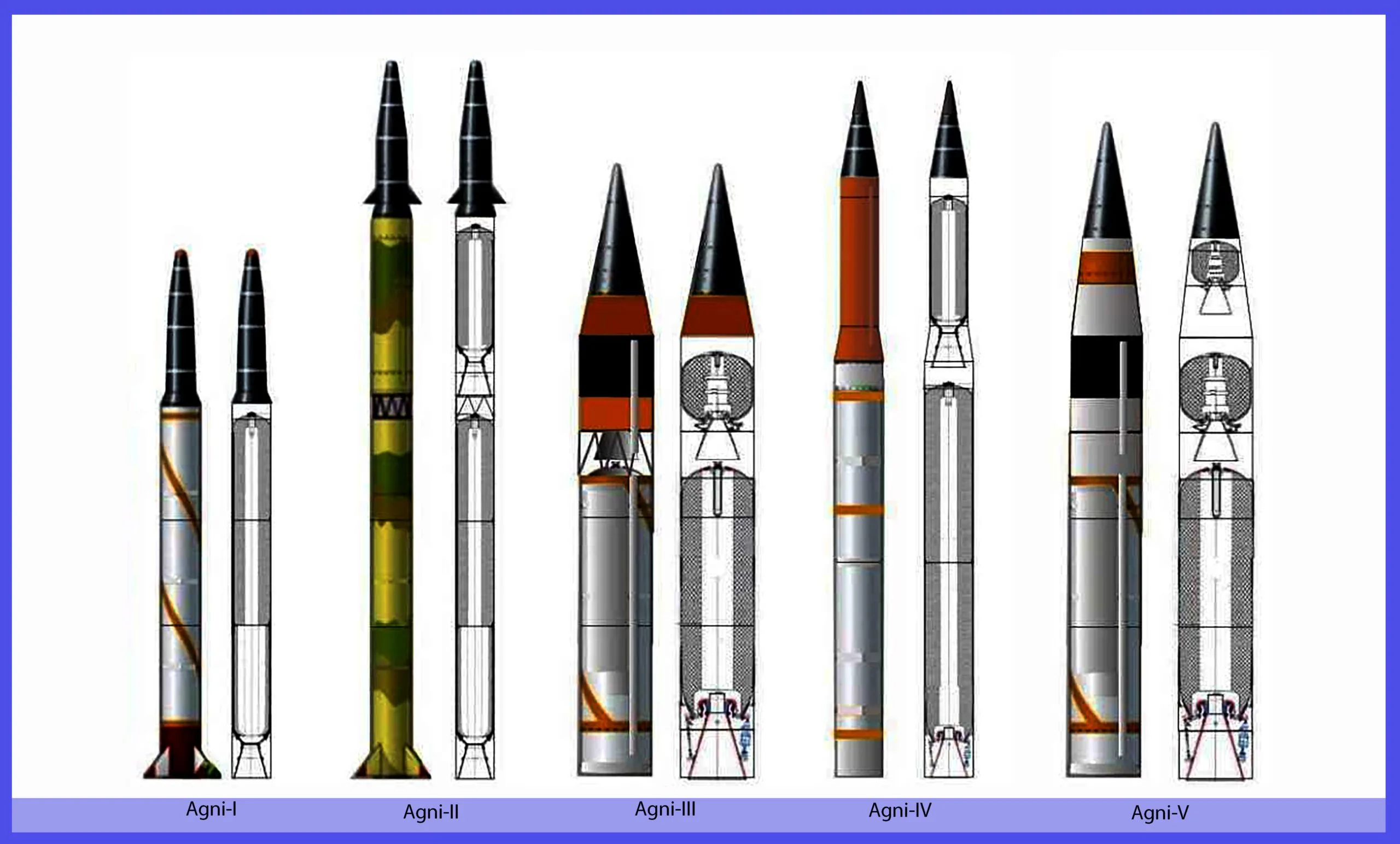
Major variants include:
- Agni-I
- Agni-II
- Agni-III
- Agni-IV
- Agni-V
The Agni-V missile provides long-range strike capability and strengthens India’s strategic deterrence.
BrahMos Missile
The BrahMos Missile is among the fastest supersonic cruise missiles in the world.
Features include:
- High speed
- Precision strike capability
- Land, sea, and air launch variants
It is also becoming an important export product.
Pinaka Rocket System
Pinaka Multi Barrel Rocket Launcher is an advanced rocket launcher system developed in India.
Benefits:
- High accuracy
- Rapid deployment
- Effective battlefield support
Arjun Main Battle Tank
Arjun Main Battle Tank is India’s indigenous battle tank.
The tank includes:
- Advanced fire control systems
- Improved protection
- High mobility
Continuous upgrades are being made to improve performance.
Arihant Nuclear Submarine
INS Arihant represents a major milestone in India’s naval capability.
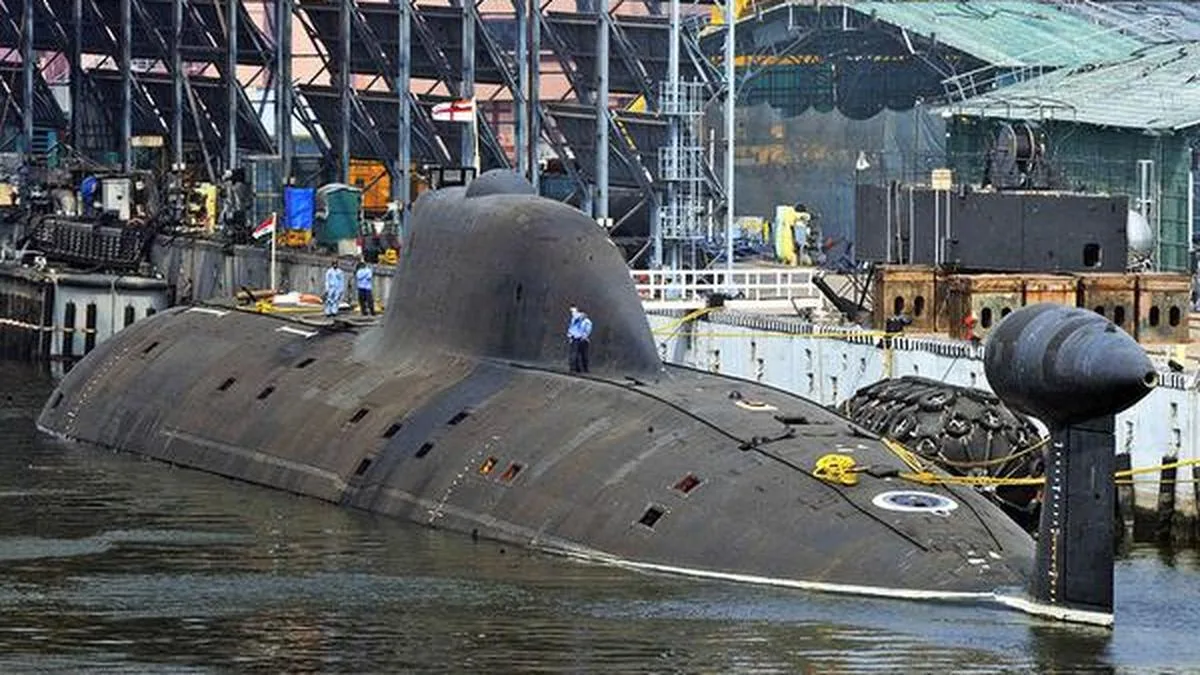
It strengthens India’s nuclear deterrence and underwater warfare capabilities.
Present Status of Defence Indigenisation
In recent years, India has made significant progress.
Achievements include:
- Increased defence exports
- Indigenous missile production
- Indigenous warship construction
- Expansion of private sector participation
- Growth of defence startups
India’s defence exports have grown rapidly compared to previous decades, indicating increasing global confidence in Indian defence products.
Challenges in Defence Indigenisation
Despite progress, several challenges remain.
Limited Advanced Technology
Many critical technologies are still imported.
Examples include:
- Aircraft engines
- Advanced sensors
- Semiconductor chips
- Specialized materials
Developing these technologies requires long-term investment.
Infrastructure Gaps
Efficient manufacturing requires:
- Modern factories
- Testing facilities
- Transportation networks
Infrastructure limitations can increase production costs.
Delays in Projects
Many defence projects face delays because of:
- Technical challenges
- Administrative procedures
- Funding constraints
These delays affect military modernization plans.
Dependence on Foreign Components
Even in indigenous systems, some components may still come from foreign suppliers.
Reducing this dependency remains a major goal.
Skill Development Requirements
Modern defence manufacturing requires highly skilled professionals in:
- Artificial Intelligence
- Cyber Security
- Aerospace Engineering
- Robotics
- Electronics
India must continue investing in education and training.
Role of Private Sector and Startups
The private sector is becoming increasingly important in defence manufacturing.
Benefits include:
- Faster innovation
- Better efficiency
- Advanced technologies
- Increased competition
Indian startups are working on:
- Drones
- Artificial Intelligence systems
- Autonomous vehicles
- Surveillance technologies
- Cyber security solutions
These innovations support the modernization of India’s armed forces.
Way Forward
To achieve greater self-reliance, India should focus on:
Strengthening Research and Development
More investment should be made in indigenous technology development.
Promoting Public-Private Partnerships
Government organizations and private companies should work together more closely.
Developing Critical Technologies
Special attention should be given to:
- Jet engines
- Semiconductor manufacturing
- Artificial Intelligence
- Cyber warfare systems
- Advanced materials
Expanding Defence Exports
Indian defence products should be promoted in international markets.
Building a Strong Supply Chain
A robust supply chain involving MSMEs and startups can improve efficiency and reduce costs.
Improving Training and Skills
Engineers, scientists, and technicians should receive advanced training to support future defence projects.
Conclusion
Indigenisation of Defence is a crucial step toward making India self-reliant in military technology and defence manufacturing. Over the years, India has achieved remarkable success through projects such as INS Vikrant, Tejas, Agni missiles, BrahMos, Pinaka, Arjun Tank, and Arihant submarine. These achievements demonstrate the country’s growing technological strength.
Although challenges such as technology gaps, infrastructure limitations, and project delays still exist, continuous investment in research, innovation, private sector participation, and skill development can help India achieve complete defence self-reliance. A strong indigenous defence industry will not only enhance national security but also contribute to economic growth, employment generation, and India’s rise as a major global power.
FAQs on Indigenisation of Defence
Q1. What is Indigenisation of Defence?
Indigenisation of Defence is the process of designing, developing, manufacturing, and maintaining defence equipment within India to reduce dependence on foreign imports.
Q2. Why is defence indigenisation important for India?
It strengthens national security, reduces import costs, creates jobs, promotes technological growth, and helps India become self-reliant in defence production.
Q3. Which organization plays a major role in defence indigenisation?
The Defence Research and Development Organisation (DRDO) plays a major role in developing indigenous defence technologies and equipment.
Q4. What is the objective of the Make in India initiative in defence?
The initiative aims to increase domestic manufacturing, encourage private sector participation, reduce imports, and boost defence exports.
Q5. What is the Self-Reliance Index (SRI) in defence?
The Self-Reliance Index measures the percentage of indigenous content in India’s total defence procurement expenditure.
Q6. Which are some major indigenous defence projects in India?
INS Vikrant, Tejas Light Combat Aircraft, Agni Missile Series, BrahMos Missile, Pinaka Rocket System, Arjun Tank, and INS Arihant are major indigenous defence projects.
Q7. How does defence indigenisation help the economy?
It generates employment, supports manufacturing industries, attracts investment, promotes innovation, and reduces foreign exchange expenditure.
Q8. What challenges does India face in defence indigenisation?
Challenges include technology gaps, infrastructure limitations, project delays, dependence on imported components, and shortage of highly skilled manpower.