


Coal Sector in India: Backbone of India’s Energy Security

Coal Sector in India is one of the most important parts of the country’s economy and energy system. Coal is the most widely available fossil fuel in India and supplies more than half of the country’s energy needs. From electricity generation to steel production, coal plays a key role in supporting industries and economic growth.
India is one of the world’s largest producers and consumers of coal. As the population grows and industries expand, the demand for energy continues to increase. Although renewable energy sources such as solar and wind are growing rapidly, coal remains a major source of energy because of its availability and affordability.

The development of many industries in India has been closely linked to the growth of the coal sector. Railways, steel plants, thermal power stations, cement industries, and many manufacturing units depend heavily on coal.
Importance of Coal in India
Coal is important for several reasons:
- It provides more than half of India’s energy requirements.
- It is the primary fuel used in thermal power plants.
- It supports major industries such as steel, cement, and fertilizer production.
- It contributes significantly to government revenue and employment.
- It helps maintain energy security by reducing dependence on imported fuels.
Because India has limited reserves of petroleum and natural gas, coal continues to be a vital energy resource for the country.
Coal Production in India
India is among the top coal-producing countries in the world. Over the years, coal production has increased due to government investment, technological improvements, and expansion of mining operations.
Major coal-producing organizations include:
| Organization | Role |
|---|---|
| Coal India Limited (CIL) | Largest coal producer in India |
| Singareni Collieries Company Limited (SCCL) | Major producer in Telangana |
| Private Mining Companies | Participate through auctions and commercial mining |
Coal production has grown steadily to meet the increasing demand from power plants and industries. Modern mining methods and better infrastructure have helped improve production levels.
Coal Imports in India
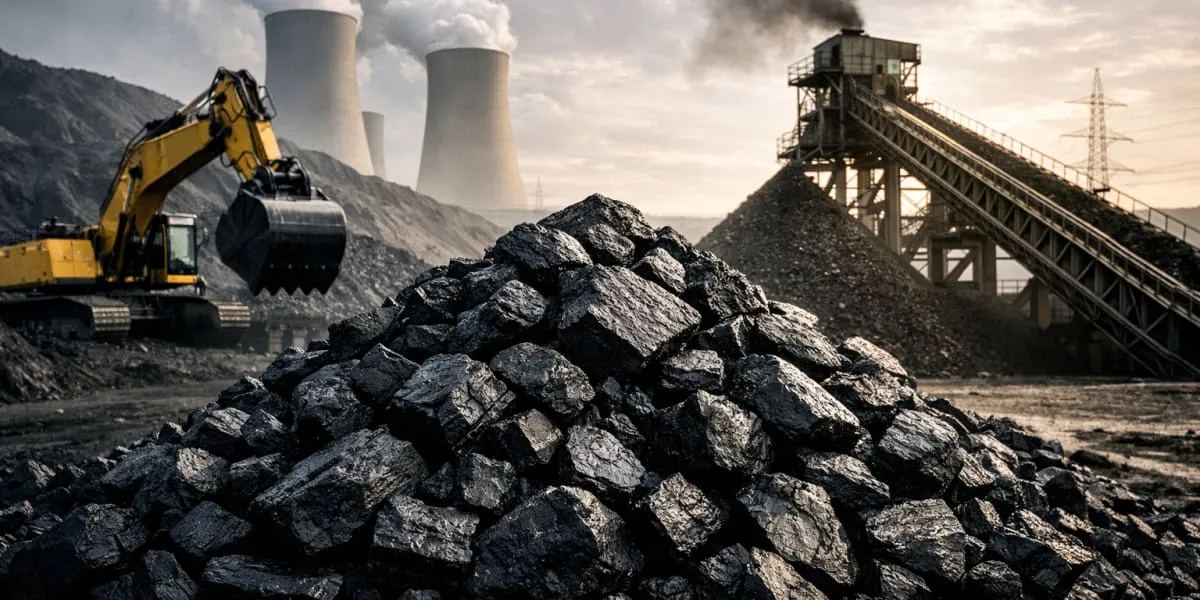
Even though India produces large quantities of coal, it still imports coal from other countries.
Reasons for Coal Imports
- Shortage of high-quality coking coal.
- Growing demand from power plants.
- Need for better-quality coal in steel manufacturing.
- Gap between domestic production and consumption.
Major Users of Imported Coal
| Sector | Purpose |
| Steel Industry | Coking coal for steel production |
| Thermal Power Plants | Fuel for electricity generation |
| Cement Industry | Industrial fuel |
| Sponge Iron Industry | Manufacturing process |
| Captive Power Plants | Electricity generation |
Countries such as Australia, Indonesia, South Africa, and Russia are major suppliers of coal to India.
Coal Reserves in India
India possesses huge coal reserves spread across different states. Geological surveys have identified hundreds of billions of tonnes of coal resources.
Top Coal Reserve States
| Rank | State |
| 1 | Jharkhand |
| 2 | Odisha |
| 3 | Chhattisgarh |
| 4 | West Bengal |
| 5 | Madhya Pradesh |
Most coal deposits are located in eastern and central India.
Lignite Reserves
Lignite is a lower-grade coal with higher moisture content.
Major lignite-producing regions include:
Tamil Nadu alone holds a large share of India’s lignite reserves.
Types of Coal Found in India
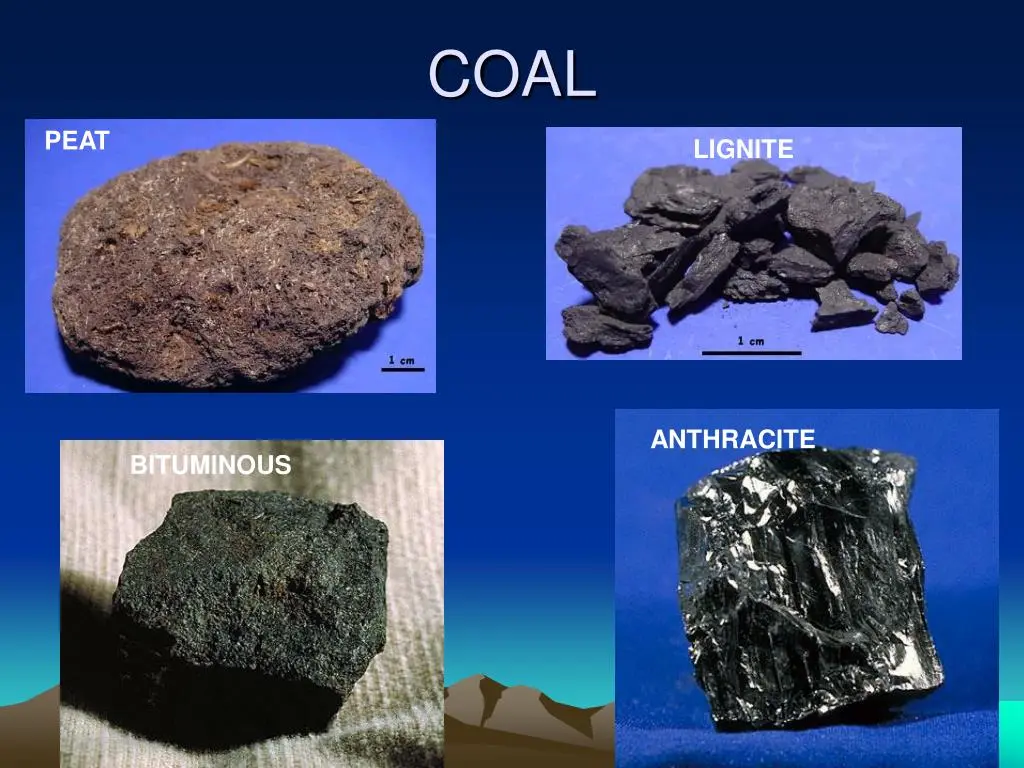
Coal is formed from plant material buried underground for millions of years. Heat and pressure transform this material into coal.
Classification Based on Carbon Content
| Type | Carbon Content | Features |
| Anthracite | 80–95% | Best quality, highest energy value |
| Bituminous | 60–80% | Most commonly used coal |
| Lignite | 40–55% | Brown coal with high moisture |
| Peat | Less than 40% | Lowest quality coal |
Anthracite
Anthracite is the highest quality coal. It burns with very little smoke and produces maximum heat. Small deposits are found mainly in Jammu and Kashmir.
Bituminous
Bituminous coal is the most widely available coal in India. It has high heating value and is extensively used in power generation and industries.
Major states include:
Lignite
Lignite contains more moisture and produces more smoke during burning. It is mainly used in thermal power generation.
Peat
Peat represents the earliest stage of coal formation and has low energy content.
History of Coal Mining in India
The history of coal mining in India goes back more than 200 years.
Early Development
Commercial coal mining began in 1774 when mining operations started in the Raniganj Coalfield near the Damodar River.
For many years, production remained limited because demand was low.
Growth with Railways
The introduction of railways in 1853 increased coal demand significantly.
As railway networks expanded:
- Coal production increased.
- Mining activities spread to new regions.
- Industrial growth accelerated.
By the early twentieth century, coal production had reached several million tonnes annually.
Coal Industry After Independence
After independence, India focused on planned economic development through Five-Year Plans.
The government realized that increasing coal production was essential for industrial growth and energy security.
National Coal Development Corporation (NCDC)
In 1956, the government established the National Coal Development Corporation to improve coal production through scientific mining practices.
Singareni Collieries Company Limited
SCCL became an important public sector coal producer and continues to contribute significantly to India’s coal output.
Nationalisation of Coal Mines
During the 1960s and early 1970s, many private coal mines faced serious problems.
Major Issues
- Poor working conditions
- Lack of investment
- Unsafe mining practices
- Low productivity
- Unscientific extraction methods
To address these issues, the government nationalized coal mines.
Two Phases of Nationalisation
| Year | Action |
| 1971-72 | Nationalisation of coking coal mines |
| 1973 | Nationalisation of non-coking coal mines |
As a result, most coal mining activities came under government control.
The objective was to improve production, ensure worker safety, and support national energy needs.
Coal Sector Reforms
Economic reforms in the 1990s changed the coal sector significantly.
Captive Mining
The government allowed certain industries to mine coal for their own use.
These industries included:
- Power companies
- Steel manufacturers
- Cement plants
This helped increase coal availability for industrial use.
Coal Mine Auctions
After legal and policy changes, coal blocks began to be allocated through transparent auctions.
Benefits included:
- Better resource utilization
- Increased transparency
- Greater competition
- Higher government revenue
Commercial Coal Mining
Private companies were later allowed to participate in commercial coal mining.
This marked one of the biggest reforms in the sector.
Major Challenges Facing the Coal Sector
Despite its importance, the coal industry faces several difficulties.
1. Environmental Clearances
Obtaining environmental and forest approvals often takes a long time.
This delays the start of new mining projects.
2. Land Acquisition Issues
Acquiring land for mining can be difficult because local communities may be affected.
3. Technology Gaps
Some mines still use outdated technology, reducing efficiency and productivity.
4. Import Dependence
India continues to import large quantities of coal, especially high-quality coking coal.
5. Transportation Challenges
Coal must be transported over long distances.
Delays in railway infrastructure can increase transportation costs.
6. Environmental Concerns
Coal mining and burning contribute to:
- Air pollution
- Greenhouse gas emissions
- Land degradation
- Water pollution
These environmental issues require careful management.
Government Initiatives for the Coal Sector
The Government of India has launched several measures to improve transparency, efficiency, and production.
UTTAM Application
UTTAM stands for Unlocking Transparency by Third Party Assessment of Mined Coal.
Benefits include:
- Better coal quality monitoring
- Increased transparency
- Improved accountability
Online Coal Clearances System
This system provides a single-window platform for obtaining approvals and permissions.
Coal Allocation Monitoring System (CAMS)
CAMS helps monitor coal allocation and distribution in a transparent manner.
Commercial Mining Reforms
Opening coal mining to private and foreign investment aims to:
- Increase production
- Introduce advanced technology
- Improve competition
- Create employment opportunities
Coal Beneficiation
Indian coal generally contains high ash content.
Coal beneficiation is a process used to improve coal quality.
Benefits of Coal Beneficiation
- Reduces ash content
- Improves fuel efficiency
- Lowers pollution levels
- Enhances transportation efficiency
- Improves industrial performance
Coal washing and cleaning are important parts of this process.
Role of Coal in India’s Energy Security
Energy security means ensuring a reliable and affordable energy supply.
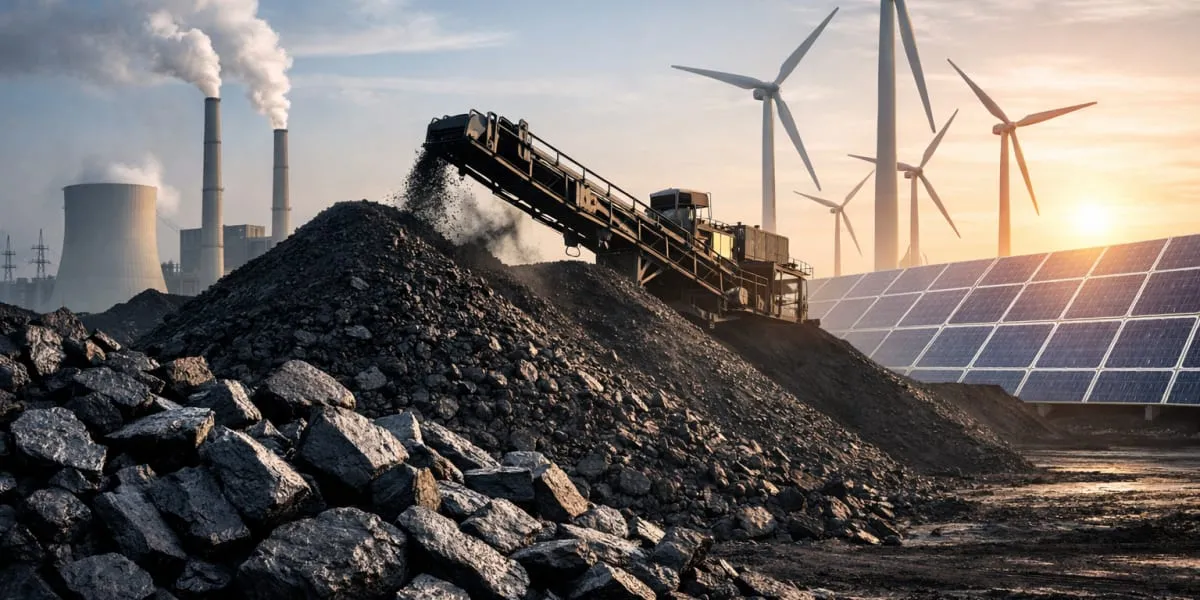
Coal contributes to energy security because:
- Large reserves are available within the country.
- It supports stable electricity generation.
- It reduces dependence on imported fuels.
- It provides fuel for critical industries.
As India’s economy continues to grow, coal remains a major component of the national energy mix.
Future of the Coal Sector in India
The future of the coal sector will depend on balancing economic growth with environmental protection.
Key Areas for Future Development
- Increased use of modern mining technology.
- Greater private sector participation.
- Improved transportation infrastructure.
- Expansion of coal beneficiation facilities.
- Development of cleaner coal technologies.
- Better environmental management practices.
India is also investing heavily in renewable energy sources such as solar and wind power. However, coal is expected to remain an important energy source for many years because of the country’s growing energy requirements.
The concept of clean coal technologies, carbon reduction measures, and efficient thermal power plants will become increasingly important in the coming decades.
As India moves toward sustainable development, policymakers will need to ensure that energy needs, economic growth, and environmental protection progress together. The coal sector will continue to play a significant role while adapting to new technologies and cleaner energy solutions.
FAQs on Coal Sector in India
1. What is the importance of the Coal Sector in India?
The Coal Sector in India provides more than half of the country’s energy needs and supports major industries such as power, steel, and cement.
2. Which state has the largest coal reserves in India?
Jharkhand has the largest coal reserves in India.
3. Why does India import coal?
India imports coal mainly to meet demand and obtain high-quality coking coal required by the steel industry.
4. What is Coal India Limited?
Coal India Limited is the largest coal-producing company in India and plays a major role in domestic coal production.
5. What is coal beneficiation?
Coal beneficiation is the process of improving coal quality by reducing ash and other unwanted materials.
6. Which type of coal is best?
Anthracite is considered the best quality coal because it has the highest carbon content and calorific value.
7. What are the major challenges facing the coal sector?
Environmental clearances, land acquisition issues, transportation challenges, pollution, and import dependence are major challenges.
8. What is the future of coal in India?
Coal will continue to be important for India’s energy security while cleaner technologies and renewable energy sources gradually expand.