




Vigilance Awareness Week 2026: Theme and Dates

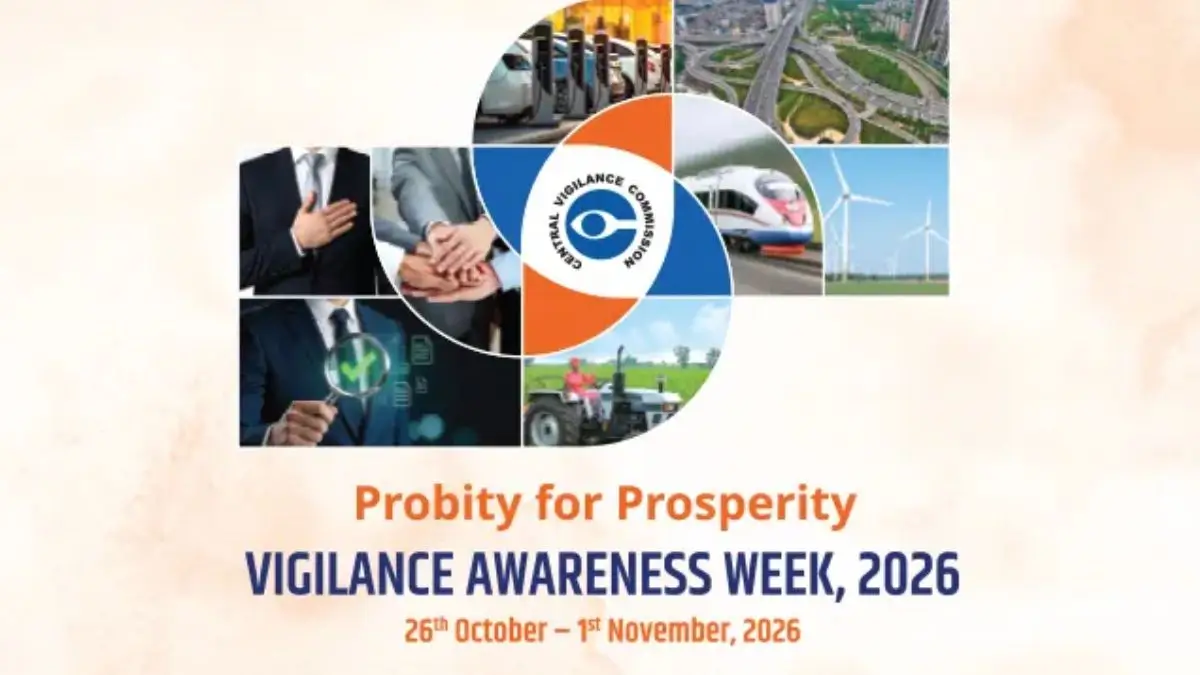
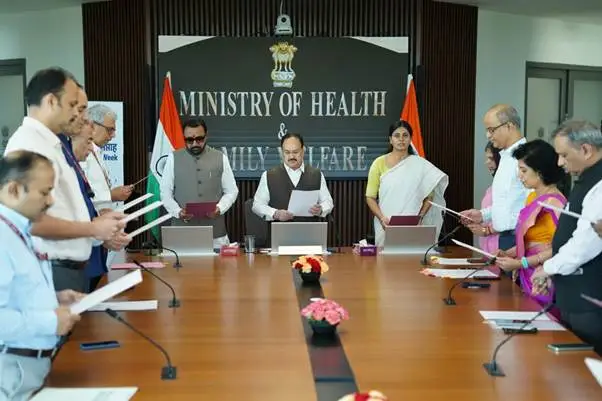
Vigilance Week 2026 is being observed across India from October 26 to November 1 to promote honesty, transparency and accountability in public services. The Central Vigilance Commission (CVC) has announced the theme “Probity for Prosperity” (सत्यनिष्ठा से समृद्धि) for this year’s observance. Government departments, public sector enterprises and banks are taking part in activities to encourage ethical behaviour and raise awareness about corruption. The week began on October 26 with public servants taking an Integrity Pledge at 11:00 am.
Vigilance Awareness Week 2026 Theme
The theme of Vigilance Awareness Week 2026 is “Probity for Prosperity”. Probity means honesty, fairness and strong moral principles, especially when carrying out official duties.

The theme highlights the link between honest administration and the country’s development. When public institutions work transparently and use public money responsibly, people can have greater trust in government services.
Corruption can affect the delivery of public services, increase costs and weaken public confidence. The campaign encourages officials and citizens to support fair practices and report wrongdoing through appropriate channels.
During the week, participating organisations are organising awareness programmes, workshops, discussions and digital campaigns. These activities aim to make integrity an important part of everyday work rather than limiting it to a single annual event.
What Is the Central Vigilance Commission?
The Central Vigilance Commission is India’s main vigilance institution for central government organisations. It works to strengthen vigilance administration and help prevent corruption in the public sector.
The CVC was established in 1964 through an executive resolution. It later received statutory status under the Central Vigilance Commission Act, 2003.
The Commission supervises vigilance administration in central government ministries and departments, along with specified public sector organisations. Its work includes helping strengthen preventive vigilance and addressing issues related to corruption within its legal responsibilities.
The CVC consists of a Central Vigilance Commissioner and may have up to two Vigilance Commissioners. They are appointed by the President of India on the recommendation of a committee comprising the Prime Minister, the Union Home Minister and the Leader of the Opposition in the Lok Sabha, or the leader of the largest opposition group in the House where applicable under the law.
The Commission plays an important role in promoting accountability and encouraging public institutions to follow proper procedures.
Three-Month Preventive Vigilance Campaign
Alongside Vigilance Awareness Week 2026, a three-month preventive vigilance campaign is running from August 17 to November 16, 2026. The campaign focuses on identifying weaknesses in administrative systems and improving the way public organisations operate.
Its main areas include the disposal of pending complaints and cases, employee training, digital initiatives and better contract management.
Clearing pending complaints can help people receive timely responses and prevent cases from remaining unresolved for long periods. Training can help employees understand rules, identify risks and follow ethical practices in their work.
Digital systems can also improve transparency by making processes easier to track and reducing unnecessary delays. Better contract management helps public organisations follow clear procedures when purchasing goods, awarding contracts and managing public funds.
Integrity Pledge and Public Participation
The Integrity Pledge is an important part of Vigilance Awareness Week. Public servants are encouraged to promise that they will perform their duties honestly, act fairly and avoid corrupt practices.
Employees and their families are also being encouraged to take the e-Integrity Pledge through the Central Vigilance Commission’s website. The online pledge provides another way for people to take part in the campaign.
Participating organisations are holding workshops, debates, quizzes and awareness sessions. These activities explain how corruption affects society and why ethical conduct matters in both public and private life.
Awareness Gram Sabhas are also planned in rural and semi-urban areas. These community-level programmes aim to help people understand how to raise complaints about corruption and access public grievance redressal systems.
Public participation is important because preventing corruption is not only the responsibility of government officials. Citizens can also support transparency by following lawful procedures, asking for clear information and reporting suspected wrongdoing through authorised channels.
Important Dates and Reporting Requirements
Vigilance Awareness Week 2026 runs from October 26 to November 1. The three-month preventive vigilance campaign continues until November 16, 2026.
Organisations taking part in the week are required to submit reports about their activities to the Central Vigilance Commission by November 30, 2026. These reports help the Commission review the programmes conducted by participating institutions.
The President, Droupadi Murmu, Vice-President C. P. Radhakrishnan and Prime Minister Narendra Modi also extended greetings on October 26, 2026, according to the announcement.
Why Vigilance Awareness Matters Today
Transparency and accountability are especially important as public services increasingly use digital platforms. Online applications, electronic payments, digital records and technology-based procurement can make services more accessible, but they also require strong safeguards and responsible handling of information.
Preventive vigilance focuses on reducing opportunities for corruption before serious problems occur. Clear rules, regular reviews, employee training and effective complaint systems can help organisations identify weaknesses and improve their work.
Vigilance Awareness Week 2026 brings these issues into public discussion through its theme, official pledge and community activities. By promoting honesty and responsible administration, the campaign aims to strengthen public trust and support fair delivery of government services.