


Kerala International Spice Routes Network: Reviving Ancient Trade Trails for Global Cultural Tourism

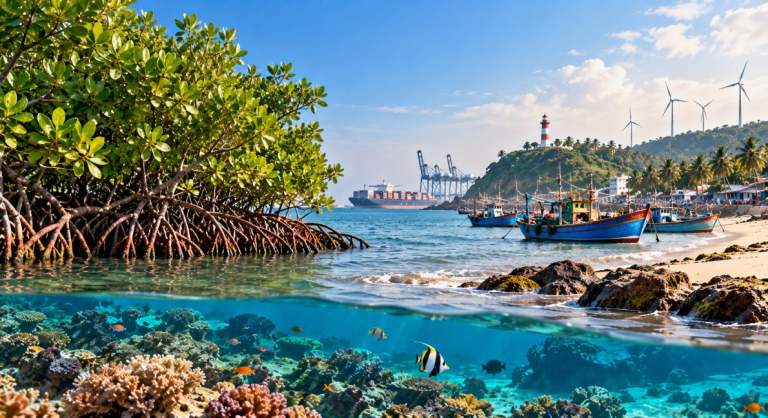
Kerala International Spice Routes Network has been launched as a bold cultural tourism and research initiative that seeks to reconnect Kerala with its historic role in global trade and cultural exchange. Announced during the first-ever three-day International Spice Routes Conference held in Kochi, the initiative reflects Kerala’s effort to bring history, heritage, and tourism together in a meaningful and contemporary way. By revisiting the ancient spice routes that once linked the Malabar coast with distant lands, the state aims to tell a global story rooted in local landscapes.
Thank you for reading this post, don't forget to subscribe!A Conference That Looked Beyond the Past
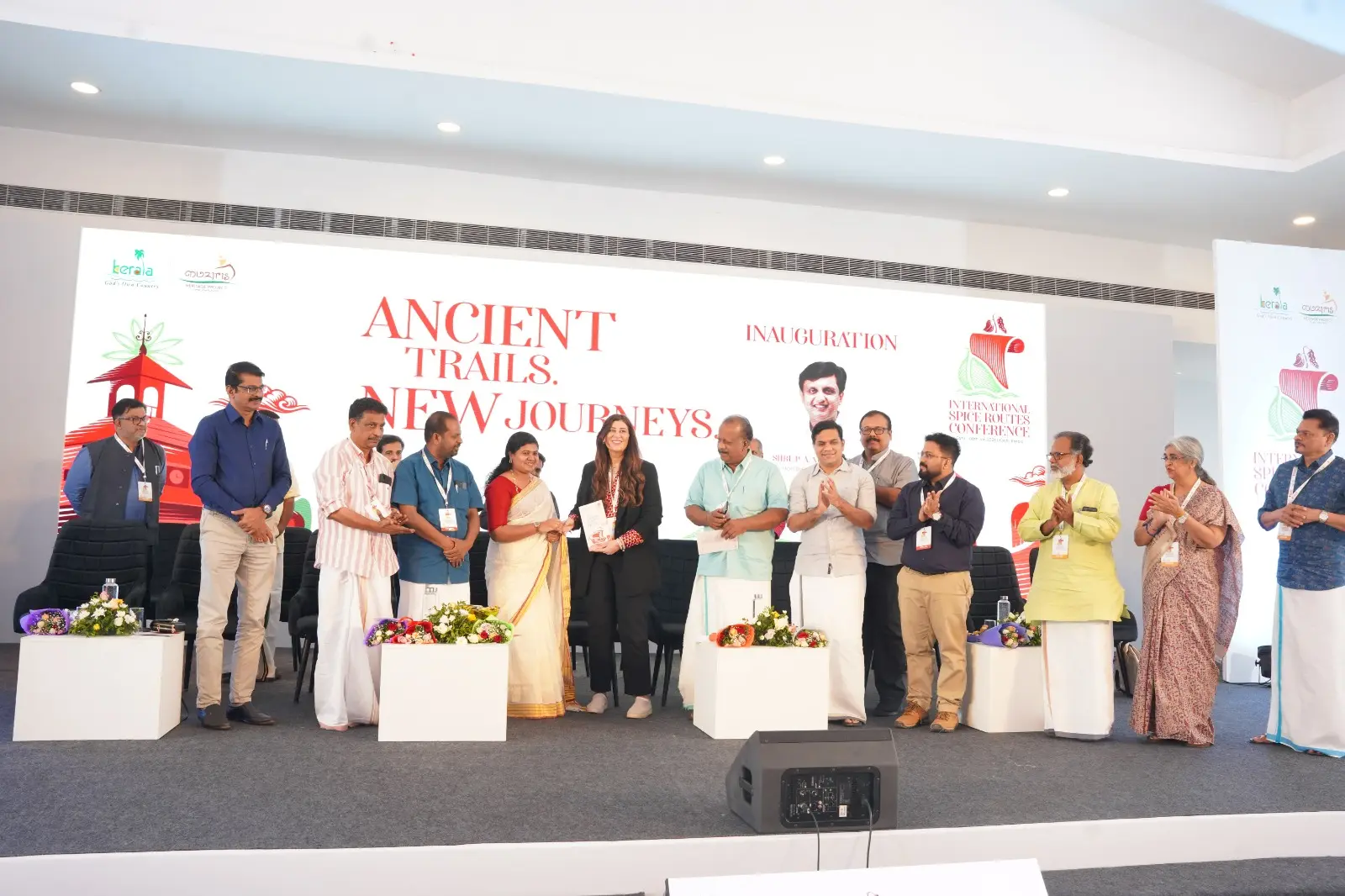
The International Spice Routes Conference, themed Ancient Trails, New Journeys, brought together historians, archaeologists, cultural scholars, tourism experts, and policymakers from India and abroad. The discussions moved beyond popular narratives and explored lesser-known aspects of the spice trade that shaped economies, societies, and cultures across continents.
Speakers highlighted how spices from Kerala were not just kitchen ingredients but valuable assets that influenced taxation systems, financial planning, and global trade strategies. Pepper, grown in abundance along Kerala’s hills and forests, was once treated as a luxury product in medieval European cities. In some regions, it was even used as a form of payment and taxation. Such stories reminded participants that the spice trade was deeply woven into the economic history of the world.
Kerala’s Central Role in the Indian Ocean World
Kerala’s location along the Arabian Sea made it a natural hub in the Indian Ocean trading network. Long before modern shipping routes existed, sailors from West Asia, East Africa, and Europe navigated seasonal winds to reach ports along the Malabar coast. These maritime links helped Kerala emerge as a meeting point of cultures, languages, and ideas.
During the conference, scholars explained how cities like Muziris played a key role in Indo-Roman trade. Goods moved both ways: spices traveled westward, while gold, wine, and new technologies came east. Over time, these exchanges shaped local customs, architecture, food habits, and social practices. The Kerala International Spice Routes Network builds on this legacy by presenting Kerala not just as a tourist destination, but as a historical crossroads of the world.
Launch of the International Spice Routes Heritage Network
One of the most significant outcomes of the conference was the formal launch of the International Spice Routes Heritage Network. This network is designed as a collaborative platform connecting countries and regions that were historically linked through spice trade routes. The aim is to encourage shared research, heritage conservation, archaeological studies, museum partnerships, and archival documentation.
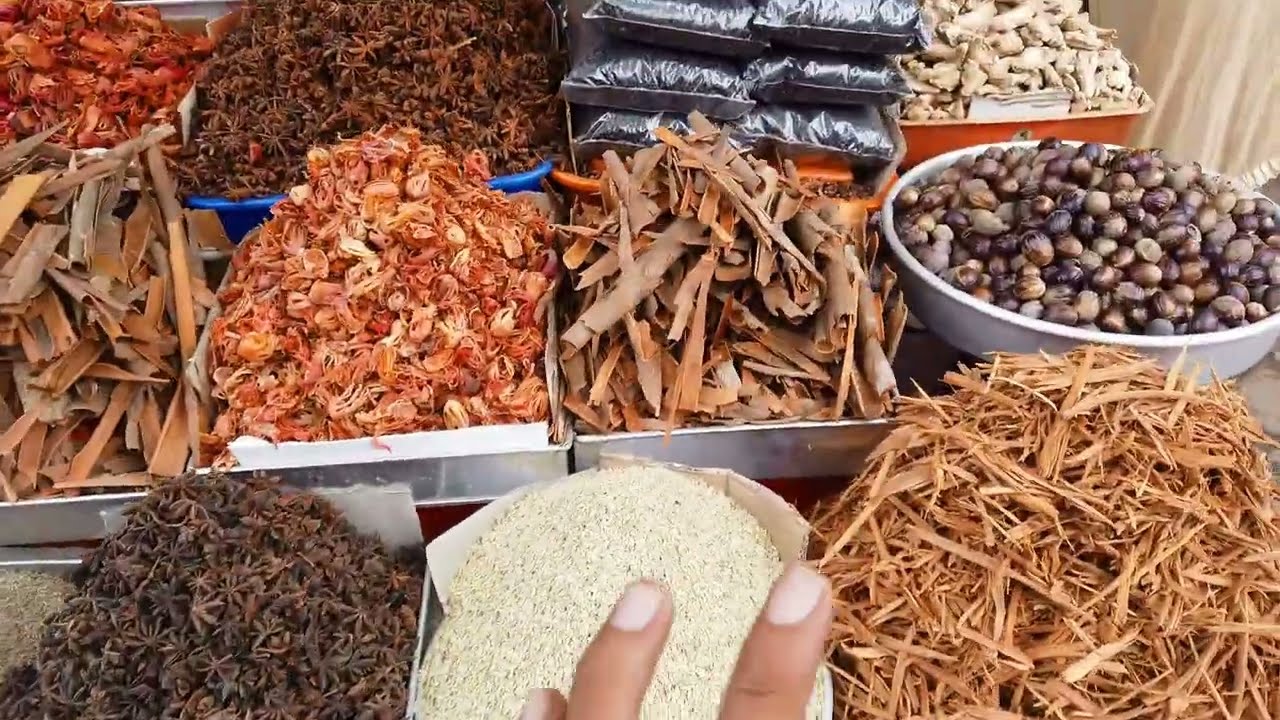
Kerala Tourism Minister P A Mohamed Riyas noted that spice routes carried far more than pepper, cinnamon, and cloves. They carried beliefs, knowledge systems, artistic styles, and technologies. According to him, the new network will help tell these interconnected stories through joint cultural projects and tourism experiences. The Kerala International Spice Routes Network is thus positioned as both a cultural bridge and a knowledge-sharing initiative.
Muziris Heritage Project and the ‘Spice Journeys’
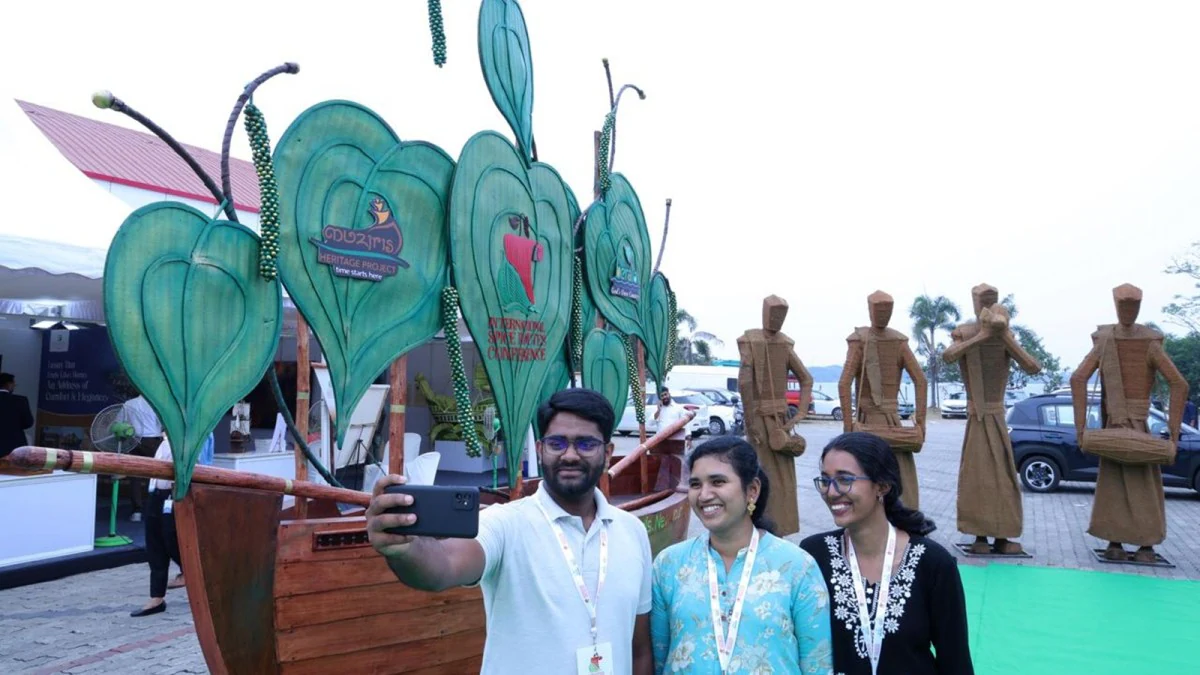
As part of the broader vision, the Muziris Heritage Project unveiled 33 curated heritage trails across Kerala, branded as ‘spice journeys’. These trails are designed to offer immersive experiences that combine history, storytelling, food, and local life. Rather than focusing only on monuments, the routes encourage visitors to explore living landscapes shaped by centuries of trade and interaction.
In Fort Kochi, the trail titled A Queen’s Story presents colonial-era narratives linked to the spice trade, highlighting the role of European powers and local rulers. In north Kerala, the Tyndis Thalassery Heritage and Spice Coast Walk traces maritime connections and cultural exchanges that influenced the region’s identity. Each trail is crafted to reflect local histories while connecting them to global movements.
Stories of People, Movement, and Memory
Another key theme at the conference was the movement of people along spice routes, both in the past and the present. Researchers discussed historic migration patterns that linked Kerala with West Asia and East Africa, as well as modern migration to Gulf countries in the mid-20th century. These movements reshaped families, economies, and cultural expressions within Kerala.
Exhibitions showcased personal stories of migrants, trade communities, and sailors who carried traditions across seas. Cultural forms such as Chavittunatakam, a dance-drama influenced by Portuguese traditions, were highlighted as examples of how global contact led to unique local art forms. Today, efforts are underway to revive and preserve such traditions as part of Kerala’s living heritage.
Tourism Rooted in Culture and Experience
Through the Kerala International Spice Routes Network, the state is aiming to attract travelers who seek meaningful and immersive experiences. Instead of mass tourism, the focus is on high-value cultural tourism that respects local communities and heritage. Visitors are invited to walk ancient paths, taste traditional cuisines, listen to stories, and engage with crafts and performances that have survived through centuries.
The initiative also opens opportunities for local artisans, historians, guides, and cultural groups to participate in tourism activities. By linking global history with local livelihoods, Kerala hopes to create a sustainable model that benefits both residents and visitors.
A Living Network for the Future
The launch of the Kerala International Spice Routes Network marks an important step in redefining how history is shared and experienced. By connecting research, heritage preservation, and tourism, the initiative presents the spice routes not as distant memories, but as living pathways that continue to shape identities and relationships.
As collaborations grow and heritage trails expand, Kerala is positioning itself as a global hub where the stories of ancient trade find new relevance. The spice routes, once driven by winds and sails, are now being rediscovered through dialogue, travel, and shared cultural understanding.