



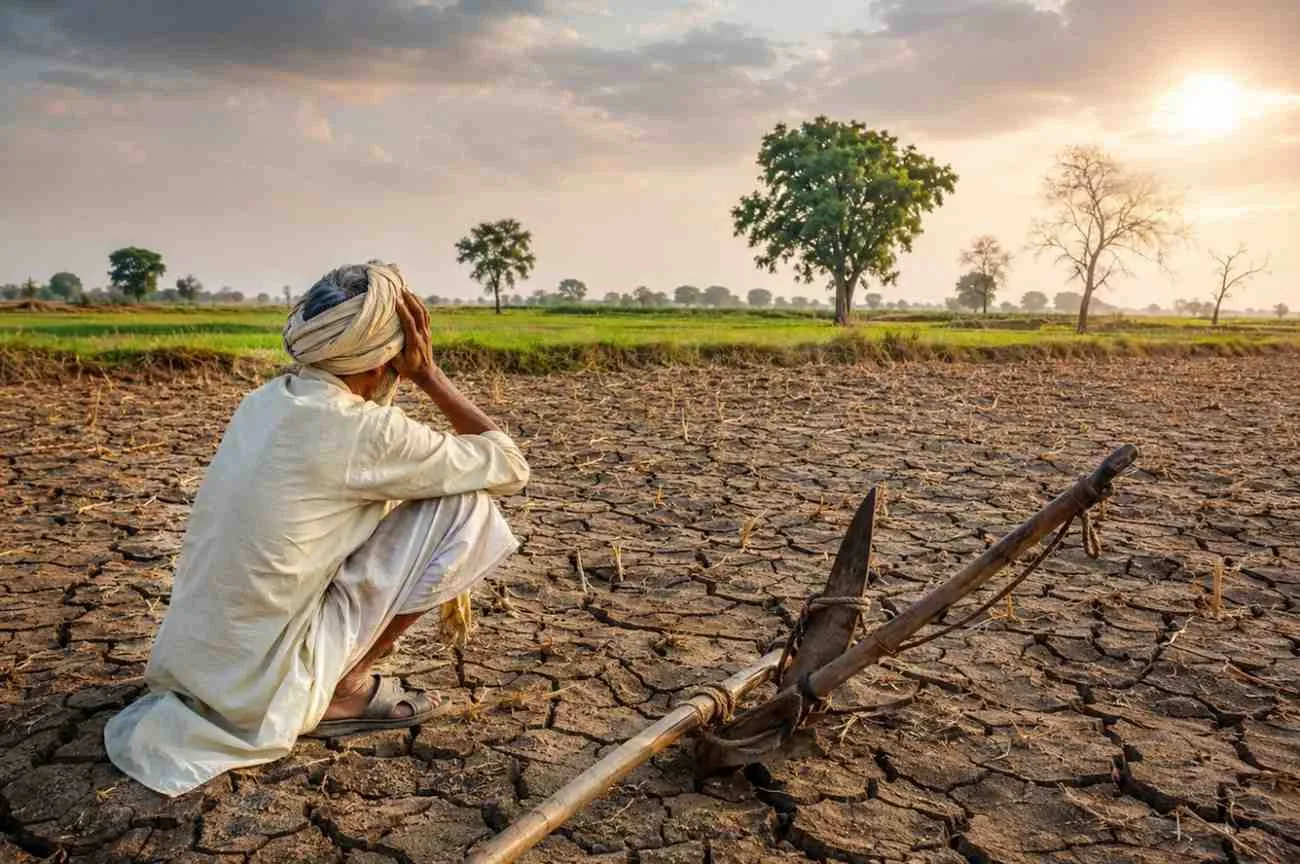
Agricultural Distress in India: Causes, Impacts and Solutions

Agricultural Distress in India remains one of the most important challenges facing the country. Agriculture is the backbone of the Indian economy and provides livelihood to millions of people. Even though India’s economy has grown rapidly in sectors such as manufacturing, information technology, and services, a large section of the population still depends on farming for survival.
India has made remarkable progress in food production since the Green Revolution. The country is now one of the world’s largest producers of rice, wheat, fruits, vegetables, milk, and several other agricultural products. However, despite this achievement, many farmers continue to face financial difficulties, uncertain incomes, crop losses, and market-related problems. These challenges together are known as agricultural distress.

Agricultural distress affects not only farmers but also the nation’s food security, rural development, and economic stability. Understanding its causes and finding practical solutions is essential for India’s future growth.
What is Agricultural Distress?
Agricultural distress refers to the difficult economic and social conditions faced by farmers due to low income, rising costs, poor market prices, debt burdens, climate-related risks, and lack of support systems. When farmers are unable to earn enough from farming activities, they face financial hardships that can affect their families and communities.
The issue has become more serious in recent years due to changing weather patterns, increasing production costs, and market uncertainties.
Major Causes of Agricultural Distress in India
1. Poor Policy Planning
For many years, government policies focused mainly on increasing agricultural production and ensuring food security. While these goals were important, less attention was given to improving farmers’ incomes.
As a result, production increased in several regions, but many farmers continued to earn low profits. Policies often emphasized crop output rather than farmer welfare and financial security.
2. Small and Fragmented Land Holdings
One of the biggest problems in Indian agriculture is the shrinking size of farmland.
Due to population growth and division of family property over generations, agricultural land has become fragmented into smaller plots. Small farms make it difficult to use modern machinery and advanced farming techniques efficiently.
Small farmers also face higher production costs and lower profits compared to large farmers.
3. Dependence on Monsoon Rainfall
A large part of Indian agriculture still depends on rainfall. When monsoon rains arrive late, are insufficient, or cause floods, crop production suffers.
Climate change has increased the frequency of extreme weather events such as:
- Droughts
- Floods
- Heat waves
- Cyclones
- Unseasonal rainfall
These events often result in crop damage and financial losses for farmers.
4. Low Crop Prices
Farmers often do not receive fair prices for their produce. Sometimes market prices fall sharply due to excess supply or reduced demand.
Global price fluctuations also affect Indian agriculture. Cheap imports can reduce domestic prices, making it difficult for local farmers to compete.
As a result, farmers may spend more on cultivation than they earn from selling their crops.
5. Limited Access to Credit
Agriculture requires investment in seeds, fertilizers, pesticides, irrigation, and machinery. However, many farmers struggle to obtain affordable loans from banks.
Due to lack of formal credit, they often borrow money from private moneylenders at very high interest rates. This creates a cycle of debt that becomes difficult to escape.
6. Poor Storage and Supply Chain Infrastructure
Agricultural products often spoil before reaching markets because of inadequate storage facilities.
Major challenges include:
- Lack of warehouses
- Insufficient cold storage facilities
- Poor transportation networks
- Weak rural connectivity
These problems lead to post-harvest losses and lower profits for farmers.
7. Low Level of Mechanisation
Modern agricultural machinery can improve productivity and reduce labor costs. However, many farmers cannot afford expensive equipment.
Lack of awareness, limited access to finance, and small land holdings also prevent the adoption of modern technology.
8. Pest and Disease Attacks
Crop diseases and pest infestations can destroy large portions of agricultural produce. Farmers often suffer huge financial losses when crops fail due to these factors.

Without proper technical guidance and timely support, managing these risks becomes difficult.
9. Deficiencies in Agricultural Markets
Many agricultural markets are controlled by intermediaries and middlemen.
Problems include:
- Lack of competition
- Limited market access
- Delayed payments
- Price manipulation
These issues reduce the share of profits received by farmers.
Impact of Agricultural Distress
Reduced Farmer Income
The most direct effect of agricultural distress is reduced income. Farmers often struggle to cover production costs and household expenses.
Low earnings make it difficult for families to invest in education, healthcare, and better farming practices.
Increased Rural Poverty
Agricultural distress contributes significantly to rural poverty. Many farming households remain trapped in debt and financial insecurity.
This affects overall rural development and living standards.
Migration to Cities
Many young people leave villages and move to cities in search of better employment opportunities.
As a result:
- Farming workforce decreases
- Rural communities weaken
- Urban areas experience population pressure
Declining Interest in Farming
Uncertain income and financial risks discourage younger generations from choosing agriculture as a profession.
This can create long-term challenges for food production and agricultural sustainability.
Farmer Suicides
Financial stress, crop failures, and debt burdens have contributed to farmer suicides in several parts of India.
This remains one of the most serious social consequences of agricultural distress.
Threat to Food Security
If farming becomes unprofitable, agricultural production may decline over time. This could affect the country’s ability to meet future food requirements.
National Commission on Farmers (NCF)
The National Commission on Farmers was established on 18 November 2004 under the leadership of agricultural scientist M. S. Swaminathan.
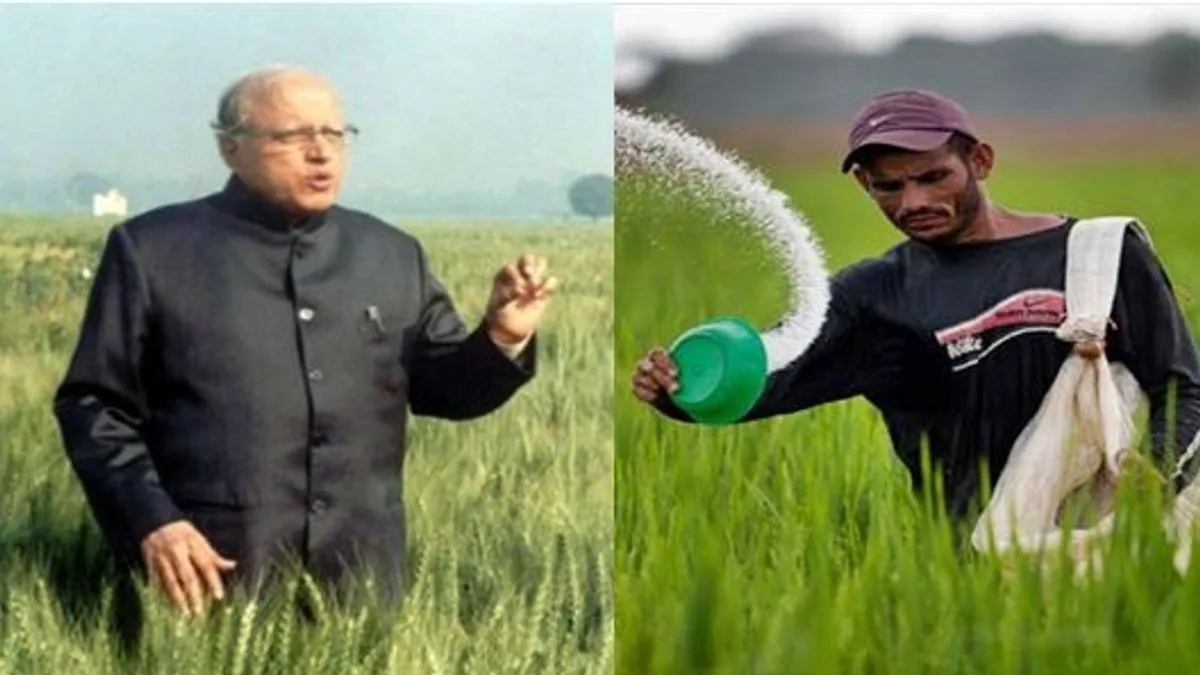
The commission studied the challenges faced by farmers and suggested measures to improve their economic conditions.
Key Recommendations
The commission recommended:
- Better access to land and water resources
- Improved credit facilities
- Social security measures for farmers
- Enhanced agricultural research
- Fair pricing mechanisms
One of its most important recommendations related to the Minimum Support Price (MSP).
Understanding MSP and Cost Concepts
The Commission for Agricultural Costs and Prices (CACP) uses different methods to calculate production costs.
A2 Cost
This includes actual expenses paid by farmers on:
- Seeds
- Fertilizers
- Pesticides
- Irrigation
- Labor
A2 + FL Cost
This includes:
- A2 costs
- Value of unpaid family labor
C2 Cost
This includes:
- A2 + FL costs
- Rent on owned land
- Interest on fixed assets
The commission recommended that MSP should be fixed at least 50% above the C2 cost to provide adequate returns to farmers.
Solutions to Agricultural Distress
Improve Agricultural Infrastructure
Better infrastructure can significantly increase farmer income.
Important improvements include:
- Rural roads
- Irrigation systems
- Warehouses
- Cold storage facilities
- Food processing units
These facilities reduce losses and improve market access.
Promote Modern Technology
Technology can improve agricultural productivity and efficiency.
Useful technologies include:
- Drip irrigation
- Precision farming
- Weather forecasting systems
- Mobile-based advisory services
- Farm machinery
These innovations help reduce costs and increase output.
Increase Crop Productivity
Higher productivity allows farmers to earn more from the same area of land.
This can be achieved through:
- Improved seeds
- Scientific farming methods
- Better soil management
- Efficient irrigation practices
Diversification of Agriculture
Farmers should diversify into high-value activities such as:
- Horticulture
- Dairy farming
- Poultry farming
- Fisheries
- Beekeeping
Diversification reduces risk and increases income opportunities.
Strengthen Allied Sectors
Agriculture alone may not provide sufficient income for all rural families.
Support for allied sectors such as food processing and livestock farming can create additional employment opportunities.
Cooperative Farming
Small farmers can join together and form cooperatives.
Benefits include:
- Shared machinery
- Lower input costs
- Better bargaining power
- Improved market access
Cooperative farming can increase efficiency and profitability.
Market Reforms
A competitive and transparent market system is essential.
Reforms should focus on:
- Better price discovery
- Reduced role of middlemen
- Faster payments
- Improved digital marketing platforms
Encourage Agricultural Exports
Long-term export policies can help farmers access international markets and receive better prices for their products.
Government Initiatives for Farmers
Pradhan Mantri Fasal Bima Yojana (PMFBY)
This crop insurance scheme protects farmers from losses caused by natural disasters and crop failures.

PM Krishi Sinchai Yojana (PMKSY)
The scheme promotes efficient irrigation and aims to improve water availability for agriculture.
PM-KISAN
The Pradhan Mantri Kisan Samman Nidhi provides direct financial assistance to eligible farming families.
e-NAM
The National Agriculture Market connects agricultural markets across India and improves price transparency.
Soil Health Card Scheme
This scheme helps farmers understand soil quality and apply fertilizers more efficiently.
Neem-Coated Urea
The initiative improves fertilizer efficiency and reduces misuse.
AgriStack
AgriStack aims to create a digital database that supports better delivery of agricultural services.
National e-Governance Plan in Agriculture
This program uses digital technology to provide information and services to farmers.
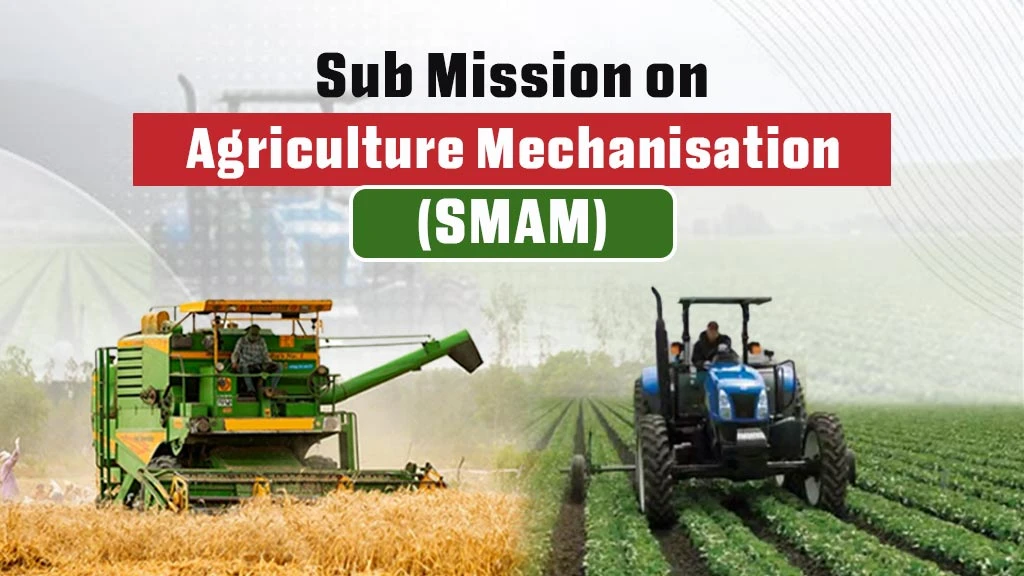
Sub-Mission on Agricultural Mechanization
The scheme promotes the use of modern agricultural machinery among farmers.
National Mission on Edible Oils – Oil Palm
The mission encourages domestic production of palm oil and reduces import dependence.
The Way Forward
Agricultural Distress in India cannot be solved through a single policy or short-term measure. Loan waivers and temporary financial assistance may provide immediate relief, but they are not permanent solutions.
India needs a long-term strategy that focuses on increasing farmer income, improving productivity, strengthening agricultural markets, expanding irrigation facilities, and promoting modern technology.
Direct Benefit Transfers (DBTs), market reforms, infrastructure development, export promotion, and support for allied sectors can create a stronger agricultural system.
A farmer-friendly approach that combines technology, investment, market access, and social protection will help reduce agricultural distress and ensure sustainable growth in rural India. Strong agriculture is essential not only for farmers but also for India’s economy, food security, and future development.
FAQs
Q1. What is Agricultural Distress in India?
Agricultural distress refers to the financial and social difficulties faced by farmers due to low income, debt, crop losses, and market problems.
Q2. What are the major causes of agricultural distress?
Small land holdings, climate change, low crop prices, debt, poor irrigation, and weak market systems are major causes.
Q3. How does agricultural distress affect farmers?
It reduces income, increases debt, causes migration, and creates financial insecurity for farming families.
Q4. What is the role of MSP in supporting farmers?
Minimum Support Price (MSP) ensures that farmers receive a minimum guaranteed price for certain crops.
Q5. What is PM-KISAN Scheme?
PM-KISAN provides direct financial support to eligible farmer families through annual cash assistance.
Q6. How can technology help Indian farmers?
Technology improves productivity, reduces costs, saves water, and provides better crop management solutions.
Q7. Why is cooperative farming important?
Cooperative farming helps small farmers share resources, reduce costs, and increase profits.
Q8. What are allied agricultural sectors?
Dairy, poultry, fisheries, horticulture, and food processing are important allied sectors that increase farmer income.