


Agriculture Export Policy 2018: India’s Roadmap for Boosting Agricultural Exports

Agriculture Export Policy 2018 is an important initiative of the Government of India aimed at increasing agricultural exports and improving the income of farmers. Agriculture is the backbone of the Indian economy and supports millions of people across the country. Although India is one of the world’s largest producers of agricultural products, its share in global agricultural trade has remained relatively low.
To improve this situation, the Union Cabinet approved the Agriculture Export Policy in 2018. The policy was designed to create new opportunities for farmers, strengthen India’s position in global agricultural markets, and increase exports of agricultural products. It also aims to connect Indian farmers with international value chains and make India a major agricultural exporting nation.

The government also approved the creation of a monitoring framework to ensure proper implementation of the policy and achieve its goals effectively.
What is Agriculture Export Policy 2018?
Agriculture Export Policy 2018 is a comprehensive policy introduced by the Government of India to promote agricultural exports. The policy focuses on increasing the export of farm products, improving infrastructure, encouraging value addition, and making Indian agricultural products competitive in international markets.
The policy seeks to:
- Increase agricultural exports significantly.
- Improve farmers’ income through better market access.
- Strengthen India’s presence in global agricultural trade.
- Promote value-added agricultural products.
- Encourage exports of traditional and organic products.
The policy envisions transforming India into a global agricultural powerhouse by creating a favorable environment for agricultural exports.
Need for Agriculture Export Policy
India produces a wide variety of agricultural products such as rice, wheat, spices, fruits, vegetables, tea, coffee, dairy products, and marine products. However, many farmers face problems such as low prices, limited market access, and inadequate storage facilities.
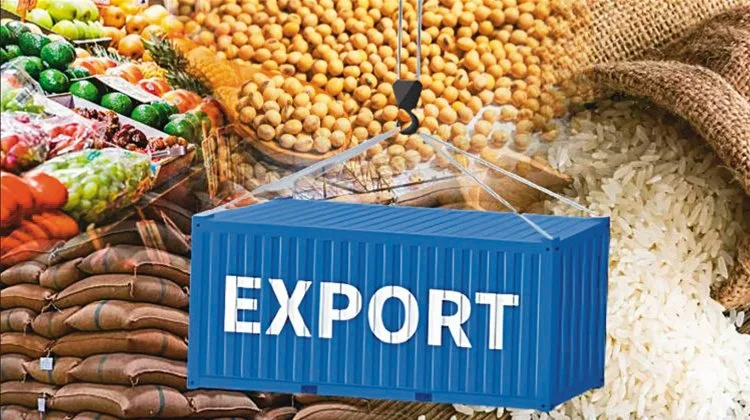
The Agriculture Export Policy was introduced to address these issues by:
- Expanding access to international markets.
- Increasing demand for Indian agricultural products.
- Creating better income opportunities for farmers.
- Reducing dependence on domestic markets.
- Improving export-related infrastructure.
Objectives of Agriculture Export Policy 2018
The policy has several important objectives aimed at strengthening India’s agricultural export sector.
1. Doubling Agricultural Exports
One of the primary goals of the policy was to increase agricultural exports from approximately 30 billion dollars to 60 billion dollars.
2. Diversification of Export Basket
The policy encourages the export of a wider range of agricultural products instead of depending on only a few commodities.
3. Promotion of Value-Added Products
The government seeks to increase exports of processed and value-added agricultural products, which generate higher profits compared to raw products.
4. Focus on Perishable Products
Special attention is given to fruits, vegetables, flowers, dairy products, and other perishable goods.
5. Promotion of Organic and Traditional Products
The policy supports exports of:
- Organic products
- Indigenous products
- Ethnic products
- Traditional farm products
- Non-traditional agricultural goods
6. Removal of Trade Barriers
The policy aims to establish mechanisms to address market access issues, quality standards, and international trade barriers.
7. Increasing India’s Share in Global Trade
Another important objective is to increase India’s participation in global agricultural value chains and expand its share in world agricultural exports.
Understanding Sanitary and Phytosanitary Measures (SPS)
An important part of agricultural trade is compliance with international safety standards.
What are SPS Measures?
Sanitary and Phytosanitary (SPS) Measures are rules that protect:
| Area | Purpose |
|---|---|
| Food Safety | Protect consumers from harmful food products |
| Animal Health | Prevent spread of animal diseases |
| Plant Health | Prevent pests and plant diseases |
These measures became important after the establishment of the World Trade Organization (WTO) on 1 January 1995.
Countries are allowed to create safety standards, but these standards must be scientifically justified and should not be used as unfair trade barriers.
For Indian exporters, meeting SPS requirements is essential for entering international markets.
Key Elements of Agriculture Export Policy 2018
The policy is divided into two major categories:
Strategic Components
These are long-term measures designed to create a strong export ecosystem.
| Strategic Measures |
| Policy Reforms |
| Infrastructure Development |
| Logistics Support |
| Export Promotion |
| State Government Participation |
| Integrated Export Strategy |
Operational Components
These measures focus on day-to-day export promotion activities.
| Operational Measures |
| Cluster-Based Development |
| Promotion of Value Addition |
| Branding of Indian Products |
| Attracting Private Investment |
| Quality Control Systems |
| Research and Development |
| Market Promotion Activities |
Cluster-Based Approach
The policy encourages the development of agricultural export clusters.
What is an Export Cluster?
An export cluster is a geographical area where a particular agricultural product is produced in large quantities.
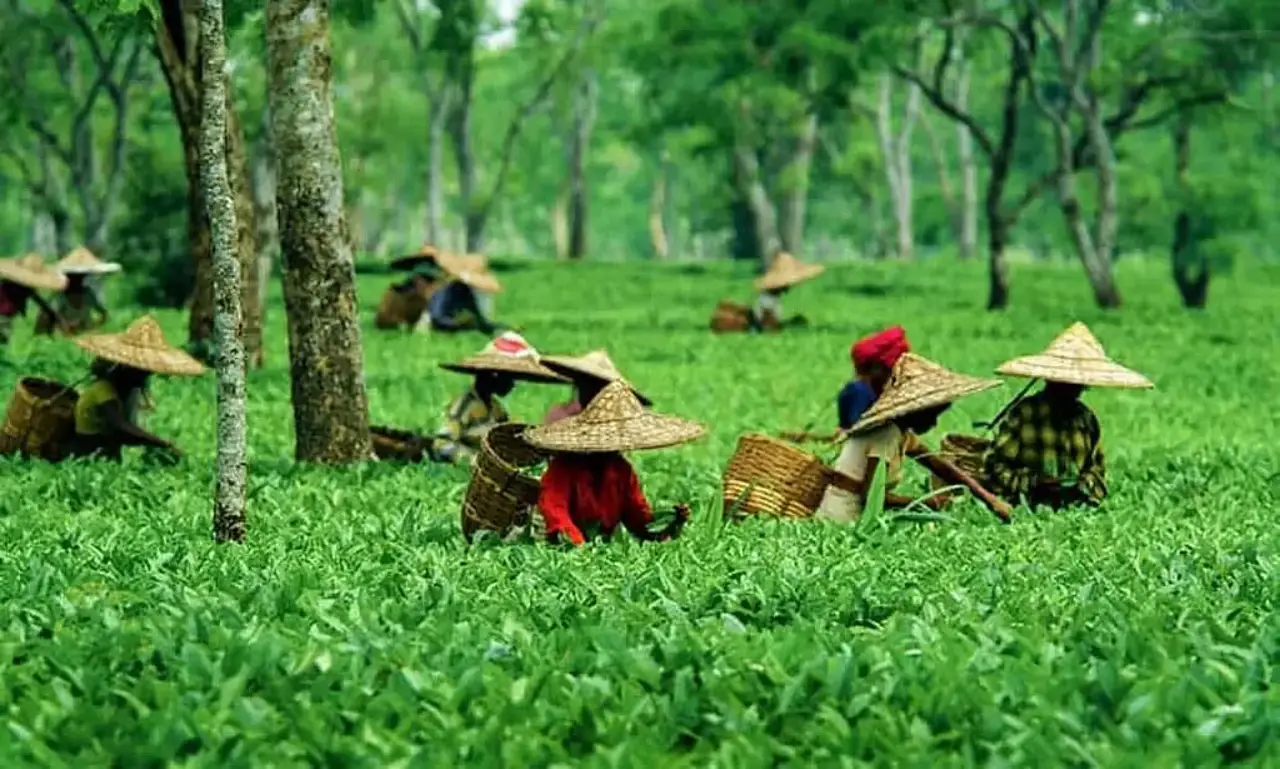
Examples include:
| Product | Possible Cluster Region |
| Tea | Assam |
| Basmati Rice | Punjab and Haryana |
| Mango | Uttar Pradesh |
| Spices | Kerala |
| Grapes | Maharashtra |
Clusters help improve production quality, reduce transportation costs, and simplify export procedures.
Importance of Brand India
The policy emphasizes building a strong international image for Indian agricultural products through the concept of Brand India.
A strong brand helps:
- Improve consumer trust.
- Increase product demand.
- Strengthen India’s reputation.
- Create premium market opportunities.
Products such as Indian tea, spices, basmati rice, and organic products can gain higher recognition through effective branding.
Role of the World Trade Organization (WTO)
The World Trade Organization plays an important role in shaping international trade policies.
WTO and Agriculture Export Policy
The Agriculture Export Policy has been designed to remain compatible with WTO rules.
India’s economic growth has changed its eligibility for certain export subsidies. According to WTO regulations, countries crossing specific income levels face restrictions on providing direct export incentives.
As a result, the policy focuses on:
- Marketing support
- Infrastructure development
- Quality improvement
- Export clusters
- Trade facilitation
These measures are generally accepted under WTO guidelines.
Benefits of Agriculture Export Policy 2018
The policy offers several benefits for farmers, exporters, and the national economy.
1. India as a Reliable Trading Partner
Frequent changes in export policies can affect India’s reputation in global markets.
The Agriculture Export Policy promotes stability and consistency, helping India become a dependable supplier.
2. Increased Foreign Exchange Earnings
Agricultural exports generate valuable foreign currency.
Higher exports help strengthen India’s foreign exchange reserves and improve the country’s balance of payments.
3. Crop Diversification
Farmers are encouraged to cultivate different crops instead of relying on a single crop.
Benefits include:
- Reduced risk of crop failure.
- Better market opportunities.
- Improved soil health.
- Increased income potential.
4. Higher Farmer Income
Better access to international markets often leads to better prices for agricultural products.
This can improve the economic condition of farming communities.
5. Growth of Food Processing Industry
As exports increase, demand for processed agricultural products also rises.
This creates opportunities for:
- Food processing industries
- Packaging industries
- Cold storage facilities
- Transportation services
6. Employment Generation
Agricultural exports create jobs in:
- Farming
- Processing
- Warehousing
- Logistics
- Marketing
- Export management
Challenges Facing Agriculture Export Policy
Despite its benefits, several challenges affect the successful implementation of the policy.
1. Low International Prices
Global prices of products such as:
- Wheat
- Sugar
- Cooking oil
- Dairy products
- Meat products
are often lower than Indian prices.
This reduces India’s competitiveness in international markets.
2. Impact of Minimum Support Price (MSP)
The MSP system protects farmers but can increase domestic prices of crops like wheat and rice.
Higher prices sometimes make Indian products less attractive to foreign buyers.
3. Consumer-Centric Policies
The government often allows imports to control food inflation and protect consumers.
This can sometimes affect domestic producers and exporters.
4. Lack of Awareness Among Farmers
Many farmers are not fully aware of:
- Global market trends
- Export opportunities
- Quality standards
- Packaging requirements
This limits their participation in export markets.
5. Poor Infrastructure
Infrastructure challenges include:
| Infrastructure Problem | Impact |
| Inadequate Cold Storage | Product Loss |
| Weak Port Facilities | Export Delays |
| Poor Logistics | Higher Costs |
| Limited Warehousing | Quality Issues |
6. High Logistics Costs
Transportation and logistics costs in India remain higher compared to many competing countries.
This reduces profit margins for exporters.
Steps Needed for Better Implementation
To achieve the policy’s goals, several improvements are necessary.
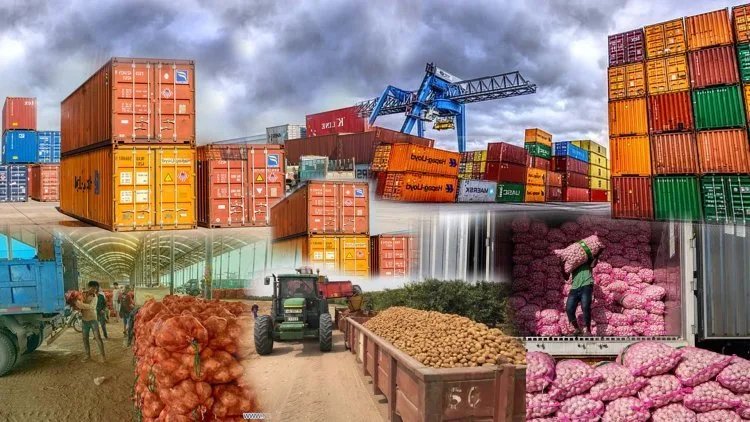
Strengthening Infrastructure
The government should invest in:
- Modern warehouses
- Cold chain systems
- Processing facilities
- Export terminals
- Transportation networks
Reforming Agricultural Markets
Reforms in agricultural marketing can improve efficiency.
Important reforms include:
- Greater market freedom.
- Better contract farming systems.
- Improved agricultural marketing laws.
- Easier land leasing regulations.
Easy Access to Finance
Small exporters often face financial difficulties.
Providing:
- Low-interest loans
- Export credit support
- Insurance facilities
can help them expand their operations.
Farmer Training and Awareness
Farmers should receive regular training regarding:
- Export standards
- Product quality
- Packaging
- International market demand
Trade Promotion Organizations
The government can establish trade promotion centers in strategic international markets to:
- Promote Indian products.
- Identify buyers.
- Increase market access.
- Build long-term trade relationships.
Recent Relevance of Agriculture Export Policy
In recent years, India has emerged as a major exporter of rice, spices, marine products, tea, coffee, fruits, and vegetables. Growing global demand for organic products, processed foods, and specialty agricultural products has created new opportunities for Indian farmers.
Government initiatives such as digital agriculture, agricultural infrastructure development, food processing schemes, and export promotion programs complement the objectives of the Agriculture Export Policy 2018. These efforts can help India strengthen its position in international agricultural trade and improve the livelihoods of millions of farmers.
FAQs on Agriculture Export Policy 2018
1. What is Agriculture Export Policy 2018?
It is a government policy introduced to increase agricultural exports, improve farmer income, and strengthen India’s position in global agricultural markets.
2. When was the Agriculture Export Policy launched?
The policy was approved by the Union Cabinet in 2018.
3. What is the main aim of the policy?
Its main aim is to boost agricultural exports and connect Indian farmers with global value chains.
4. What are export clusters?
Export clusters are regions where specific agricultural products are produced and promoted for exports.
5. Why are SPS measures important?
SPS measures ensure food safety and protect animal and plant health in international trade.
6. How does the policy benefit farmers?
The policy helps farmers access larger markets, receive better prices, and increase their income.
7. What are the major challenges to agricultural exports?
Major challenges include poor infrastructure, high logistics costs, low international prices, and lack of awareness among farmers.
8. How does WTO influence the policy?
The policy follows WTO rules and focuses on infrastructure, quality improvement, and market promotion instead of direct export subsidies.