Swadeshi and Boycott Movement – History, Causes, Impact and Significance

The Swadeshi and Boycott Movement was one of the most important phases of India’s freedom struggle. It marked a turning point in the fight against British colonial rule and helped in spreading nationalism among common people. The movement started in 1905 as a protest against the Partition of Bengal and soon became a powerful mass movement across India.
Thank you for reading this post, don't forget to subscribe!This movement encouraged Indians to use goods made in India (Swadeshi) and reject foreign goods (Boycott). It not only affected the economy but also changed the mindset of the people by promoting self-reliance and unity.
Emergence of Nationalism in India
The roots of the Swadeshi and Boycott Movement can be traced to the rise of nationalism in the 19th century. It was during this period that the idea of a national identity and national consciousness first developed among the people of India. Before this, Indians did not strongly see themselves as one united nation. However, various social, economic, and political factors gradually inspired people to define and achieve a shared national identity.
This growing feeling of unity and awareness laid the foundation for organized resistance against British rule. Over time, people began to understand that freedom could only be achieved through collective effort and national unity.
Causes of Growing Nationalism
1. Recognising True British Intentions
Indians slowly realized that the British government was not willing to fulfill their important demands. Instead of working for the welfare of Indians, the British were mainly focused on strengthening their own control and economic gain. The economic hardships of the 1890s further exposed the exploitative nature of colonial rule.
2. Growth of Confidence Among People
A new sense of confidence started growing among Indians. People began to believe that involving the masses in the struggle was necessary to achieve freedom. This marked a shift from limited political action to broader public participation.
3. Increasing Awareness Through Education
The spread of modern education played a key role in awakening nationalism. Educated Indians became more aware of their rights and started questioning British policies. This awareness gradually spread to wider sections of society.
4. Economic Problems and Rising Discontent
Unemployment, underemployment, and poverty increased under British rule. These economic problems created dissatisfaction, especially among the youth and emerging radical nationalists, who demanded stronger action against colonial rule.
5. International Influences
Indian nationalists were inspired by movements in countries like Ireland, Japan, Egypt, Turkey, Persia, and China. These movements proved that European powers were not invincible and that foreign rule could be challenged and defeated.
6. Conservative Policies of Lord Curzon
The policies of Lord Curzon created widespread anger among Indians. Measures such as the Indian Universities Act, the Calcutta Corporation Act, and most importantly, the Partition of Bengal (1905) led to strong protests across the country. These policies were seen as attempts to weaken Indian unity and strengthen British control.
7. Birth of the Swadeshi Movement
The Swadeshi Movement, one of the most important movements of the pre-Gandhian era, emerged directly as a response to the Partition of Bengal. It became a powerful expression of nationalism, encouraging people to rely on Indian goods and reject foreign products.
Partition of Bengal: The Immediate Cause
In 1905, the British government, under Lord Curzon, decided to divide Bengal into two parts East Bengal and West Bengal. Officially, this was done for administrative convenience, but in reality, it was an attempt to divide Hindus and Muslims.
This policy of “Divide and Rule” created widespread anger among people. They saw it as an attack on their unity and identity.
As a result, protests started across Bengal, which later developed into the Swadeshi and Boycott Movement.
Beginning of the Swadeshi Movement
Anti-Partition Campaign
The movement began as an anti-partition campaign led by moderate leaders. They used peaceful methods such as:
- Writing petitions to the government
- Organizing public meetings
- Spreading awareness through newspapers
Newspapers like Hitabadi, Sanjibani, and Bengalee played an important role in spreading the message.
However, when these methods failed, people decided to take stronger action.
Formal Launch of the Movement
In August 1905, a large meeting was held at Calcutta Town Hall where the Swadeshi Movement was officially announced.
People took a pledge to:
- Boycott foreign goods
- Use only Indian-made products
This marked the beginning of a powerful mass movement.
Main Features of the Swadeshi and Boycott Movement
1. Boycott of Foreign Goods
People stopped buying foreign goods like:
- British cloth (Manchester cloth)
- Salt from Liverpool
- Other imported items
In many places, foreign goods were publicly burned.
2. Promotion of Swadeshi Goods
Indians were encouraged to:
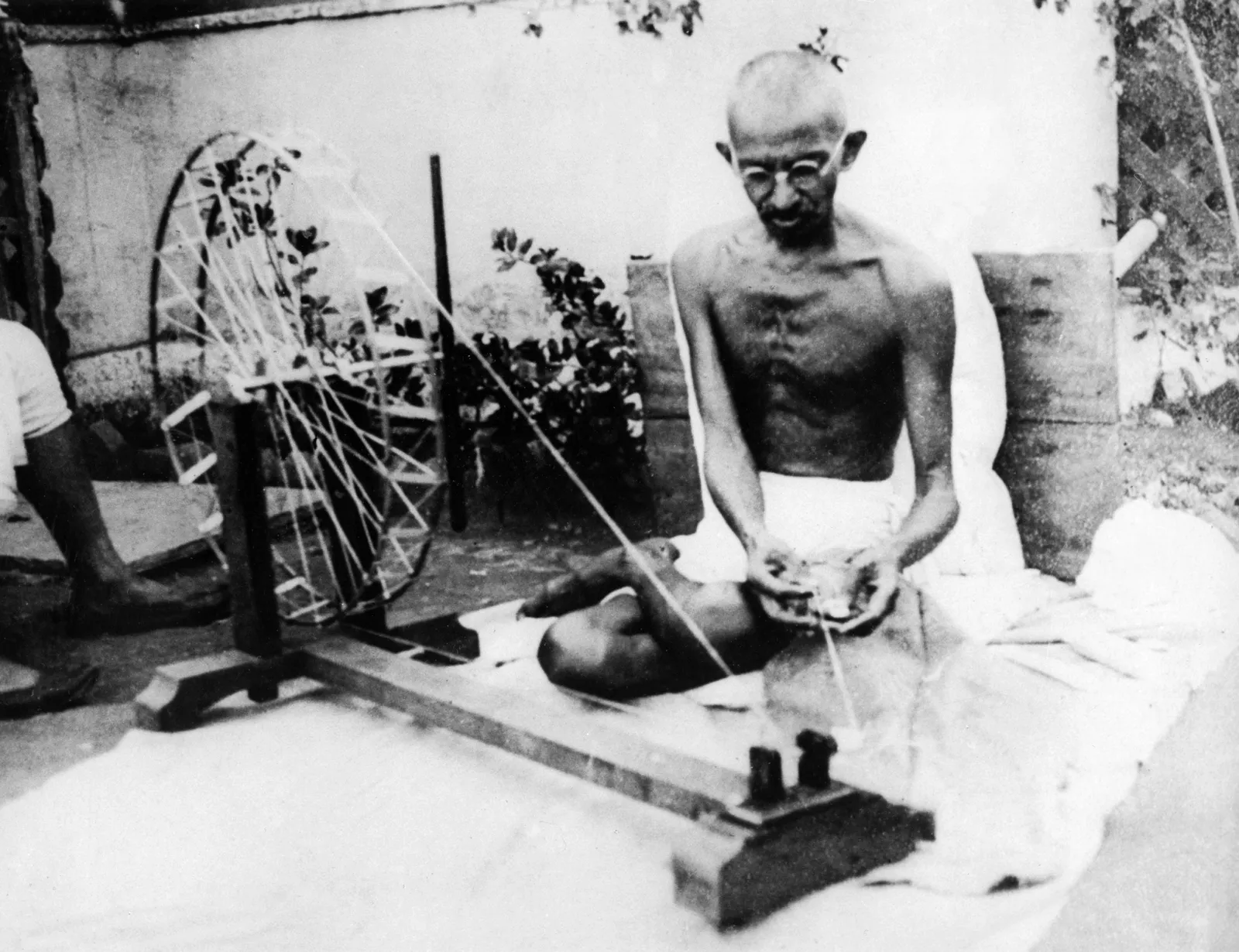
- Use locally made products
- Support Indian industries
- Revive traditional crafts
This helped in promoting economic independence.
3. Cultural Awakening
The movement also had a strong cultural impact:
- People sang “Vande Mataram” during protests
- Songs and literature inspired nationalism
- Festivals were used to spread awareness
Rabindranath Tagore composed Amar Sonar Bangla, which became a symbol of unity.
4. Symbol of Unity
People tied Rakhi on each other’s wrists to show unity and brotherhood. This was a powerful message against division.
Spread of the Movement Across India
Although the movement started in Bengal, it soon spread to other parts of India.
Important Leaders in Different Regions
- Bal Gangadhar Tilak led the movement in Poona and Bombay
- Lala Lajpat Rai and Ajit Singh led it in Punjab
- Syed Haider Raza led it in Delhi
- Chidambaram Pillai led it in Madras
This shows that the movement became national in nature.
Role of the Indian National Congress (INC)
The Indian National Congress supported the Swadeshi Movement and opposed the Partition of Bengal.
In 1905, the Congress officially condemned the partition. However, there were differences among its leaders.
Moderates vs Extremists
Moderates
- Preferred peaceful methods
- Did not want to go beyond boycott
Extremists
- Wanted stronger actions
- Supported mass participation
- Demanded complete self-rule (Swaraj)
1906 Congress Session
In the 1906 session held at Calcutta, under the leadership of Dadabhai Naoroji, the Congress declared Swaraj (self-government) as its goal.
Rise of Extremist Leaders (Garam Dal)
After 1905, extremist leaders gained more influence in the movement.
Famous Leaders
- Lala Lajpat Rai
- Bal Gangadhar Tilak
- Bipin Chandra Pal
These leaders are known as Lal-Bal-Pal.
Reasons for Rise of Extremists
- Failure of moderate methods
- Repressive policies of British government
- Growing anger among youth
New Methods Adopted
Extremists expanded the movement by calling for the boycott of:
- Government schools and colleges
- Government jobs
- Courts and councils
- British titles
Bal Gangadhar Tilak gave the famous slogan:
“Freedom is my birthright and I shall have it.”
Participation of Different Sections of Society
1. Students
Students played a very active role:
- Participated in protests
- Boycotted schools and colleges
- Spread awareness
However, they faced strict punishment from the British such as fines, arrests, and expulsion.
2. Women
For the first time, women came out of their homes and participated in protests. Their involvement made the movement stronger.
3. Muslims
Some Muslims participated in the movement, but many stayed away because they supported the partition, believing it would benefit them.
Impact of the Swadeshi and Boycott Movement
The Swadeshi and Boycott Movement had wide-ranging effects on India’s economy, politics, education, and society. It not only weakened British economic control but also strengthened Indian nationalism and self-reliance.
1. Decline in Foreign Imports
One of the most immediate impacts of the movement was a sharp decline in the import of foreign goods between 1905 and 1908. People actively boycotted British products such as cloth, salt, sugar, and other luxury items. In many places, these goods were publicly burned as a sign of protest.
The movement also led to a social boycott, where not only buyers but even sellers of foreign goods were criticized and avoided by society.
2. Growth of Nationalism and Extremism
The movement greatly increased national pride and unity among Indians. At the same time, it led to the rise of strong and aggressive nationalism, especially among the youth.
Many young people became frustrated with slow progress and started adopting revolutionary methods. This marked the growth of extremism, where some groups aimed to end British rule quickly, even through violent means.
3. Rise of Revolutionary Activities
As the movement progressed, a section of young nationalists turned towards revolutionary activities. They believed that direct action was necessary to remove British rule. This phase played an important role in shaping future revolutionary movements in India.
4. Growth of Swadeshi Industries
The movement encouraged people to support Indian-made goods, which led to the growth of local industries. Many new businesses were established, including:
- Swadeshi textile mills
- Soap and match factories
- Tanneries
- Banks and insurance companies
- Small shops and trading units
This also helped in reviving traditional cottage industries. Indian industries saw a new beginning as people started using indigenous goods again, reducing dependence on foreign products.
5. Development of National Education
Education was another important area influenced by the movement. There was a strong demand for an education system that reflected Indian values and culture.
As a result:
- Bengal National College was established
- In August 1906, the National Council of Education was formed to organize a national system of education
- The Bengal Institute of Technology was set up for technical education
These institutions aimed to provide education free from British control. The ideas were inspired by Rabindranath Tagore’s Shantiniketan, which promoted Indian culture and learning.
6. Political Reforms (Morley-Minto Reforms 1909)
The pressure created by the movement forced the British government to introduce some reforms. This led to the Morley-Minto Reforms of 1909, which provided limited political concessions to Indians.
Gopal Krishna Gokhale played an important role in shaping these reforms. Although these reforms did not fully satisfy Indian demands, they were an important step in the political development of the country.
7. Social and Economic Transformation
The Swadeshi Movement brought major social and economic changes:
- People became more self-reliant
- Indian businesses gained support
- Society began rejecting foreign influence
- National unity became stronger
The idea of “use Indian, reject foreign” became a powerful tool in the freedom struggle.
Decline of the Movement
By 1908, the movement started losing its strength.
Main Reasons
1. Government Repression
The British used force to suppress the movement:
- Arrested leaders
- Banned meetings
- Used violence
2. Lack of Leadership
Many leaders were jailed or exiled, leaving the movement without direction.
3. Internal Conflicts
Differences between moderates and extremists weakened the movement.
4. Limited Reach
The movement mainly involved middle and upper classes. It failed to reach peasants and rural areas.
Annulment of the Partition of Bengal
In 1911, the British government cancelled the partition of Bengal under Lord Hardinge.
However:
The British also shifted the capital from Calcutta to Delhi.
Importance of the Swadeshi and Boycott Movement
The Swadeshi and Boycott Movement played a crucial role in India’s freedom struggle:
- It transformed the national movement into a mass movement
- It promoted self-reliance and economic independence
- It united people across regions
- It inspired future movements led by Mahatma Gandhi
FAQs
1. What was the Swadeshi and Boycott Movement?
It was a movement started in 1905 to protest against the Partition of Bengal by promoting Indian goods and rejecting foreign goods.
2. Who were the main leaders of the movement?
Important leaders included Bal Gangadhar Tilak, Lala Lajpat Rai, Bipin Chandra Pal, and Dadabhai Naoroji.
3. What was the main aim of the Swadeshi Movement?
The main aim was to achieve self-reliance and oppose British rule.
4. Why did the movement decline?
It declined due to government repression, lack of leadership, internal conflicts, and limited reach.
5. What was the impact of the movement?
It boosted nationalism, reduced foreign imports, promoted Indian industries, and inspired future freedom movements.