Socio-Religious Reform Movements in India(Part-I): Meaning, Causes and Major Movements

Socio-Religious Reform Movements played a very important role in shaping modern Indian society. In the early 19th century, Indian society was full of social evils, rigid customs, and outdated traditions. These practices were followed blindly in the name of religion, even though they went against basic human values like equality, freedom, and justice.
Thank you for reading this post, don't forget to subscribe!At that time, society was deeply divided by caste, and people followed strict rules that limited social interaction. Many harmful practices like child marriage, sati, and denial of education to women were common. The condition of women and lower castes was very poor.
To improve this situation, many educated and forward-thinking Indians came forward. Leaders like Raja Ram Mohan Roy, Ishwar Chandra Vidyasagar, and Dayanand Saraswati started reform movements. Their aim was to remove social evils and make society more just and progressive.
These reform movements helped India prepare for modern challenges and also contributed to the rise of nationalism.
Types of Socio-Religious Reform Movements
Socio-Religious Reform Movements in India can be divided into two main types:
1. Reformist Movements
These movements aimed to change society by using logic, reason, and modern ideas. They tried to remove harmful customs and promote equality.
Examples:
- Brahmo Samaj
- Prarthana Samaj
- Aligarh Movement
2. Revivalist Movements
These movements aimed to bring back the original and pure form of religion. They believed that ancient traditions were good but had been misunderstood.
Examples:
- Arya Samaj
- Deoband Movement
Both types of movements wanted to improve society, but their methods were different. Some focused more on modern thinking, while others focused on traditional values.
Causes of Socio-Religious Reform Movements
1. Impact of British Rule
When the British came to India, they introduced Western education and ideas. Concepts like liberty, equality, democracy, and justice became known to Indians. These ideas inspired people to question social evils.
2. Social and Religious Problems
Indian society had many problems such as:
- Blind faith and superstitions
- Rigid caste system
- Untouchability
- Lack of social equality
These problems forced reformers to take action.
3. Poor Condition of Women
Women faced many hardships:
- Female infanticide
- Child marriage
- Polygamy
- Ban on widow remarriage
- Practice of sati
Reformers worked hard to improve women’s condition and give them equal rights.
4. Spread of Education
Education played a key role in creating awareness. Both Indian and European scholars studied India’s past and highlighted its achievements. This created pride among Indians and encouraged reform.
5. Rise of Nationalism
In the late 19th century, nationalism started growing. People wanted social reforms along with political freedom. Reform movements became part of this larger national awakening.
Brahmo Samaj Movement
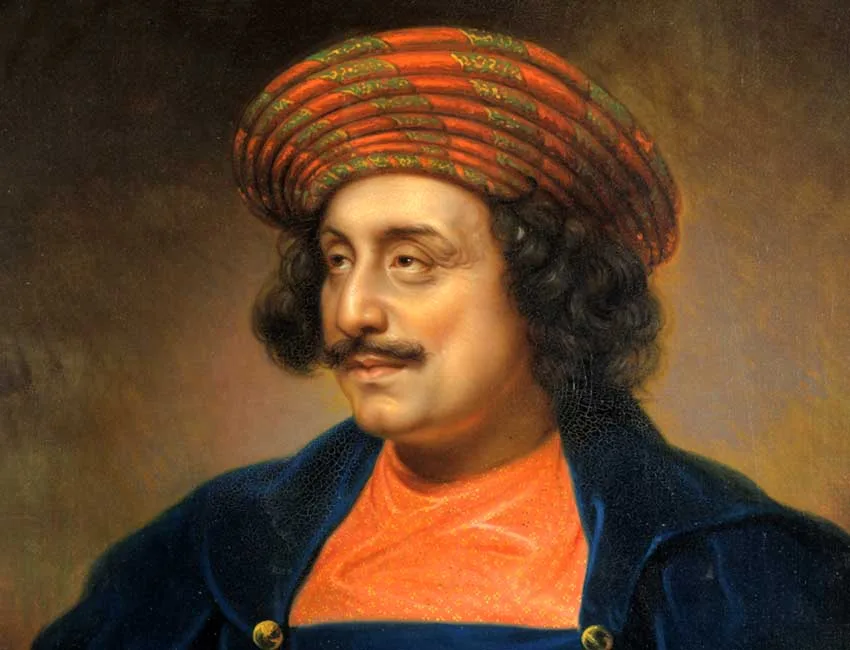
The Brahmo Samaj was founded in 1828 by Raja Ram Mohan Roy.
Main Features
- Belief in one God
- Opposition to idol worship
- Rejection of rituals and sacrifices
- Promotion of prayer and meditation
- Unity of all religions
It was the first modern reform movement in India. It encouraged rational thinking and social reform.
Important Leaders
- Debendranath Tagore
- Keshub Chandra Sen
- Rabindranath Tagore
The movement later split into two parts:
- Adi Brahmo Samaj
- Brahmo Samaj of India
Brahmo Samaj played a major role in awakening Indian society.
Prarthana Samaj
The Prarthana Samaj was established in 1876 in Bombay by Atmaram Pandurang with the main objective of promoting rational worship and social reform. It was strongly influenced by the ideas of the Brahmo Samaj, but it did not completely reject idol worship or insist on a total break from the caste system.
Main Objectives
- Promote social reform
- Encourage simple and rational worship
- Improve the condition of women
- Remove caste discrimination
Key Leaders
- Mahadev Govind Ranade
- R. G. Bhandarkar
These leaders played a major role in spreading awareness and working for social upliftment. They devoted themselves to reforms like inter-caste dining, inter-caste marriage, widow remarriage, and improving the condition of women and depressed classes.
Four-Point Social Agenda
- Disapproval of the caste system
- Promotion of women’s education
- Support for widow remarriage
- Raising the age of marriage for both males and females
Major Reforms and Contributions
- Encouraged widow remarriage
- Promoted women’s education
- Supported inter-caste marriage
- Worked to increase the marriage age
Mahadev Govind Ranade also founded the Widow Remarriage Association in 1861 and the Deccan Education Society. He established the Poona Sarvajanik Sabha as well. Ranade strongly believed that religious reform and social reform were closely connected. According to him, if religious ideas remained rigid, progress in social, economic, and political life would not be possible.
Overall View
Prarthana Samaj believed that real progress in society could only happen when both religion and society are reformed together. It followed a balanced approach by combining modern ideas with traditional practices, making it an important reform movement in modern Indian history.
Satyashodhak Samaj
The Satyashodhak Samaj was founded in 1873 by Jyotirao Phule.
Main Goals
- Fight against caste discrimination
- Promote education for lower castes and women
- Achieve social equality
Phule strongly opposed Brahmin dominance and worked for the upliftment of oppressed communities.
Important Works
- Gulamgiri
- Sarvajanik Satyadharma
This movement gave a strong identity to lower caste people and inspired future social reforms.
Arya Samaj Movement
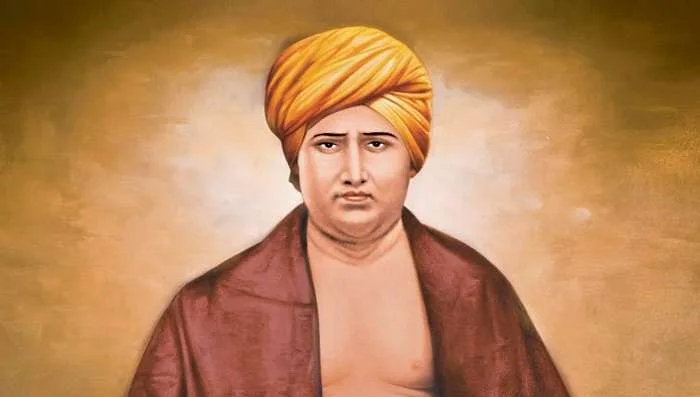
The Arya Samaj Movement was founded in 1875 by Dayanand Saraswati. It was revivalist in form but not in content, as it developed as a reaction to Western influences in India. The first Arya Samaj unit was set up in Bombay in 1875, and later its headquarters was established in Lahore.
Main Principles
- Belief in one God
- God is the source of all true knowledge and is worthy of worship
- The Vedas are the highest source of knowledge
- Truth should always be accepted and untruth should be rejected
- Dharma (right and wrong) should guide all actions
- Promote education and remove ignorance
- Treat everyone with love and justice
- Work for social welfare and the upliftment of all
- Individual progress should depend on the progress of society
Guiding Ideas
The Arya Samaj believed that society should improve both materially and spiritually. It focused on equality, justice, and the importance of knowledge. It also encouraged people to think rationally and avoid blind faith.
Contributions
- Established Dayanand Anglo-Vedic (D.A.V.) schools, starting in Lahore in 1886
- Promoted modern education along with traditional values
- Started the Shuddhi movement to reconvert people who had adopted other religions
- Helped in spreading awareness and reducing ignorance
The Arya Samaj gave self-respect and confidence to Indians, especially Hindus. It challenged the idea that Western culture was superior and encouraged pride in Indian traditions.
However, the Shuddhi movement also led to increased communal tensions during the 1920s, which later influenced political divisions.
Leaders After Dayanand Saraswati
After the death of Dayanand Saraswati, his work was continued by important leaders like:
- Lala Lajpat Rai
- Swami Shraddhanand
- Lala Hansraj
- Pandit Gurudutt
Dayanand Saraswati’s ideas were written in his famous book Satyarth Prakash (The True Exposition).
Overall, the Arya Samaj played a major role in social reform, education, and building confidence among Indians, helping them move towards a modern and progressive society.
Young Bengal Movement
The Young Bengal Movement was a reform movement led by Henry Louis Vivian Derozio and his students at the Hindu College of Calcutta. These students were popularly known as the Derozians, named after their teacher Derozio.
Derozio encouraged radical and modern ideas through his teaching. He also organized debates and discussions on subjects like literature, philosophy, history, and science. This helped students develop independent thinking and question old traditions.
Main Ideas
- Freedom of thought
- Rational thinking
- Support for women’s rights and education
- Opposition to social evils
The Derozians were inspired by the ideals of the French Revolution (1789) and the liberal thinking of Britain. They believed in equality, liberty, and justice.
Limitations
- Limited public support
- No strong connection with common people
- Lack of support from other social groups
- Failed to address issues like the problems of peasants
The main reason for their limited success was that society at that time was not ready to accept such radical ideas. Their movement remained mostly intellectual and book-based.
However, despite these limitations, the Derozians played an important role in spreading modern ideas. They continued the tradition of Raja Ram Mohan Roy by promoting public awareness on social, economic, and political issues.
Ramakrishna Movement
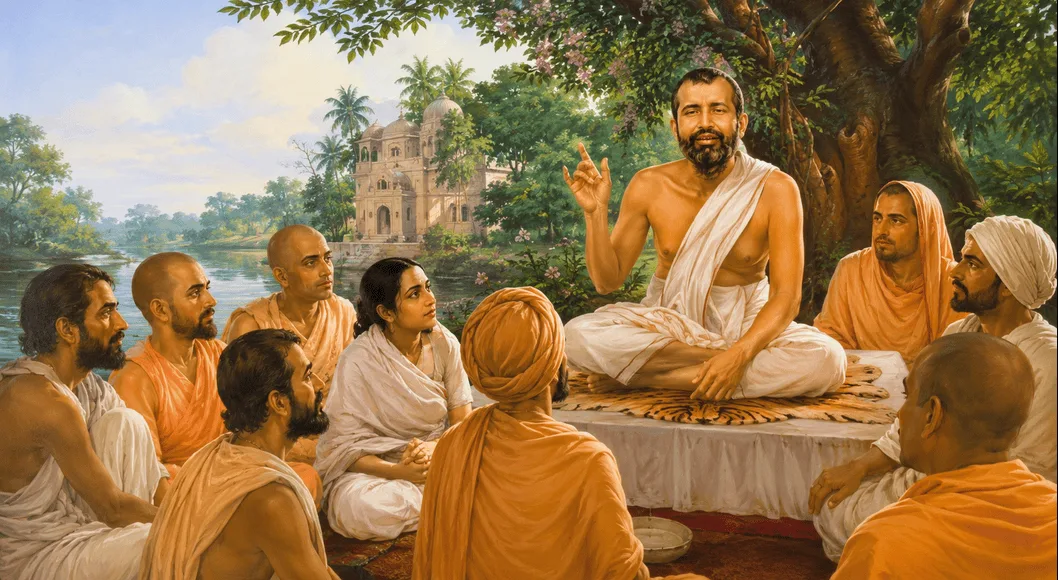
The Ramakrishna Movement was based on the teachings of Ramakrishna Paramahansa.
Key Ideas and Teachings
- Ramakrishna Paramahansa was a mystic who believed in spiritual salvation through renunciation, meditation, and devotion.
- He taught that all religions are equal and lead to the same truth.
- He emphasized that there are many paths to reach God.
- He believed that service to humanity is equal to service to God.
- His teachings became the foundation of the Ramakrishna Movement.
Main Objectives of the Movement
- To create a group of monks dedicated to a life of spirituality, renunciation, and service.
- To spread the universal message of Vedanta based on Ramakrishna’s life and teachings.
- To carry out social service, charity, and religious preaching with the help of both monks and common people.
- To treat all people equally, without discrimination based on caste, religion, or social status.
Role of Swami Vivekananda
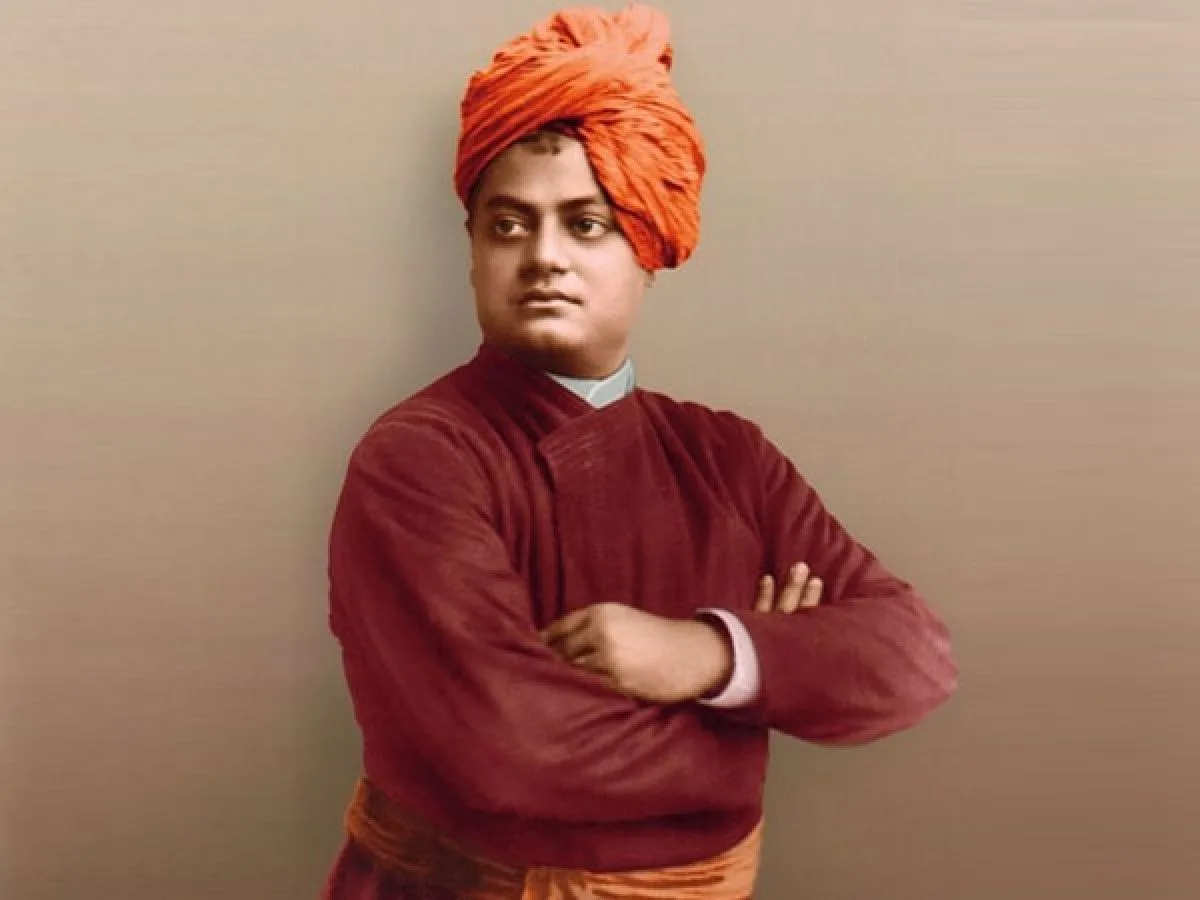
- Swami Vivekananda founded the Ramakrishna Mission in 1897 in the name of his गुरु Ramakrishna Paramahansa.
- He represented India at the Parliament of Religions in Chicago in 1893.
- He used the mission to promote education, social service, and humanitarian work.
- He believed in the idea that “service to living beings (jiva) is the worship of Shiva.”
- He taught that life itself is religion and that God exists in every human being.
- He supported the use of modern science and technology for the welfare of society.
Contributions of the Movement
- Promotion of education and social service
- Relief work during natural disasters
- Spread of spiritual and moral values
- Encouragement of equality and unity among people
- Strong focus on humanitarian work and social reform
The Ramakrishna Movement became one of the most important movements that combined spirituality with practical social service in modern India.
Impact of Socio-Religious Reform Movements
Socio-Religious Reform Movements brought major changes in Indian society:
1. Social Changes
- Reduction in social evils
- Improvement in women’s condition
- Spread of education
2. Religious Changes
- Promotion of rational thinking
- Decline of blind faith
- Unity among religions
3. Political Impact
- Rise of nationalism
- Awareness of rights
- Preparation for independence movement
Conclusion
Socio-Religious Reform Movements were very important in modern Indian history. They helped society move from backwardness to progress. Reformers worked hard to remove social evils and promote equality, education, and justice.
These movements not only improved society but also created a strong base for India’s freedom struggle. They taught people to think logically, respect human values, and work for the welfare of all.
Even today, their ideas remain relevant. They remind us that society must keep improving and that change is necessary for progress.
FAQs
1. What are Socio-Religious Reform Movements?
They are movements started in the 19th century to remove social evils and improve religious practices in India.
2. Who started the Brahmo Samaj?
Raja Ram Mohan Roy founded the Brahmo Samaj in 1828.
3. What was the main aim of Prarthana Samaj?
It aimed to promote social reform, women’s education, and remove caste discrimination.
4. Who founded the Satyashodhak Samaj?
Jyotirao Phule founded it in 1873.
5. What is the main belief of Arya Samaj?
It believes in one God and accepts the Vedas as the highest source of knowledge.
6. Who led the Young Bengal Movement?
Henry Louis Vivian Derozio led this movement.
7. What did the Ramakrishna Mission focus on?
It focused on social service, education, and spiritual growth.
8. Why were these reform movements important?
They helped remove social evils and prepared India for modern development and nationalism.