


Self Help Groups: Empowering Communities Through Collective Action

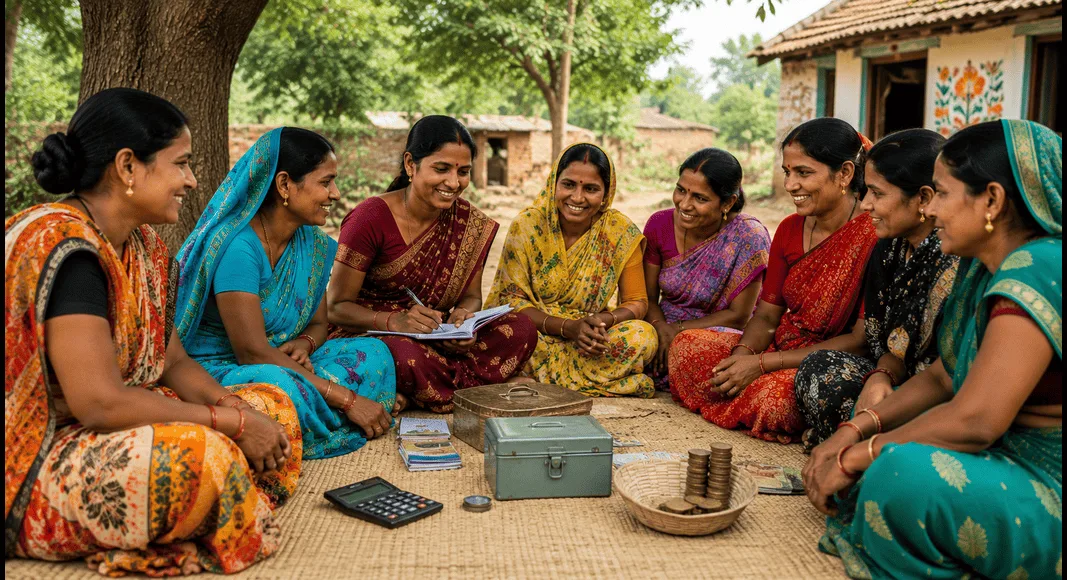
Self Help Groups (SHGs) are one of the most successful tools for poverty reduction, financial inclusion, and women empowerment in India. These groups bring together people from similar economic and social backgrounds who work collectively to improve their lives. Through regular savings, mutual support, and access to credit, SHGs help poor and marginalized people become financially independent and socially empowered.
In a country like India, where a large population still lives in rural areas and faces challenges such as poverty, unemployment, lack of education, and limited access to banking facilities, SHGs play a vital role. They encourage people to work together, save money regularly, and start income-generating activities. Over the years, SHGs have become an important instrument for inclusive growth and rural development.

Today, millions of women across India are members of SHGs. These groups not only improve their financial condition but also increase their confidence, leadership skills, and participation in social and political activities.
What are Self Help Groups (SHGs)?
A Self Help Group is a small voluntary association of people, usually consisting of 10 to 20 members, who come together to solve common economic and social problems. Members generally belong to similar socio-economic backgrounds and share common goals.
SHGs are self-governed and collectively managed groups. The members save a fixed amount regularly and create a common fund. This fund is used to provide loans to members whenever required. Over time, SHGs develop strong financial discipline and become eligible for loans from banks and financial institutions.
The basic idea behind SHGs is self-help through collective effort. Instead of depending on outside assistance, members support each other and work together for economic improvement.
Why are SHGs Needed?
India’s rural population faces many challenges that often cannot be solved individually. SHGs help address these problems effectively.
Lack of Access to Credit
Many poor families do not have access to formal banking services because they lack collateral or proper documentation. As a result, they depend on moneylenders who charge very high interest rates.
SHGs provide a solution by offering easy access to loans through group savings and bank linkages.
Poverty and Unemployment
Rural poverty remains a major challenge. Many people do not have stable sources of income. SHGs help members start small businesses and self-employment activities.
Lack of Financial Inclusion
Financial inclusion means ensuring that everyone has access to banking and financial services. SHGs help poor people open bank accounts, save money, and obtain loans.
Women’s Empowerment
Women often face social and economic discrimination. SHGs provide women with opportunities to become financially independent and actively participate in decision-making processes.
Community Development
Many village-level issues such as sanitation, education, health awareness, and social problems require collective action. SHGs provide a platform for community participation and problem-solving.
Functions of Self Help Groups
SHGs perform several important functions that contribute to the welfare of their members and society.
Promoting Savings
Members save a fixed amount regularly. These savings form the foundation of the group’s financial activities.
Providing Credit
The group uses collected savings to provide loans to members at reasonable interest rates.
Encouraging Self-Employment
Members use loans to start small businesses such as tailoring, dairy farming, handicrafts, grocery shops, poultry farming, and food processing.
Building Leadership Skills
Members participate in meetings, decision-making, and management activities, which help develop leadership qualities.
Conflict Resolution
SHGs encourage mutual discussion and collective decision-making to resolve disputes among members.
Social Awareness
Groups spread awareness about health, education, sanitation, child rights, gender equality, and other social issues.
Financial Discipline
Regular meetings, record-keeping, and savings habits help members become financially responsible.
Origin and Growth of SHGs in India
The SHG movement in India has evolved over several decades.
Self-Employed Women’s Association (SEWA)
The foundation of the SHG movement can be traced to the establishment of the Self-Employed Women’s Association (SEWA) in 1972. SEWA focused on organizing poor working women and improving their economic conditions.
NABARD and SHG-Bank Linkage Programme
A major breakthrough came in 1992 when the National Bank for Agriculture and Rural Development (NABARD) launched the SHG-Bank Linkage Programme.
The programme encouraged banks to provide financial services to SHGs and helped integrate poor people into the formal banking system.
RBI Support
In 1993, the Reserve Bank of India allowed SHGs to open savings accounts in banks. This step significantly strengthened the SHG movement.
Swarn Jayanti Gram Swarozgar Yojana (SGSY)
The Government of India launched SGSY in 1999 to promote self-employment among rural poor through SHGs.
National Rural Livelihoods Mission (NRLM)
In 2011, SGSY was transformed into the National Rural Livelihoods Mission (NRLM), which became one of the world’s largest poverty alleviation programmes.
NRLM focuses on organizing rural poor into SHGs and providing them with financial and livelihood support.
Structure of SHGs
Although SHGs may vary from place to place, they generally follow a simple structure.
Membership
Most SHGs consist of 10 to 20 members.
Meetings
Members meet regularly, usually once a week or once a month.
Savings Collection
Each member contributes a fixed amount during meetings.
Group Fund
Savings are pooled into a common fund used for lending purposes.
Leadership
Members elect office bearers such as President, Secretary, and Treasurer to manage group activities.
Record Keeping
SHGs maintain records of savings, loans, repayments, and meetings.
SHG-Bank Linkage Programme
The SHG-Bank Linkage Programme is one of the largest microfinance initiatives in the world.
How It Works
- Members save regularly.
- SHGs develop financial discipline.
- Banks assess group performance.
- Banks provide loans to eligible SHGs.
- Members use loans for productive activities.
- Loans are repaid collectively.
Benefits
- Easy access to credit
- Lower interest rates
- Reduced dependence on moneylenders
- Financial inclusion of poor households
Benefits of Self Help Groups
Poverty Reduction
SHGs help members generate income through self-employment and entrepreneurship.
Women’s Empowerment
Women gain confidence, economic independence, and leadership opportunities through SHGs.
Financial Inclusion
Members learn banking practices and gain access to financial services.
Social Development
SHGs work on issues such as education, sanitation, health care, and nutrition.
Community Participation
Members actively participate in local governance and development activities.
Employment Generation
SHGs create employment opportunities through micro-enterprises and small businesses.
Improved Living Standards
Additional income allows families to spend more on education, healthcare, housing, and nutrition.
Reduction in Exploitation
Access to affordable credit reduces dependence on moneylenders and exploitative financial practices.
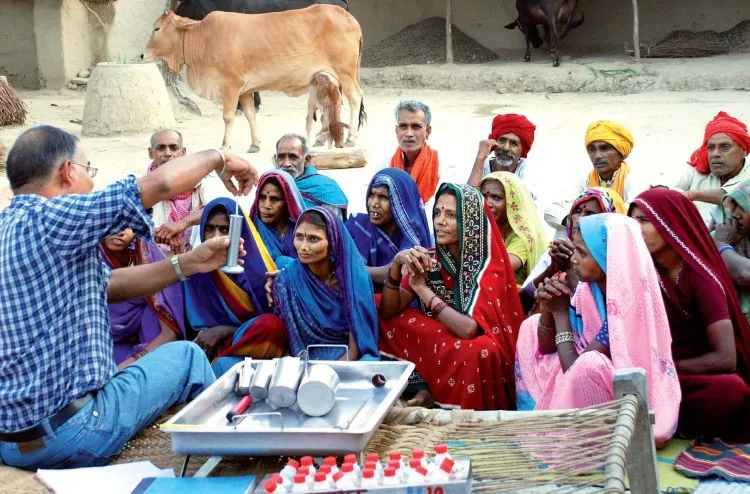
Role of SHGs in Women Empowerment
Women constitute the majority of SHG members in India.
Economic Empowerment
Women earn income through various livelihood activities and become financially independent.
Decision-Making Power
Financial independence increases women’s participation in family decisions.
Leadership Development
Many women SHG leaders later become representatives in Panchayati Raj Institutions.
Social Status
Participation in SHGs improves women’s social standing and self-confidence.
Awareness Creation
SHGs spread awareness about legal rights, education, health, and gender equality.
Role of SHGs in Rural Development
SHGs contribute significantly to rural development.
Agriculture Support
Members invest in farming, irrigation, seeds, and livestock.
Infrastructure Improvement
SHGs often participate in local development projects.
Health and Sanitation
Groups conduct awareness campaigns on hygiene, vaccination, and nutrition.
Education
SHGs encourage school enrollment and reduce dropout rates.
Social Reforms
They help combat social evils such as dowry, alcoholism, child marriage, and domestic violence.
Opportunities Created by SHGs
Entrepreneurship Development
Members gain opportunities to start and expand businesses.
Resource Mobilization
Local resources can be effectively utilized for productive activities.
Skill Development
Training programmes improve members’ technical and business skills.
Leadership Opportunities
SHGs nurture future community leaders.
Market Access
Groups can collectively market products and negotiate better prices.
Weaknesses of SHGs
Despite their success, SHGs face several weaknesses.
Limited Inclusion of the Poorest
Sometimes the poorest families are unable to join SHGs.
Low Income Activities
Many SHGs continue to engage in low-income traditional occupations.
Lack of Professional Guidance
Qualified trainers and business advisors are often unavailable.
Poor Accounting Practices
Improper record-keeping can create financial problems.
Marketing Difficulties
Many SHGs struggle to sell their products in larger markets.
Dependence on External Agencies
Some SHGs rely heavily on NGOs and government support.
Challenges Faced by SHGs
Patriarchal Social Structure
Traditional attitudes often discourage women from participating fully.
Lack of Awareness
Members may not fully understand financial management and business operations.
Limited Banking Infrastructure
Many villages still have limited access to banking facilities.
Sustainability Issues
Some SHGs become inactive due to poor management.
Lack of Security
Group savings may not always be adequately protected.
Scaling Up Businesses
Only a small number of SHGs successfully grow into larger enterprises.
Measures to Strengthen SHGs
Capacity Building
Regular training should be provided in finance, entrepreneurship, and management.
Expansion to New Areas
SHGs should be promoted in underserved regions, especially northeastern states and remote areas.
Better Market Linkages
Government agencies should help SHGs access national and international markets.
Digital Literacy
Members should be trained in digital payments and online banking.
Strong Monitoring Systems
Dedicated monitoring cells can ensure transparency and accountability.
Product Innovation
Banks and financial institutions should design need-based financial products for SHGs.
Increased Financial Support
Easy and affordable credit should be made available for expanding businesses.
Successful SHG Models in India
Kudumbashree, Kerala
Kudumbashree was launched in 1998 by the Government of Kerala.
It is one of the largest women empowerment programmes in India and operates through a three-tier structure:
- Neighborhood Groups (SHGs)
- Area Development Societies
- Community Development Societies
The programme focuses on microfinance, entrepreneurship, and women empowerment.
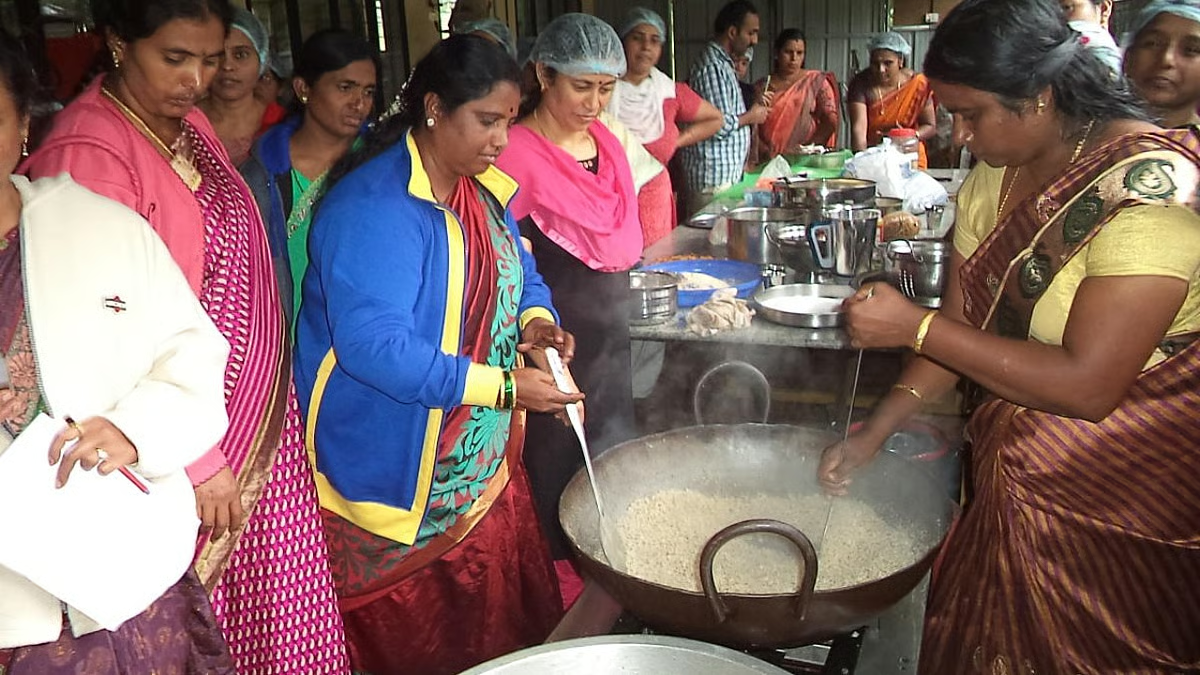
Mahila Arthik Vikas Mahamandal (MAVIM), Maharashtra
MAVIM supports SHGs through Community Managed Resource Centres (CMRCs).
These centres provide financial services, training, and livelihood support to SHGs.
The model has improved the sustainability and effectiveness of SHGs in Maharashtra.
Government Support for SHGs
The Government of India actively supports SHGs through various programmes:
- National Rural Livelihoods Mission (NRLM)
- NABARD initiatives
- DAY-NRLM schemes
- Skill development programmes
- Financial literacy campaigns
- Digital banking initiatives
Government support has significantly increased the reach and effectiveness of SHGs across the country.
Future of Self Help Groups in India
The future of Self Help Groups (SHGs) is highly promising. With increasing digitalization, better financial inclusion, and stronger government support, SHGs can become even more effective in reducing poverty and promoting inclusive growth.
Technology can help SHGs access wider markets, maintain better records, and connect with financial institutions. E-commerce platforms can provide opportunities for SHG products to reach customers across India and abroad.
As India continues its journey toward economic development, SHGs will remain an important tool for empowering women, strengthening rural economies, and ensuring social justice.
Conclusion
Self Help Groups are among the most successful community-based development initiatives in India. They have transformed the lives of millions of poor families, especially women, by providing access to savings, credit, skills, and opportunities.
SHGs promote financial inclusion, entrepreneurship, social empowerment, and community development. They encourage collective action and help marginalized groups become self-reliant. Despite facing challenges such as lack of training, marketing difficulties, and limited resources, SHGs continue to play a crucial role in poverty alleviation and rural development.
With proper support, capacity building, digital integration, and better market access, Self Help Groups can become even stronger instruments of inclusive growth and sustainable development in India.
FAQs About Self Help Groups (SHGs)
1. What are Self Help Groups (SHGs)?
Self Help Groups are small groups of people who come together to save money, access loans, and improve their economic and social conditions.
2. What is the main objective of SHGs?
The main objective is to promote self-reliance, financial inclusion, poverty reduction, and community development.
3. How many members are usually in an SHG?
An SHG generally consists of 10 to 20 members from similar socio-economic backgrounds.
4. Who can join a Self Help Group?
Any person, especially from low-income or marginalized communities, can join an SHG if they agree to the group’s rules.
5. How do SHGs help women?
SHGs provide women with financial independence, leadership opportunities, skill development, and greater participation in decision-making.
6. What is the role of NABARD in SHGs?
NABARD supports SHGs through the SHG-Bank Linkage Programme, helping groups access formal banking and credit facilities.
7. What is the SHG-Bank Linkage Programme?
It is a program that connects Self Help Groups with banks, enabling them to obtain loans and financial services.
8. What types of activities do SHGs undertake?
SHGs engage in activities such as tailoring, dairy farming, handicrafts, poultry farming, grocery shops, and other small businesses.
9. What are the major challenges faced by SHGs?
Challenges include lack of training, poor market access, inadequate banking facilities, and limited business opportunities.
10. How do SHGs contribute to rural development?
SHGs improve income levels, promote financial inclusion, encourage entrepreneurship, and support social development in rural areas.