


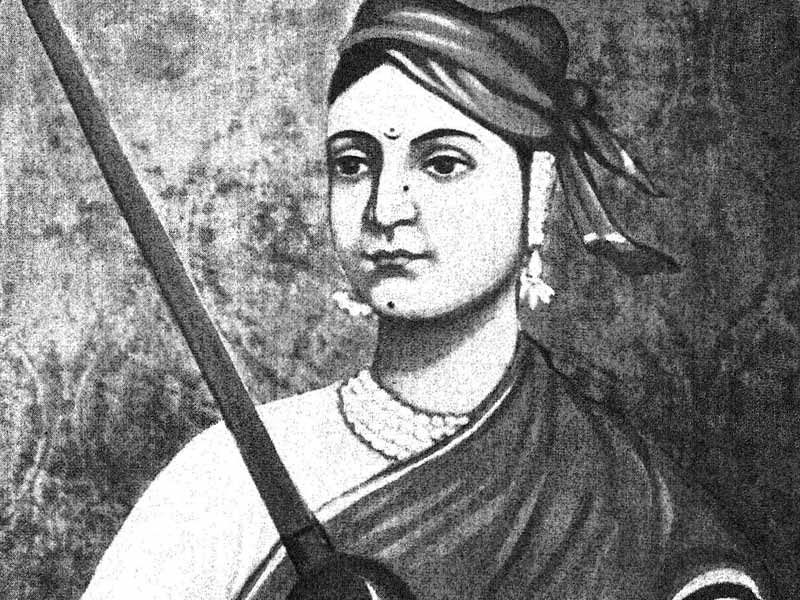
Rani Lakshmi Bai – Freedom Struggle and Revolt of 1857

Rani Lakshmi Bai was one of the bravest freedom fighters in Indian history. She played a heroic role in the Indian freedom struggle and became a powerful symbol of resistance during the Revolt of 1857. Known as Jhansi ki Rani, she stood fearlessly against British rule at a time when women were rarely seen on the battlefield. Her life, courage, sacrifice, and love for the motherland continue to inspire millions of Indians even today.
Rani Lakshmi Bai Biography
Rani Lakshmi Bai, also known as the Queen of Jhansi, was the ruler of the princely state of Jhansi, which is now located in Uttar Pradesh. She was born on 19 November 1828 in Varanasi. Her birth name was Manikarnika Tambe, and she was lovingly called Manu by her family.

Rani Lakshmi Bai became famous for her leadership during the Revolt of 1857, which was the first major uprising against British rule in India. She strongly opposed British policies, especially the Doctrine of Lapse, under which the British annexed many Indian states.
She did not accept injustice, and even in the face of great danger, she chose to fight for her land, her people, and her country. Her bravery, sacrifice, and determination made her immortal in Indian history.
Early Life of Rani Lakshmi Bai
Rani Lakshmi Bai was born into a Marathi Brahmin family. Her father, Moropant Tambe, worked as a court official under the Peshwa of Bithoor. Her mother, Bhagirathi Bai, passed away when Manikarnika was only four years old. After her mother’s death, her father raised her with great love and care.
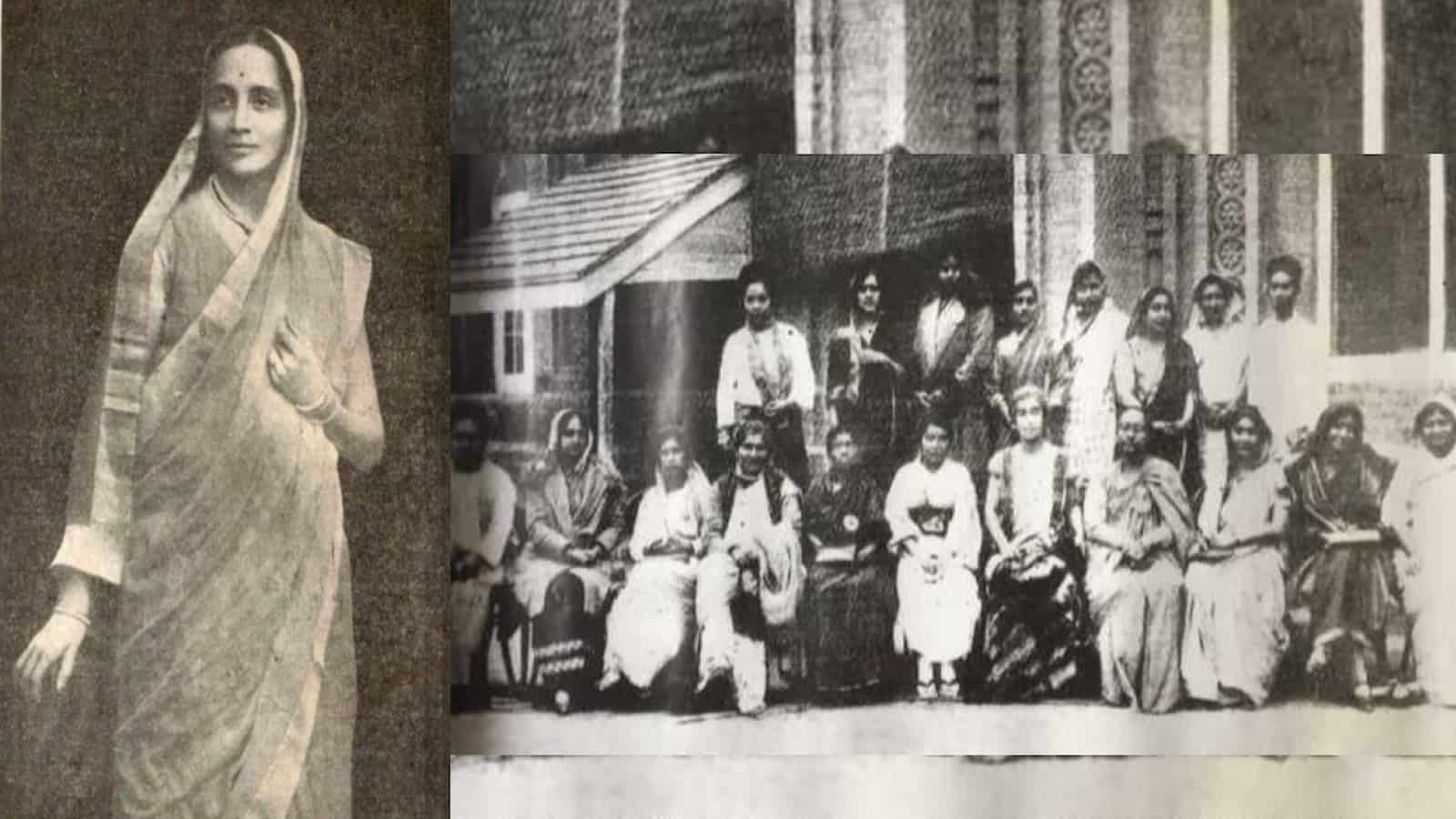
From a very young age, Manikarnika showed signs of courage and independence. Unlike most girls of that time, she was not limited to household work. Her father allowed her to grow freely and supported her education.
She was brought up in Bithoor, where she grew up with boys and learned many skills that were uncommon for girls in the 19th century.
Education and Training
Rani Lakshmi Bai received her education at home. She was trained in:
- Horse riding
- Sword fighting
- Archery
- Shooting
- Fencing
- Mallakhamba (traditional Indian sport)
She was physically strong, mentally sharp, and fearless. She also trained with famous freedom fighters like Nana Sahib and Tantia Tope, who later became important leaders in the Revolt of 1857.
Her childhood training played a major role in shaping her future as a warrior queen.
Marriage and Life as Queen of Jhansi
In May 1842, Manikarnika married Maharaja Gangadhar Rao Newalkar, the ruler of Jhansi. After marriage, she was named Lakshmi Bai, after the Hindu goddess Lakshmi.
She adjusted quickly to royal life and became deeply involved in the administration of Jhansi. The people of Jhansi respected her intelligence, kindness, and leadership skills.
In 1851, she gave birth to a son, Damodar Rao, but sadly, the child died after just four months. This was a great personal loss for the queen.
Later, the Maharaja adopted a child named Anand Rao, who was renamed Damodar Rao, to continue the royal line.
Doctrine of Lapse and Annexation of Jhansi
After the death of Maharaja Gangadhar Rao in 1853, the British East India Company, under Lord Dalhousie, refused to recognize the adopted son as the heir to the throne.
Using the Doctrine of Lapse, the British annexed the kingdom of Jhansi. According to this policy, any Indian state without a natural male heir would be taken over by the British.
Rani Lakshmi Bai strongly opposed this decision. She famously declared:
“Main apni Jhansi nahi doongi”
(I will not give up my Jhansi)
Despite her protests, the British forced her to leave the Jhansi fort and offered her a pension. This injustice deeply angered the Rani and strengthened her resolve to fight against British rule.
Background of the Revolt of 1857
The Revolt of 1857 was the first major uprising against British control in India. It began on 10 May 1857 in Meerut, when Indian soldiers (sepoys) revolted against the British East India Company.
The revolt spread rapidly across northern and central India. Many rulers, landlords, and common people joined the rebellion to oppose British exploitation, unfair laws, and cultural interference.
Rani Lakshmi Bai initially tried to protect Jhansi and maintain peace. She even requested permission from British officers to raise a force for security, which was granted.
However, as British power weakened and chaos spread, Jhansi became a key centre of resistance.
Rani Lakshmi Bai’s Role in the Revolt of 1857
When British troops delayed reaching Jhansi, the Rani took control of the situation. She strengthened the fort, trained soldiers, and prepared for battle.
In March 1858, British forces led by Sir Hugh Rose attacked Jhansi. He warned that the city would be destroyed if it did not surrender.
Rani Lakshmi Bai refused to surrender. She decided to fight until her last breath.
Battle of Jhansi
The British army laid siege to Jhansi on 23 March 1858. Rani Lakshmi Bai led her army bravely, motivating both men and women to fight.
Key points of the battle:
- Heavy guns were placed on Jhansi fort
- Women also joined the defence
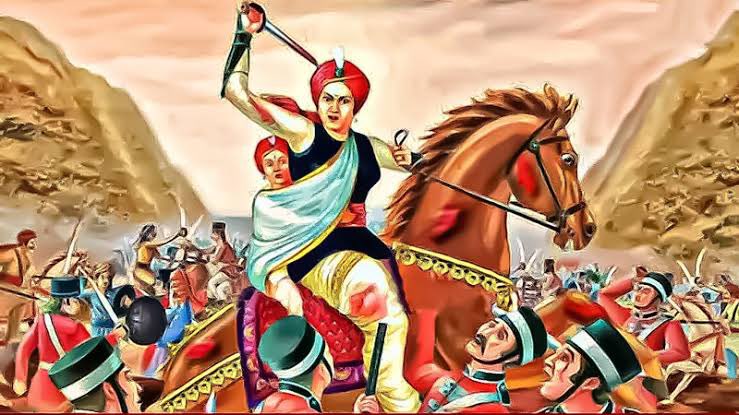
- Rani Lakshmi Bai fought on horseback with a sword
- Tantia Tope supported her forces
Despite their courage, the British army was stronger and better equipped.
Escape from Jhansi
When defeat became certain, Rani Lakshmi Bai made a daring escape. Carrying her son Damodar Rao on her back, she jumped from the fort on her horse Badal and escaped under the cover of darkness.
Many brave warriors escaped with her, while others laid down their lives defending Jhansi.
Battle at Kalpi and Gwalior
After escaping Jhansi, Rani Lakshmi Bai joined forces with Tantia Tope, Rao Sahib, and other rebel leaders at Kalpi.
Although they captured Kalpi briefly, British forces attacked again and defeated the rebels.
The Rani then moved to Gwalior, where the rebels captured the fort and treasury without much resistance. Nana Sahib was declared the Peshwa.
However, British troops soon attacked Gwalior as well.
Death of Rani Lakshmi Bai
On 17 June 1858, Rani Lakshmi Bai fought her final battle at Kotah-ki-Serai, near Gwalior.
Dressed as a soldier, she fought bravely against British cavalry. She was seriously injured during the battle.
According to some accounts, she asked a hermit to cremate her body so that the British could not capture it. She died at the age of 23, fighting for her country.
Her courage amazed even the British officers.
Legacy of Rani Lakshmi Bai
Rani Lakshmi Bai is remembered as:
- A symbol of courage and sacrifice
- A leader who challenged British rule
- A role model for women
- A national hero of India
Many institutions are named after her, including:
- Rani Lakshmi Bai Central Agricultural University, Jhansi
- Maharani Laxmi Bai Medical College
- Rani of Jhansi Regiment (INA)
Her story continues to inspire books, poems, films, and patriotic songs.
Rani Lakshmi Bai for UPSC and Competitive Exams
Important points:
- Full Name: Rani Lakshmi Bai
- Birth Name: Manikarnika Tambe
- Popularly Known As: Jhansi ki Rani
- Date of Birth: 19 November 1828
- Place of Birth: Varanasi, Uttar Pradesh
- Family Background:
Born in a Marathi Brahmin family. Her father was Moropant Tambe, a court official under the Peshwa of Bithoor. - Marriage:
Married Maharaja Gangadhar Rao Newalkar of Jhansi in 1842. - Role as Queen:
Became the Queen of Jhansi and actively participated in administrative and military affairs. - Doctrine of Lapse:
The British annexed Jhansi in 1853 using the Doctrine of Lapse under Governor-General Lord Dalhousie.
Rani Lakshmi Bai strongly opposed this policy and refused to surrender Jhansi. - Famous Statement:
“Main apni Jhansi nahi doongi” (I will not give up my Jhansi). - Role in Revolt of 1857:
One of the most important leaders of the Revolt of 1857 in Central India.
She organized armed resistance against British rule. - Battle of Jhansi (1858):
Led the defence of Jhansi against British forces led by Sir Hugh Rose.
Fought bravely despite limited resources. - Escape from Jhansi:
Escaped from Jhansi fort on horseback with her son Damodar Rao after British capture. - Allies in Revolt:
Worked closely with freedom fighters like Tantia Tope, Nana Sahib, and Rao Sahib. - Battle of Kalpi and Gwalior:
Continued fighting the British at Kalpi and later at Gwalior. - Death:
Date of Death: 17 June 1858
Place of Death: Near Gwalior (Kotah-ki-Serai)
Died fighting British troops while dressed as a soldier. - Historical Importance:
Symbol of courage, patriotism, and women’s leadership in India’s freedom struggle.
Conclusion
Rani Lakshmi Bai was not just a queen; she was the soul of India’s early freedom struggle. Her fearless stand against injustice, her leadership in battle, and her sacrifice for the nation made her immortal.
Even today, her life teaches us the values of courage, self-respect, and love for the motherland.
Related Articles:
| Sarojini Naidu Biography: Life, Achievements & Freedom Struggle |
| Piyoli Phukan: A Trailblazer in Assam’s Freedom Struggle |
| Syed Abdul Malik: Master of Storyteller |
FAQs on Rani Lakshmi Bai
Q1. Who was Rani Lakshmi Bai?
Rani Lakshmi Bai was the Queen of Jhansi and a leading freedom fighter in the Revolt of 1857 against British rule.
Q2. Why is Rani Lakshmi Bai called Jhansi ki Rani?
She ruled the princely state of Jhansi and bravely defended it from British forces.
Q3. What was Rani Lakshmi Bai’s role in the Revolt of 1857?
She led armed resistance against the British, defended Jhansi, and fought battles at Kalpi and Gwalior.
Q4. What was the Doctrine of Lapse?
It was a British policy used to annex Indian states that had no natural male heir, including Jhansi.
Q5. What famous words are associated with Rani Lakshmi Bai?
“Main apni Jhansi nahi doongi” is the most famous quote linked to her.
Q6. When and where did Rani Lakshmi Bai die?
She died on 17 June 1858 during a battle near Gwalior.
Q7. Why is Rani Lakshmi Bai important in Indian history?
She symbolizes courage, patriotism, and resistance against colonial rule.