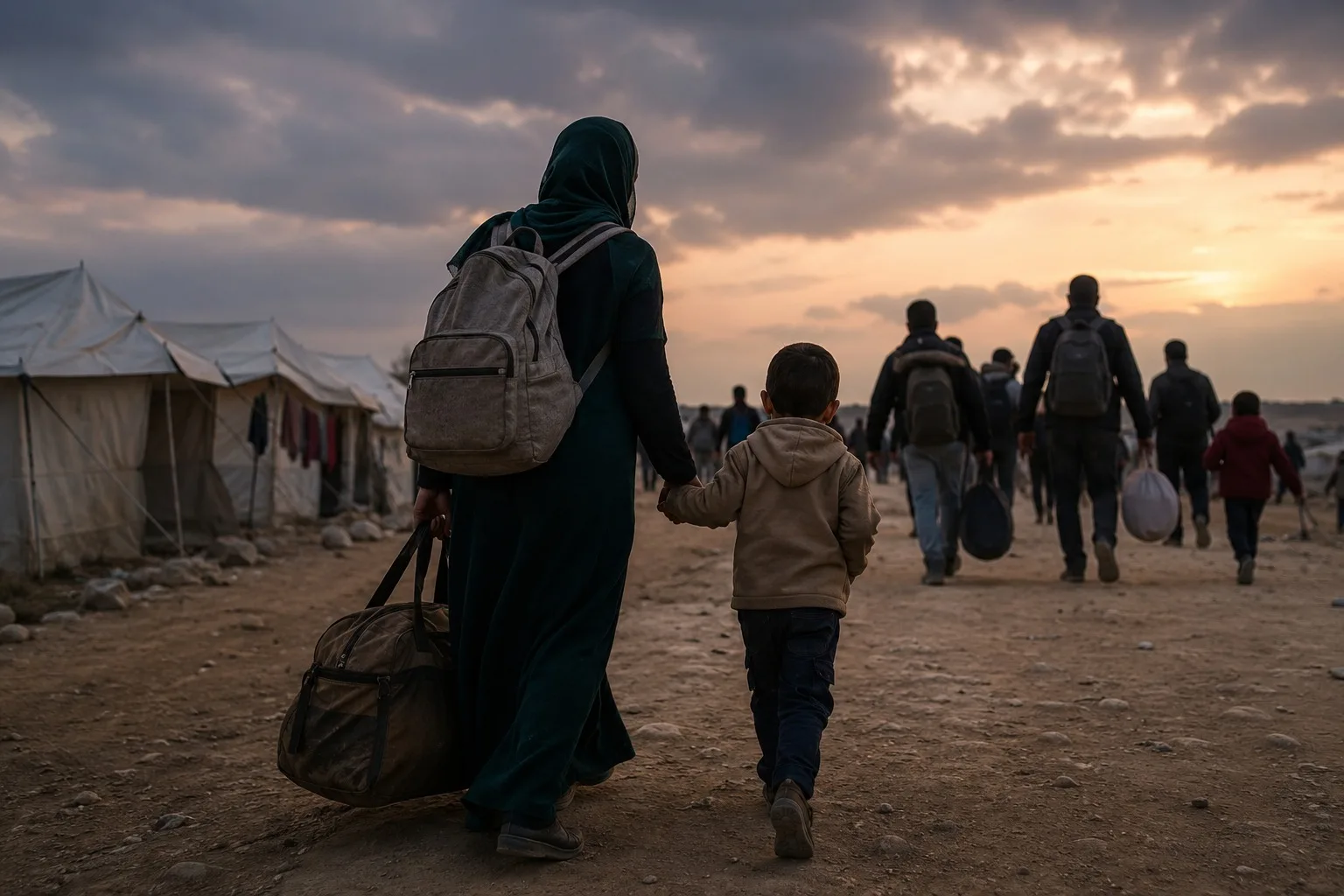
Refugees and Ethics: Understanding the Global Refugee Crisis and Human Responsibility

Refugees and Ethics is an important topic in today’s world because millions of people are forced to leave their homes due to war, violence, persecution, and natural disasters. These people search for safety, shelter, and a better life in other places. The refugee crisis is not only a humanitarian issue but also an ethical one. It raises serious questions about human rights, justice, compassion, and the responsibility of nations.
Thank you for reading this post, don't forget to subscribe!According to the United Nations High Commissioner for Refugees (UNHCR), by the end of 2023, more than 117 million people worldwide were forcibly displaced. Among them, over 31 million were refugees living outside their home countries. This large number shows how serious the global refugee crisis has become.
Who Are Refugees?
A refugee is a person who is forced to leave their home country and seek safety in another country. This happens because they fear persecution, violence, war, or public disorder. The definition of refugee comes from the 1951 Refugee Convention, an important international agreement for refugee protection. 1951 Refugee Convention
Refugees cannot safely return to their home countries because their lives or freedom may be at risk. Many refugees today come from countries such as Afghanistan, Syria, Venezuela, Ukraine, and Sudan.
Internally Displaced Persons (IDPs)
Internally Displaced Persons, or IDPs, are people who are forced to leave their homes but remain inside their own country. Unlike refugees, they do not cross international borders.
IDPs may stay in camps, schools, nearby towns, forests, or temporary shelters. They are often displaced because of internal conflicts, violence, or natural disasters. Since they remain inside their own country, they depend largely on their government for protection.
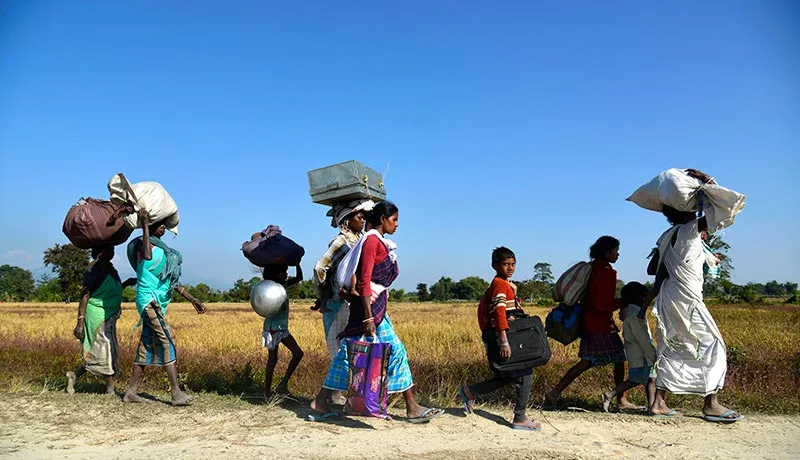
Countries such as Myanmar, Somalia, and Democratic Republic of the Congo have seen major internal displacement in recent years.
Major Causes of the Refugee Crisis
1. Armed Conflicts
War is one of the biggest reasons people become refugees. Ongoing conflicts destroy homes, schools, hospitals, and entire communities.
For example, the civil war in Syria has forced millions to flee since 2011. Similarly, instability in Afghanistan has caused large refugee movements.
When people are trapped in war zones, leaving often becomes the only way to survive.
2. Persecution
Many people flee because they are targeted for their religion, ethnicity, political beliefs, or identity.
A major example is the Rohingya crisis in Myanmar. Large numbers of Rohingya Muslims fled to Bangladesh due to violence and discrimination.
Ethnic cleansing and religious persecution continue to create refugee populations worldwide.
3. Climate Change and Natural Disasters
Environmental disasters are becoming an increasing cause of displacement.
Floods, cyclones, droughts, rising sea levels, and earthquakes force people to leave their homes. Climate change makes these disasters more frequent and severe.
Scientists warn that millions more people may be displaced by 2050 due to environmental damage.
4. Economic Collapse
Economic hardship can also push people to migrate.
When countries face severe inflation, unemployment, and poverty, people may leave in search of survival. The economic crisis in Venezuela is a clear example, where millions have moved to neighboring countries.
Refugee Situation in India
India has hosted refugees for decades and has a long tradition of providing shelter to people in need.
No Separate Refugee Law
India is not a signatory to the 1951 Refugee Convention or its 1967 Protocol. This means India does not have a specific refugee law.
As a result, refugees are often managed through administrative decisions instead of a clear legal system.
Political Instability in Neighboring Countries
India shares borders with countries that have experienced conflict and instability.
Events like:
- Partition of India (1947)
- Bangladesh Liberation War (1971)
- Sri Lankan Civil War
- Rohingya crisis in Myanmar
have caused refugee inflows into India.
Religious and Ethnic Persecution
India has also provided asylum to communities facing persecution.
A major example is Tibetan refugees who came to India after the Chinese occupation of Tibet in 1959. Tibet
Natural Disasters
Natural disasters in neighboring countries can also lead to migration.
For example, the 2015 earthquake in Nepal pushed many people toward Indian border states for safety and support.
Porous Borders
India’s long borders with countries like Bangladesh and Myanmar make border control difficult.
This creates challenges in distinguishing refugees from economic migrants.
Ethical Frameworks for Refugee Issues
Ethics helps us understand what is morally right when dealing with refugees.
Utilitarianism
Utilitarianism focuses on achieving the greatest good for the greatest number.
From this view, helping refugees can benefit society. Refugees can contribute to the economy, fill labor shortages, and enrich culture.
When properly supported, refugees often become productive members of society.
Deontological Ethics
This theory says some actions are morally right regardless of outcomes.
Helping refugees becomes a moral duty because protecting human life is always important.
This supports the idea that nations should protect vulnerable people even when it is difficult.
Virtue Ethics
Virtue ethics focuses on character and moral values.
Qualities such as compassion, kindness, empathy, and justice encourage better treatment of refugees.
A caring society is more likely to support displaced people with dignity.
Social Contract Theory
This theory explains that governments exist to protect people.
It raises an important question: Should states protect only citizens, or also those seeking safety?
Ethically, governments should respect human rights and protect vulnerable people.
Global Justice
Global justice highlights fairness between nations.
Richer countries often have more resources and therefore greater responsibility to help refugees.
This idea promotes burden-sharing and international cooperation.
Ethical and Legal Responsibilities of Nations
Countries have both moral and legal duties toward refugees.
Non-Refoulement
This is one of the most important refugee principles.
It means a country should not force refugees back to places where they face serious danger.
Sending someone back to persecution or death is both unethical and illegal under international law.
Asylum and Protection
Countries should provide safe shelter to people fleeing danger.
Refugees seeking asylum should receive fair treatment, legal support, and proper evaluation of their cases.
Human dignity must be respected throughout the process.
Integration and Support
Protecting refugees is not enough.
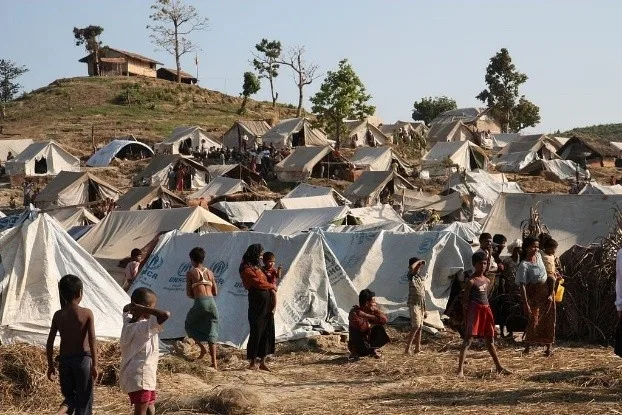
They also need:
- Education
- Healthcare
- Jobs
- Housing
- Social support
Good integration benefits both refugees and host communities.
International Cooperation
No single country can handle the refugee crisis alone.
Countries must cooperate through:
- Financial support
- Resettlement programs
- Humanitarian aid
- Shared responsibility
Global cooperation improves refugee protection.
Accountability
Governments should regularly monitor refugee policies.
Strong oversight ensures refugee rights are protected and abuses are prevented.
Challenges in Refugee Ethics
National Security vs Human Rights
Many countries struggle to balance security concerns with humanitarian responsibilities.
Some governments introduce strict border controls due to fear of illegal migration or security threats.
This often creates ethical tension.
Xenophobia and Public Fear
Negative attitudes toward refugees can lead to discrimination.
Misinformation spreads fear and creates hostility.
Some people wrongly believe refugees increase crime or take away jobs.
Such beliefs can weaken humanitarian responses.
Limited Resources
Many refugee-hosting countries have limited resources.
Healthcare, housing, education, and public services may already be under pressure.
This creates competition between local communities and refugee populations.
Political Misuse
Refugee issues are sometimes used for political gain.
Leaders may blame refugees for economic or social problems to gain public support.
This politicization often harms refugees.
Short-Term Aid vs Long-Term Solutions
Emergency aid is necessary, but long-term solutions are equally important.
Without solving root causes, refugee crises continue.
Long-term solutions require peacebuilding, development, and climate action.
Role of International Organizations
International organizations play a major role in refugee protection.
UNHCR
The United Nations High Commissioner for Refugees leads global refugee protection.
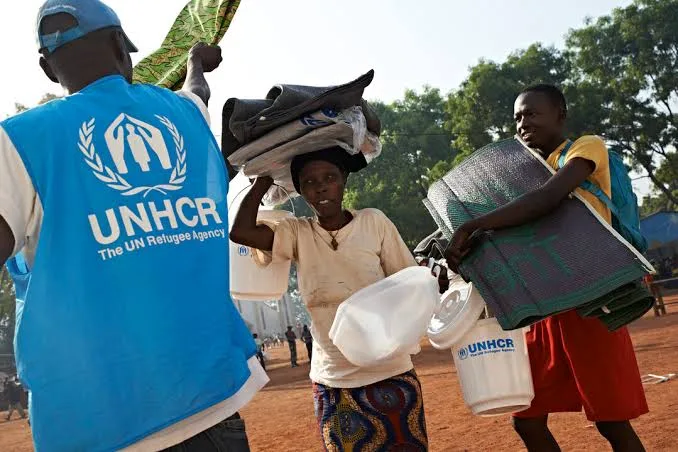
Its work includes:
- Providing shelter
- Supplying food
- Offering healthcare
- Supporting resettlement
- Protecting refugee rights
UNHCR helps millions of displaced people worldwide.
NGOs
Non-governmental organizations provide direct support to refugees.
Groups such as Médecins Sans Frontières and International Rescue Committee provide medical care, food, and emergency support.
They often fill gaps where government assistance is limited.
Humanitarian Aid Agencies
Aid organizations fund refugee camps, schools, healthcare centers, and livelihood programs.
Their work helps protect dignity and reduce suffering.
Advocacy Groups
Advocacy organizations spread awareness about refugee issues.
They help people understand refugee experiences and challenge harmful stereotypes.
Measures to Improve Refugee Conditions
Several steps are needed to address the refugee crisis effectively.
Build Strong Legal Frameworks
Countries should create clear refugee laws based on international standards.
This ensures fair treatment and proper identification of refugees.
Improve Global Cooperation
The refugee crisis is a global challenge.
Countries must work together instead of shifting responsibility.
Ensure Ethical Governance
Governments should make policies based on:
- Human dignity
- Equality
- Justice
- Non-discrimination
Ethics should remain central in decision-making.
Support Refugee Integration
Refugees need opportunities to rebuild their lives.
Education, jobs, and social inclusion help them become self-reliant.
Provide Immediate Humanitarian Assistance
Refugees need urgent support including:
- Shelter
- Food
- Clean water
- Medical care
- Mental health support
Aid should always respect human dignity.
Address Root Causes
The best long-term solution is preventing forced displacement.
This requires:
- Conflict resolution
- Political stability
- Human rights protection
- Climate action
- Economic development
Final Thoughts
Refugees and Ethics reminds us that refugee protection is not just about policies it is about humanity. Refugees are people who have lost homes, security, and often family members. They deserve dignity, compassion, and protection.
Every nation has the challenge of balancing security with humanitarian responsibility. Ethical decision-making can help create fair solutions that protect both refugees and host communities. A more compassionate world can reduce suffering and build a future based on justice, peace, and human rights.
FAQs
1. What is a refugee?
A refugee is a person who leaves their home country because of war, violence, persecution, or serious danger and seeks safety in another country.
2. What is the difference between refugees and internally displaced persons (IDPs)?
Refugees cross international borders to seek safety, while internally displaced persons (IDPs) remain within their own country.
3. What are the main causes of the refugee crisis?
The main causes include armed conflicts, persecution, climate change, natural disasters, and economic instability.
4. Why is refugee protection an ethical issue?
Refugee protection is an ethical issue because it involves human rights, justice, compassion, and the responsibility to protect vulnerable people.
5. Does India have a refugee law?
No, India does not have a separate refugee law and is not a signatory to the 1951 Refugee Convention.
6. What is non-refoulement?
Non-refoulement is an international principle that prevents countries from sending refugees back to places where their lives or freedom are at risk.
7. Which organization helps refugees globally?
The United Nations High Commissioner for Refugees (UNHCR) is the main international organization responsible for protecting refugees.
8. How can countries help refugees?
Countries can help by providing shelter, healthcare, education, employment opportunities, and legal protection.