

Atomic Energy : India’s Nuclear Power and Scientific Progress

The Department of Atomic Energy marked another important year in India’s journey toward becoming a global leader in nuclear energy, scientific research, and advanced technology. During the year, India achieved several milestones in nuclear power generation, cancer treatment, international nuclear cooperation, and the development of medical technologies using radioactive materials.
The Department of Atomic Energy (DAE) plays a vital role in ensuring India’s energy security, supporting scientific innovation, promoting peaceful uses of nuclear technology, and improving healthcare through nuclear medicine. It also develops indigenous technologies that strengthen India’s self-reliance in critical sectors.

What is the Department of Atomic Energy?
The Department of Atomic Energy (DAE) is one of the most important scientific departments of the Government of India. It was established in 1954 and works under the direct supervision of the Prime Minister.
Its responsibilities include:
- Nuclear power generation
- Atomic research
- Nuclear fuel development
- Radiation technology
- Medical applications of nuclear science
- Nuclear safety
- Scientific research
- Strategic nuclear programmes
The department manages several important institutions, including:
- Nuclear Power Corporation of India Limited (NPCIL)
- Bhabha Atomic Research Centre (BARC)
- Indira Gandhi Centre for Atomic Research (IGCAR)
- Bharatiya Nabhikiya Vidyut Nigam Limited (BHAVINI)
- Tata Memorial Centre
India’s Nuclear Power Programme
India’s nuclear power programme aims to provide clean, reliable, and affordable electricity while reducing dependence on fossil fuels.
Nuclear energy is considered an important part of India’s strategy for achieving energy security and reducing carbon emissions.
In 2019:
- India had 22 operational nuclear reactors.
- Their total installed capacity was 6,780 MW.
- Most reactors operated with a plant load factor above 80%, indicating efficient electricity generation.
Kaiga Atomic Power Station Sets a World Record
One of the biggest achievements in 2019 came from the Kaiga Atomic Power Station (KGS-1) in Karnataka.
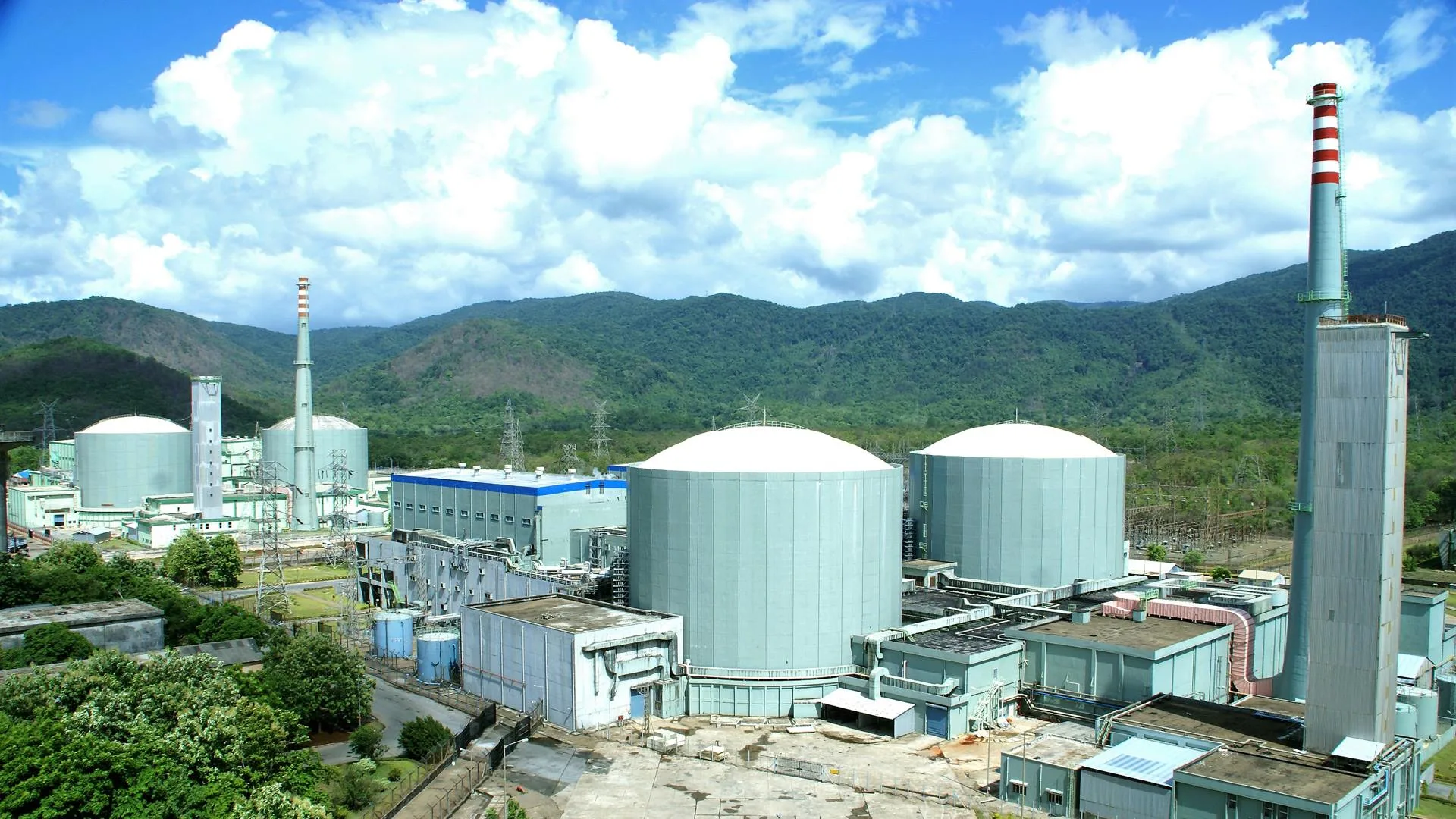
The reactor operated continuously for 962 days, setting a world record for uninterrupted operation among nuclear power reactors.
This achievement demonstrated:
- High safety standards
- Reliable technology
- Efficient plant management
- Skilled Indian engineers and scientists
Tarapur Atomic Power Station Completes 50 Years
The Tarapur Atomic Power Station (TAPS-1 and TAPS-2) completed 50 years of safe operation in 2019.
These reactors:
- Began operation in 1969.
- Became some of the oldest operating nuclear reactors in the world.
- Continued producing affordable electricity at around two rupees per unit.
Their long operational life reflects India’s strong maintenance and safety practices.
Nuclear Power Plants in India
India operates nuclear power stations across several states.
Major operational plants include:
- Rajasthan
- Maharashtra
- Tamil Nadu
- Gujarat
- Karnataka
- Uttar Pradesh
Several additional projects were under construction or planned in states such as:
- Andhra Pradesh
- Haryana
- Madhya Pradesh
- West Bengal
These projects are intended to increase India’s electricity generation capacity in the coming years.
India’s Three-Stage Nuclear Power Programme
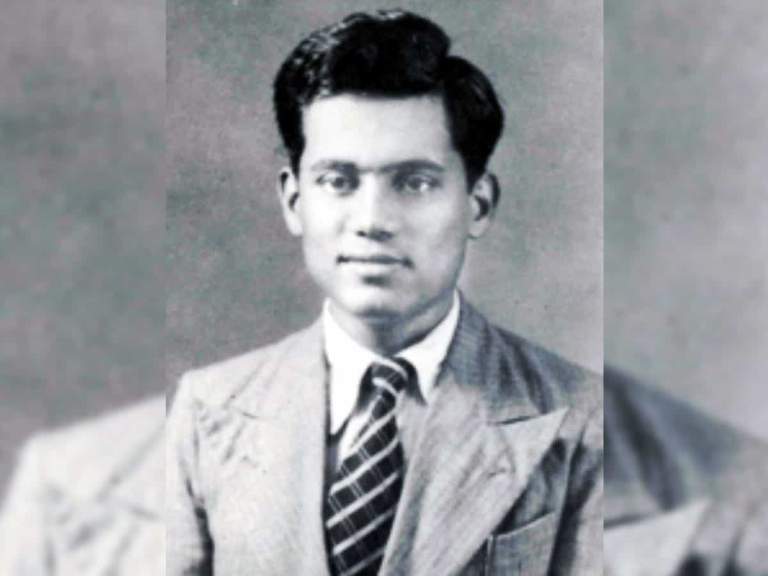
India follows a unique three-stage nuclear power programme designed by Dr. Homi Jehangir Bhabha, the father of India’s nuclear programme.
This strategy makes the best use of India’s limited uranium reserves and abundant thorium resources.
Stage 1: Pressurised Heavy Water Reactor (PHWR)
The first stage uses:
- Natural uranium as fuel
- Heavy water as moderator and coolant
These reactors generate electricity while producing plutonium for the next stage.
India has successfully developed indigenous PHWR technology and has become one of the leading countries in this field.
Stage 2: Fast Breeder Reactor (FBR)
The second stage uses plutonium produced during Stage 1.
Fast Breeder Reactors produce:
- More fuel than they consume
- Additional plutonium
- Better fuel efficiency
India’s Prototype Fast Breeder Reactor (PFBR) is being developed by BHAVINI at Kalpakkam.
Liquid sodium is used as the coolant because of its excellent heat transfer properties.
Stage 3: Thorium-Based Reactors
The third stage is India’s long-term vision.
India possesses one of the world’s largest thorium reserves.
Thorium-based reactors will:
- Produce clean electricity.
- Reduce dependence on imported uranium.
- Improve long-term energy security.
This stage is still under development but is expected to play a major role in India’s future energy system.
Civil Nuclear Cooperation
India continued strengthening international partnerships in peaceful nuclear energy.
During 2019:
Russia
Discussions continued with Rosatom for constructing six new nuclear reactors.
France
Negotiations progressed for the Jaitapur Nuclear Power Project in Maharashtra, which is expected to become one of the world’s largest nuclear power plants.
United States
Talks continued regarding the proposed nuclear power project at Kovvada in Andhra Pradesh.
Fuel Supply
India also strengthened uranium supply agreements with:
- Canada
- Kazakhstan
- Australia
These partnerships help ensure a stable supply of nuclear fuel for Indian reactors.
National Cancer Grid – Vishwam Cancer Care Connect
In September 2019, DAE launched the National Cancer Grid (NCG) – Vishwam Cancer Care Connect.
The initiative aims to connect cancer hospitals in India with institutions around the world.
Its objectives include:
- Better cancer treatment
- Sharing medical knowledge
- International research collaboration
- Standardized patient care
This strengthens India’s role in global cancer research.
What is the National Cancer Grid?
The National Cancer Grid (NCG) was established in 2012.
It is a network of:
- Cancer hospitals
- Medical colleges
- Research institutions
- Charitable organizations
Its goals are:
- Uniform treatment standards
- Better diagnosis
- Improved training
- Collaborative research
- Affordable cancer care
Today, the network continues to expand across India.
Glass Vitrified Cesium Pencil
Scientists developed the world’s first Glass Vitrified Cesium Pencil for blood irradiation.
This innovation helps prevent Transfusion Associated Graft Versus Host Disease (TA-GVHD), a serious condition that can affect patients receiving blood transfusions.
Compared to Cobalt-60, Cesium offers several advantages:
- Longer lifespan
- Lower radiation shielding requirements
- Better safety
- Stable glass form
Several hospitals received these advanced blood irradiation systems.
Radiopharmaceuticals
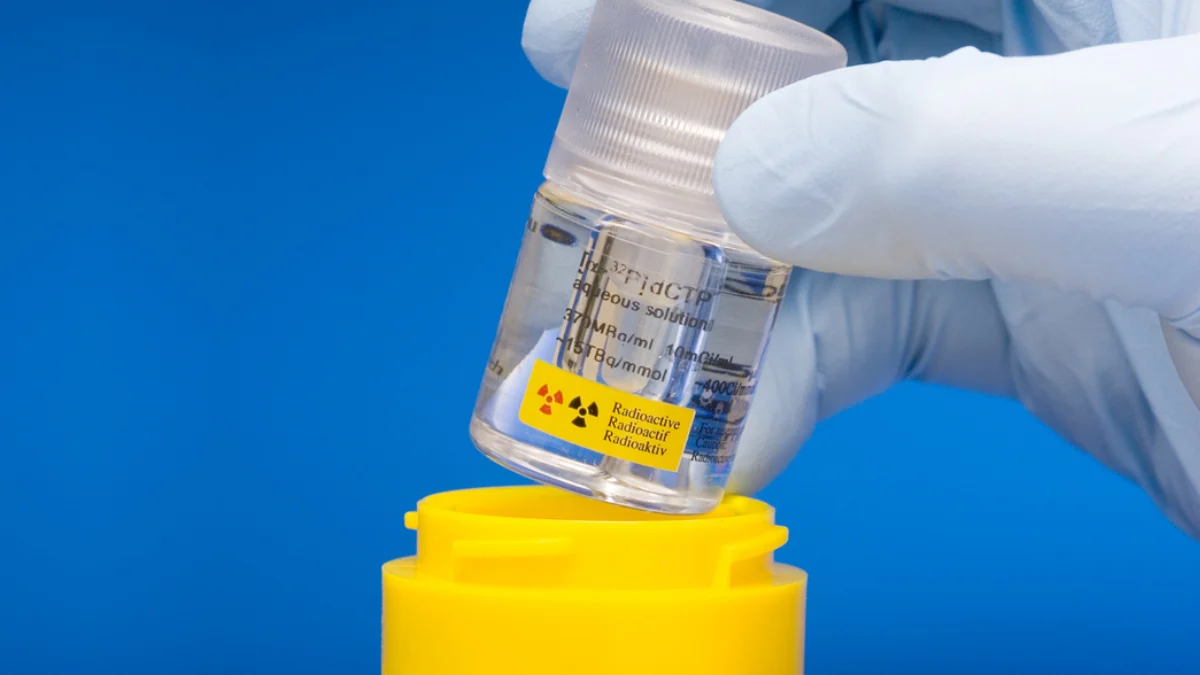
In 2019, four new radiopharmaceutical products were introduced.
These medicines are used for:
- Cancer diagnosis
- Liver treatment
- Bone pain relief
- Neuroendocrine tumour imaging
Radiopharmaceuticals contain carefully controlled radioactive substances that help doctors diagnose and treat diseases with great accuracy.
What are Radioisotopes?
Radioisotopes are unstable forms of chemical elements that release radiation.
They have many peaceful applications.
In Medicine
They help doctors:
- Detect cancer
- Treat thyroid disorders
- Diagnose heart diseases
- Study organ function
In Industry
Radioisotopes are used for:
- Quality testing
- Measuring thickness
- Detecting leaks
- Sterilizing medical equipment
In Agriculture
They help improve:
- Crop research
- Soil studies
- Pest control
- Food preservation
Nuclear Technology Beyond Electricity
Many people think nuclear technology is used only for producing electricity.
However, it also contributes to:
- Cancer treatment
- Food preservation
- Water purification
- Agriculture
- Industrial testing
- Space research
- Scientific innovation
This makes nuclear science valuable across many sectors.
Developments After 2019 (2020-2025)
The Department of Atomic Energy continued making significant progress after 2019.
Kakrapar Unit-3 Begins Commercial Operation
In 2023, Kakrapar Atomic Power Project Unit-3, India’s first indigenous 700 MW Pressurised Heavy Water Reactor (PHWR), began commercial operation. It marked a major achievement in India’s self-reliant nuclear technology programme.
Kakrapar Unit-4
Kakrapar Unit-4 also achieved important milestones and moved toward commercial operation, increasing India’s nuclear power generation capacity.
Prototype Fast Breeder Reactor
The Prototype Fast Breeder Reactor (PFBR) at Kalpakkam reached advanced stages of commissioning by 2024–2025. It is expected to play a crucial role in India’s second stage of the nuclear programme.
Expansion of Nuclear Capacity
The Government continued work on new nuclear power projects in Rajasthan, Haryana, Tamil Nadu, Madhya Pradesh, and Karnataka to increase clean electricity production.
Advances in Cancer Care
DAE institutions expanded access to advanced radiation therapy, PET imaging, radiopharmaceutical production, and cancer research through the National Cancer Grid.
Focus on Clean Energy
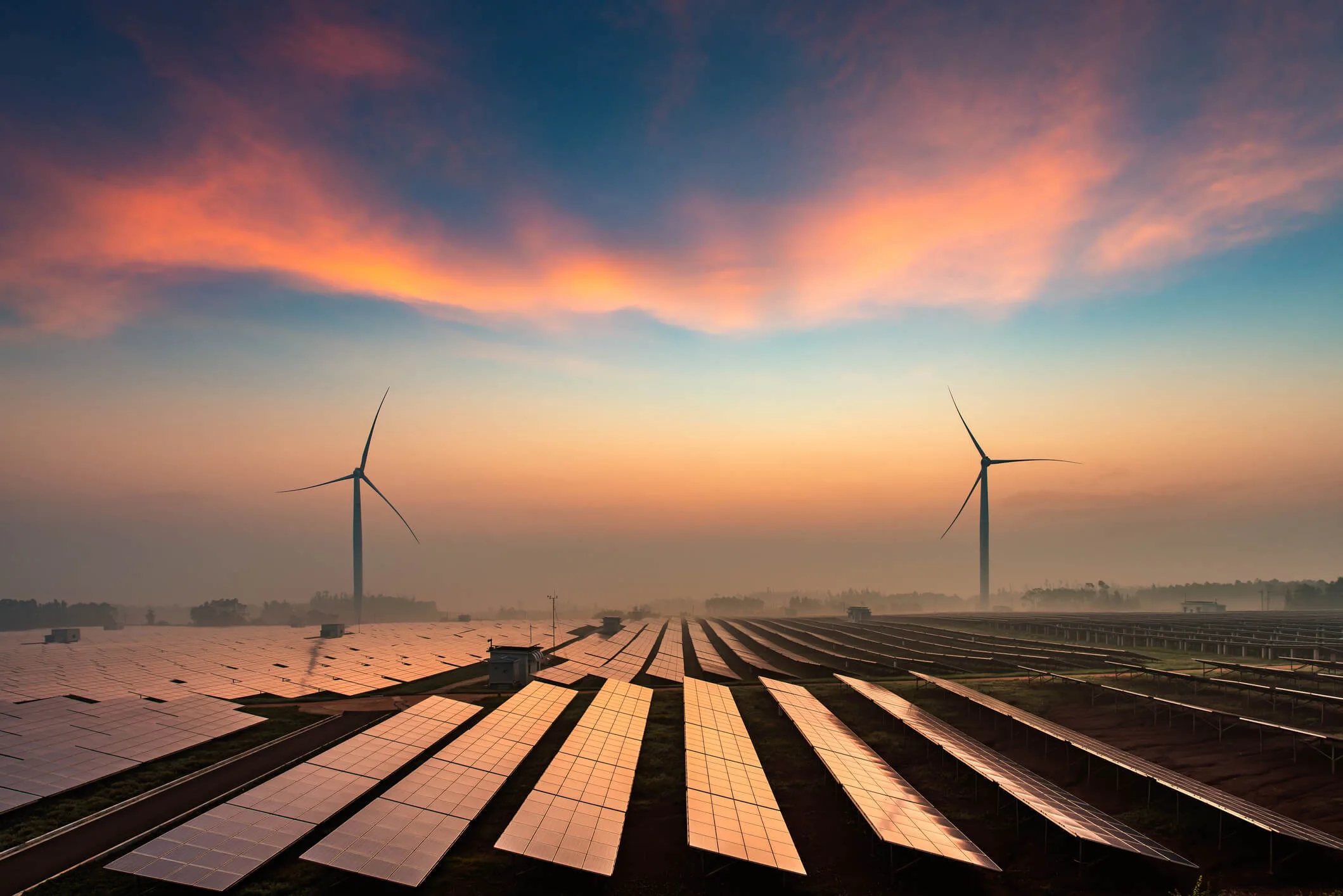
As India works toward achieving its climate goals, nuclear energy is receiving greater attention as a reliable source of low-carbon electricity alongside solar, wind, and hydropower.
Challenges Ahead
Although nuclear energy offers many benefits, India still faces several challenges.
These include:
- High construction costs
- Long project timelines
- Nuclear waste management
- Public awareness about safety
- Fuel supply security
- Skilled workforce development
Continuous investment in research and technology will help overcome these challenges.
Conclusion
The Department of Atomic Energy showcased India’s steady progress in nuclear power generation, scientific research, healthcare innovation, and international cooperation. Achievements such as the world-record operation of the Kaiga Atomic Power Station, the continued success of Tarapur, the launch of new cancer care initiatives, and advances in radiopharmaceuticals demonstrated India’s growing capabilities in peaceful nuclear technology.
Between 2020 and 2025, India further strengthened its nuclear sector through the commissioning of indigenous 700 MW reactors, progress in the Prototype Fast Breeder Reactor, expansion of cancer care technologies, and continued development of new nuclear power projects. As the country seeks clean and reliable energy for future growth, the Department of Atomic Energy will remain a key contributor to India’s scientific advancement, healthcare, and sustainable development.
FAQs About India’s Nuclear
1. What is the Department of Atomic Energy (DAE)?
The Department of Atomic Energy (DAE) is a Government of India department responsible for nuclear power generation, atomic research, radiation technology, nuclear medicine, and scientific development.
2. What was the major achievement of the Kaiga Atomic Power Station in 2019?
Kaiga Atomic Power Station Unit-1 set a world record by operating continuously for 962 days, demonstrating India’s high standards in nuclear power generation and safety.
3. What is India’s three-stage nuclear power programme?
India’s three-stage nuclear programme uses Pressurised Heavy Water Reactors (PHWRs), Fast Breeder Reactors (FBRs), and Thorium-based reactors to make efficient use of the country’s limited uranium and abundant thorium resources.
4. What is the Prototype Fast Breeder Reactor (PFBR)?
The Prototype Fast Breeder Reactor (PFBR) is an advanced nuclear reactor being developed at Kalpakkam to support the second stage of India’s nuclear energy programme and improve fuel efficiency.
5. What is the National Cancer Grid (NCG)?
The National Cancer Grid (NCG) is a network of cancer hospitals and research institutions that works to improve cancer prevention, diagnosis, treatment, training, and research across India.
6. What are radiopharmaceuticals?
Radiopharmaceuticals are medicines containing radioactive substances that are used to diagnose and treat diseases such as cancer, liver disorders, bone diseases, and certain endocrine conditions.
7. What are radioisotopes used for?
Radioisotopes are used in medicine for diagnosis and treatment, in industries for quality testing and leak detection, in agriculture for crop research, and in scientific research.
8. Why is nuclear energy important for India?
Nuclear energy provides reliable, low-carbon electricity, supports energy security, reduces dependence on fossil fuels, and helps India meet its growing energy demand while lowering greenhouse gas emissions.
9. What is the role of BHAVINI?
Bharatiya Nabhikiya Vidyut Nigam Limited (BHAVINI) is responsible for constructing and operating Fast Breeder Reactors, including the Prototype Fast Breeder Reactor at Kalpakkam.
10. What developments took place in India’s nuclear sector after 2019?
After 2019, India commissioned Kakrapar Unit-3, advanced the Prototype Fast Breeder Reactor, expanded cancer care technologies, strengthened nuclear power projects, and increased its focus on clean and sustainable energy.