


Sustainable Development: Meaning, Goals, Challenges and Global Efforts

Sustainable Development means development that fulfills the needs of people today without harming the ability of future generations to meet their needs. In simple words, it means using resources wisely so that our children and future generations can also enjoy a healthy and safe life.
Thank you for reading this post, don't forget to subscribe!This definition was given by the Brundtland Commission in its famous 1987 report Our Common Future. Today, sustainable development has become one of the most important goals for countries around the world because the Earth is facing serious problems such as climate change, pollution, poverty, and loss of biodiversity.
The main aim of sustainable development is to create a future where economic growth, social progress, and environmental protection work together in balance.
What is Sustainable Development?
Development is necessary for improving people’s lives. We need industries, roads, schools, hospitals, and technology. But if development happens without caring for nature, it can create serious damage such as deforestation, pollution, and resource depletion.
Sustainable development ensures that progress happens in a balanced way. It promotes:
- Better living standards
- Protection of nature
- Equal opportunities for everyone
- Responsible use of natural resources
A sustainable future is one where humans and nature coexist peacefully.
Core Elements of Sustainable Development
Sustainable development has three major pillars.
1. Environmental Sustainability
Environmental sustainability focuses on protecting nature and using natural resources carefully.
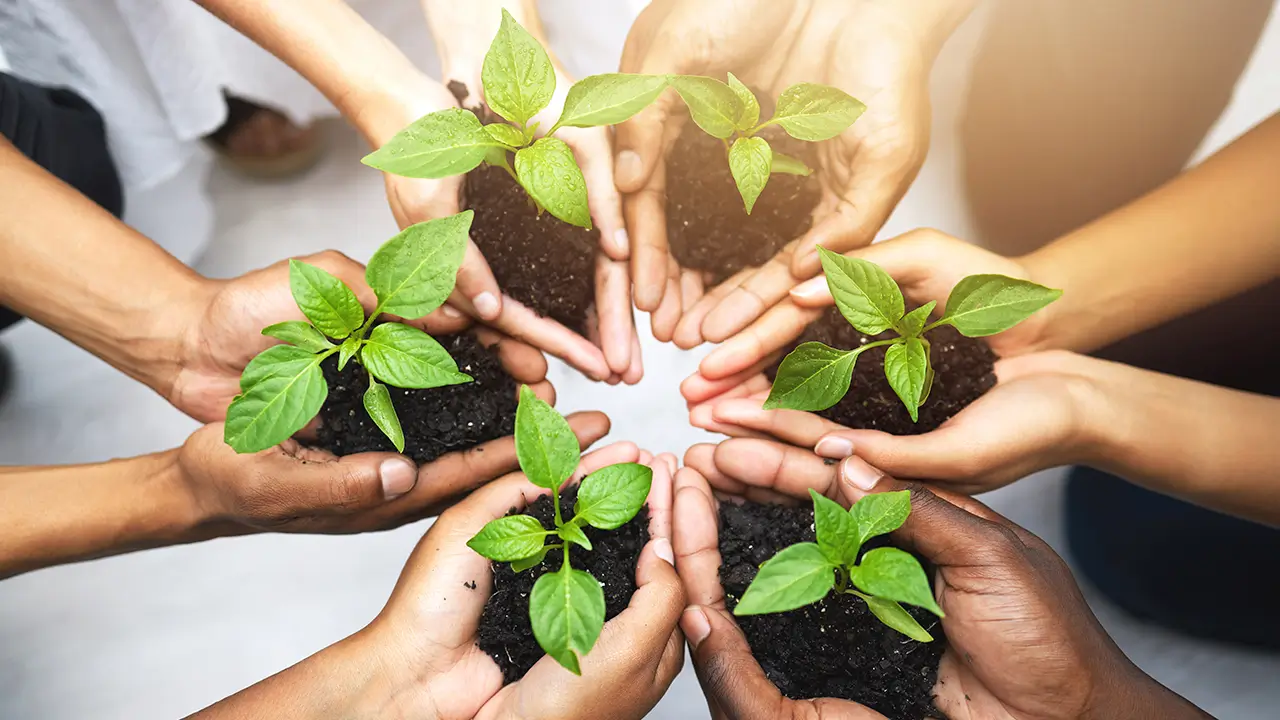
The Earth provides water, forests, minerals, and energy. But these resources are limited. If we use them without control, future generations may suffer.
Important actions for environmental sustainability include:
- Protecting forests and wildlife
- Using renewable energy like solar and wind power
- Saving water
- Reducing plastic use
- Controlling pollution
- Promoting eco-friendly construction
Environmental sustainability helps maintain ecological balance.
2. Social Sustainability
Social sustainability focuses on improving people’s quality of life.
A society can only develop when all people get equal access to:
- Education
- Healthcare
- Food
- Housing
- Employment
- Safety
Social sustainability also promotes:

- Gender equality
- Social justice
- Cultural preservation
- Community development
A sustainable society ensures no group is left behind.
3. Economic Sustainability
Economic sustainability means growth that creates wealth for everyone without harming nature.
Economic growth is important because it creates jobs and improves living standards. However, growth should be fair and environmentally safe.
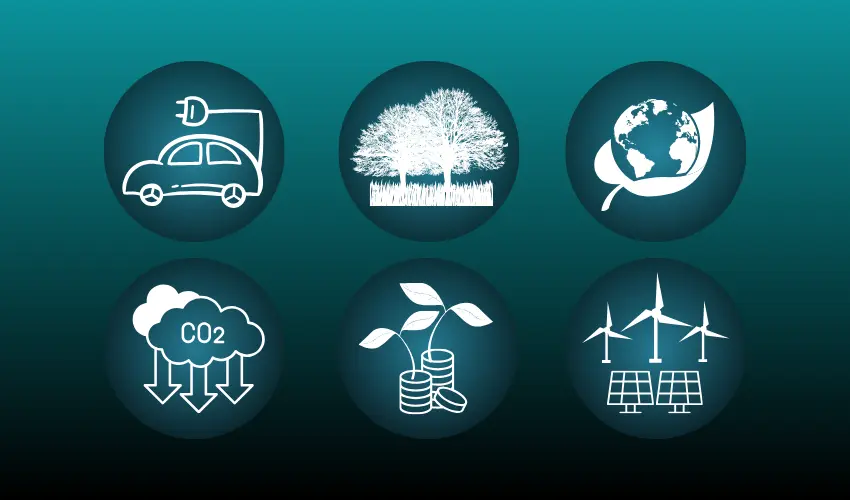
Economic sustainability includes:
- Reducing poverty
- Creating employment
- Fair distribution of wealth
- Responsible investment
- Supporting green industries
A strong economy should benefit all sections of society.
Importance of Scientific and Traditional Knowledge
Sustainable development becomes more effective when modern science and traditional knowledge work together.
Local communities have valuable traditional practices for farming, water conservation, and forest protection. These practices have been developed over generations.
When scientific research combines with local knowledge, development becomes faster and more practical. This combination is often called community knowledge.
Traditional knowledge also helps in biodiversity conservation.
India recognizes this through initiatives like:
- National AYUSH Mission
- Traditional Knowledge Digital Library
These initiatives help preserve valuable indigenous knowledge.
Global Issues Related to Sustainable Development
The world faces several challenges that make sustainable development difficult.
Inequality Between Nations
There is a major gap between developed and developing countries. This is often called the North-South Divide.
Developed countries consume much more energy and resources, while developing nations still struggle with poverty and basic needs.
This imbalance creates challenges in global cooperation.
Loss of Biodiversity
Biodiversity means the variety of plants, animals, and ecosystems on Earth.
Today, biodiversity is declining rapidly due to:
- Deforestation
- Pollution
- Climate change
- Illegal hunting
- Urban expansion
Many species are now at risk of extinction.
Climate Change
Climate change is one of the biggest global threats.
Rising greenhouse gases are causing:
- Higher temperatures
- Rising sea levels
- Floods
- Droughts
- Stronger storms
Climate change affects agriculture, health, and livelihoods.
Intellectual Property Rights
Technology and innovation can help solve environmental problems. However, poor countries often struggle to access expensive green technologies.
Affordable access to innovation is important for sustainable development.
Global Initiatives for Sustainable Development
Over the years, many international agreements have been created.
United Nations Conference on the Human Environment
This was the first major global conference focused on environmental issues. It placed environmental protection on the global agenda.
It also led to the creation of the United Nations Environment Programme (UNEP).
Earth Summit
Held in Rio de Janeiro, this summit was a major turning point.
Important outcomes included:
- United Nations Framework Convention on Climate Change
- Convention on Biological Diversity
- Rio Declaration
- Agenda 21
Kyoto Protocol
This agreement aimed to reduce greenhouse gas emissions.
Paris Agreement
This is one of the most important climate agreements. Countries agreed to limit global warming and reduce emissions.
Other Important Global Conventions
Major agreements include:
- Ramsar Convention
- Montreal Protocol
- Basel Convention
- Minamata Convention on Mercury
- International Whaling Commission
These agreements help protect global ecosystems.
Sustainable Development Goals (SDGs)
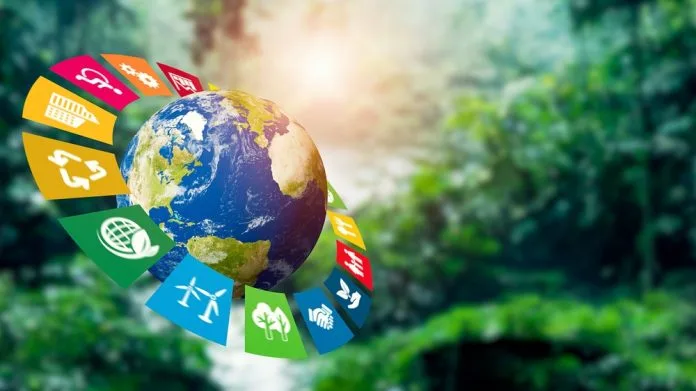
In 2015, the United Nations launched the 2030 Agenda for Sustainable Development.
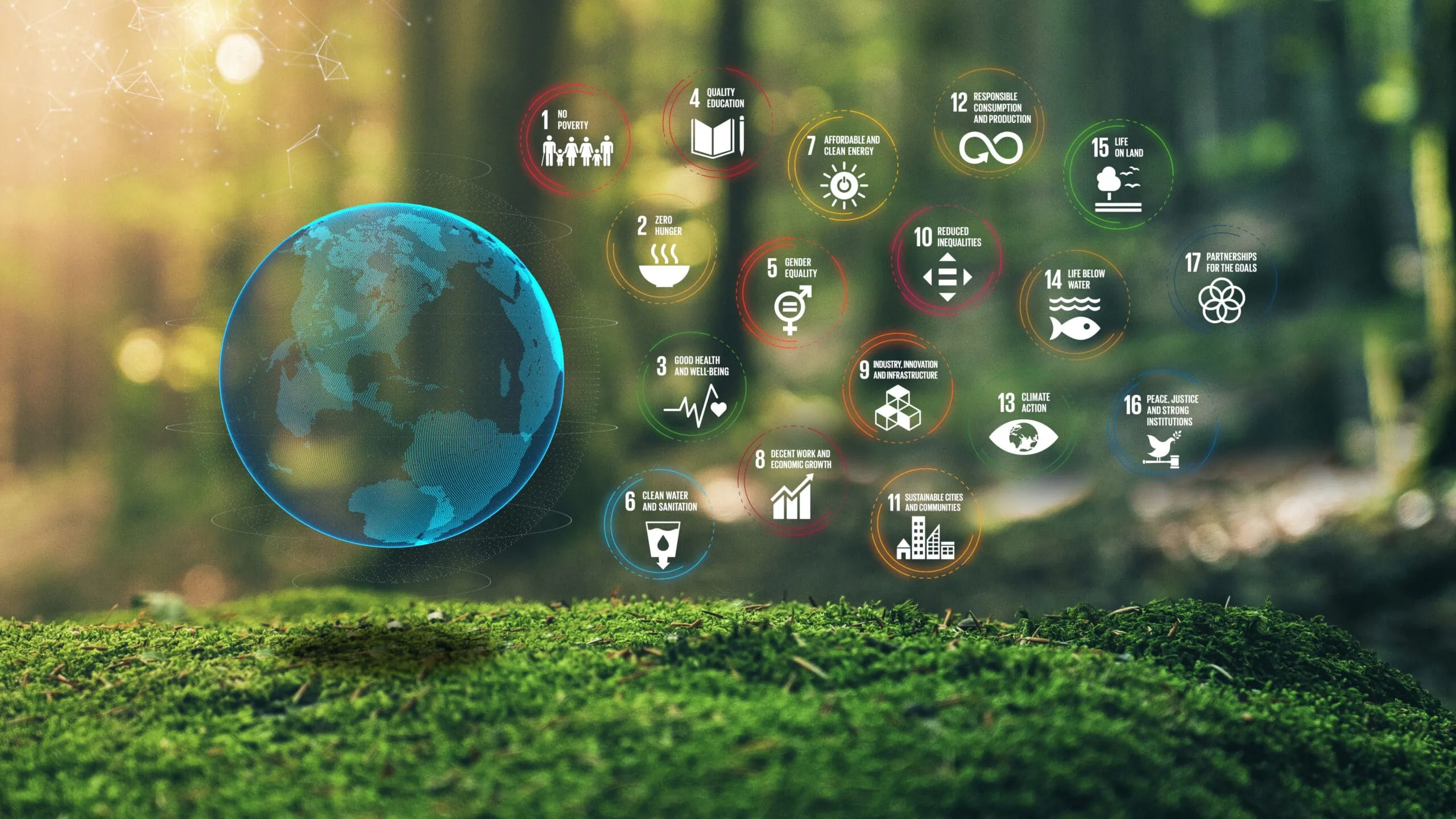
This agenda includes 17 Sustainable Development Goals (SDGs) and 169 targets.
The goals aim to:
- End poverty
- Improve health
- Ensure quality education
- Achieve gender equality
- Promote clean energy
- Protect ecosystems
- Fight climate change
The SDGs are not legally binding, but they guide countries toward a better future.
India tracks progress through the NITI Aayog SDG India Index.
Roadblocks to Global Initiatives
Despite many agreements, several obstacles remain.
National Sovereignty
Every country has its own priorities. Sometimes countries hesitate to follow global rules strictly.
Unequal Resource Use
Developed countries consume far more resources than developing countries.
This creates tension in international discussions.
Protecting Global Commons
Some resources belong to everyone, such as:
- Oceans
- Atmosphere
- Antarctica
- Outer space
Since no single country owns them, protection becomes difficult.
Regional Initiatives
Regional groups help solve shared environmental problems.
European Union
The EU promotes strong environmental rules such as:
- Prevention of pollution
- Polluter pays principle
- Sustainable policies
Association of Southeast Asian Nations
ASEAN has created many environmental agreements for member countries.
South Asian Association for Regional Cooperation
SAARC introduced:
- Environment Action Plan (1997)
- Disaster Management Framework
- Convention on Cooperation on Environment
These efforts help South Asian nations work together.
Community Initiatives
Sustainable development is not possible without people’s participation.
Local communities, NGOs, and civil society play a major role.
Important organizations include:
- International Union for Conservation of Nature
- World Wide Fund for Nature
- Greenpeace
- Wetlands International
These groups create awareness and support conservation.
In India, community-led movements became famous, such as:
- Chipko Movement
- Save Silent Valley Movement
These movements showed the power of people in protecting nature.
Role of Cooperatives
Cooperatives help improve rural livelihoods and support sustainable development.
They connect grassroots communities with government systems.
Cooperatives help by:
- Creating jobs
- Improving incomes
- Promoting eco-friendly technologies
- Spreading awareness
A famous example is Amul, which transformed rural dairy farming through Operation Flood.
Progress in Sustainable Development
The world has made important progress.
Positive developments include:
- Extreme poverty has declined
- Child mortality has reduced significantly
- Immunization has saved millions of lives
- Electricity access has improved
- Protected marine areas have increased
- Illegal fishing control has improved
- Renewable energy use has grown
Renewable energy such as solar and wind power has become cheaper over time.
Many countries now support green growth.
Challenges Ahead
Many serious challenges remain.
Poverty and Inequality
Millions still live in poverty, especially in rural areas.
Income inequality is growing both within and between countries.
Hunger and Malnutrition
Global hunger is rising again.
Many children suffer from stunting due to poor nutrition.
Unemployment
Young people often struggle to find jobs.
This affects economic growth and social stability.
Gender Inequality
Women still face unequal access to education, jobs, and leadership roles.
Environmental Damage
Nature is deteriorating rapidly.
Major problems include:
- Rising temperatures
- Sea-level rise
- Ocean acidification
- Land degradation
- Deforestation
- Pollution
Scientists estimate around 1 million species are at risk of extinction.
This is alarming.
Measuring Sustainable Development
Progress is monitored through global reports.
Sustainable Development Index (SDI)
Released by the Sustainable Development Solutions Network, this index helps countries identify gaps.
Global Sustainable Development Report (GSDR)
Prepared by the United Nations, this report studies global SDG progress.
It warns that current development patterns are not fully sustainable.
Way Forward
To achieve sustainable development by 2030, stronger action is needed.
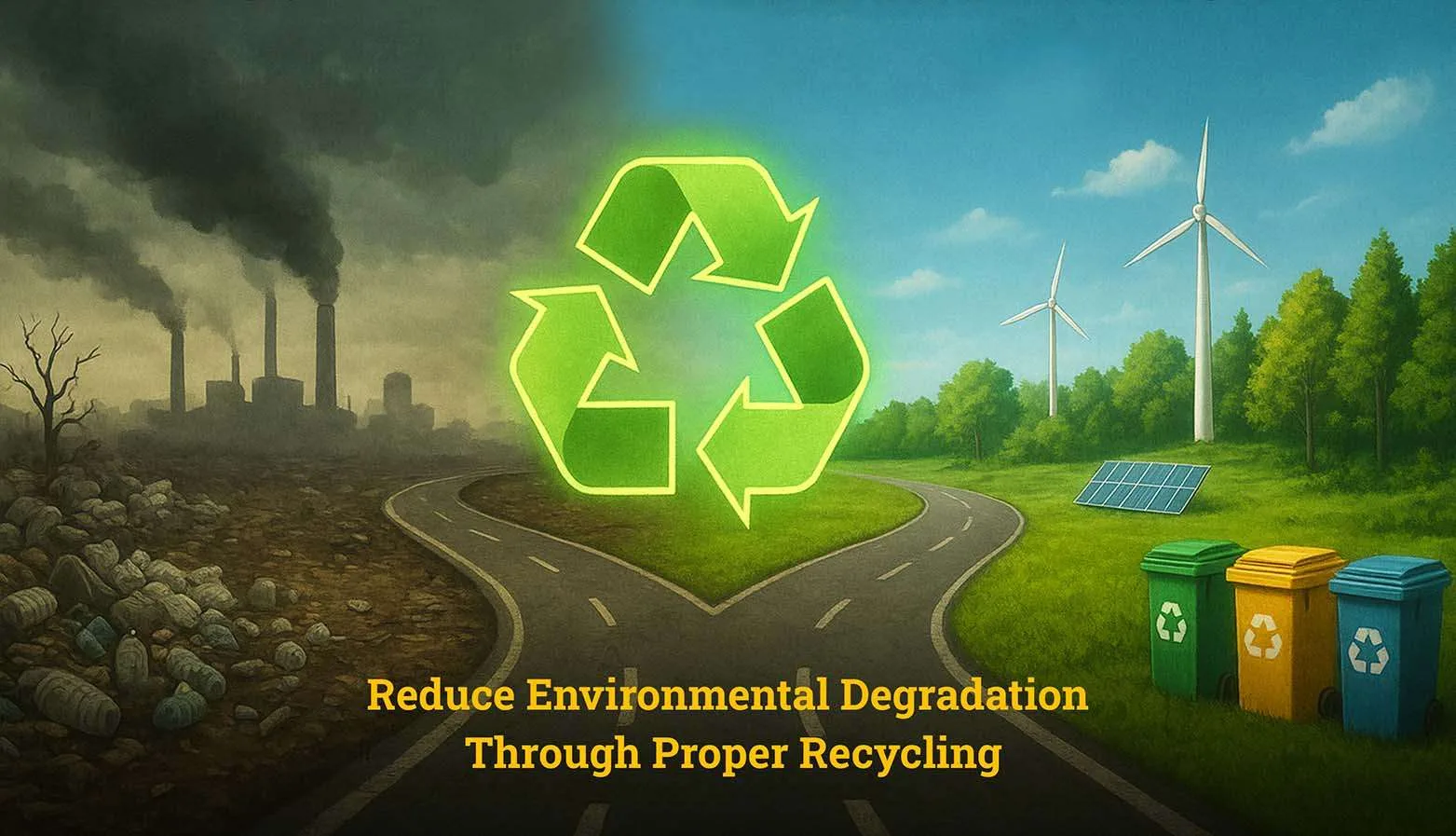
Important steps include:
- Reduce fossil fuel dependence
- Increase renewable energy use
- Protect forests and oceans
- Promote sustainable farming
- Reduce plastic pollution
- Improve education and healthcare
- Encourage responsible consumption
- Support green technology
Developed countries must reduce excessive consumption and invest in cleaner technologies.
Governments, businesses, NGOs, and ordinary citizens all have responsibilities.
A better future is still possible, but only if the world takes fast and meaningful action now. Sustainable development is not just about saving nature it is about building a fair, healthy, and secure future for all humanity.
FAQs
Q1. What is Sustainable Development?
Sustainable Development means meeting present needs without harming the ability of future generations to meet their needs. It focuses on balanced growth of society, economy, and environment.
Q2. Who gave the definition of Sustainable Development?
The most widely accepted definition was given by the World Commission on Environment and Development (Brundtland Commission) in its 1987 report Our Common Future.
Q3. What are the three pillars of Sustainable Development?
The three pillars are:
- Environmental Sustainability
- Social Sustainability
- Economic Sustainability
Q4. Why is Sustainable Development important?
It is important because it helps protect natural resources, reduce poverty, improve living standards, and ensure a better future for coming generations.
Q5. What are the Sustainable Development Goals (SDGs)?
The Sustainable Development Goals (SDGs) are 17 global goals launched by the United Nations in 2015 to end poverty, protect the planet, and ensure prosperity by 2030.
Q6. How does climate change affect Sustainable Development?
Climate change causes rising temperatures, floods, droughts, and sea-level rise, which harm agriculture, health, and ecosystems, making sustainable development harder.
Q7. What are examples of Sustainable Development practices?
Examples include:
- Using solar and wind energy
- Saving water
- Recycling waste
- Planting trees
- Reducing plastic use
Q8. What is India doing for Sustainable Development?
India promotes sustainable development through renewable energy projects, environmental laws, afforestation programs, and the NITI Aayog SDG India Index.