

Plastic Waste: A Growing Threat to Earth

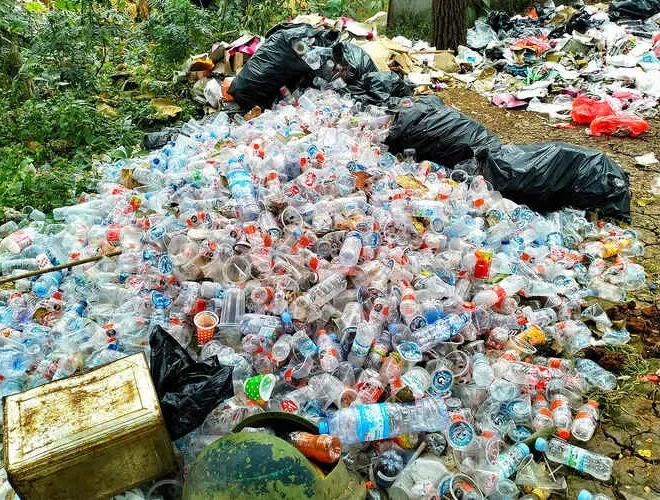
Plastic Waste has become one of the biggest environmental problems in the modern world. Plastic is used almost everywhere because it is cheap, lightweight, and strong. We use plastic bags, bottles, food packets, straws, cups, and many other daily items. However, the biggest problem is that plastic does not break down naturally like paper, leaves, or food waste. It stays in the environment for hundreds or even thousands of years.
Thank you for reading this post, don't forget to subscribe!Because of this, plastic waste keeps increasing in cities, villages, rivers, oceans, and even forests. It harms animals, pollutes water and land, and also affects human health. Managing plastic waste is now a major challenge for countries around the world, including India.
What is Plastic Waste?
Plastic waste refers to discarded plastic materials that are no longer useful. These include:
- Plastic bags
- Water bottles
- Food packaging
- Disposable cups and plates
- Straws
- Wrappers
- Plastic containers
Unlike biodegradable waste, plastic cannot be easily decomposed by bacteria or natural processes. That is why plastic remains in the environment for a very long time.
Plastic pollution happens when plastic waste accumulates in land, rivers, lakes, and oceans.
A recent study by the Un-Plastic Collective (UPC) revealed that India produces around 9.46 million tonnes of plastic waste every year. Out of this, nearly 40% remains uncollected, which means it stays in the environment and causes pollution. Around 43% of plastic is used for packaging, and much of it is single-use plastic.
Un-Plastic Collective (UPC)
The Un-Plastic Collective (UPC) is a voluntary initiative started by:
- United Nations Environment Programme India
- Confederation of Indian Industry
- World Wide Fund for Nature India
Its main goal is to reduce the harmful effects of plastic on nature and society.
The initiative encourages companies to:
- Reduce unnecessary plastic use
- Reuse plastic materials
- Promote recycling
- Replace plastic with eco-friendly alternatives
Types of Plastic Waste
Plastic waste can be divided into different types.
1. Microplastics
Microplastics are tiny plastic particles smaller than 5 millimeters.
Examples include:
- Microbeads in cosmetics
- Microfibers from clothes
- Industrial plastic particles
- Plastic pellets used in factories
Most microplastics are formed when bigger plastic items break into tiny pieces due to sunlight, heat, and physical damage.
These tiny plastics are dangerous because they can easily enter water, soil, fish, and eventually the human body.
2. Single-Use Plastic
Single-use plastic is plastic designed to be used only once before being thrown away.
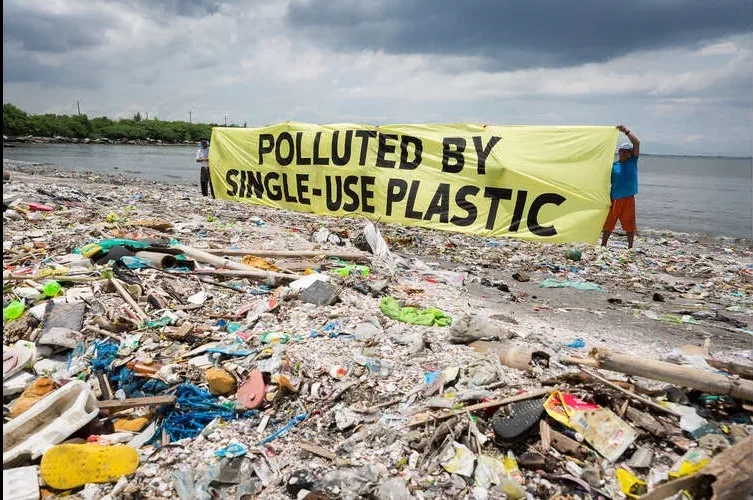
Examples include:
- Plastic bags
- Bottles
- Straws
- Disposable spoons
- Food wrappers
- Plastic cups and plates
These products create a huge amount of waste every day.
India announced its commitment to eliminate single-use plastic to reduce pollution.
Extent of Plastic Waste in the World
Plastic waste is now a global issue.
Important facts:
- More than 8.3 billion tonnes of plastic has been produced since 1950.
- Only 9% has been recycled.
- Around 12% has been burned.
- The remaining 79% has ended up in landfills or nature.
Scientists warn that if current trends continue, by 2050, plastic in oceans may weigh more than fish.
That shows how serious this problem has become.
Plastic Waste in India
According to the Central Pollution Control Board (CPCB), India produces nearly 26,000 tonnes of plastic waste every day.
Out of this:
- More than 10,000 tonnes remain uncollected daily
- Large amounts reach drains, rivers, and landfills
India’s plastic processing industry has grown rapidly over the years. A large part of this growth comes from packaging and single-use products.
Although India’s per person plastic consumption is lower than countries like the United States, the huge population makes total plastic waste extremely high.
Causes of Rising Plastic Waste
Several reasons are increasing plastic waste:
Cheap Production
Plastic is inexpensive and easy to manufacture.
Convenience
People prefer plastic because it is lightweight and easy to carry.
Single-Use Culture
Modern lifestyles encourage disposable products.
Online Shopping
E-commerce and food delivery apps use a large amount of plastic packaging.
Poor Waste Management
Improper collection and segregation increase plastic pollution.
Effects of Plastic Waste
Plastic waste affects almost every part of the environment.
1. Economic Loss
Plastic waste damages tourism.
Dirty beaches, rivers, and public spaces reduce visitor interest.
For example, Andaman and Nicobar Islands faces growing plastic pollution, which harms its natural beauty.
2. Harm to Animals
Animals on land and in water suffer greatly from plastic waste.
Many animals mistake plastic for food.
Examples:
- Cows eat plastic bags from garbage dumps
- Fish swallow microplastics
- Turtles eat plastic thinking it is jellyfish
Plastic can block their digestive systems, causing starvation and death.
Animals can also get trapped in plastic waste such as fishing nets.
3. Human Health Problems
Plastic contains harmful chemicals such as:
- Bisphenol A (BPA)
- Phthalates
- Toxic flame retardants
These chemicals may affect:
- Hormones
- Growth
- Reproductive health
- Genetic functions
Young children and pregnant women are especially vulnerable.
Microplastics have even been found in human blood and food.
4. Land Pollution
Plastic dumped on land releases harmful chemicals.
This reduces soil quality and affects farming.
Polluted land becomes less useful for agriculture and plant growth.
5. Air Pollution
Burning plastic releases poisonous gases.
These gases can cause:
- Breathing problems
- Asthma
- Lung diseases
- Eye irritation
Air pollution from plastic burning is dangerous for humans and animals.
6. Groundwater Pollution
When plastic is dumped in landfills, rainwater carries toxic chemicals underground.
These chemicals contaminate:
- Groundwater
- Wells
- Underground water reserves
This makes drinking water unsafe.
7. Water Pollution
Rivers, lakes, and oceans are heavily polluted by plastic.
Floating plastic harms aquatic life.
Marine creatures often swallow plastic and toxic particles.
The United Nations estimated that ocean plastic pollution causes billions of dollars in damage every year.
8. Damage to Food Chain
Small organisms like plankton consume microplastics.
Then larger fish eat them.
Then humans eat those fish.
This allows plastic toxins to move through the entire food chain.
This affects ecosystems and biodiversity.
9. Poor Drainage and Flooding
Plastic waste blocks drains and sewage systems.
Blocked drains cause water overflow during heavy rain.
This leads to flooding in cities and towns.
Many urban flood problems are linked to plastic waste.
10. Habitat Destruction
Plastic waste damages natural habitats.
On the ocean floor, plastic can block oxygen exchange.
This creates low-oxygen zones that harm marine life.
Major Challenges in Plastic Waste Management
Managing plastic waste is difficult due to several challenges.
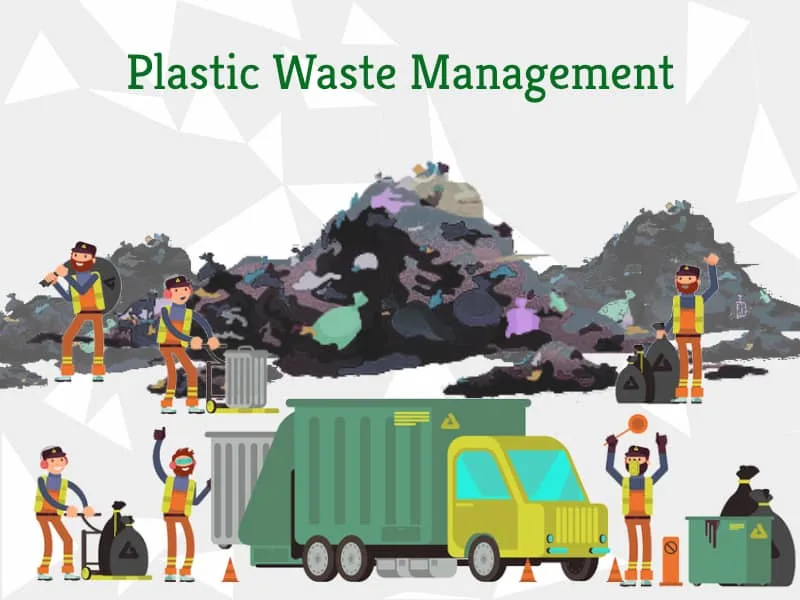
Mismanaged Waste
A large amount of plastic is openly dumped.
Once plastic reaches rivers and oceans, removing it becomes difficult.
Ocean currents have created a massive garbage patch called the Great Pacific Garbage Patch in the Pacific Ocean.
Fake Biodegradable Plastic
Some companies sell products labeled “biodegradable” without proper testing.
These fake products confuse consumers and increase pollution.
Microplastic Spread
Microplastics travel through:
- Water
- Wind
- Soil
- Snow
- Clouds
They are now found even in remote mountains and polar regions.
Marine Litter
Plastic makes up nearly 60–80% of marine waste.
This is one of the biggest threats to marine ecosystems.
Poor Implementation of Rules
India introduced plastic waste management rules, but many local bodies still struggle with:
- Waste segregation
- Collection
- Recycling
- Monitoring
Weak enforcement remains a major issue.
Solutions for Plastic Waste Management
Plastic pollution can be reduced with proper action.
1. Reduce Plastic Use
The best solution is to reduce plastic use.
Avoid:
- Plastic bags
- Disposable cups
- Single-use bottles
- Plastic straws
Use alternatives like:
- Cloth bags
- Steel bottles
- Paper packaging
- Bamboo products
Project REPLAN
Project REPLAN by Khadi and Village Industries Commission promotes eco-friendly alternatives to plastic bags.
2. Reuse Plastic
Instead of throwing plastic away, reuse it.
Examples:
- Refill bottles
- Reuse containers
- Use durable bags repeatedly
Reusing reduces demand for new plastic.
3. Recycling
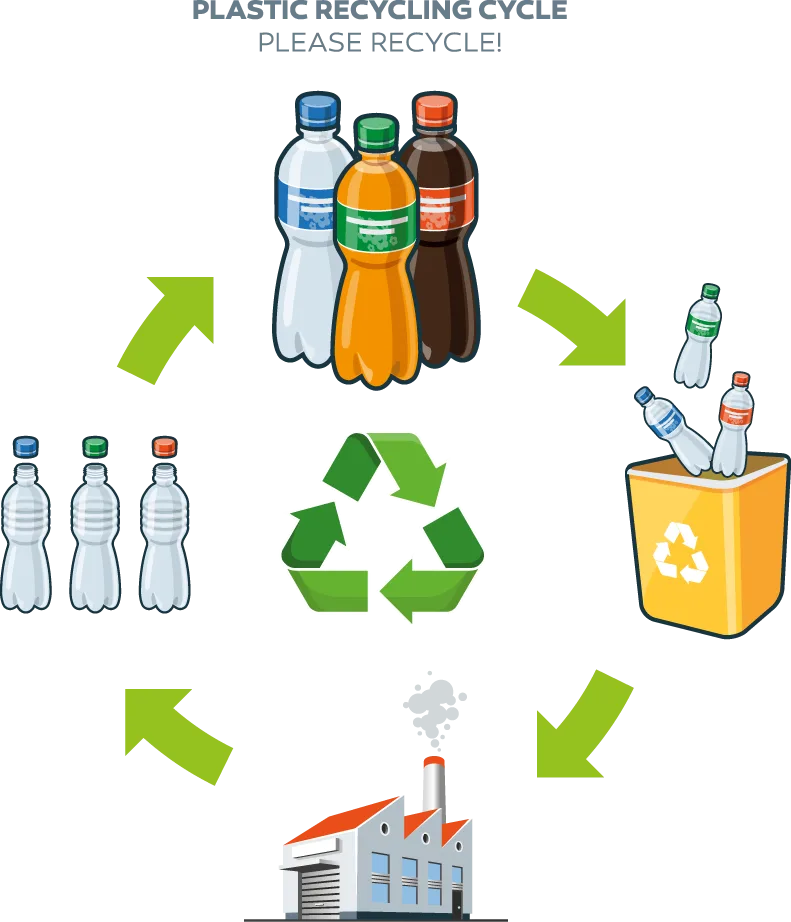
Recycling converts old plastic into useful products.
Benefits of recycling:
| Benefit | Explanation |
|---|---|
| Saves Resources | Less raw material needed |
| Creates Jobs | Recycling industry generates employment |
| Reduces Pollution | Less waste reaches landfills |
| Saves Energy | Recycling uses less energy than making new plastic |
Recycling is one of the most effective methods of plastic waste management.
4. Recovery
Some non-recyclable plastics can be converted into fuel or energy.
Plastic contains carbon and hydrogen, which can be used for energy production.
This reduces landfill pressure.
Government Efforts
Governments worldwide are taking steps to control plastic pollution.
Important efforts include:
World Environment Day 2018
The global theme was Beat Plastic Pollution.
Countries pledged to reduce plastic use.
G20 Action
Group of Twenty nations agreed to strengthen action against marine plastic waste.
Plastic Waste Management Rules 2016
These rules made local bodies responsible for:
- Collection
- Segregation
- Processing
- Disposal
Plastic Waste Management Amendment 2018
This introduced Extended Producer Responsibility (EPR).
What is Extended Producer Responsibility (EPR)?
EPR means manufacturers are responsible for managing the waste created by their products.
Under EPR, producers must help in:
- Collecting used plastic
- Recycling waste
- Safe disposal
This encourages companies to design eco-friendly products.
Way Forward
Plastic waste management needs cooperation from everyone.
Important future steps include:
Public Awareness
People must understand the dangers of plastic pollution.
Schools, campaigns, and media can spread awareness.
Promote Alternatives
Eco-friendly products should become affordable and widely available.
Governments can support this through:
- Tax rebates
- Research funding
- Startup support
Ban Harmful Products
The most harmful single-use plastics should be targeted first.
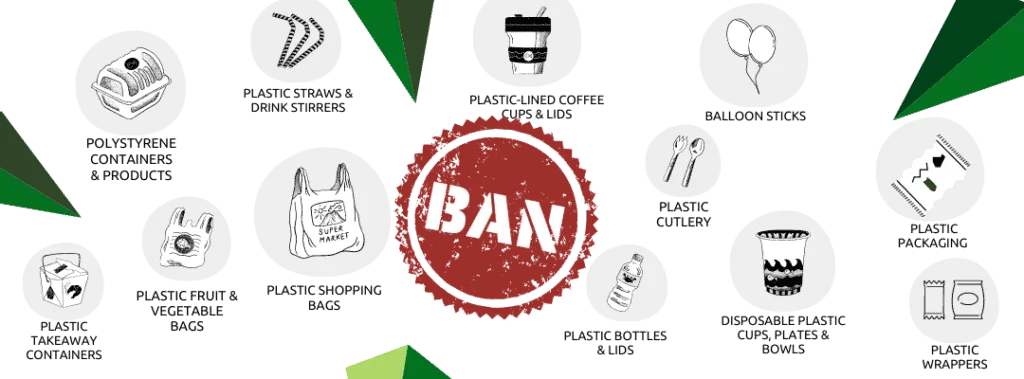
Examples:
- Thin plastic bags
- Disposable cutlery
- Plastic wrapping
Ban Microbeads
Microbeads in cosmetics and personal care products should be banned.
Improve Waste Segregation
Waste should be separated at source:
- Wet waste
- Dry waste
- Plastic waste
This makes recycling easier.
Strong Monitoring
Rules are effective only when properly enforced.
Authorities must ensure industries and consumers follow regulations.
Community Participation
Success needs support from:
- Consumers
- Businesses
- Manufacturers
- Local governments
- Environmental groups
Everyone has a role.
Plastic waste is not just an environmental problem; it is also a health, economic, and social issue. The growing use of plastic has made life easier, but careless disposal has created serious dangers. Reducing single-use plastic, improving recycling, and encouraging sustainable alternatives can help solve this crisis. Small daily actions by millions of people can create a big positive change for the planet.
FAQs
1. What is plastic waste?
Plastic waste refers to discarded plastic materials such as bags, bottles, wrappers, and containers that are no longer useful and often harm the environment.
2. Why is plastic waste harmful?
Plastic waste is harmful because it does not decompose easily and pollutes land, water, and air. It also harms animals and human health.
3. What are microplastics?
Microplastics are tiny plastic particles smaller than 5 mm. They are formed when larger plastic items break down into small pieces.
4. What is single-use plastic?
Single-use plastic is plastic used only once before being thrown away, such as plastic bags, straws, and disposable cups.
5. How does plastic waste affect marine life?
Marine animals often eat plastic by mistake or get trapped in it, leading to injury, starvation, or death.
6. How can we reduce plastic waste?
We can reduce plastic waste by using cloth bags, avoiding single-use plastics, reusing items, and recycling properly.
7. What is the 4R method in plastic waste management?
The 4R method includes:
- Reduce
- Reuse
- Recycle
- Recovery
8. What is Extended Producer Responsibility (EPR)?
EPR is a policy where manufacturers are responsible for collecting and managing the plastic waste generated by their products.