



Normative Ethical Theories: Understanding Teleological, Deontological and Virtue Ethics

Normative Ethical Theories help us understand what is right and wrong in human behavior. These theories provide moral principles that guide people in making ethical decisions in daily life, society, and public administration. In simple words, normative ethics tries to answer one important question: “What should I do?”
Thank you for reading this post, don't forget to subscribe!Normative ethics focuses on creating moral standards that help us judge whether an action is good or bad. It acts like a test to check proper behavior. One simple example is the Golden Rule, which says: Treat others the way you want to be treated.
Different ethical theories use different methods to decide morality. Some judge actions by their results, some by duties and rules, while others focus on character and virtues.
Normative ethical theories are mainly divided into three groups:
- Teleological Ethics
- Deontological Ethics
- Virtue Ethics
Each theory explains morality in a different way.
Teleological Ethics
The word teleology comes from the Greek word telos, meaning end or goal. Teleological ethics is also known as Consequentialism.
This theory says that the morality of an action depends on its results or consequences.
In simple words:
- If the result is good → the action is good
- If the result is bad → the action is bad
According to teleological ethics, what matters most is the final outcome, not the action itself.
Main Idea of Teleological Ethics
This theory believes human actions are goal-oriented. People choose actions because they want certain results.
For example, if someone steals food, many people may immediately say stealing is wrong. But teleological ethics asks us to examine the result.
Suppose a poor parent steals bread to feed starving children. If stealing prevents the children from dying of hunger, some teleologists may consider that act morally acceptable because it creates a better outcome.
This shows that teleological ethics judges actions based on their benefits and harms.
Utilitarianism as Teleological Ethics
One of the most famous teleological theories is Utilitarianism.
Utilitarianism says the best action is the one that creates:
“The greatest happiness for the greatest number of people.”
This theory became popular through British philosophers:
- Jeremy Bentham
- John Stuart Mill
They believed that decisions should maximize overall happiness and reduce suffering.
Utility in Decision Making
Utility means the overall benefit or usefulness of an action.
When making a decision, a person should:
- List possible actions
- Predict outcomes of each action
- Compare benefits and harms
- Choose the action with maximum benefit
For example, governments often use cost-benefit analysis before starting large projects like roads, dams, or public welfare schemes.
Questions they may ask:
- Will this help more people?
- Are benefits greater than costs?
- Will society gain overall happiness?
This approach is widely used in economics and policy making.
Deontology
The word Deontology comes from the Greek word Deon, meaning duty or obligation.
Deontological ethics says morality is based on rules, duties, and obligations, not on consequences.
This means some actions are right or wrong by nature, no matter what results they produce.
Main Idea of Deontology
According to deontology:
- People must follow moral duties
- Human rights must be respected
- Rules should not be broken for convenience
This theory says doing the right thing matters more than getting a good result.
For example:
- Lying is wrong
- Cheating is wrong
- Murder is wrong
Even if these actions produce some benefit, they remain morally wrong.
Example of Deontological Ethics
A strong example is slavery in 19th-century America.
Some people argued slavery helped the economy and benefited many landowners. From a teleological view, if society gained economic benefits, slavery could appear useful.
But deontology rejects this logic.
It says slavery is wrong because it violates human dignity and freedom.
Even if slavery produced benefits for some people, it remained morally unacceptable because it broke a fundamental moral rule.
This is why deontology places strong importance on human rights and justice.
Immanuel Kant and Deontology
The most influential deontological philosopher was Immanuel Kant.
Kant believed morality should be based on reason, not emotions or personal desires.
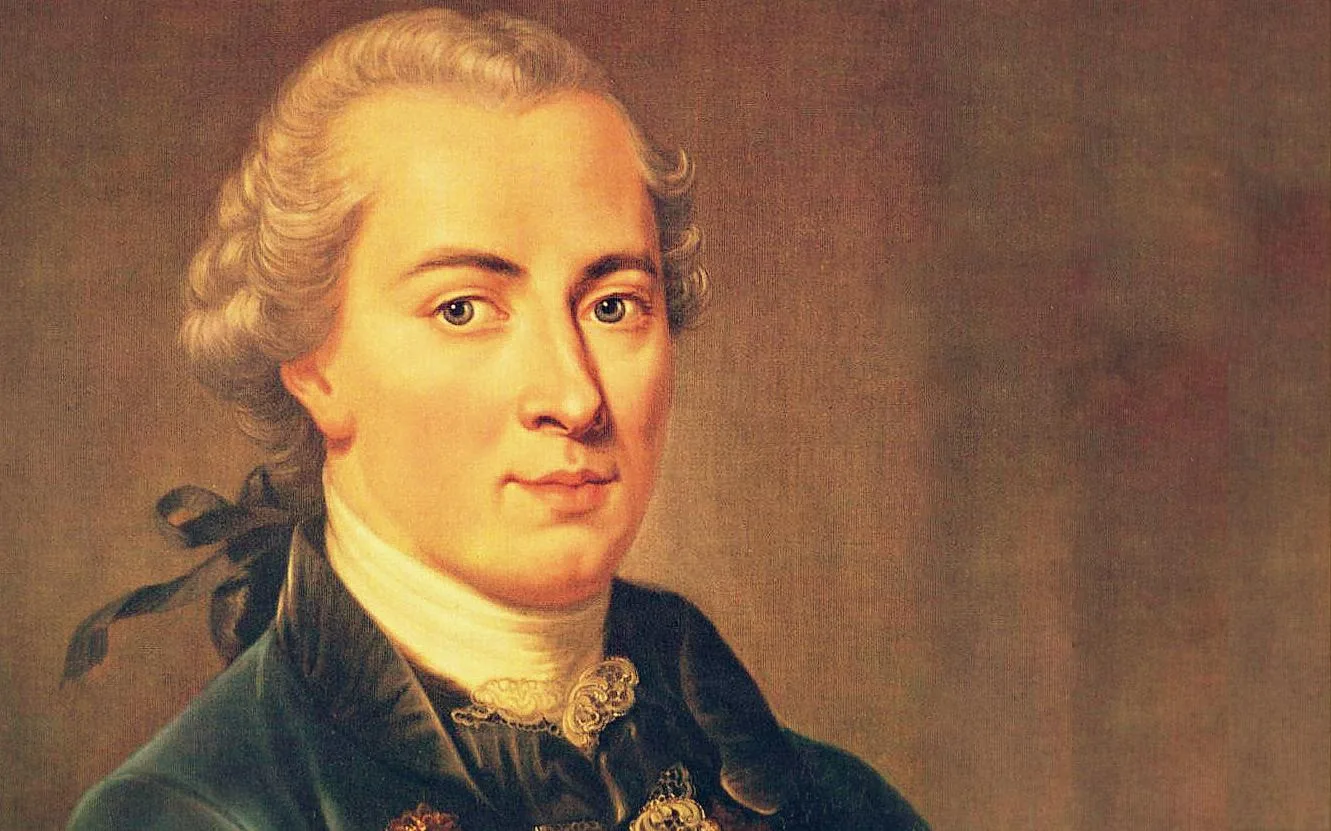
He argued that a moral action is one done out of duty, not because of personal benefit.
For Kant:
- A good person follows moral law
- Morality should be universal
- Rules must apply equally to everyone
Kant’s Categorical Imperative
Kant introduced the idea of Categorical Imperative.
It means:
Act only according to rules that you want everyone to follow.
In simple words, before doing something, ask yourself:
“Would it be okay if everyone did this?”
Examples:
- If you think lying is acceptable for you, then it should be acceptable for everyone.
- But if everyone lies, trust disappears from society.
Therefore, lying cannot become a universal rule, so it is morally wrong.
Kant believed that morality should be absolute and universal.
Virtue Ethics
Virtue Ethics focuses less on rules or consequences and more on a person’s character.
It asks:
“What kind of person should I become?”
Instead of focusing only on actions, virtue ethics emphasizes developing good qualities.
Examples of virtues include:
- Honesty
- Courage
- Loyalty
- Compassion
- Kindness
- Patience
- Mercy
- Friendship
The opposite of virtues are called vices, such as greed, dishonesty, cruelty, and selfishness.
Understanding Virtue Ethics
Consider charity.
- A teleologist says charity is good because it increases happiness.
- A deontologist says charity is good because helping others is a duty.
- A virtue ethicist says charity is good because it shows kindness and generosity.
This theory believes morality comes from becoming a good human being.
Saving a life only because of duty may appear cold. But saving a life out of compassion shows deeper moral character.
That is why virtue ethics values inner character.
Limitations of Virtue Ethics
Even though virtue ethics is important, it has some weaknesses.
1. Lack of Clear Rules
Virtue ethics does not always provide clear principles for difficult situations.
Example:
If someone steals money, virtue ethics may not clearly explain the exact moral response.
2. Difficult Moral Judgment
A person may be honest and kind but still make wrong decisions due to lack of knowledge.
3. Conflict Between Virtues
Sometimes virtues clash.
Example:
Suppose your friend commits a crime and you are a witness in court.
You face two virtues:
- Honesty → Tell the truth
- Loyalty → Protect your friend
Both are virtues, but you cannot fully follow both at once.
This creates moral conflict.
Aristotle’s Virtue Ethics
Aristotle is considered one of the founders of virtue ethics.
Aristotle believed humans are rational animals. Our ability to think and reason makes us unique.
He said the purpose of human life is to achieve virtue and happiness.
According to Aristotle, virtues are of two types:
1. Intellectual Virtues
These are learned through teaching and education.
Example:
- Wisdom
- Prudence
2. Moral Virtues
These develop through repeated good actions.
Good habits slowly build strong character.
Golden Mean
Aristotle introduced the concept of the Golden Mean.
Virtue lies between two extremes.
Example:
Courage lies between:
- Cowardice (too little courage)
- Foolhardiness (too much reckless courage)
A virtuous person avoids both extremes and stays balanced.
Aristotle’s four important virtues are:
- Wisdom
- Prudence
- Temperance
- Courage
Difference Between Teleological and Deontological Ethics

| Deontological Ethics | Teleological Ethics |
|---|---|
| Focuses on duty and rules | Focuses on outcomes |
| Intentions matter | Consequences matter |
| Some actions are always right or wrong | No action is inherently right or wrong |
| Right comes before good | Good comes before right |
| Moral law guides behavior | Happiness and benefit guide behavior |
In short:
- Deontology asks: Is this action right?
- Teleology asks: What result will this action produce?
Application of Ethical Theories in Public Administration
Ethical theories are very useful in public administration.
Government officials make decisions that affect millions of people. Ethical thinking helps them act responsibly.
Teleological Approach in Administration
This approach evaluates whether government decisions produce good outcomes.
Example:
A policy is ethical if it benefits the maximum number of citizens.
Corruption is wrong because it harms society.
Deontological Approach in Administration
This approach focuses on duty, honesty, and law.
Public officials must:
- Follow rules
- Protect justice
- Respect citizens’ rights
Corruption violates moral duty and weakens public trust.
Virtue Ethics in Administration
Virtue ethics focuses on character.
Good administrators should have virtues like:
- Integrity
- Honesty
- Compassion
- Fairness
- Responsibility
When leaders develop good character, corruption and misuse of power decrease.
Good governance becomes possible when officials act with conscience and moral responsibility.
Normative ethical theories remain highly important in modern society because they help individuals, leaders, and institutions choose the right path in difficult situations.
FAQs
Q1. What are normative ethical theories?
Normative ethical theories are moral theories that help determine right and wrong behavior using ethical principles.
Q2. What are the three main types of normative ethics?
The three main types are Teleological Ethics, Deontological Ethics, and Virtue Ethics.
Q3. What is teleological ethics?
Teleological ethics judges an action based on its consequences or results.
Q4. What is deontological ethics?
Deontological ethics focuses on duties, rules, and moral obligations instead of outcomes.
Q5. Who developed deontological ethics?
Immanuel Kant is the most influential thinker behind deontological ethics.
Q6. What is virtue ethics?
Virtue ethics focuses on developing good character traits like honesty, courage, and kindness.
Q7. Why are ethical theories important in public administration?
They help government officials make fair, honest, and responsible decisions.