


Empathy: Meaning, Types, Importance and Benefits

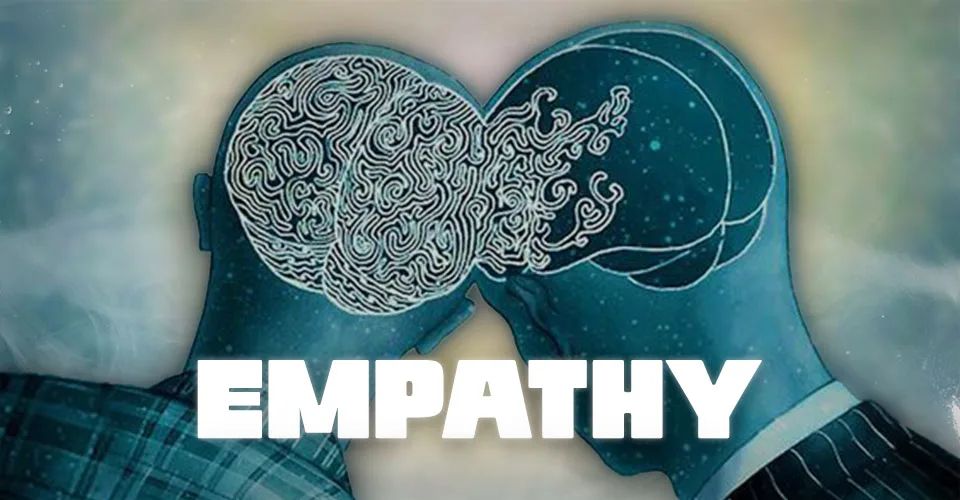
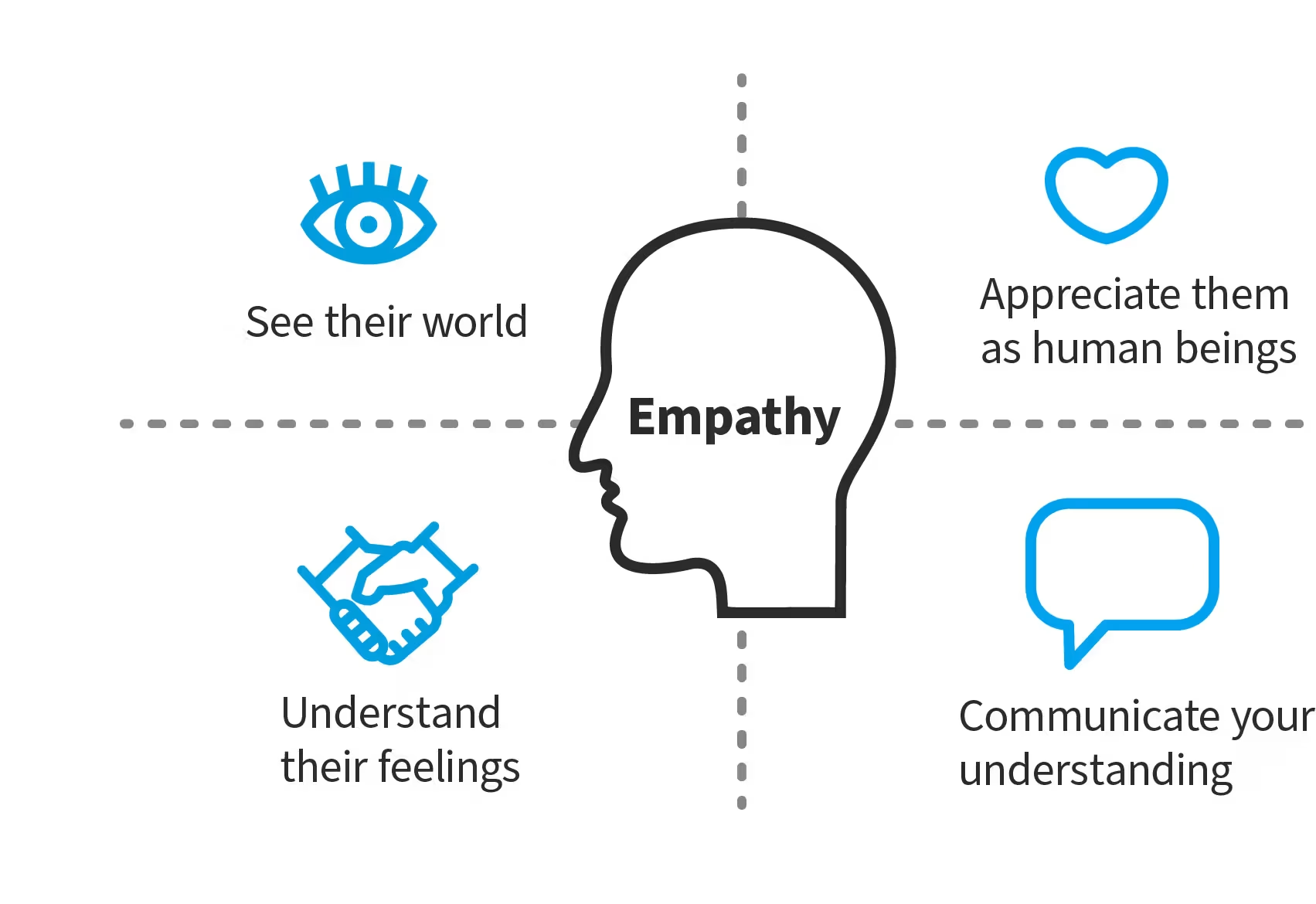
Empathy is one of the most important human qualities. It means understanding another person’s feelings and emotions by putting yourself in their place. In simple words, empathy is the ability to feel what someone else is going through. It helps people connect with each other and build strong relationships.
Thank you for reading this post, don't forget to subscribe!For example, if your friend is sad because of failure, empathy means you can understand their pain and support them. It is like walking in someone else’s shoes and seeing life from their point of view.
Empathy is important in daily life because it creates kindness, peace, and understanding in society.
What is Empathy?
Empathy is not just feeling sorry for someone. It is about deeply understanding another person’s emotions. It allows us to imagine their problems and feelings.
When we show empathy, we stop thinking only about ourselves and start thinking about others. This makes us better human beings.
A famous thinker, David Hume, explained empathy in a simple way:
- A person sees someone suffering.
- That person feels the pain in their mind.
- This creates a connection.
- That feeling pushes them to help.
This shows that empathy often leads to action.
Types of Empathy
Empathy can be divided into three main types:
1. Affective Empathy
Affective empathy means feeling another person’s emotions.
For example, if you see someone crying and you also feel sad, that is affective empathy. It helps us emotionally connect with others.
2. Cognitive Empathy
Cognitive empathy means understanding what another person is thinking.
It does not always mean feeling their emotions, but it helps us understand their situation. For example, a teacher understanding why a student is nervous before an exam.
3. Somatic Empathy
Somatic empathy means physically reacting to someone else’s feelings.
For example, seeing someone injured and feeling pain or discomfort in your own body.
These three types help us understand people in different ways.
Main Components of Empathy
Empathy has different parts that make it powerful.
Empathy as a Moral Value
Many philosophers believe empathy is a moral virtue. It teaches us to care for others and act kindly.
Without empathy, society would become cold and selfish.
Rational Thinking in Empathy
Empathy is not only emotional; it also includes logic.
When we understand fairness, justice, and equality, we use rational empathy. It helps us make balanced decisions.
Natural Human Quality
Empathy is a natural part of human life. It has helped humans survive and live together for thousands of years.
From ancient times, helping each other increased the chance of survival.
Difference Between Sympathy, Empathy, and Compassion
People often confuse these three words, but they are different.
| Sympathy | Empathy | Compassion |
|---|---|---|
| Feeling sorry for someone | Understanding and sharing feelings | Understanding and helping |
| Emotional reaction | Emotional connection | Action-based support |
| Limited involvement | Deep involvement | Deep involvement with action |
Sympathy
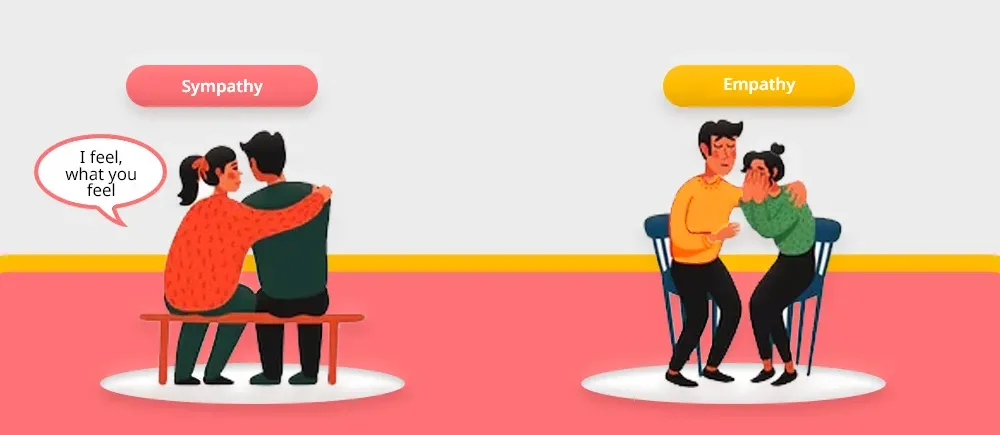
Sympathy means feeling concern for someone.
For example, saying “I feel sorry for your loss.”
Empathy
Empathy means truly understanding that person’s pain.
For example, imagining how painful that loss must be.
Compassion
Compassion is the highest level because it includes action.
For example, helping that person in difficult times.
Importance of Empathy in Society
Empathy is very important for creating peace and unity.
Builds Strong Relationships
Empathy helps in friendships, family, and workplaces.
When people feel understood, they trust each other more.
Reduces Conflict
Many fights happen because people fail to understand each other.
Empathy helps solve problems by improving communication.
Creates Kindness
Empathy makes people kinder and more caring.
It teaches us to think before hurting others.
Helps Leaders and Officers
Empathy is very important for leaders, teachers, doctors, and civil servants.
For example, a government officer with empathy can better understand public problems.
Benefits of Being Empathetic
1. Better Social Connections
Empathy helps us build strong relationships.
People like to be around those who understand them.
2. Emotional Control
When we understand emotions, we can control our own feelings better.
This is useful during stress.
3. Encourages Helping Nature
Empathy increases helping behavior.
If we understand someone’s pain, we naturally want to help.
4. Improves Teamwork
In schools and workplaces, empathy improves cooperation.
People work better when they understand each other.
Barriers to Empathy
Sometimes people fail to show empathy because of certain reasons.
Cognitive Bias
People often judge others quickly without knowing the full story.
This makes empathy difficult.
Dehumanization
Sometimes people think others are different and do not feel pain like them.
This reduces empathy.
For example, people may ignore suffering in distant countries.
Victim Blaming
Many times, people blame the victim instead of understanding their pain.
For example, asking crime victims what they did wrong.
This attitude blocks empathy.
How to Develop Empathy
Empathy can be learned and improved.
Practice Deep Listening
Listen carefully without interrupting.
This helps us understand the other person better.
Observe Others
Pay attention to people’s emotions, expressions, and body language.
This makes it easier to understand them.
Imagine Their Situation
Try to put yourself in their place.
Ask yourself: “How would I feel if this happened to me?”
Read Books and Stories
Books help us understand different lives and experiences.
This increases empathy.
Help Others
Helping people directly makes us more caring and understanding.
Famous Quotes on Empathy
Some great people have shared powerful thoughts on empathy:
John Steinbeck said, “You can only understand people if you feel them yourself.”
Mahatma Gandhi said, “I call him religious who understands the sufferings of others.”
Henry Ford said, “Success lies in understanding another person’s point of view.”
These quotes show how important empathy is in life.
Empathy in Civil Services
Empathy is very important in public service.
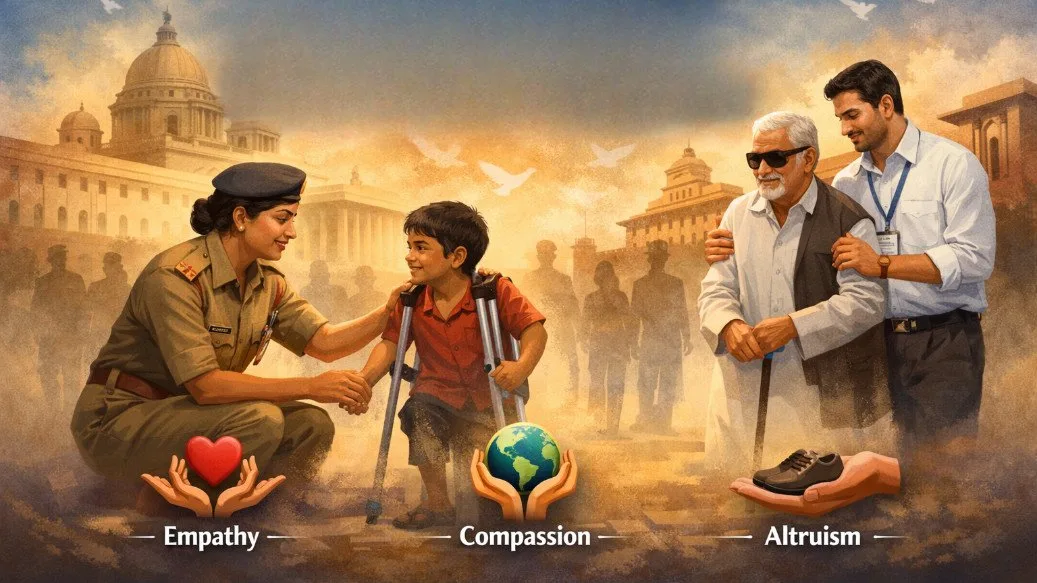
Officers deal with people from different backgrounds. They must understand their problems before making decisions.
For example:
- Helping poor families during disasters
- Listening to farmers’ problems
- Understanding women’s safety issues
- Supporting children and elderly people
A civil servant with empathy can make better decisions for society.
Final Thoughts
Empathy is the ability to understand and feel the emotions of others. It is an important quality that builds trust, kindness, and harmony in society. It helps people solve problems, improve relationships, and support each other.
In today’s world, where stress and conflict are increasing, empathy is more important than ever. It makes us better individuals and creates a better society. Developing empathy can improve both personal and social life.
FAQs on Empathy
Q1. What is empathy in simple words?
Empathy is the ability to understand and feel another person’s emotions by putting yourself in their situation.
Q2. Why is empathy important?
Empathy is important because it helps build strong relationships, reduces conflicts, and creates kindness in society.
Q3. What are the main types of empathy?
The three main types of empathy are affective empathy, cognitive empathy, and somatic empathy.
Q4. What is the difference between empathy and sympathy?
Sympathy means feeling sorry for someone, while empathy means understanding and sharing their feelings.
Q5. How can empathy be developed?
Empathy can be developed by listening carefully, observing others, reading books, and practicing kindness.
Q6. Why is empathy important in leadership?
Empathy helps leaders understand people’s needs, solve problems fairly, and make better decisions.
Q7. What are barriers to empathy?
Common barriers to empathy include cognitive bias, victim blaming, and dehumanization.
Q8. How does empathy help society?
Empathy promotes peace, cooperation, and mutual understanding, making society more caring and harmonious.