Exploring the Highest Waterfalls in India: Unique Features, Stunning Locations, and Must-Visit Destinations

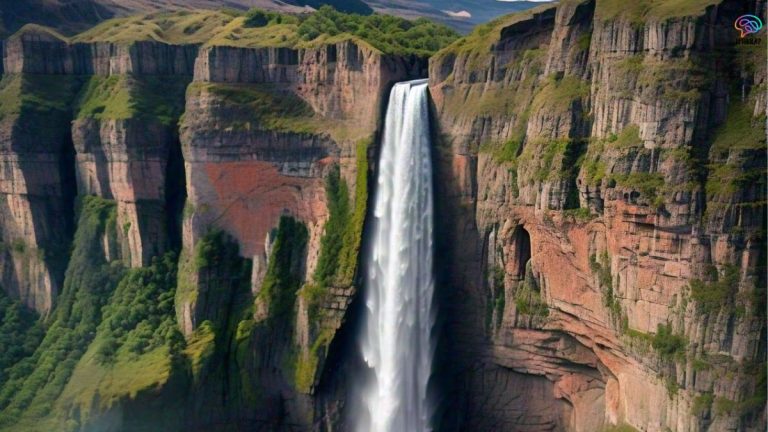
India’s diverse landscapes, from the rugged Western Ghats to the lush Northeast, are home to some of the world’s most spectacular waterfalls. These natural wonders, formed by rivers cascading over steep terrains, captivate tourists, photographers, and nature enthusiasts alike. The highest waterfalls in India not only showcase nature’s grandeur but also play a vital role in supporting biodiversity, boosting eco-tourism, and shaping local ecosystems.
Thank you for reading this post, don't forget to subscribe!Why Waterfalls Matter in India
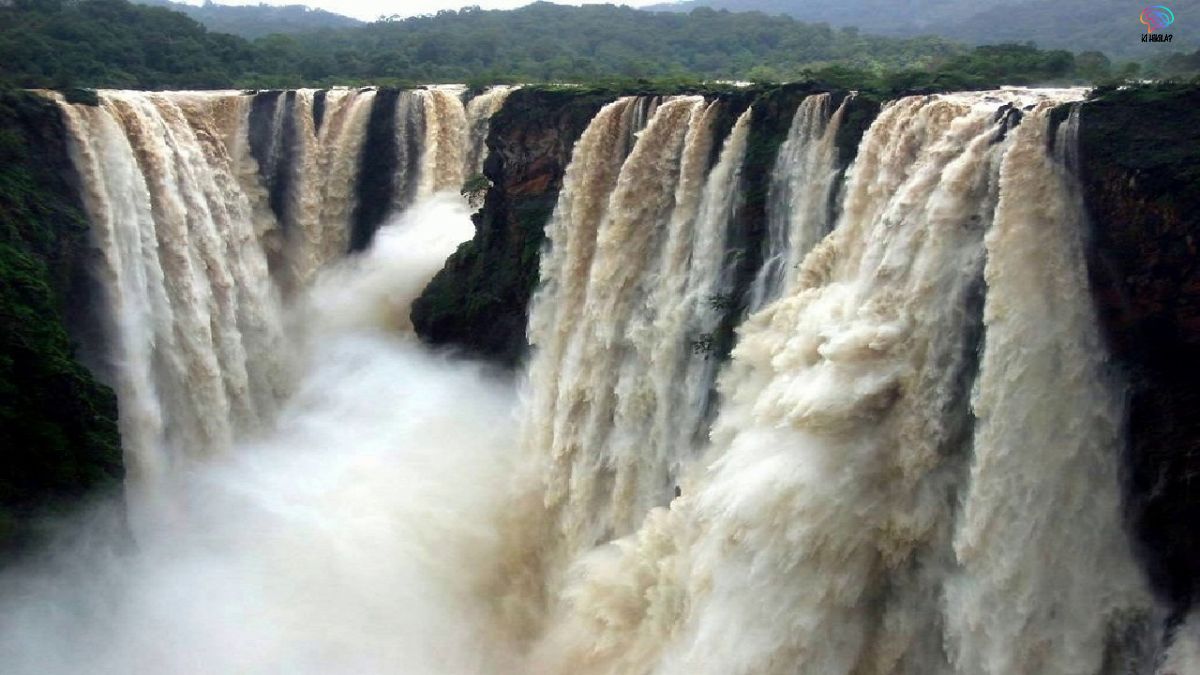
Waterfalls are more than just scenic attractions; they are ecological and cultural landmarks. During the monsoon season, typically from June to September, these waterfalls transform into powerful cascades, drawing visitors to witness their full glory. They recharge groundwater, support aquatic habitats, and serve as natural barriers that influence species distribution. For travelers, the highest waterfalls in India offer adventure, tranquility, and opportunities for photography, trekking, and exploring the surrounding biodiversity.
List of the Highest Waterfalls in India
The following table provides a detailed overview of the top 10 highest waterfalls in India, based on reliable data from sources like the World Waterfall Database. The heights are approximate, as measurements can vary due to seasonal changes and geographical challenges.
| Rank | Waterfall Name | Height (Meters/Feet) | Location | Type | Number of Drops | River |
|---|---|---|---|---|---|---|
| 1 | Kunchikal Falls | 455 m (1,493 ft) | Shivamogga, Karnataka | Tiered | 4 | Varahi |
| 2 | Barehipani Falls | 399 m (1,309 ft) | Mayurbhanj, Odisha | Tiered | 2 | Budhabalanga |
| 3 | Nohkalikai Falls | 340 m (1,115 ft) | East Khasi Hills, Meghalaya | Plunge | 1 | Local stream |
| 4 | Nohsngithiang Falls (Mawsmai Falls) | 315 m (1,033 ft) | East Khasi Hills, Meghalaya | Segmented | 1 | Local stream |
| 5 | Dudhsagar Falls | 310 m (1,017 ft) | South Goa, Goa | Tiered | 4 | Mandovi |
| 6 | Kynrem Falls | 305 m (1,001 ft) | East Khasi Hills, Meghalaya | Tiered | 3 | Local stream |
| 7 | Meenmutty Falls | 300 m (984 ft) | Wayanad, Kerala | Tiered | 3 | Local stream |
| 8 | Thalaiyar Falls | 297 m (974 ft) | Theni, Tamil Nadu | Horsetail | 1 | Manjalar |
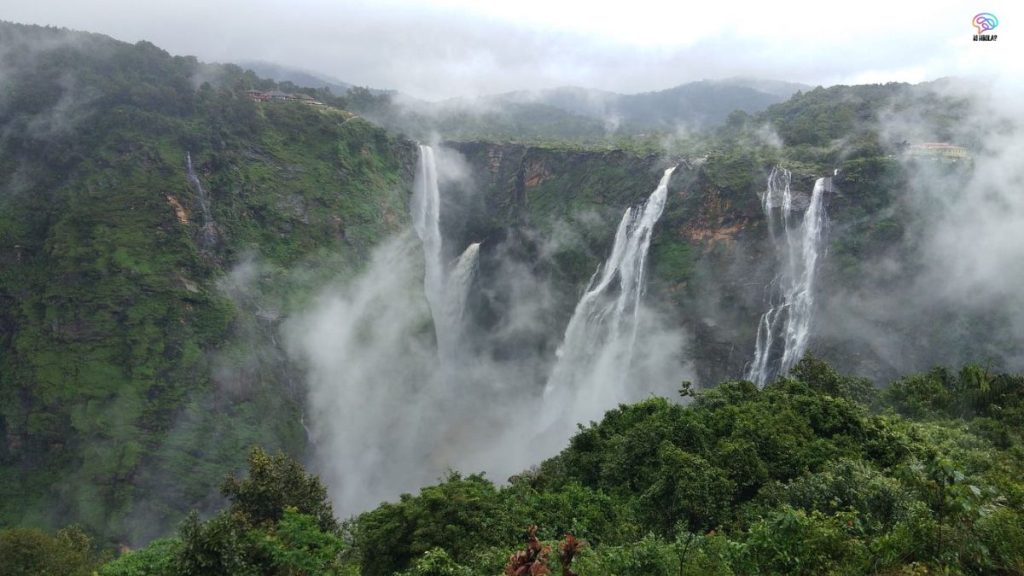
| 9 | Jog Falls | 253 m (830 ft) | Shivamogga, Karnataka | Plunge/Segmented | 1 | Sharavathi |
| 10 | Khandadhar Falls | 244 m (801 ft) | Sundergarh, Odisha | Horsetail | 1 | Local stream |
Note: There is some debate regarding the ranking of Bhambavli Vajrai Waterfall in Satara, Maharashtra, with claims of a height of 560 meters. However, this is not consistently verified by reliable sources like the World Waterfall Database, so it is excluded from this list pending further confirmation.
Detailed Insights into the Highest Waterfalls in India
Kunchikal Falls: India’s Tallest Waterfall
Located in Shivamogga district, Karnataka, Kunchikal Falls holds the title of the highest waterfall in India at 455 meters. Formed by the Varahi River, this tiered waterfall cascades in four distinct drops through the lush Western Ghats. Surrounded by dense forests, it is part of a hydroelectric project, which slightly reduces its flow during non-monsoon seasons. The best time to visit is during the monsoon (July to September) when the falls are at their peak, offering a mesmerizing view for trekkers and nature lovers.
Barehipani Falls: Odisha’s Majestic Cascade
Barehipani Falls, at 399 meters, is the second-highest waterfall in India, located in the Simlipal National Park, Mayurbhanj, Odisha. This two-tiered waterfall, formed by the Budhabalanga River, is a haven for biodiversity, with the surrounding park hosting tigers, elephants, and diverse flora. The falls are a trekker’s delight, though accessibility can be challenging due to the remote location. Monsoon season enhances its grandeur, making it a must-visit for adventure seekers.
Nohkalikai Falls: Meghalaya’s Plunge Wonder
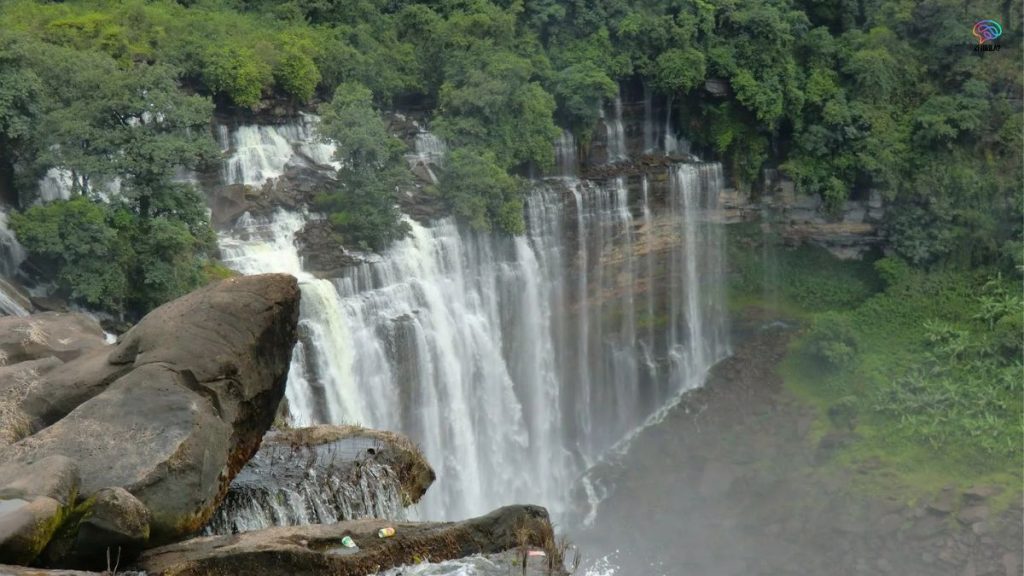
Nohkalikai Falls, plunging 340 meters in a single drop, is India’s tallest plunge waterfall. Situated near Cherrapunji in Meghalaya’s East Khasi Hills, it is fed by local streams and is famous for its turquoise pool at the base. The falls are steeped in a local legend about a woman named Ka Likai, adding cultural depth to its natural beauty. The monsoon season offers the best views, with mist and rainbows often enhancing the scene.
Nohsngithiang Falls: The Seven-Segmented Marvel
Also known as Mawsmai Falls, Nohsngithiang Falls in Meghalaya’s East Khasi Hills stands at 315 meters. This segmented waterfall, with its seven distinct streams, is a visual spectacle, especially during the rainy season. Its proximity to Cherrapunji makes it a popular stop for tourists exploring the region’s many natural attractions.
Dudhsagar Falls: The Sea of Milk
Dudhsagar Falls, located on the Goa-Karnataka border, is a 310-meter, four-tiered waterfall formed by the Mandovi River. Its name, meaning “Sea of Milk,” reflects its milky-white appearance as water gushes through lush forests. Accessible via trekking or the scenic Dudhsagar train route, it is one of India’s most iconic waterfalls, attracting thousands of tourists annually.
Ecological and Cultural Significance of India’s Highest Waterfalls
The highest waterfalls in India are not just tourist attractions; they shape local ecosystems and cultures. Plunge pools at their bases create unique aquatic habitats, supporting specialized species of fish and insects. The surrounding forests, especially in the Western Ghats and Northeast, are biodiversity hotspots. Culturally, waterfalls like Nohkalikai are tied to local folklore, while others, like Dudhsagar, have become symbols of regional identity, featured in films and literature.
Best Time to Visit the Highest Waterfalls in India
The monsoon season (June to September) is the ideal time to visit India’s highest waterfalls, as heavy rainfall enhances their flow and beauty. However, some waterfalls, like Kunchikal and Barehipani, may have restricted access due to hydroelectric projects or remote locations. Always check local guidelines and weather conditions before planning your visit. For safer and more accessible trips, September to November offers pleasant weather and manageable water flow.
Tips for Visiting India’s Highest Waterfalls
- Plan for Monsoon: Most waterfalls are at their peak during the rainy season, but be prepared for slippery trails and heavy crowds.
- Trekking Gear: Wear sturdy shoes and carry raincoats for remote waterfalls like Barehipani and Meenmutty.
- Local Guides: Hire guides for less-explored falls like Khandadhar to navigate challenging terrains.
- Photography Tips: Early mornings provide the best light for capturing the misty beauty of waterfalls like Nohkalikai.
- Respect Nature: Avoid littering and follow eco-tourism guidelines to preserve these natural wonders.
The highest waterfalls in India, from Kunchikal’s towering tiers to Nohkalikai’s dramatic plunge, are a testament to the country’s natural splendor. Whether you’re an adventure enthusiast, a photographer, or simply seeking tranquility, these waterfalls offer unforgettable experiences. Plan your visit to witness the raw power and serene beauty of India’s tallest cascades, and immerse yourself in the landscapes that make India a paradise for nature lovers.
Also Read:
Classical Dances of India: Complete List, Rich History & Key Facts in 2025
Government Scholarship Schemes in India: Boost Your Education with Key Opportunities in 2025
10 FAQ on Highest Waterfalls in India
Q1. Which is the highest waterfall in India?
A1. Kunchikal Falls in Karnataka is the highest waterfall in India, with a height of about 455 meters.
Q2. Where is Kunchikal Falls located?
A2. Kunchikal Falls is located in the Shimoga district of Karnataka, in the Western Ghats.
Q3. Which is the second highest waterfall in India?
A3. Barehipani Falls in Odisha, with a height of 399 meters, is the second highest waterfall in India.
Q4. Which is the highest plunge waterfall in India?
A4. Nohkalikai Falls in Meghalaya, at 340 meters, is the highest plunge waterfall in India.
Q5. Are the highest waterfalls in India seasonal or perennial?
A5. Most waterfalls are seasonal, fed by monsoon rains, but some like Nohkalikai remain active for longer.
Q6. Which state in India has the most famous waterfalls?
A6. Karnataka and Meghalaya are known for having many of India’s highest and most scenic waterfalls.
Q7. Can tourists visit Kunchikal Falls easily?
A7. No, Kunchikal Falls is located in a restricted hydroelectric project area, and permission is needed to visit.
Q8. Which waterfall in India is the most visited by tourists?
A8. Jog Falls in Karnataka and Nohkalikai Falls in Meghalaya are among the most visited waterfalls.
Q9. What is the best time to visit the highest waterfalls in India?
A9. The best time is during and just after the monsoon season (July to October), when water flow is at its peak.
Q10. Do the highest waterfalls in India contribute to hydroelectric power?
A10. Yes, some waterfalls like Kunchikal are part of hydroelectric projects and contribute to power generation.