


North East Insurgency in India: History, Causes and Current Situation

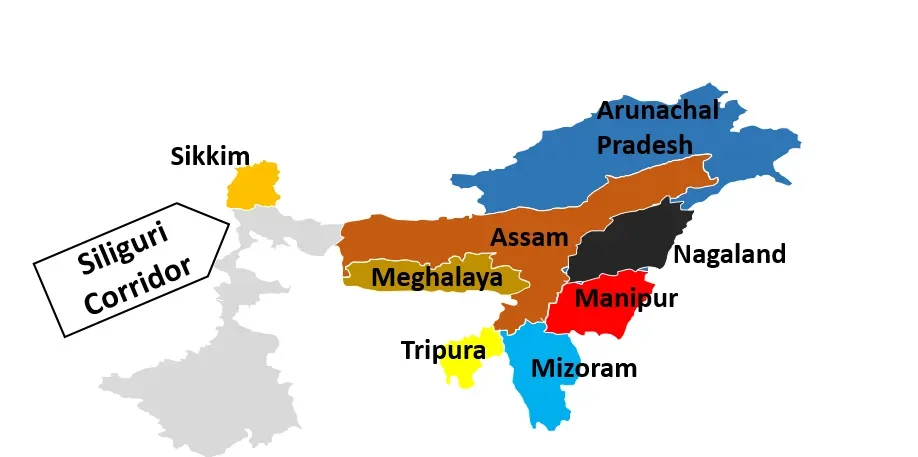
North East Insurgency is one of the most important internal security issues in India. The North Eastern region of India is known for its rich cultural diversity, beautiful landscapes, and strategic location. The region consists of eight states Arunachal Pradesh, Assam, Manipur, Meghalaya, Mizoram, Nagaland, Tripura, and Sikkim. Although the region has made remarkable progress in recent years, it has also witnessed insurgency and ethnic conflicts for several decades.
The North Eastern states are connected to the rest of India through the narrow Siliguri Corridor, often called the “Chicken Neck Corridor.” This region shares international borders with China, Myanmar, Bangladesh, Bhutan, and Nepal, making it strategically important for India.

Overview of North East India
| Particulars | Details |
|---|---|
| Number of States | 8 |
| Area | About 2.6 lakh sq. km |
| Share in India’s Land Area | Around 7.6% |
| Population | More than 39 million |
| Ethnic Groups | Over 475 |
| Languages and Dialects | More than 400 |
| International Borders | China, Myanmar, Bangladesh, Bhutan, Nepal |
The region is home to many tribes, communities, and cultures. While this diversity is a strength, it has also created challenges related to identity, autonomy, and resource sharing.
What is North East Insurgency?
North East Insurgency refers to armed movements and militant activities carried out by various groups in the North Eastern states. These groups have raised demands ranging from greater autonomy and protection of ethnic identity to complete independence from India.
Over time, several insurgent organizations emerged due to political, economic, social, and ethnic reasons. Some groups initially started with genuine concerns about development and governance but later became involved in violence, extortion, and illegal activities.
Major Causes of North East Insurgency
1. Ethnic Diversity and Identity Issues
The North East is home to hundreds of ethnic groups. Many communities have strong cultural identities and often seek protection of their traditions, language, and land rights.
Conflicts sometimes arise when different groups compete for resources, political representation, or territorial control.
2. Historical Alienation
Many people in the region have felt disconnected from the national mainstream due to geographical distance and limited interaction with the rest of the country.
The narrow Siliguri Corridor and difficult terrain contributed to feelings of isolation.
3. Unemployment and Lack of Opportunities
A shortage of industries and employment opportunities has led to frustration among many young people. Some insurgent groups have taken advantage of this situation to recruit members.
4. Illegal Migration
Migration from neighboring countries and states has created concerns regarding land ownership, employment opportunities, and demographic changes in certain areas.
5. Poor Governance and Development Gaps
Many remote areas suffered from inadequate infrastructure, poor healthcare, limited educational facilities, and weak administrative systems. These issues contributed to public dissatisfaction.
6. External Support
Several insurgent groups reportedly received assistance, training, or shelter from locations across international borders, making it difficult for security agencies to control insurgent activities.
State-wise History of Insurgency
Nagaland
Nagaland was among the first states in the region to witness organized insurgency.
The Naga National Council (NNC), led by A.Z. Phizo, demanded independence in the early 1950s. Later, the organization split, leading to the formation of the National Socialist Council of Nagaland (NSCN).
The NSCN further divided into different factions, including:
- NSCN (IM)
- NSCN (K)
Nagaland remains an important center of peace negotiations between the government and insurgent groups.
Mizoram
Mizoram experienced insurgency following dissatisfaction over the government’s response to the devastating Mautam famine.
The Mizo National Front (MNF), led by Laldenga, launched an armed movement seeking independence.
However, the successful Mizoram Peace Accord of 1986 brought lasting peace to the state. Today, Mizoram is often cited as one of India’s most successful examples of conflict resolution.
Tripura
Tripura witnessed insurgency due to demographic changes caused by migration from the then East Bengal.
The indigenous tribal population became a minority in many areas, resulting in demands for tribal rights and autonomy.
Several militant organizations emerged, but effective government measures and development initiatives significantly reduced insurgent activities.
Assam
Assam has experienced multiple insurgent movements.
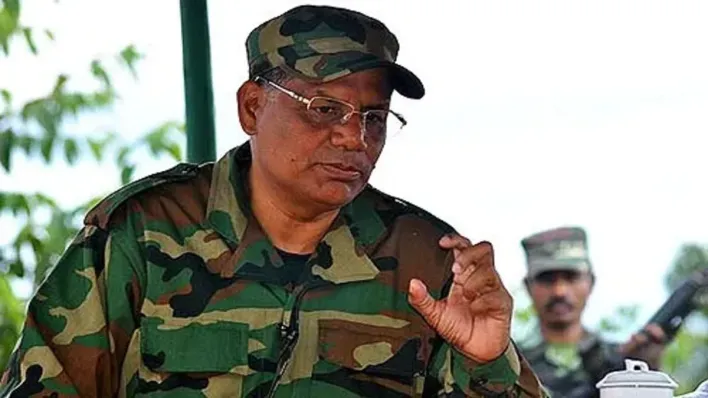
The most notable group was the United Liberation Front of Assam (ULFA), established in 1979.
Other organizations included:
- National Democratic Front of Bodoland (NDFB)
- Bodo Liberation Tigers (BLT)
- United People’s Democratic Solidarity (UPDS)
Many of these groups raised issues related to illegal migration, regional identity, and economic concerns.
Manipur
Insurgency in Manipur developed largely from dissatisfaction surrounding the state’s merger with India.
The United National Liberation Front (UNLF), established in 1964, became one of the earliest insurgent groups.
Manipur continues to face complex ethnic and political challenges despite significant improvements in security.
Meghalaya
Meghalaya was created to protect the interests of tribal communities such as:
- Khasi
- Jaintia
- Garo
Over time, groups like the Hynniewtrep National Liberation Council (HNLC) and Garo National Liberation Army (GNLA) emerged, demanding greater autonomy and protection of tribal interests.
Arunachal Pradesh
Arunachal Pradesh has remained comparatively peaceful.
However, its proximity to Myanmar and Nagaland has exposed certain border districts to insurgent influences.
The Arunachal Dragon Force (ADF), later known as the East India Liberation Front (EALF), represented one of the state’s few indigenous insurgent movements.
Armed Forces Special Powers Act (AFSPA)
To deal with insurgency and security threats, the Armed Forces Special Powers Act (AFSPA) was implemented in several North Eastern states.
AFSPA grants special powers to security forces operating in areas declared as “disturbed.”
Objectives of AFSPA
- Maintain law and order
- Support counter-insurgency operations
- Protect civilians from militant violence
- Strengthen security in conflict-prone regions
Over the years, the government has reduced AFSPA coverage in several areas due to improving security conditions.
Major Military Operations
The Indian government launched several operations against insurgent groups.
Important Operations
| Operation | State | Objective |
| Operation Bajrang | Assam | Counter ULFA activities |
| Operation Rhino | Assam | Anti-insurgency operation |
| Various Counter-Insurgency Missions | Nagaland & Manipur | Control militant groups |
| Security Operations in Mizoram | Mizoram | Control MNF insurgency |
These operations weakened many insurgent organizations and helped restore stability.
Peace Talks and Agreements
Peace negotiations have played an important role in reducing violence.
Important Peace Agreements
| Agreement | Year | State |
| Shillong Accord | 1975 | Nagaland |
| Tripura National Volunteers Agreement | 1988 | Tripura |
| Bodoland Agreement | 1993 | Assam |
| Mizoram Peace Accord | 1986 | Mizoram |
The Mizoram Peace Accord remains one of the most successful peace agreements in India.
Several ceasefire agreements continue between the government and insurgent groups in Nagaland, Assam, and other states.
Role of Neighboring Countries
The international borders of the North East have significantly influenced insurgency.
In the past, some militant groups reportedly used border regions of neighboring countries for training, shelter, and movement.
Regional Influence
- Myanmar’s border areas have been used by some insurgent groups.
- Pakistan’s intelligence agency has been accused of supporting certain militant organizations.
- China was reported to have provided assistance to some groups during earlier decades.
- Bhutan successfully removed several militant camps through military operations in 2003.
Cross-border cooperation has improved significantly in recent years, helping reduce insurgent activities.
Impact of North East Insurgency
1. Loss of Lives
Thousands of civilians, security personnel, and militants lost their lives due to decades of violence.
2. Economic Slowdown
Frequent violence discouraged investment and industrial growth.
3. Infrastructure Delays
Road, railway, and development projects often faced disruptions because of militant attacks.
4. Impact on Tourism
The North East has immense tourism potential. However, instability affected tourist arrivals for many years.
5. Educational Disruptions
Schools and colleges in some conflict-affected areas faced temporary closures and interruptions.
6. Increased Cost of Living
Extortion activities and disruptions on transportation routes increased the prices of essential goods.
Administrative and Constitutional Measures
Ministry of Development of North Eastern Region (DoNER)
The Ministry of Development of North Eastern Region was established to accelerate economic growth and infrastructure development.
Its responsibilities include:
- Planning development projects
- Monitoring implementation
- Improving connectivity
- Promoting regional development
Inner Line Permit (ILP)
The Inner Line Permit system protects the interests of indigenous communities.
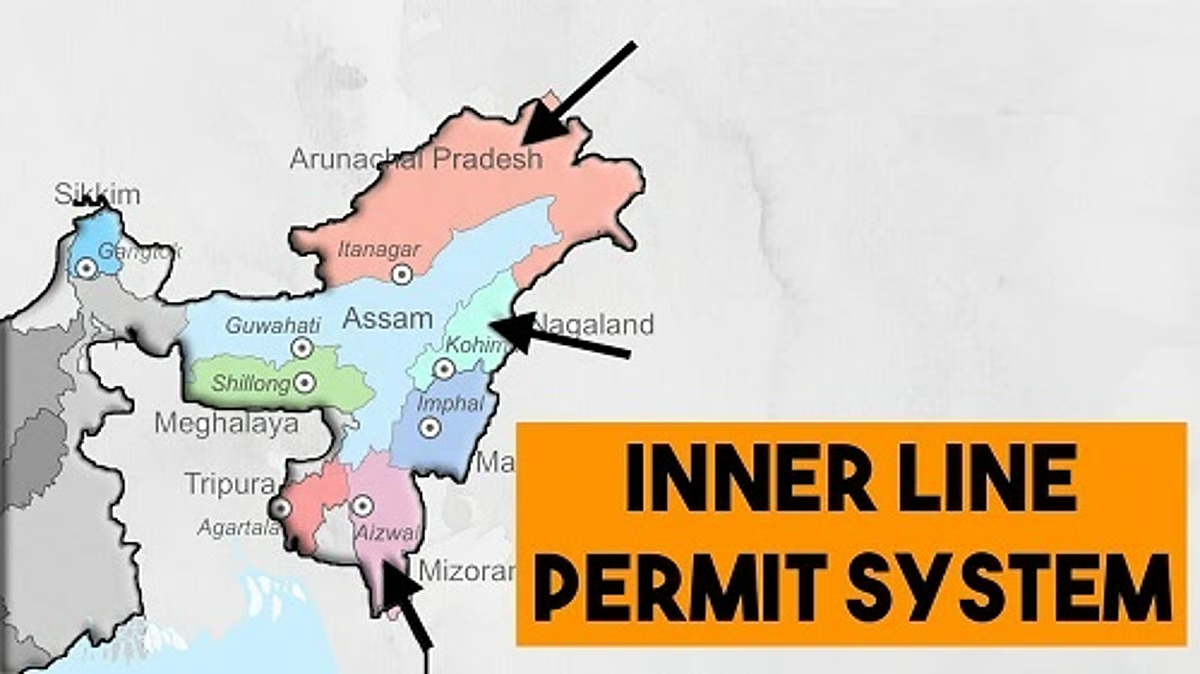
Currently, ILP applies in:
- Arunachal Pradesh
- Nagaland
- Mizoram
The permit regulates the entry of non-residents into these states.
Constitutional Safeguards
Article 244
Provides special administrative arrangements for tribal areas.
Sixth Schedule
Creates Autonomous District Councils in certain tribal regions of:
- Assam
- Meghalaya
- Tripura
- Mizoram
Article 371A
Provides special constitutional protections to Nagaland regarding customary laws, traditions, and resources.
Current Situation of North East Insurgency
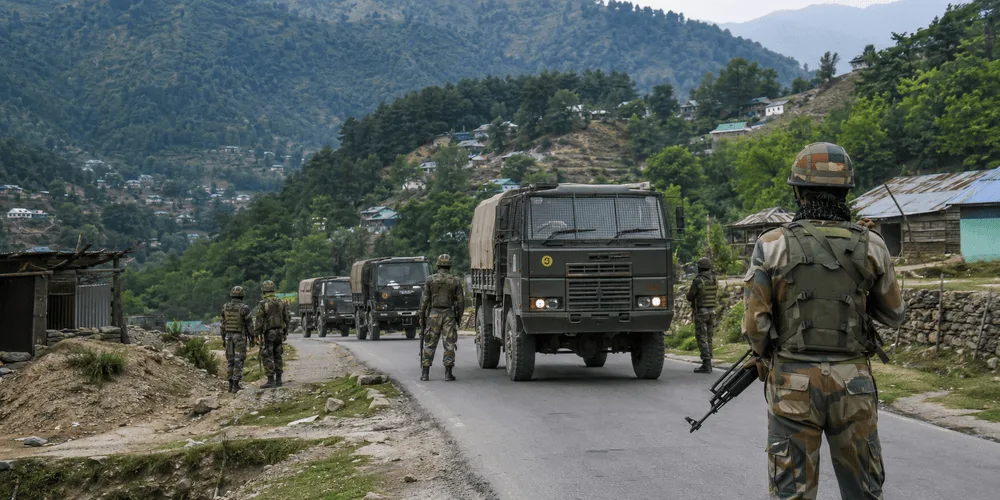
The security situation in the North East has improved considerably over the past decade.
Several insurgent groups have entered peace talks, while others have surrendered or become inactive.
Key improvements include:
- Reduction in militant violence
- Better infrastructure development
- Improved road and railway connectivity
- Expansion of educational institutions
- Growth in tourism
- Increased investment opportunities
However, challenges remain in certain regions due to ethnic tensions, illegal activities, and unresolved political demands.
Steps Needed for Lasting Peace
Improve Connectivity
Better roads, railways, airports, and digital infrastructure can strengthen economic growth.
Generate Employment
Skill development programs and industrial investment can provide opportunities for youth.
Strengthen Governance
Transparent administration and effective public services can reduce public grievances.
Faster Justice Delivery
Quick investigation and prosecution of criminal activities can strengthen the rule of law.
Promote Cultural Integration
Encouraging cultural exchange programs can strengthen national unity while preserving local identities.
Inclusive Development
Development policies should ensure that all communities benefit equally from growth and modernization.
Future of the North East
The North East is emerging as India’s gateway to Southeast Asia through the Act East Policy. Improved connectivity, growing trade opportunities, tourism development, and stronger regional cooperation have created new possibilities for economic growth.
With continued peace efforts, infrastructure expansion, and inclusive development, the region can transform into one of India’s most dynamic growth centers. Sustainable peace, respect for ethnic diversity, and economic progress remain the key foundations for a prosperous future in the North East.
FAQs on North East Insurgency
Q1. What is North East Insurgency?
North East Insurgency refers to armed movements and militant activities by various groups in the North Eastern states of India seeking autonomy, identity protection, or independence.
Q2. Which states are part of North East India?
Arunachal Pradesh, Assam, Manipur, Meghalaya, Mizoram, Nagaland, Tripura, and Sikkim.
Q3. What are the major causes of insurgency in the North East?
Ethnic conflicts, unemployment, illegal migration, poor development, historical grievances, and external support are some major causes.
Q4. What is AFSPA?
The Armed Forces Special Powers Act (AFSPA) provides special powers to security forces operating in disturbed areas to maintain law and order.
Q5. Which peace agreement is considered the most successful in the North East?
The Mizoram Peace Accord of 1986 is widely regarded as the most successful peace agreement in the region.
Q6. What is the role of the DoNER Ministry?
The Ministry of Development of North Eastern Region (DoNER) focuses on development planning, infrastructure, and socio-economic growth in the North East.
Q7. What is the Inner Line Permit (ILP)?
ILP is a permit system that regulates the entry of outsiders into certain North Eastern states to protect indigenous communities.