



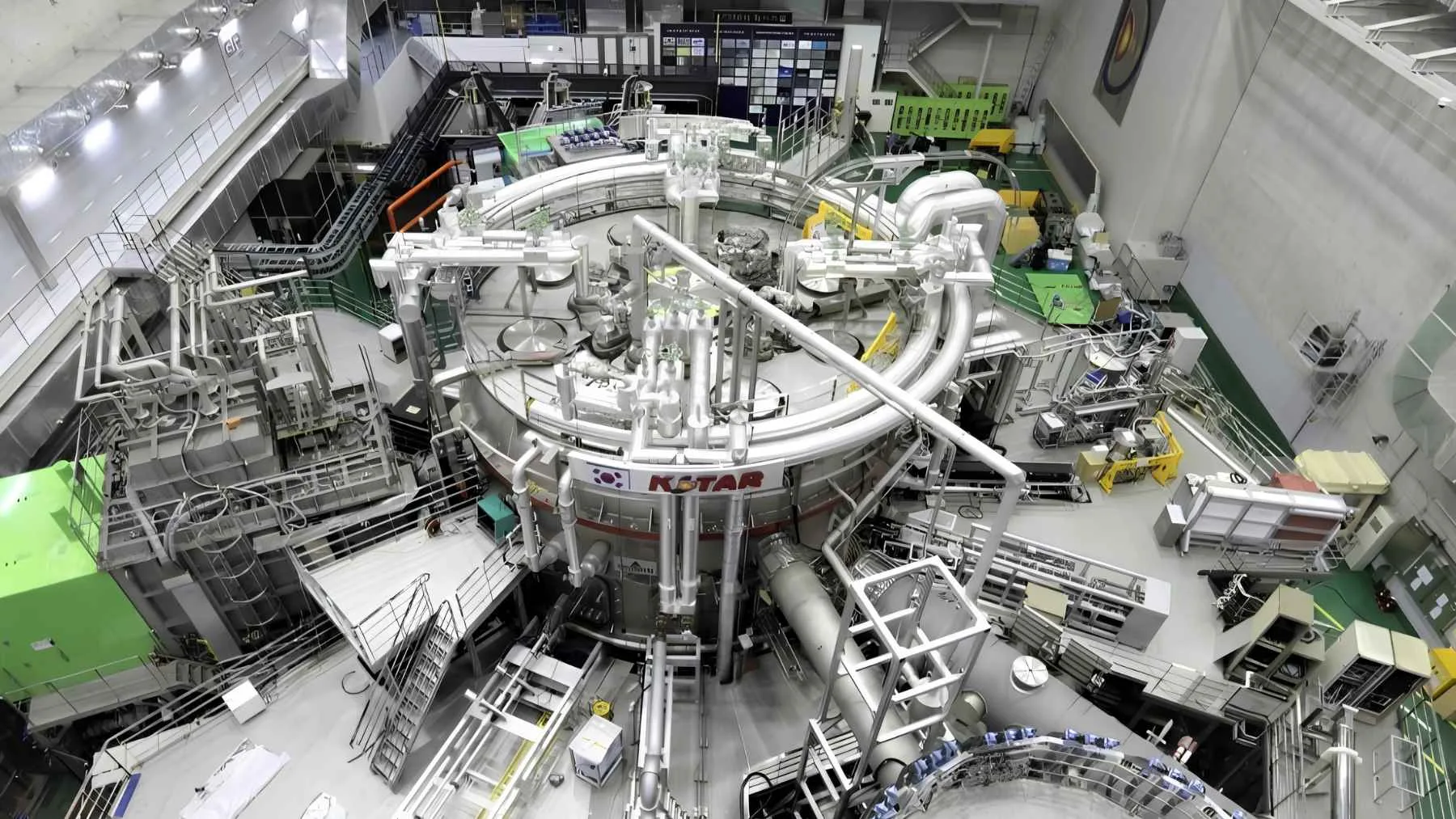
KSTAR Plasma 102 Seconds Fusion Breakthrough

KSTAR Plasma 102 Seconds milestone marks an important step in the global race for clean energy through nuclear fusion. South Korea’s KSTAR device has successfully maintained plasma in high-confinement mode for 102 seconds, showing strong progress in fusion research. This achievement comes at a time when countries are investing heavily in future energy solutions to reduce dependence on fossil fuels and address climate change.
What is KSTAR and How It Works
KSTAR stands for Korea Superconducting Tokamak Advanced Research device. It is located in Daejeon, South Korea, and is operated by the Korea Institute of Fusion Energy. KSTAR is a tokamak, which is a machine designed to create and control plasma using magnetic fields. Plasma is a superheated state of matter where electrons are separated from atoms, making it similar to the conditions found inside the Sun.

Tokamaks are one of the most promising technologies for achieving nuclear fusion. Fusion is the process where light atomic nuclei combine to form heavier ones, releasing a large amount of energy. Scientists are trying to recreate this process on Earth to produce clean and almost unlimited energy.
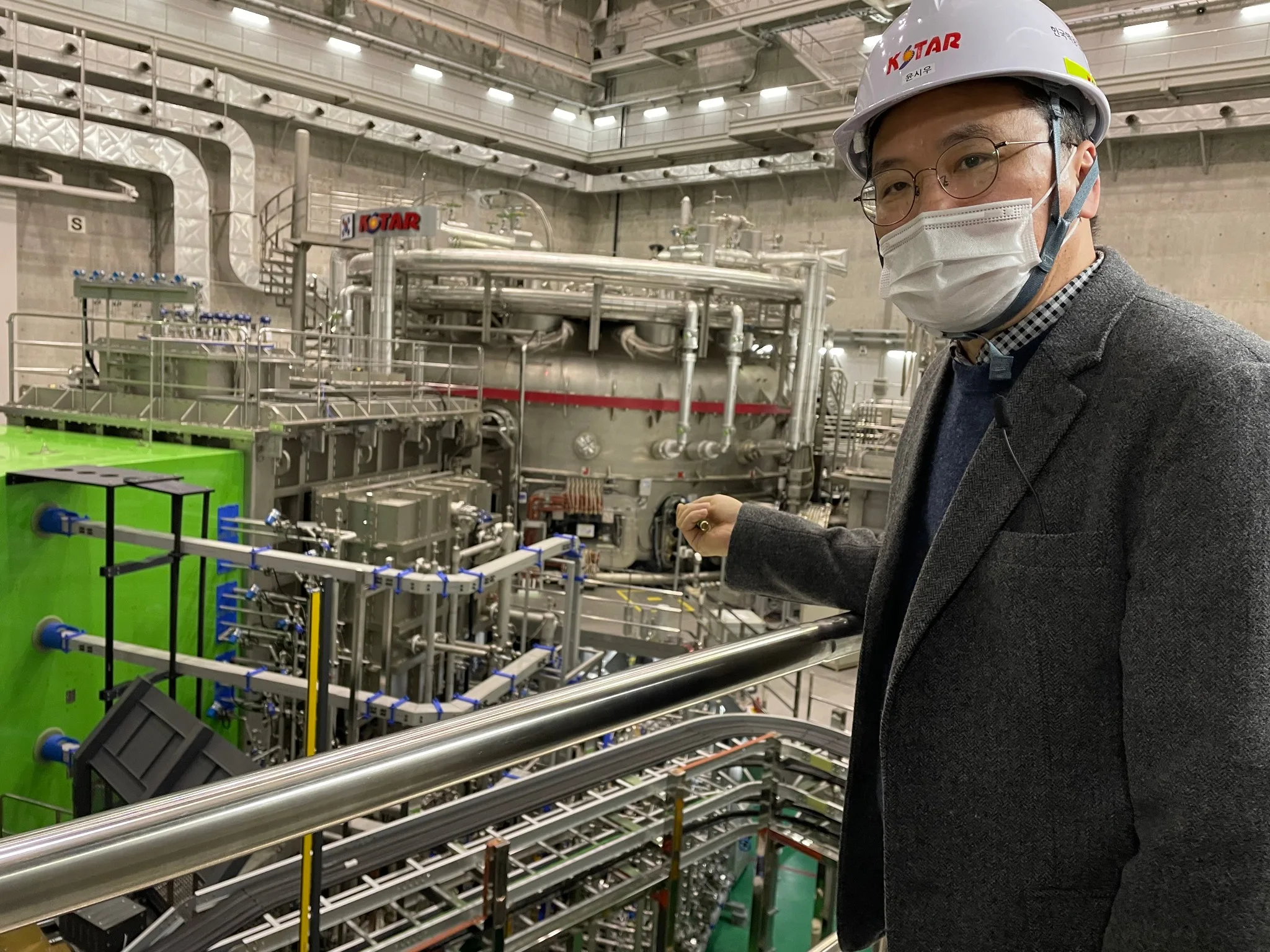
High-Confinement Mode in Fusion
One of the key features of the KSTAR experiment is the use of high-confinement mode, also known as H-mode. This mode allows plasma to stay stable and retain heat for a longer period. In fusion research, maintaining stable plasma is one of the biggest challenges. H-mode helps improve energy efficiency by reducing heat loss from the plasma.
The concept of H-mode has been known since the early 1980s, but improving its performance is still an active area of research. KSTAR’s ability to sustain plasma in this mode for over 100 seconds shows that scientists are getting closer to long-duration fusion reactions.
Extreme Temperature Achievements
During the same experimental campaign, KSTAR also achieved plasma temperatures of 100 million degrees Celsius for 48 seconds. This temperature is extremely high and is necessary for fusion reactions to occur. For comparison, the core of the Sun is about 15 million degrees Celsius, which means fusion experiments on Earth require even higher temperatures.
This new record improves upon KSTAR’s earlier performance, where it maintained similar temperatures for a shorter duration. Achieving both high temperature and long duration at the same time is a key goal in fusion research.
Upgrades and Advanced Materials
KSTAR underwent important upgrades in 2023 to improve its performance. One of the major changes was the replacement of older carbon-based divertors with tungsten components. A divertor is a part of the tokamak that handles heat and removes impurities from the plasma.
Tungsten is used because it has a very high melting point and can withstand extreme temperatures. During the experiments, the tungsten divertors showed better performance with only a small increase in surface temperature under heavy heat loads. This improvement helps maintain stable plasma conditions for longer periods.
Managing Heat and Plasma Stability
Heat management is one of the biggest challenges in fusion reactors. The plasma inside a tokamak can reach temperatures hotter than the Sun, and controlling this heat without damaging the machine is critical. The improved divertor system in KSTAR helps remove excess heat and particles, making the system more stable and efficient.
Better heat control also supports longer plasma duration, which is essential for practical fusion energy production. Scientists are continuously working on materials and designs that can handle such extreme conditions.
Global Interest in Fusion Energy
The KSTAR Plasma 102 Seconds achievement comes at a time when fusion energy is gaining global attention. Countries and organizations around the world, including projects like ITER, are working towards making fusion a reliable energy source. Fusion energy is seen as a clean alternative because it produces no greenhouse gases and has minimal long-term waste.
With growing concerns about climate change and rising energy demand, breakthroughs like this highlight the potential of fusion as a future energy solution. The progress made by KSTAR adds to the global effort to develop safe and sustainable energy technologies.
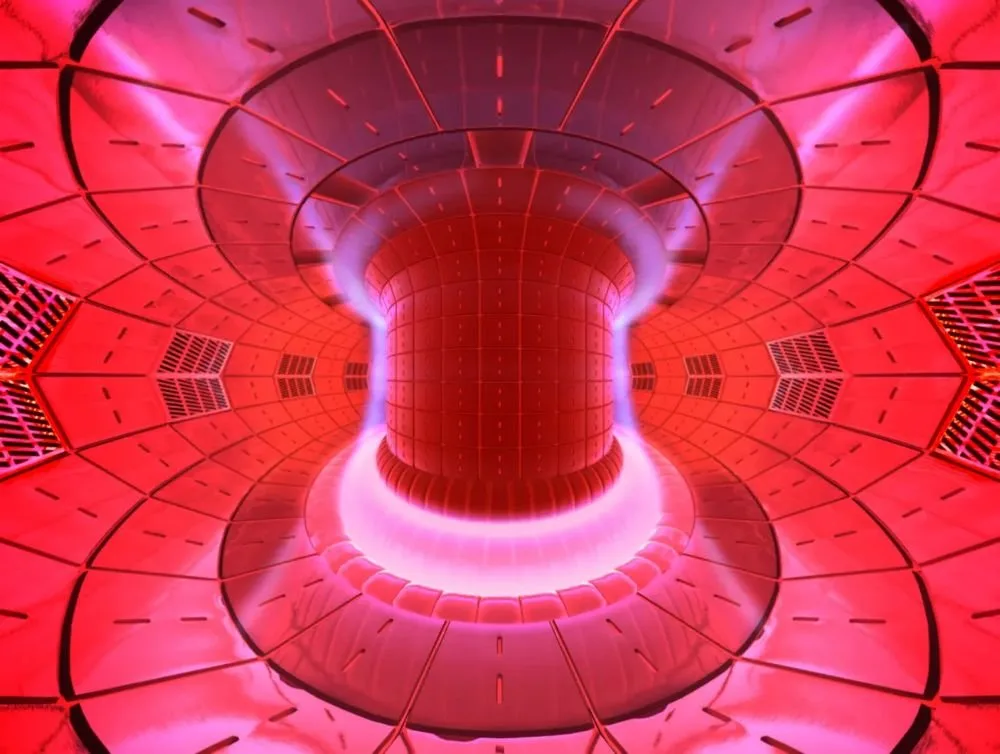
Future Goals of KSTAR
KSTAR’s long-term goal is to sustain high-performance plasma for up to 300 seconds. The current achievements of 102 seconds in H-mode and 48 seconds at extremely high temperatures are important steps toward that goal. Each improvement brings scientists closer to making fusion energy a practical reality.
As research continues, KSTAR will play a key role in testing new ideas, materials, and technologies. These advancements will not only support fusion energy but also contribute to scientific knowledge about plasma physics and advanced engineering.