




Eti Koli Duti Paat Scheme Launched to Transform Lives of Tea Garden Workers in Assam

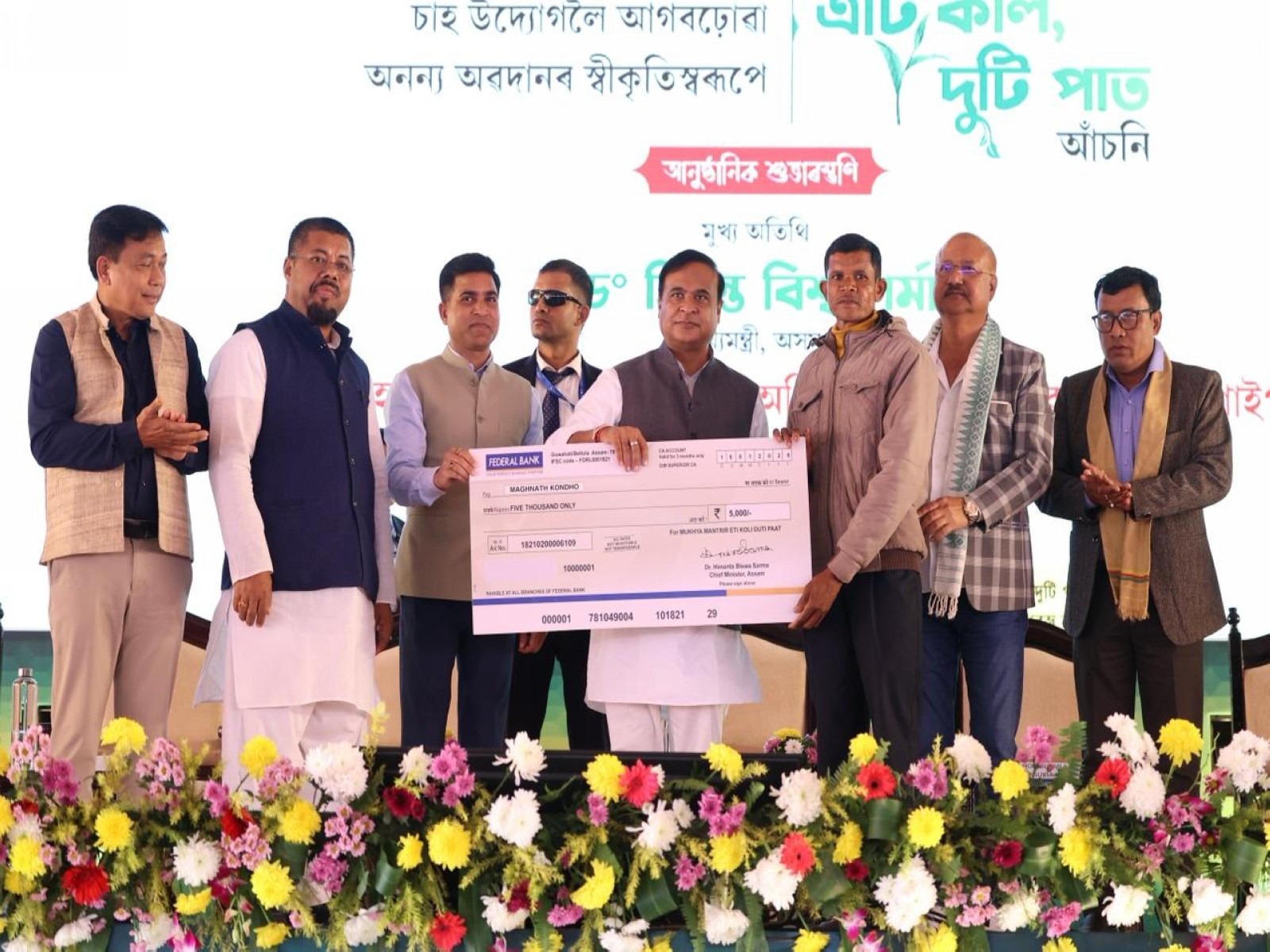
Eti Koli Duti Paat Scheme has emerged as a major welfare initiative for tea garden workers in Assam, reflecting the state government’s renewed focus on inclusive growth and social justice. On Wednesday, Assam Chief Minister Himanta Biswa Sarma officially launched the Mukhya Mantrir Eti Koli Duti Paat Scheme at Doomdooma in Tinsukia district. The scheme aims to recognise the hard work and contribution of tea tribes and indigenous communities and provide them with direct financial and social support.
Thank you for reading this post, don't forget to subscribe!The launch event witnessed wide participation from tea garden workers, community leaders, and government officials. It marked an important milestone in Assam’s long journey towards improving the living and working conditions of people associated with the tea industry.
A Major Welfare Step for Tea Garden Workers
The Eti Koli Duti Paat Scheme is designed as a one-time financial assistance programme for tea garden workers across Assam. Under this initiative, more than six lakh workers will receive Rs. 5,000 each as direct financial support. This includes both permanent and casual labourers working in tea gardens.
The state government has allocated over Rs. 300 crore for the implementation of this scheme. According to the Chief Minister, all necessary budgetary arrangements have been made to ensure that the money reaches beneficiaries without delay. The assistance will be provided to workers in 836 tea gardens spread across 27 districts and 73 legislative assembly constituencies.
This large-scale coverage makes the scheme one of the most extensive welfare programmes for tea workers in the state’s history.
Recognising the Backbone of Assam’s Tea Industry
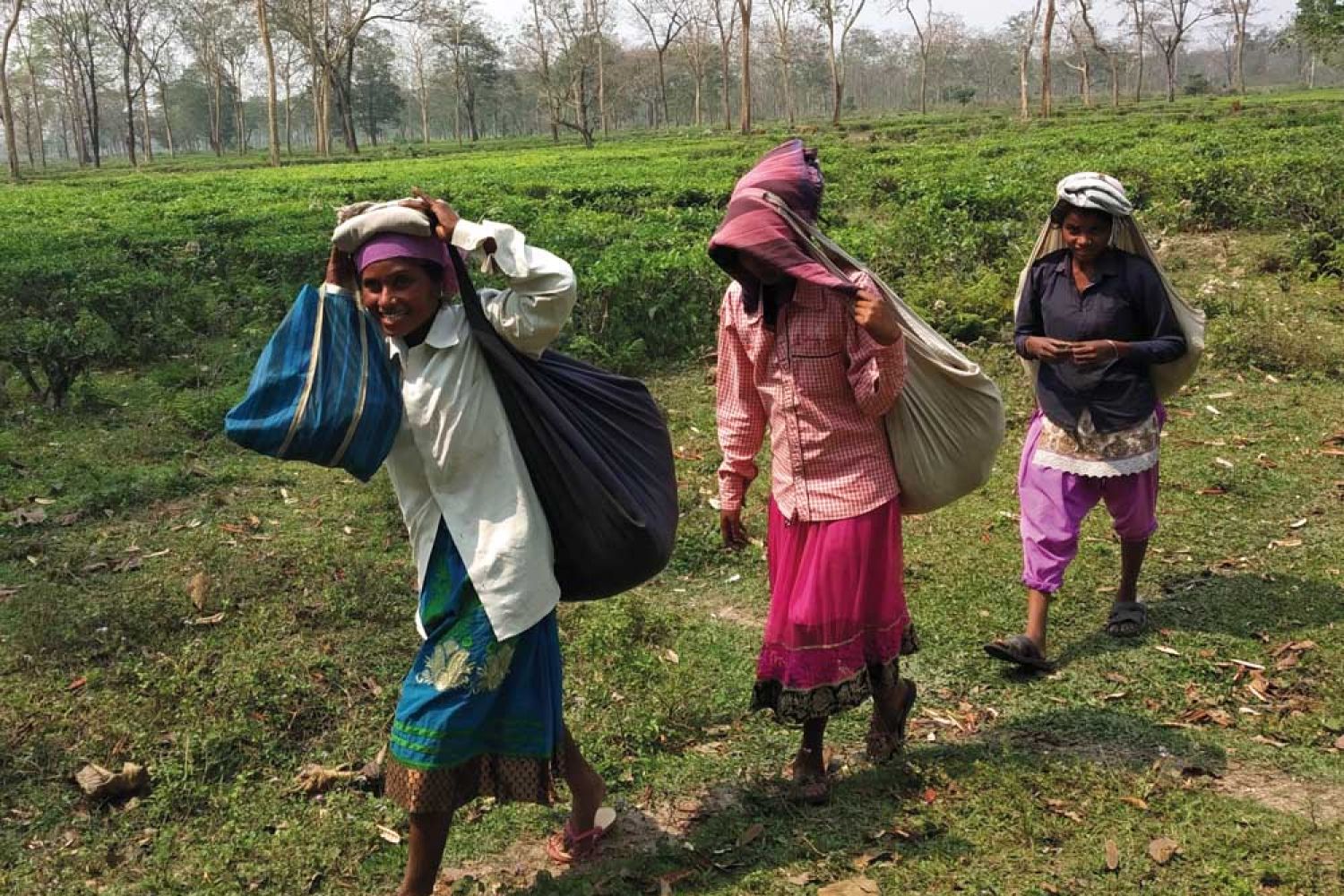
Assam is globally famous for its tea, and the industry has completed 200 years of commercial production. Tea from Assam is consumed not only across India but also in many parts of the world. However, the workers who cultivate, pluck, and process tea have often remained in the background.
While speaking at the event, Chief Minister Himanta Biswa Sarma emphasised that the pride associated with Assam tea must go hand in hand with respect and recognition for the workers. He stated that the Eti Koli Duti Paat Scheme is a small but meaningful step towards acknowledging their lifelong contribution.
He also referred to Prime Minister Narendra Modi’s long association with tea and his consistent emphasis on improving the socio-economic condition of tea garden communities.
Improving Daily Life and Workplace Conditions
Along with launching the scheme, the Chief Minister inaugurated mobile creches and mobile toilet services for tea garden areas. These facilities aim to improve childcare, hygiene, and overall dignity at the workplace.
Mobile creches will help working mothers by providing safe spaces for their children while they are at work. This is expected to reduce stress on families and encourage better early childhood care. Mobile toilets, on the other hand, will improve sanitation and health conditions, particularly for women workers.
These additional measures show that the government is not focusing only on financial assistance but also on improving everyday living and working environments.
A Promise Fulfilled
The Eti Koli Duti Paat Scheme was part of the government’s election commitments. By launching it, the Chief Minister said the state has taken a concrete step toward fulfilling its promise to the tea community.
He described the scheme as a symbol of the government’s commitment to inclusive development, ensuring that the benefits of growth reach even the most marginalised sections of society.
Land Rights for Stability and Security
One of the major announcements made during the event was regarding land rights for tea garden workers and indigenous families living in labour lines. The Chief Minister said that eligible families will be granted land titles after submitting applications starting from February.
To protect the interests of beneficiaries, certain conditions will apply. The land must remain with the family for at least 10 years, and if it is sold, it can only be sold to another tea worker. This step is expected to provide long-term security and stability to thousands of families who have lived in tea gardens for generations without owning land.
Expanding Social Welfare and Education Support
The Assam government has also expanded benefits under the Orunodoi scheme for tea garden families. This scheme provides monthly financial assistance to economically weaker households.
In addition, new model schools are being set up in tea garden areas to improve access to quality education. Reserved seats in MBBS and paramedical courses have been introduced for students from tea tribes, creating new opportunities in the health sector.
Scholarships, self-employment assistance, and skill development programmes are also being extended to help young people from tea garden communities build better futures.
Health and Maternal Care Initiatives
Healthcare remains a major focus area under the government’s welfare plans. Mobile medical units will serve tea garden areas, ensuring that basic healthcare services reach remote locations.
Pregnant women workers will receive wage compensation so that they can take necessary rest without worrying about income loss. This measure aims to improve maternal health and reduce risks associated with pregnancy.
Such steps reflect a more compassionate approach to worker welfare.
Preserving Culture and Identity
The government has also taken steps to promote the cultural heritage of tea tribes. Support for traditional art forms such as Jhumoir dance is part of this effort. Cultural promotion helps preserve identity and fosters pride within the community.
By combining economic assistance with cultural support, the government aims to create a more holistic development model.
A Path Towards Inclusive Growth
The launch of the Eti Koli Duti Paat Scheme marks a significant chapter in Assam’s development story. It recognises that the progress of the state is closely linked to the well-being of its tea garden workers.
Through direct financial support, improved facilities, land rights, education opportunities, healthcare access, and cultural promotion, the government is working towards building a more just and inclusive society.
For lakhs of tea garden workers, this initiative brings not only financial relief but also a sense of recognition, dignity, and hope for a better future.