Rice PFAS Cleanup Breakthrough: New Filter Technology Promises Faster Removal of Forever Chemicals

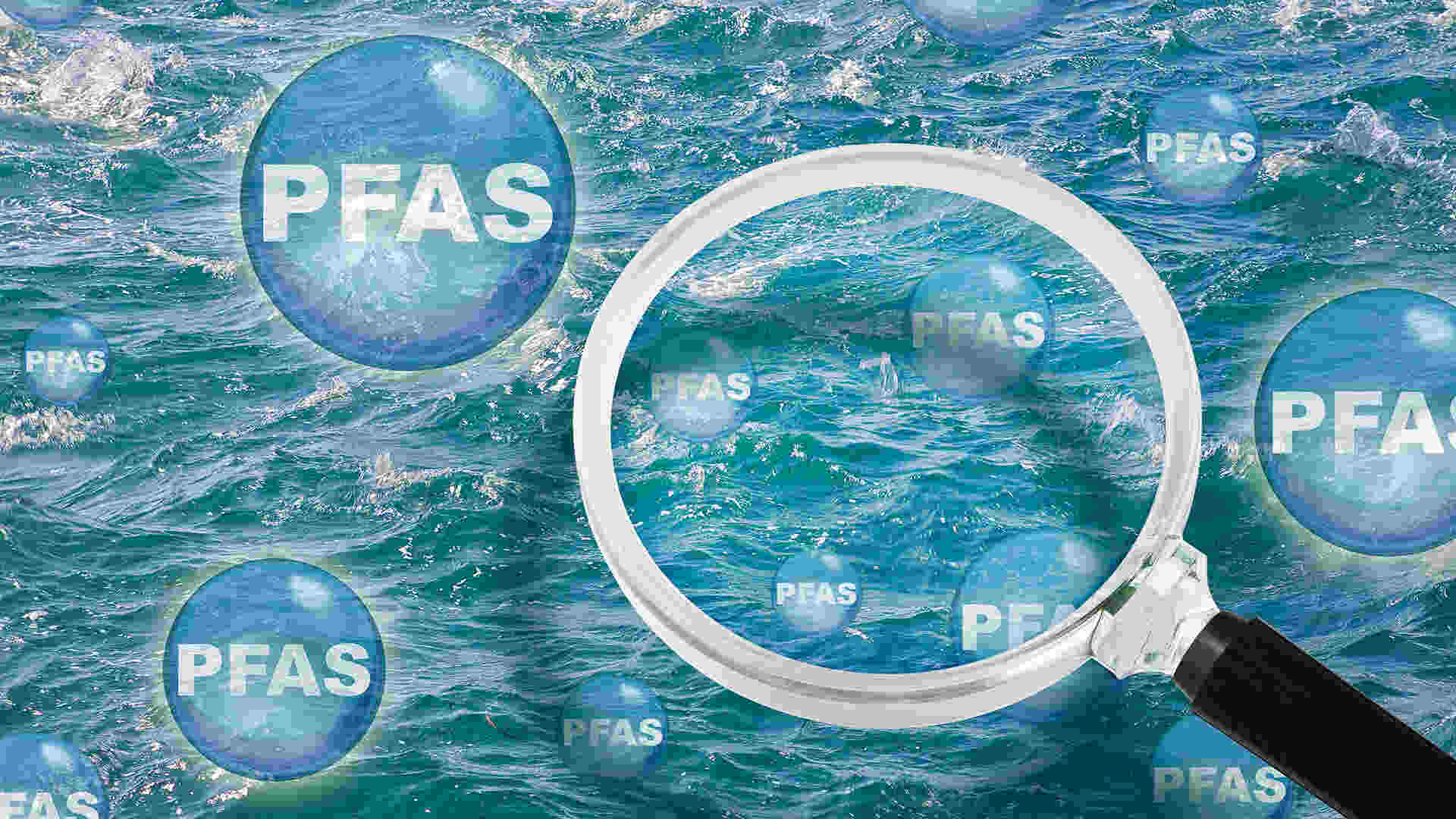
Rice PFAS Cleanup Breakthrough has emerged as a promising development in the global fight against water pollution, offering new hope for tackling one of the most stubborn classes of contaminants known today. Scientists at Rice University in the United States have created an advanced filtration material that can capture certain PFAS compounds up to 100 times faster than existing technologies. This breakthrough could play a major role in improving water treatment systems and protecting public health worldwide.
Thank you for reading this post, don't forget to subscribe!PFAS, or per- and polyfluoroalkyl substances, are often called “forever chemicals” because they do not easily break down in the environment. They have been widely used for decades in everyday products such as non-stick cookware, waterproof clothing, food packaging, firefighting foams, and industrial coatings. While these chemicals offer useful properties, their long-term presence in water, soil, and even the human body has become a serious concern.
Understanding the PFAS Pollution Problem
PFAS include a group of more than 16,000 synthetic chemicals. What makes them unique and dangerous is the extremely strong bond between carbon and fluorine atoms. This bond is one of the strongest in chemistry, which means PFAS can persist in nature for decades or even centuries.
As a result, PFAS contamination has been detected in rivers, groundwater, lakes, and drinking water supplies across many countries. Once released, these chemicals spread easily and accumulate over time. People are exposed mainly through drinking water, food, and household products.
Scientific studies have linked PFAS exposure to a range of health problems. These include certain cancers, liver and kidney damage, weakened immune response, hormonal disruption, and developmental issues in children. Because of these risks, governments and regulatory agencies are under increasing pressure to limit PFAS emissions and clean up contaminated sites.
Why Existing Treatment Methods Fall Short
Current water treatment technologies can remove PFAS from water, but they do not truly solve the problem. Common methods include granular activated carbon, reverse osmosis, and ion exchange systems. These approaches work by trapping PFAS molecules, preventing them from passing through water filters.
However, trapping PFAS is only a temporary solution. Once collected, the concentrated waste still contains harmful chemicals. Disposal options usually involve high-temperature incineration or long-term storage in hazardous waste facilities. Both options are expensive, energy-intensive, and risky.
High-temperature destruction can also create toxic byproducts or break large PFAS molecules into smaller ones that are just as persistent. This means that, in many cases, PFAS are simply moved from one place to another instead of being fully eliminated.
The Science Behind the New Filtration Material
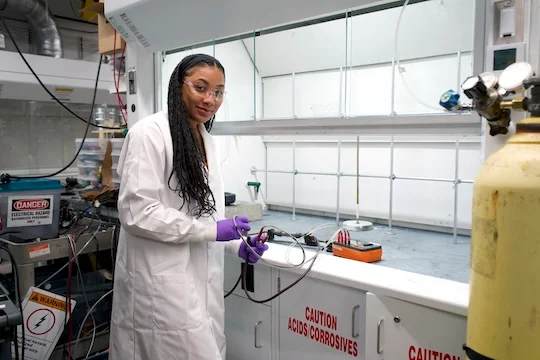
The Rice University research team developed a new material called layered double hydroxide (LDH), made from copper and aluminium. This material has a natural positive charge, which is important because many PFAS molecules carry a negative charge.
Opposite charges attract each other, allowing the LDH material to quickly pull PFAS out of water. What makes this version special is that the researchers replaced some aluminium atoms with copper. This small change dramatically increased how fast and how efficiently the material absorbs PFAS.
Laboratory tests showed that the material can capture long-chain PFAS compounds much faster than traditional absorbents. This rapid concentration ability is the key to the technology’s potential impact.
Opening the Door to Easier PFAS Destruction
One of the most exciting aspects of this breakthrough is what happens after PFAS are captured. Because the LDH material concentrates the chemicals so effectively, it becomes easier to destroy them using non-thermal or low-temperature methods.
Instead of needing extremely high heat, PFAS could be broken down at temperatures of around 400 to 500 degrees Celsius. This is significantly lower than current thermal destruction methods. At these temperatures, PFAS can be converted into stable calcium–fluoride compounds.
Calcium–fluoride is considered a safer and more manageable waste product that can be disposed of in landfills. This approach reduces the risk of toxic byproducts and lowers energy consumption.
Environmental and Public Health Benefits
If successfully scaled, this technology could transform how communities address PFAS contamination. Faster and more efficient filtration means water treatment plants could process larger volumes of polluted water in less time.
Cleaner drinking water directly translates to lower health risks for millions of people. In addition, industries responsible for PFAS pollution could be required to use such technologies to treat wastewater before it enters rivers and lakes.
The breakthrough also supports broader environmental protection goals by reducing the spread of persistent chemicals through ecosystems.
Compatibility with Existing Infrastructure
Another advantage of the LDH material is its potential compatibility with current filtration systems. Instead of building entirely new treatment facilities, operators may be able to integrate the new material into existing setups.
This could significantly reduce costs and speed up adoption. For many municipalities, upgrading filters is far more practical than constructing new plants from scratch.
Lower operational costs also make advanced PFAS treatment more accessible to smaller communities that may lack large budgets.
Challenges Ahead
While the results are promising, several challenges remain. Scaling up production of the LDH material to industrial levels will require further testing and optimization. Researchers must ensure that the material remains stable, effective, and safe during long-term use.
Real-world water sources contain many different contaminants, which could affect performance. Regulatory approval processes and occupational safety standards will also need to be addressed before widespread deployment.
Despite these hurdles, experts view the technology as a major step forward.

Rice PFAS Cleanup Breakthrough: A Step Toward a Cleaner Water Future
PFAS pollution is a global problem with no simple solution. It requires a combination of stronger regulations, better industrial practices, and advanced treatment technologies.
The Rice PFAS Cleanup Breakthrough demonstrates how innovative materials science can offer practical tools to confront environmental challenges. By enabling faster capture and easier destruction of “forever chemicals,” this research brings the world closer to safer water systems and healthier communities.
As scientists continue to refine and test this technology, it may soon become a vital part of the global effort to eliminate one of the most persistent forms of chemical pollution ever created.