Yonaguni Missile Deployment: Japan Strengthens Southwest Defense

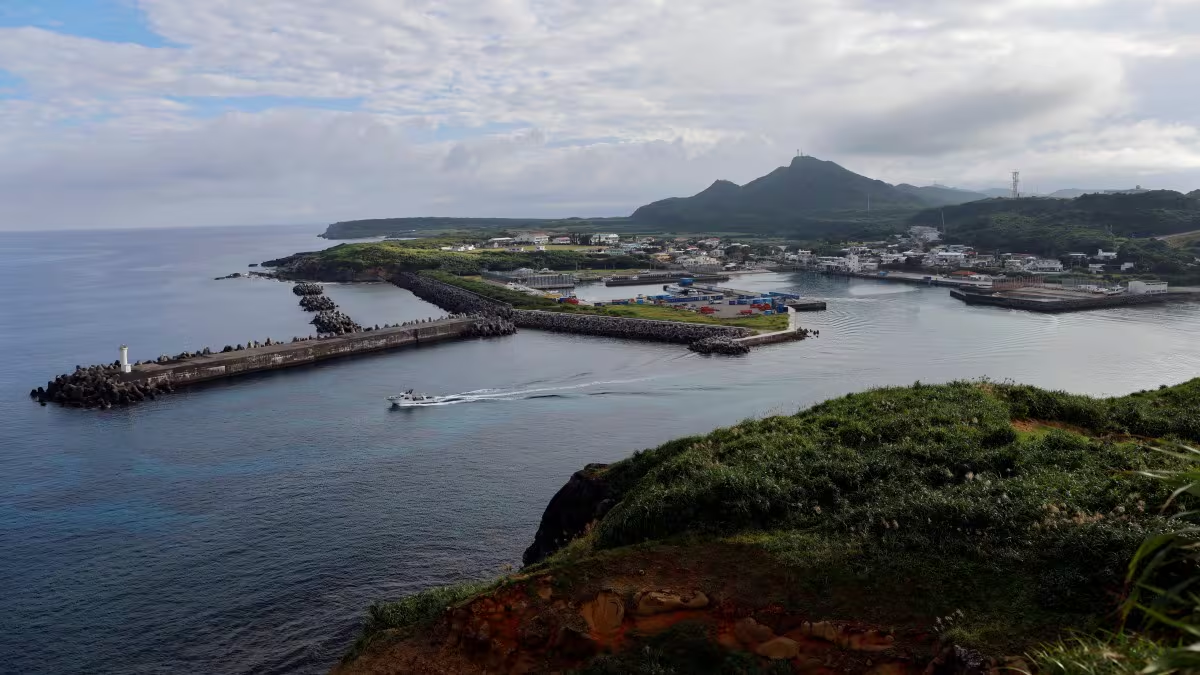
Yonaguni Missile Deployment is set to become one of the most important defence developments in East Asia over the coming decade. Japan has announced plans to place medium-range surface-to-air missiles on Yonaguni Island by March 2031. The island sits at the western edge of the country and lies very close to Taiwan, making it a highly sensitive location in regional security planning.
Thank you for reading this post, don't forget to subscribe!This move reflects growing concern about stability in the Indo-Pacific, where military activity, territorial disputes, and strategic competition have intensified in recent years. By strengthening its defensive presence on Yonaguni, Tokyo aims to monitor airspace more closely and respond quickly to potential threats.
Yonaguni Missile Plan: Strategic Location Near a Regional Flashpoint
Yonaguni belongs to Okinawa Prefecture and sits near the waters of the East China Sea. The island is only about 110 kilometres from Taiwan, and on clear days its coastline can be seen from the Japanese shore. This geographic closeness makes Yonaguni extremely important for surveillance and early warning operations.
Over the past decade, the island has shifted from a quiet, remote community into a frontline observation point. Around 160 personnel from the Japan Self-Defense Forces are already stationed there, mainly conducting coastal monitoring and radar operations.
Any crisis involving Taiwan would likely affect nearby regions, including Japan. Because of its security alliance with the United States, Japan could become involved in broader regional responses. Strengthening Yonaguni is therefore seen as both a defensive measure and a signal of preparedness.
Yonaguni Missile Plan: Advanced Missile Capabilities Planned
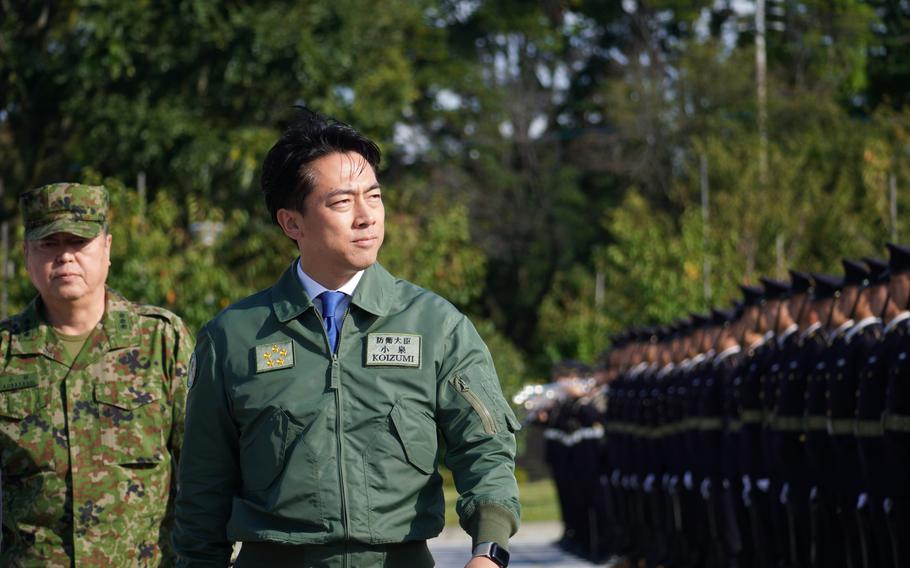
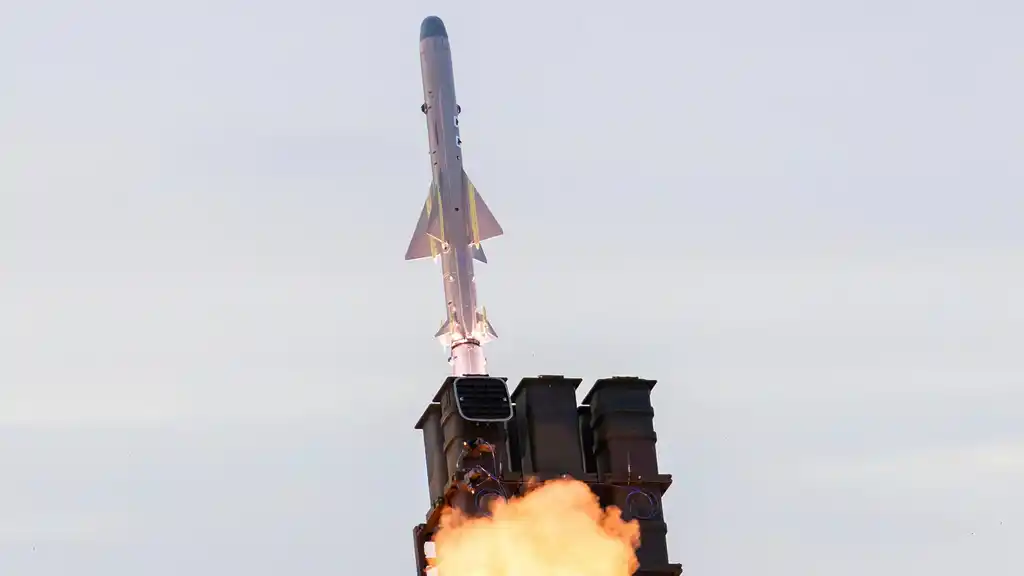
Japanese Defence Minister Shinjiro Koizumi confirmed that the planned system will include medium-range surface-to-air missiles designed to intercept hostile aircraft and incoming missiles. These systems are expected to cover a range of about 50 kilometres, creating a protective shield around the island and nearby airspace.
The technology will feature full 360-degree tracking, allowing it to monitor multiple directions at once. Officials say the system could track up to 100 targets simultaneously and engage roughly a dozen at the same time. This capability is meant to counter modern aerial threats such as drones, fighter jets, and cruise missiles.
Importantly, this announcement provides a clear timeline. While the plan was first revealed in 2022, the government had not previously specified when deployment would occur. Setting the 2031 target suggests that planning, infrastructure development, and community coordination are already underway.
Yonaguni Missile Plan: Rising Tensions with China
The Yonaguni Missile Deployment comes at a time of strained relations between Japan and China. Disputes over maritime boundaries, military activity, and historical issues continue to affect diplomatic ties. Beijing considers Taiwan a part of its territory and strongly opposes foreign military involvement near the island.
Recent statements by Japanese Prime Minister Sanae Takaichi supporting Taiwan’s security have drawn criticism from China. Military exercises and patrols in nearby waters have also increased, raising concerns about miscalculations or accidental clashes.
Despite these tensions, China and Japan remain major economic partners, with trade and business links deeply intertwined. This creates a complicated situation where cooperation and rivalry exist at the same time.
Yonaguni Missile Plan: A Broader Shift in Defense Policy
Japan’s post-World War II constitution places limits on military action, emphasizing self-defence. However, changing security conditions have prompted gradual adjustments in defence planning. Tokyo has increased defence spending, expanded joint exercises with allies, and upgraded surveillance systems across its southwestern islands.
The Yonaguni project fits into this wider strategy. By reinforcing remote islands, Japan aims to create a chain of monitoring points that can detect unusual activity early. This approach focuses on deterrence showing potential adversaries that any aggressive move would face immediate response.
Infrastructure improvements are also part of the plan. Deploying advanced missiles requires secure bases, power supply, communications systems, and trained personnel. Local authorities will likely work with national agencies to ensure that the island’s civilian life continues smoothly alongside military operations.
Yonaguni Missile Plan: Local Impact and Community Considerations
For residents of Yonaguni, the deployment brings mixed reactions. Some see it as necessary for national security and economic support, as military presence often leads to infrastructure upgrades and employment opportunities. Others worry about becoming a frontline target in a conflict.
Balancing security needs with community concerns will be crucial over the coming years. Public consultations, safety measures, and environmental assessments are expected before construction begins.
Tourism and fishing key parts of the island’s economy may also be affected. Authorities will likely try to maintain normal activities while ensuring operational readiness.
Yonaguni Missile Plan: Regional Security Implications
Across the Indo-Pacific, countries are strengthening defence ties and modernising their armed forces. Naval patrols, air defence systems, and surveillance networks are expanding in response to evolving threats. Japan’s move on Yonaguni reflects this broader trend toward preparedness rather than immediate confrontation.
Analysts say the deployment could improve monitoring of shipping lanes, air routes, and military movements near Taiwan. It also signals that Japan intends to play a more active role in maintaining stability in the region.
At the same time, such actions can trigger countermeasures from other countries, leading to a cycle of military buildup. Diplomatic engagement will remain important to prevent escalation while addressing security concerns.
Yonaguni Missile Plan: A Strategic Outpost for the Future
By 2031, Yonaguni is expected to become one of Japan’s most advanced defensive outposts. The island’s position at the crossroads of major sea routes and near a geopolitical hotspot makes it uniquely valuable.
The Yonaguni Missile Deployment highlights how geography continues to shape modern security planning. Remote islands that once had little military significance are now central to surveillance, early warning, and rapid response strategies.
As regional dynamics continue to evolve, the small island at Japan’s western edge is set to play an outsized role in the balance of power across East Asia.