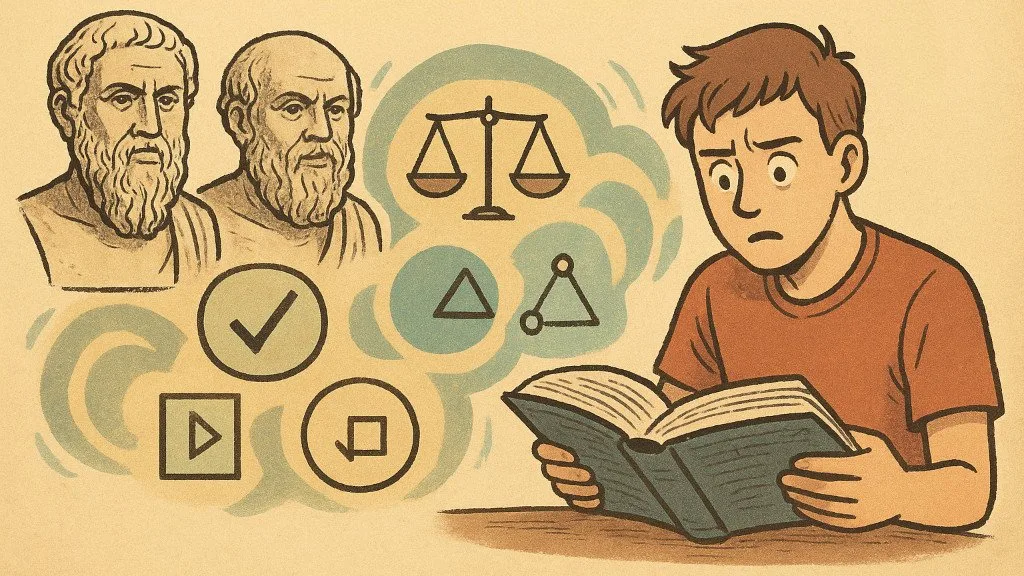
Western Moral Thinkers and Philosophers: Major Contributions and Ideas

Western Moral Thinkers and Philosophers have played a major role in shaping ethics, politics, justice, freedom, and modern governance. Their ideas still influence today’s laws, governments, education systems, and moral thinking.
Thank you for reading this post, don't forget to subscribe!These philosophers tried to answer important questions such as:
- What is a good life?
- What is justice?
- What is freedom?
- Why do we need a state?
- How should humans behave morally?
From ancient Greece to modern Europe and America, many thinkers gave powerful ideas that still remain relevant today. Some of the most important Western moral thinkers include Socrates, Plato, Aristotle, Jeremy Bentham, John Stuart Mill, Jean-Jacques Rousseau, Thomas Hobbes, John Rawls, and Immanuel Kant.
Socrates and His Moral Philosophy
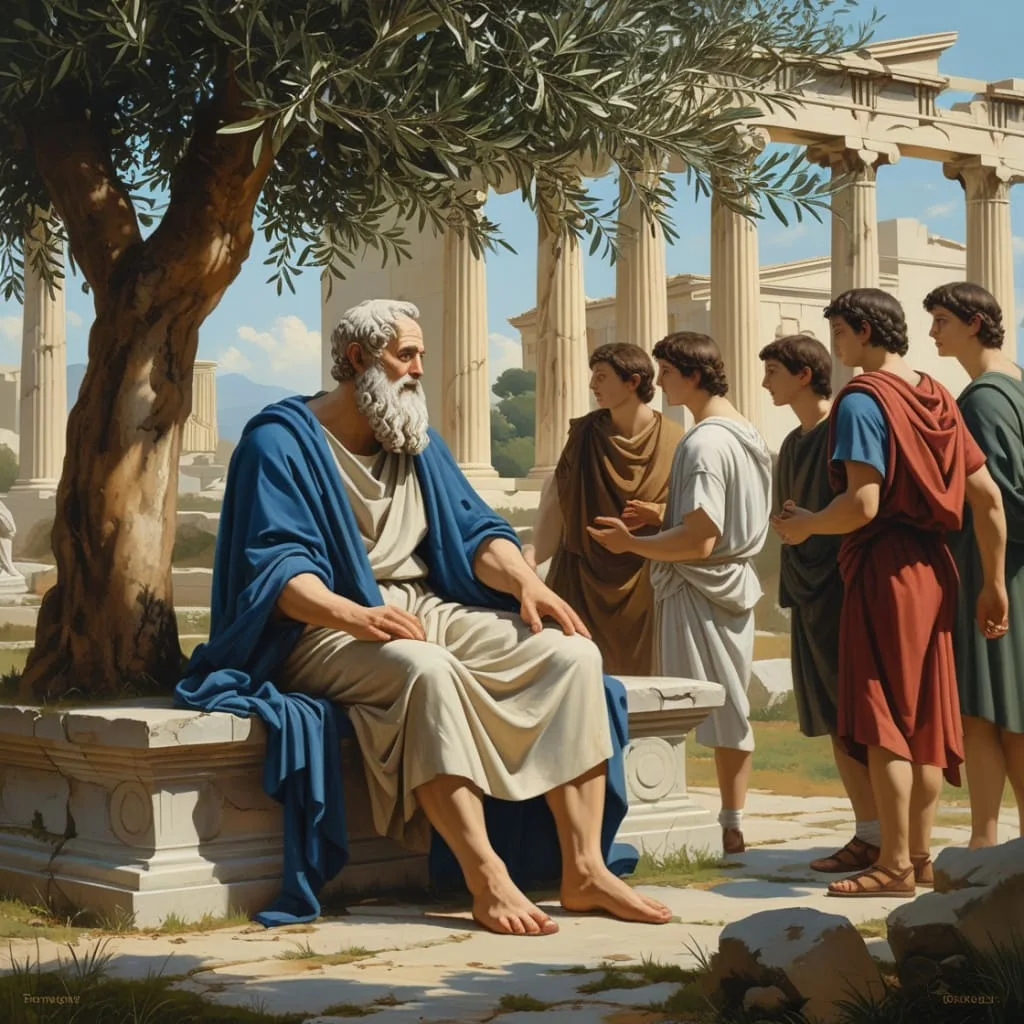
Socrates (469–399 BCE) is known as the father of Western philosophy. He focused mainly on ethics, wisdom, and self-examination.
Socrates believed life should not only be about gaining wealth or power. Instead, people should understand how to live a good and moral life.
His famous quote is:
“An unexamined life is not worth living.”
This means humans should regularly question their actions, beliefs, and choices.
Socrates’ View on Life
According to Socrates:
- The goal of life is to live a good and virtuous life
- Good life comes through wisdom and moral understanding
- True happiness comes from virtue, not material success
Socrates’ View on Knowledge
Socrates believed wisdom begins when a person accepts their ignorance.
His thinking can be summarized as:
- First accept “I do not know”
- Then start learning truth
- Self-awareness leads to wisdom
He also believed knowledge already exists within humans and can be brought out through questioning.
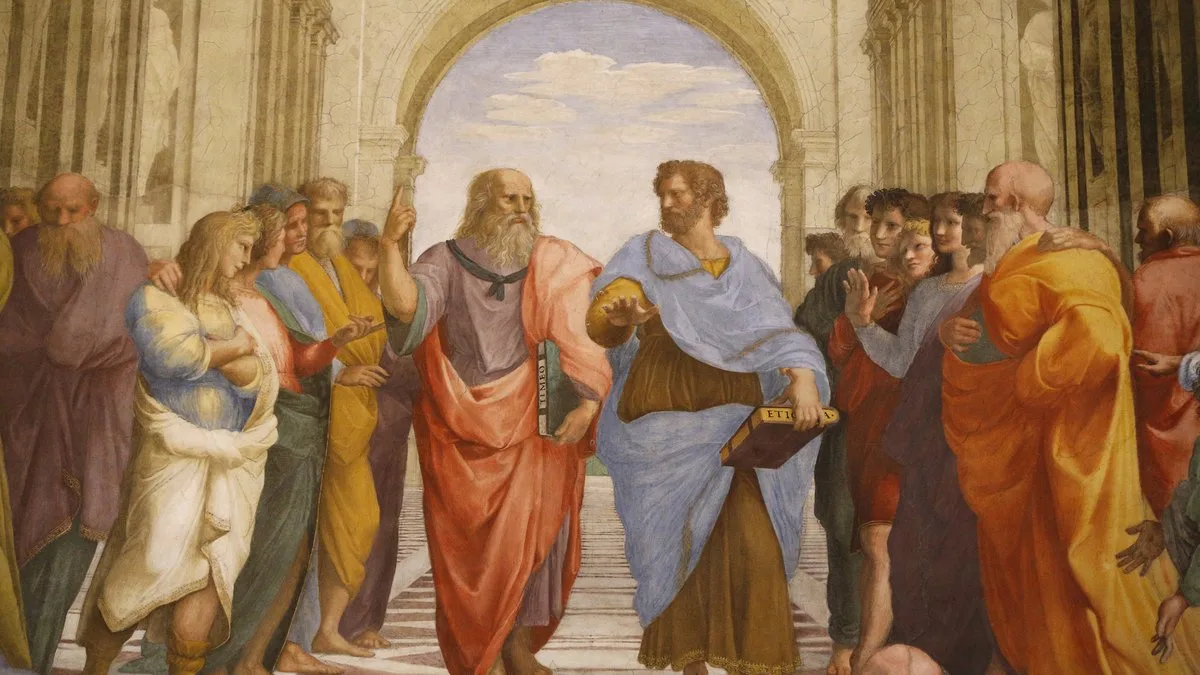
Plato and His Political Philosophy
Plato was a student of Socrates and teacher of Aristotle. He made major contributions to ethics, politics, and education.
He is called the father of political philosophy.
Philosopher King Theory
Plato believed the best rulers are philosophers.
Why?
Because philosophers:
- Love wisdom
- Seek truth
- Make rational decisions
- Think about public welfare
He believed society suffers when rulers lack wisdom.
His famous idea:
The ideal state is one where philosophers rule.
Plato’s View on Knowledge
Plato explained knowledge through the famous Allegory of the Cave.
He said many people live in ignorance like prisoners inside a cave who only see shadows and think those shadows are reality.
Education helps people come out of ignorance and understand truth.
Plato’s View on Justice
Plato believed justice is the greatest good.
For him, justice exists when:
- Everyone performs their proper role
- Reason controls desire and emotions
- Society functions in harmony
Plato’s View on Education
Plato gave great importance to education.
He believed education:
- Builds character
- Creates disciplined citizens
- Improves society
He supported universal education controlled by the state.
Aristotle and Practical Justice
Aristotle is known as the father of Political Science.
His book Politics deeply influenced political thought.
His famous quote:
“Man is by nature a political animal.”
This means humans naturally live in communities and need political systems.
Aristotle’s Theory of Justice
Aristotle explained justice in practical terms.
He said:
“It is unjust to treat equals unequally and unequal equally.”
He divided justice into two types.
Rectificatory Justice
This focuses on correcting wrong actions.
Examples:
- Court punishments
- Compensation
- Dispute resolution
Punishment should match the harm caused.
Distributive Justice
This focuses on fair distribution of:
- Wealth
- Resources
- Honors
- Rewards
People should receive benefits according to their contribution.
Rule of Law
Aristotle strongly supported rule of law.
This means:
- No person is above law
- Government must follow law
- Leaders cannot misuse power
This idea remains central in modern democracies.
Jeremy Bentham and Utilitarianism
Jeremy Bentham (1748–1832) is known as the father of utilitarianism.
Utilitarianism is a moral theory that judges actions by their results.
Bentham believed:
- Good actions increase happiness
- Bad actions increase suffering
His principle is called:
Greatest happiness of the greatest number
This means the best action is one that creates maximum happiness for most people.
For Bentham, morality should be based on practical results rather than religious beliefs.
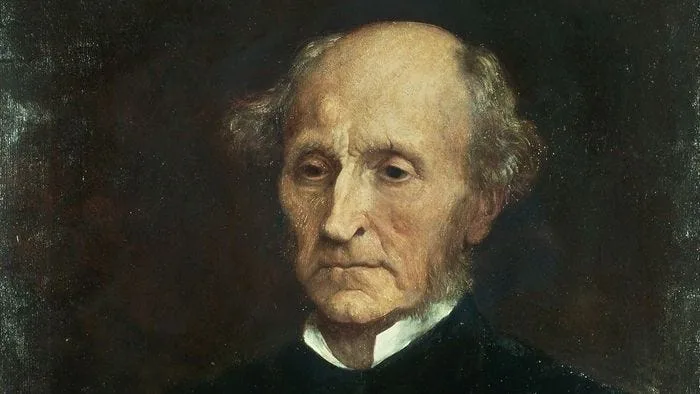
John Stuart Mill and Liberty
John Stuart Mill expanded Bentham’s ideas.
He was a philosopher, economist, and political thinker.
Mill’s Utilitarianism
Mill agreed happiness matters most, but he added quality to pleasure.
He believed:
- Some pleasures are higher than others
- Intellectual happiness is superior to physical pleasure
Examples of higher pleasures:
- Learning
- Reading
- Art
- Knowledge
Mill’s View on Freedom
Mill strongly supported individual liberty.
He believed people should be free to:
- Think freely
- Speak freely
- Express opinions
- Disagree with authority
His book On Liberty remains one of the strongest defenses of free speech.
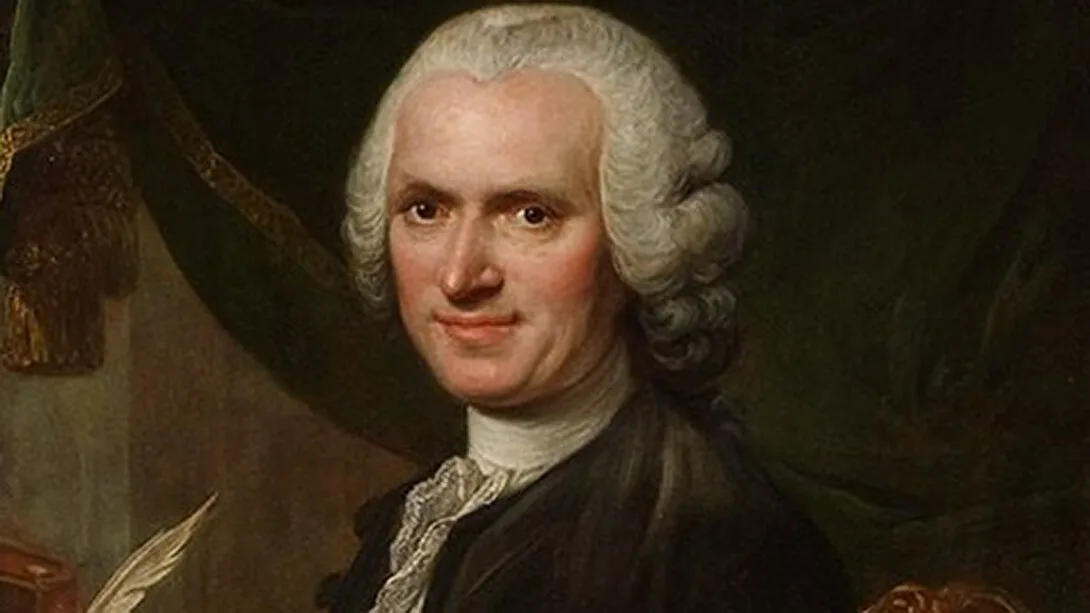
Jean-Jacques Rousseau and Social Contract
Jean-Jacques Rousseau was one of the most influential thinkers of the 18th century.
His ideas influenced the French Revolution.
State of Nature
Rousseau believed early humans were naturally peaceful and free.
In the natural state:
- People were independent
- They were equal
- They were peaceful
Society later created inequality and corruption.
Private Property
Rousseau criticized private property.
He believed private property led to:
- Greed
- Competition
- Inequality
- Selfishness
Social Contract
Rousseau proposed a social contract to protect freedom and equality.
According to him:
- People create laws together
- Laws must reflect the general will
- Everyone remains equal before law
The general will means the collective interest of society.
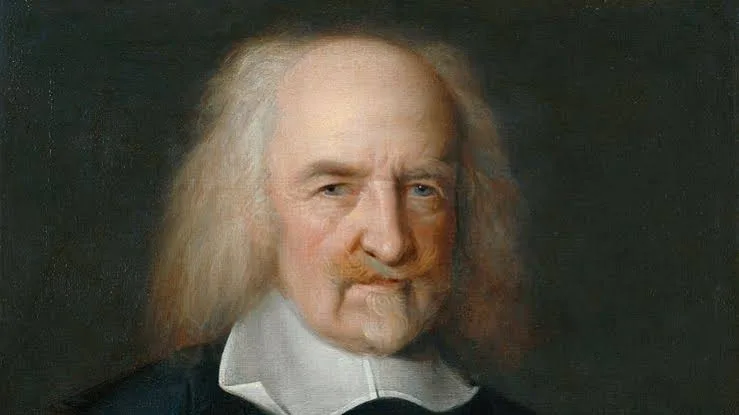
Thomas Hobbes and Strong State
Thomas Hobbes is famous for social contract theory.
His most famous work is Leviathan.
Hobbes’ View on Human Nature
Hobbes believed humans are naturally selfish.
According to him, without government, life becomes violent.
His famous description of life without a state:
“Nasty, poor, brutish and short.”
Need for State
People create a state to protect life and provide security.
According to Hobbes:
- Security is the first need
- State must maintain law and order
- Protection of life is most important
Hobbes on Liberty
Hobbes did not support unlimited freedom.
He believed too much liberty causes chaos.
Therefore, strong authority is necessary.
John Rawls and Modern Justice
John Rawls was one of the most important modern moral philosophers.
He criticized utilitarianism because majority happiness may ignore minority rights.
His famous book is A Theory of Justice (1971).
Rawls’ Theory of Justice
Rawls wanted to create a fair society.
He proposed two principles of justice.
Principle of Equal Liberty
Every person must enjoy basic freedoms such as:
- Freedom of speech
- Freedom of thought
- Freedom of conscience
- Equal legal rights
These rights cannot be taken away for public benefit.
Difference Principle
Economic inequality is acceptable only if it benefits the poorest people.
Example:
If wealth inequality improves life for poor people through jobs or opportunities, it may be justified.
Equal Opportunity
Everyone should get fair access to:
- Education
- Healthcare
- Jobs
- Public offices
Success should depend on ability, not background.
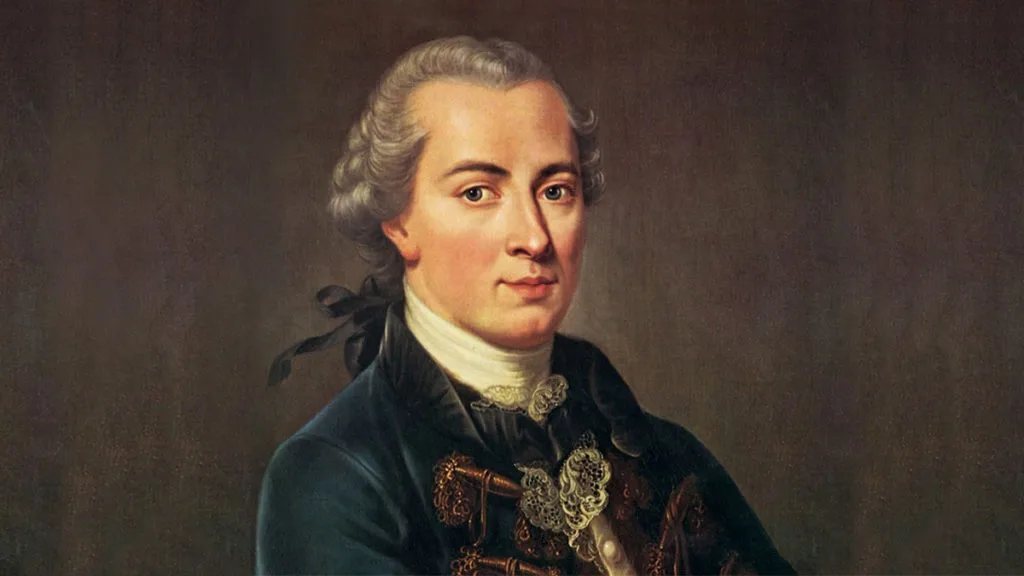
Immanuel Kant and Duty-Based Ethics
Immanuel Kant (1724–1804) was one of the greatest modern philosophers.
His ethics focused on duty, reason, and morality.
Kant’s View on Freedom
Kant believed true freedom does not mean doing anything we want.
Real freedom means acting according to moral law and reason.
A free person:
- Controls desires
- Uses reason
- Acts morally
Categorical Imperative
Kant introduced the idea of Categorical Imperative.
It means:
Before doing something, ask:
What if everyone acted this way?
Example:
If everyone lied for personal gain, trust would disappear.
So lying is morally wrong.
Kant believed humans must never be treated merely as tools.
People should always be respected as ends in themselves.
Kant’s Political Ideas
Kant believed a just state must:
- Protect rights
- Follow constitutional law
- Respect human dignity
He warned against excessive concentration of power.
If executive and legislative powers combine, dictatorship may arise.
Kant on International Peace
Kant dreamed of perpetual peace between nations.
He believed peace is possible if nations:
- Respect laws
- Reduce military conflicts
- Promote trade
- Cooperate internationally
He argued war harms prosperity.
Relevance of Western Moral Thinkers Today
The ideas of these thinkers remain important in modern life.
Their teachings influence:
- Democracy
- Human rights
- Courts
- Governance
- Education
- Ethics
- International relations
Examples:
- Aristotle’s rule of law shapes legal systems
- Mill supports free speech
- Rawls inspires welfare policies
- Kant strengthens human rights ethics
- Bentham influences public policy
These philosophers helped humanity understand justice, freedom, morality, and responsibility.
Final Thoughts
Western moral thinkers and philosophers provided powerful ideas that still guide society today. From Socrates’ search for wisdom to Kant’s moral law, each thinker offered unique ways to understand human behavior and ethics.
Their philosophies help us build fair societies, strong institutions, and better moral values. Even in modern times, their ideas remain useful for solving issues related to justice, governance, equality, and human dignity.
FAQs
1. Who is called the father of Western philosophy?
Socrates is known as the father of Western philosophy.
2. Who gave the theory of Philosopher King?
Plato gave the theory of Philosopher King.
3. What is utilitarianism?
Utilitarianism is the idea that the best action creates maximum happiness for maximum people.
4. What is Rawls’ theory of justice?
It says society should ensure equal liberty and support the least advantaged people.
5. What is Kant’s categorical imperative?
It is a moral rule that says we should act only in ways that can become universal laws.