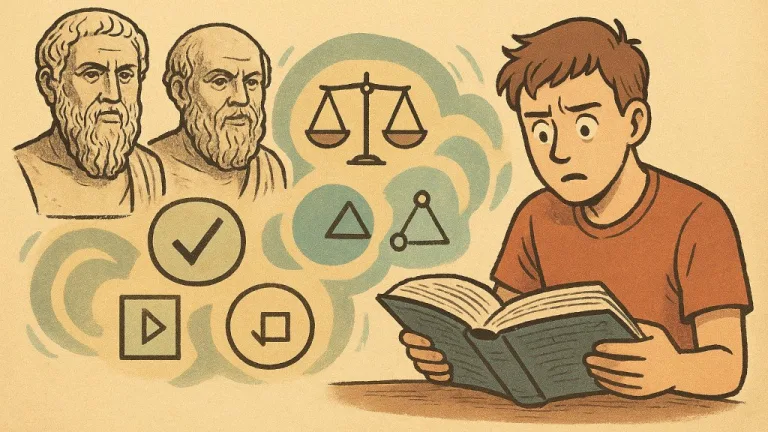
Role of Family Society and Educational Institutions in Inculcating Values

Role of Family Society and Educational Institutions in Inculcating Values is very important in building a strong and responsible society. Values help people choose between right and wrong and guide their behavior in daily life. Good values make a person honest, respectful, kind, and responsible. These values do not develop automatically. They are learned over time through family, society, and educational institutions.
Thank you for reading this post, don't forget to subscribe!Family gives the first lessons of life. Society broadens a person’s understanding of relationships and responsibilities. Educational institutions strengthen these values through formal learning and practical activities. Together, these three play a major role in shaping a person’s character.
What are Values?
Values are the basic beliefs and principles that guide our thoughts, actions, and decisions. They help us understand what is good, important, and desirable in life. Values influence how we behave with others and how we react in different situations.
For example, honesty teaches us to speak the truth, while respect helps us treat others with dignity. Values also improve self-awareness and help individuals build a strong moral character.
Common values include:
- Honesty
- Respect
- Responsibility
- Kindness
- Discipline
- Equality
- Justice
- Compassion
A society with strong values becomes more peaceful and cooperative.
What are Human Values?
Human values are qualities that guide people in dealing with other human beings. These values promote peace, understanding, and harmony in society. Human values help people build healthy relationships and contribute positively to the community.
Some important human values are:
Truth
Truth means being honest and fair. It includes sincerity, justice, and the desire to seek knowledge.
Right Conduct
Right conduct means doing the correct thing in daily life. It includes discipline, punctuality, responsibility, and good behavior.
Peace
Peace refers to calmness of mind and emotional balance. It includes patience, self-control, confidence, and humility.
Peaceful Co-existence
This means living peacefully with others despite differences. It includes equality, respect, forgiveness, and brotherhood.
Discipline
Discipline helps maintain order and control in life. It teaches responsibility and proper conduct.
These values create better individuals and a stronger society.
Role of Family in Inculcating Values
Family is the first school of a child. The role of family in inculcating values is extremely important because children learn their earliest lessons at home. Parents and elders directly influence a child’s personality and behavior.
A child observes how family members talk, behave, and solve problems. These observations become part of the child’s character.
1. Family as Role Models
Parents are the first role models for children. Children learn by watching and copying their parents.
For example, if parents speak politely and help others, children are likely to do the same. If parents show honesty and respect, children naturally adopt these values.
Good behavior at home creates a positive impact on children.
2. Teaching Moral Lessons
Families teach values through daily instructions and guidance. Parents often explain what is right and wrong.
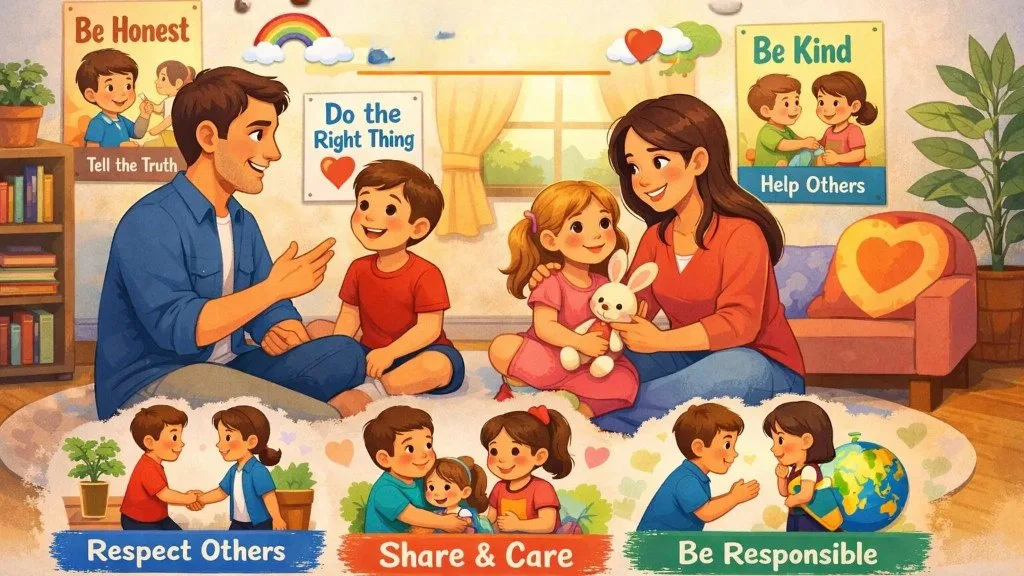
Children learn important lessons such as:
- Always speak the truth
- Respect elders
- Help those in need
- Be responsible for your actions
These teachings form a strong moral base.
3. Creating Valuable Experiences
Families create situations where children can practice values.
Examples include:
- Helping neighbors
- Donating to needy people
- Participating in social service
- Celebrating family traditions
Such activities teach compassion, kindness, and responsibility.
4. Building a Supportive Environment
A peaceful and caring home helps children grow emotionally and mentally.
When children feel safe, they confidently express their thoughts and feelings. Open communication helps develop trust and mutual respect.
A supportive family environment teaches:
- Tolerance
- Love
- Understanding
- Confidence
These qualities help children become emotionally strong.
5. Preserving Culture and Traditions
Families pass cultural and religious traditions to younger generations.
Festivals, prayers, rituals, and traditional practices teach important values such as:
- Gratitude
- Respect for heritage
- Responsibility
- Compassion
These traditions also create a sense of belonging.
Role of Society in Inculcating Values
The role of society in inculcating values is also very significant. As children grow, they interact with neighbors, friends, communities, and social groups. These interactions influence their beliefs and behavior.
Society teaches people how to live together peacefully.
Traditions, customs, and community life help strengthen shared values.
1. Socialization
Socialization is the process through which people learn social behavior.
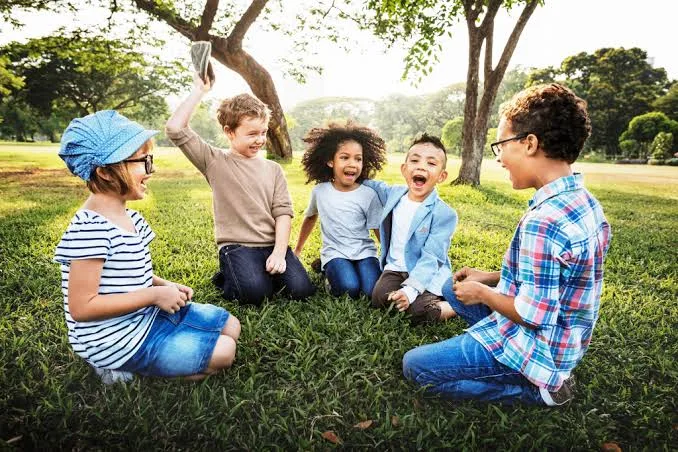
Individuals interact with:
- Friends
- Neighbors
- Community members
- Religious groups
- Media
These interactions help them understand social expectations and acceptable behavior.
2. Learning Through Observation
People often learn by observing others in society.
Influential figures include:
- Community leaders
- Teachers
- Celebrities
- Social workers
- Religious leaders
Their behavior influences others.
For example, a respected leader who promotes honesty inspires people to value truth.
3. Social Norms and Expectations
Every society has rules and expectations.
These norms define acceptable and unacceptable behavior.
Examples:
Acceptable behavior:
- Respecting others
- Helping community members
- Following laws
Unacceptable behavior:
- Violence
- Dishonesty
- Discrimination
These social norms help maintain order and discipline.
4. Rewards and Social Approval
Society encourages good behavior through rewards and appreciation.
When people act responsibly, they receive:
- Respect
- Praise
- Trust
- Recognition
On the other hand, bad behavior may lead to criticism or punishment.
This motivates individuals to follow positive values.
5. Cultural Traditions and Festivals
Festivals and traditions strengthen social unity.
Celebrating festivals together teaches:
- Brotherhood
- Love
- Unity
- Respect for diversity
In India, people from different religions celebrate each other’s festivals. This promotes harmony and acceptance.
Such shared experiences build strong community bonds.
Role of Educational Institutions in Inculcating Values
The role of educational institutions in inculcating values is crucial because schools and colleges shape students during their growing years. After family, educational institutions have the greatest influence on a child.
Students spend a large part of their day in school. Therefore, schools play a major role in character development.
Teachers act as guides and role models.
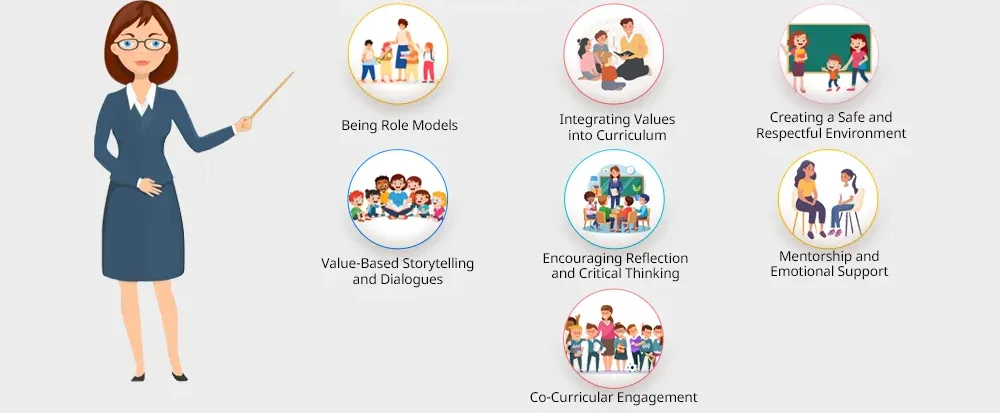
1. Value-Based Curriculum
Educational institutions include value-based lessons in the curriculum.
Subjects like:
- Social Science
- Moral Education
- Ethics
- Environmental Studies
help students understand important social and moral values.
Students learn about:
- Honesty
- Equality
- Justice
- Responsibility
- Empathy
These lessons help them become better citizens.
2. Extracurricular Activities
Activities outside the classroom also teach important values.
Examples include:
- Sports
- Debate competitions
- Music and arts
- Clubs
- Group projects
These activities develop:
- Teamwork
- Leadership
- Discipline
- Patience
- Fairness
Sports especially teach students to respect rules and accept victory or defeat gracefully.
3. Community Service
Many schools encourage social service activities.
Examples:
- Cleanliness drives
- Tree plantation
- Donation camps
- Helping poor communities
Such activities help students understand social responsibility.
They develop:
- Compassion
- Empathy
- Service mindset
- Environmental awareness
These experiences make students more sensitive to society’s needs.
4. Teachers as Role Models
Teachers influence students not only through teaching but also through behavior.
Students observe how teachers:
- Speak
- Solve problems
- Treat others
- Handle discipline
A fair and respectful teacher inspires students to behave similarly.
Teachers who practice honesty and kindness leave a lasting impact.
5. Leadership Opportunities
Schools provide leadership roles through:
- Student councils
- House captains
- Club leaders
- Peer mentors
Leadership responsibilities teach students:
- Accountability
- Decision-making
- Democracy
- Responsibility
For example, students leading a recycling campaign learn environmental responsibility and teamwork.
Importance of Combined Efforts
Family, society, and educational institutions are connected. Their combined effort creates strong moral development.
| Institution | Major Role in Value Building |
|---|---|
| Family | Gives first lessons of honesty, love, and discipline |
| Society | Teaches social responsibility and community values |
| Educational Institutions | Strengthens values through learning and activities |
When all three work together, individuals become more responsible and ethical.
A child raised with strong family values, healthy social interactions, and proper education becomes capable of contributing positively to society.
Family builds the foundation of values. Society expands those values through daily interaction. Educational institutions strengthen them with structured learning and practical experiences. Together, they help create honest, responsible, disciplined, and compassionate individuals who can build a peaceful and progressive society.
FAQs
1. What is the role of family in inculcating values?
Family gives the first lessons of honesty, respect, discipline, and responsibility to children.
2. How does society help in value education?
Society teaches values through traditions, customs, social rules, and community interactions.
3. Why are educational institutions important in inculcating values?
Educational institutions provide formal value education through curriculum, teachers, and activities.
4. What are human values?
Human values are qualities like truth, peace, compassion, honesty, and respect that guide human behavior.
5. Why are values important in life?
Values help individuals make correct decisions, build good character, and contribute positively to society.