Ethical Concerns and Dilemmas in Institutions: Challenges in Government and Private Sectors

Ethical Concerns and Dilemmas in Institutions are important issues in both government and private organizations. Ethics means understanding what is right and wrong and making decisions based on honesty, fairness, and responsibility. In workplaces, ethical problems arise when people face situations where choosing one option may harm another value or principle.
Thank you for reading this post, don't forget to subscribe!Today, ethical concerns have become more visible because institutions deal with money, public trust, technology, and sensitive information. Whether in government offices or private companies, ethical behavior helps build trust and ensures fairness. When ethics are ignored, corruption, unfair treatment, misuse of power, and loss of public confidence can occur.
What Are Ethical Concerns?
Ethical concerns are situations where a person faces a moral problem in the workplace or society. These concerns involve deciding between right and wrong, good and bad, and fair and unfair actions.
For example, an employee may discover corruption in the office. Reporting it may be the right thing to do, but it could also put their job at risk. Such situations create ethical concerns.
Ethical concerns often involve:
- Honesty and truthfulness
- Fair treatment of people
- Respect for rules and laws
- Responsibility toward society
- Maintaining trust and integrity
Examples of ethical concerns in workplaces include discrimination, corruption, misuse of confidential information, and unfair decision-making.
What Is an Ethical Dilemma?
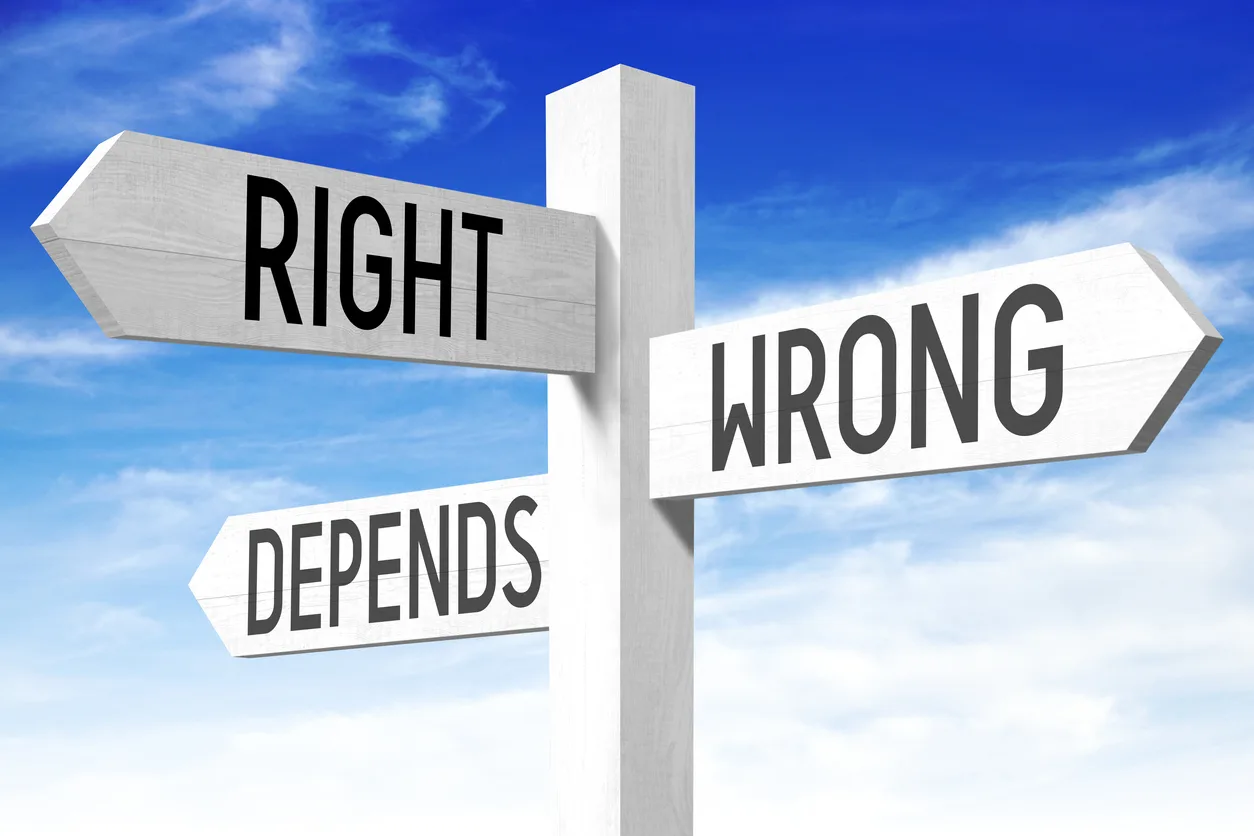
An ethical dilemma happens when a person must choose between two difficult options, and neither option is completely right or completely wrong.
In such situations, no matter what decision is made, some ethical principle is affected.
Three conditions are usually present in an ethical dilemma:
1. Need for Decision
A person must make a choice.
2. Multiple Options
There are two or more possible actions.
3. No Perfect Solution
Every option has some negative consequence.
For example, a government officer may need to keep official information secret, but at the same time the public may demand transparency.
Types of Ethical Dilemmas
Personal Cost Ethical Dilemmas
These happen when doing the ethical thing causes personal loss.
Examples:
- Losing promotion opportunities
- Damaging relationships
- Missing financial benefits
A public servant may refuse a bribe but face pressure from powerful people.
Right vs Right Ethical Dilemmas
This happens when two important ethical values conflict.
Examples:
- Transparency vs confidentiality
- Loyalty vs honesty
- Justice vs compassion
Both sides may seem correct.
Conjoint Ethical Dilemmas
These involve a combination of multiple ethical problems at the same time.
Such dilemmas are often complex and difficult to solve.
Ethical Concerns in Government Institutions
Government institutions play a major role in serving citizens. Therefore, ethical standards must be high. However, several challenges exist.
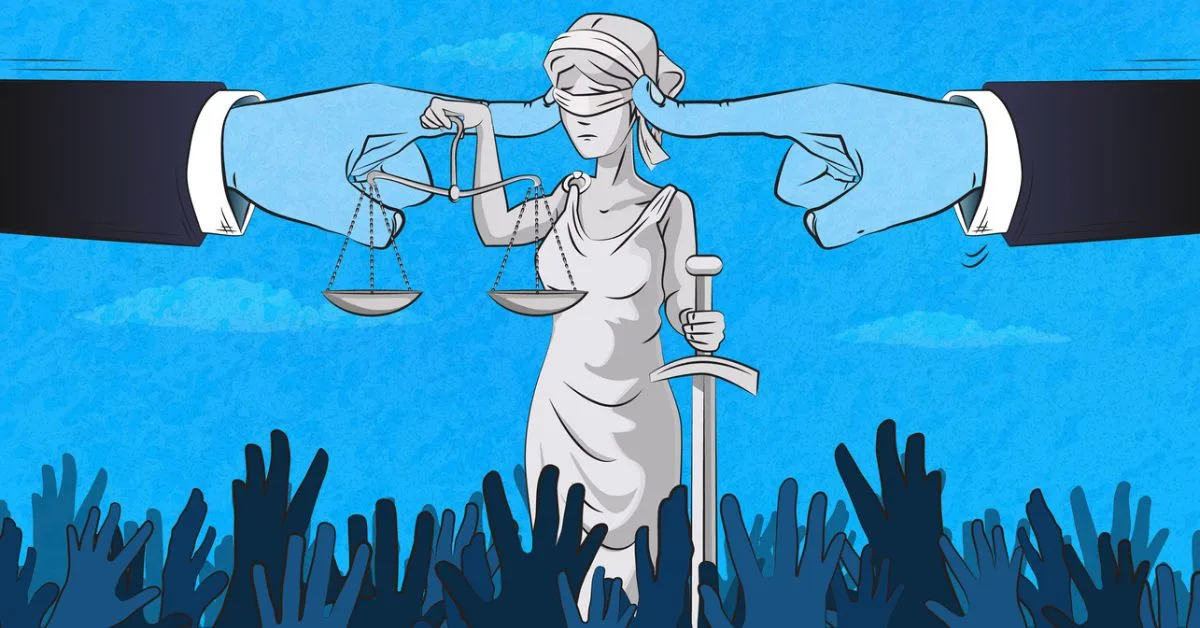
Abuse of Power
Abuse of power happens when officials use authority unfairly for personal gain or political advantage.
Examples include:
- Favoring certain groups
- Suppressing rights
- Misusing government resources
This weakens democracy and public trust.
Indifferent Attitude
Sometimes officials avoid taking timely decisions or show a careless attitude toward public problems.
This creates:
- Delays in services
- Poor governance
- Frustration among citizens
Professional behavior is essential in public service.
Corruption and Bribery
Corruption is one of the biggest ethical concerns in government systems.
It includes:
- Taking bribes
- Giving favors for money
- Misusing official position
Corruption harms development and reduces trust in institutions.
Evasive Attitude
Some officials avoid responsibility by delaying files or using complicated procedures.
This creates unnecessary bureaucracy and slows development work.
Post-Retirement Benefits Influence
Sometimes civil servants may focus more on securing future benefits rather than working efficiently during service.
This can reduce innovation and commitment.
Mismanagement of Public Funds
Public money is collected through taxes and must be used responsibly.
Mismanagement includes:
- Spending without approval
- Using funds for personal benefit
- Poor financial planning
This directly harms public welfare.
Ethical Concerns in Private Institutions
Private institutions aim to earn profit, but they also have ethical responsibilities toward employees, customers, and society.
Unfair Employment Practices
Some companies engage in unfair practices such as:
- Discrimination
- Unfair suspension
- Salary inequality
- Ignoring employee rights
Such practices reduce workplace morale.
Misleading Advertising
Some businesses exaggerate product benefits or make false claims.
Examples:
- Fake discounts
- False health claims
- Hidden terms and conditions
This damages consumer trust.
Faulty Audits
Audits ensure financial transparency. Faulty audits may happen due to negligence or fraud.
Consequences include:
- Reputation damage
- Legal penalties
- Loss of investor trust
Accurate financial reporting is necessary.
Insider Trading
Insider trading happens when someone uses secret company information to gain profit in the stock market.
This is unethical because it gives unfair advantage.
Anti-Competitive Behavior
Sometimes companies secretly agree to increase prices or block competitors.
This harms:
- Market competition
- Consumer choices
- Fair pricing
Healthy competition is important for economic growth.
Influence Peddling
Businesses sometimes try to influence government decisions through lobbying or hidden pressure.
This may lead to policies that benefit only a few groups.
Ethical Dilemmas in Government Institutions
Government officers often face difficult situations where ethical values clash.
Professional Duty vs Personal Values
An officer may personally disagree with a law but still be required to enforce it.
Example:
A police officer may feel a law is unfair but must follow legal duty.
This creates moral conflict.
Anonymity vs Transparency
Transparency builds trust, but some information must remain confidential.
Examples of confidential information:
- National security data
- Sensitive investigations
- Internal government records
Balancing secrecy and openness is difficult.
Rule Compliance vs Creativity
Rules ensure fairness and accountability. However, strict rules can sometimes stop innovation.
Modern governance needs:
- Creative solutions
- Faster systems
- Better technology
Officials must balance law and innovation.
Rigidity vs Flexibility
Traditional bureaucracy often follows strict procedures and hierarchy.
But modern challenges demand:
- Quick adaptation
- Digital systems
- Flexible decision-making
Too much rigidity slows progress.
Private Life vs Public Life
Public officials have personal privacy rights, but their behavior affects public trust.
Citizens often expect leaders to maintain high moral standards.
Ethical Dilemmas in Private Institutions
Private companies also face serious ethical conflicts.
Data Confidentiality vs Data Processing
Businesses collect customer data for better services.
Benefits include:
- Better marketing
- Improved services
- Personalized experiences
But customers also expect privacy and security.
The challenge is balancing business needs with data protection.
Employee Satisfaction vs Corporate Targets
Companies want high productivity and profits.
This may create:
- Heavy workloads
- Tight deadlines
- Stress and burnout
Employee well-being is important for long-term success.
Sustainable Procurement vs Cost Efficiency
Buying from ethical and eco-friendly suppliers often costs more.
Companies must choose between:
- Lower costs
- Sustainable sourcing
Responsible business should consider environmental impact.
Good Governance vs Profit Maximization
Good governance focuses on:

- Transparency
- Accountability
- Long-term growth
- Stakeholder welfare
Profit maximization focuses mainly on short-term gains.
Businesses should balance both.
Inclusiveness vs Efficiency
Inclusive workplaces support diversity and equal opportunity.
However, some organizations focus only on performance and speed.
Ignoring inclusiveness can reduce employee satisfaction and innovation.
How to Resolve Ethical Concerns and Dilemmas
Institutions can reduce ethical problems by following strong principles.
Principle of Long-Term Self-Interest
Organizations should avoid actions that harm long-term reputation or sustainability.
Short-term gains from unethical behavior often lead to long-term loss.
Principle of Personal Virtue
People should act with:
- Honesty
- Truthfulness
- Integrity
Personal ethics strengthen institutional ethics.
Principle of Moral and Social Responsibility
Actions should promote kindness, fairness, and community welfare.
Good decisions should help society, not just individuals.
Principle of Government Requirements
No action should violate the law.
Laws represent the minimum moral standards for society.
Principle of Utilitarian Benefit
Decisions should create the greatest benefit for the largest number of people.
This supports public welfare.
Principle of Individual Rights
Institutions must respect human rights and freedoms.
No decision should violate basic rights such as privacy, equality, and dignity.
Importance of Ethical Governance
Strong ethical governance creates:
- Better public trust
- Improved reputation
- Stronger institutions
- Sustainable growth
- Reduced corruption
Both government and private institutions need ethical leadership.
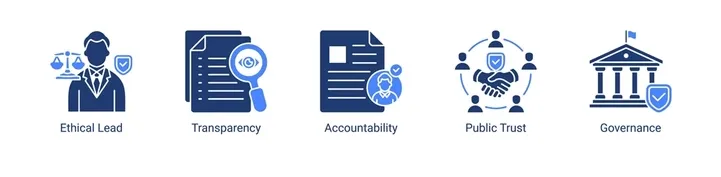
Leaders should encourage:
- Transparency
- Accountability
- Fair decision-making
- Responsible behavior
Ethics is not just about following rules. It is about doing what is right even when no one is watching.
In today’s fast-changing world, ethical concerns are becoming more complex due to technology, globalization, and financial competition. Institutions that prioritize ethics will remain stronger and more trusted in the long run.
FAQs
1. What are ethical concerns?
Ethical concerns are situations involving moral issues where people must decide between right and wrong.
2. What is an ethical dilemma?
An ethical dilemma occurs when a person must choose between two difficult options, and neither option is perfect.
3. What are common ethical concerns in government institutions?
Common issues include corruption, bribery, abuse of power, and misuse of public funds.
4. What are ethical concerns in private institutions?
These include unfair employment practices, misleading advertising, insider trading, and data privacy issues.
5. Why are ethics important in institutions?
Ethics builds trust, improves governance, reduces corruption, and supports long-term success.