



Payment Banks in India: Meaning, Features and Benefits

Payment Banks are a special type of bank in India created to provide basic banking services to people, especially those living in rural areas, low-income families, migrant workers, and small businesses. These banks work like regular banks in many ways, but they have some important limitations.
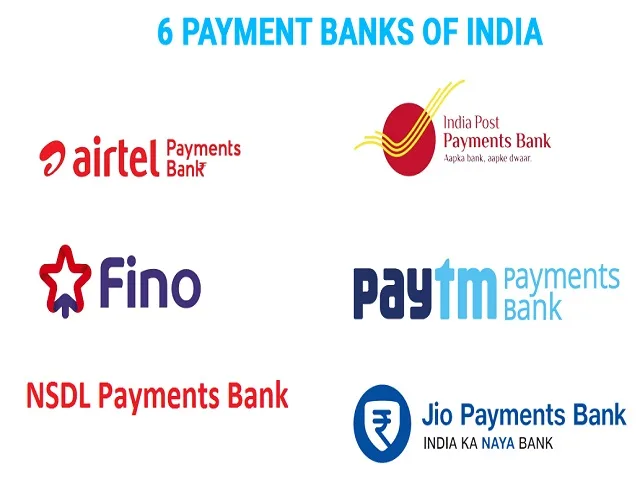
Thank you for reading this post, don't forget to subscribe!Examples of payment banks in India include Airtel Payments Bank and India Post Payments Bank. These banks help people save money, transfer money, and use digital banking services. However, they cannot give loans or issue credit cards.
Payment banks were introduced after a committee led by Dr. Nachiket Mor recommended them. The main aim was to improve financial inclusion in India. Financial inclusion means making banking services available to everyone, including people in remote villages and those who do not use traditional banks.
What are Payment Banks?
A payment bank is a bank that offers limited banking services. It can perform many basic functions such as opening savings accounts, current accounts, accepting deposits, and enabling money transfers.
But unlike normal commercial banks, payment banks cannot lend money. Since they do not give loans, they do not face credit risk. Credit risk means the chance that a borrower may fail to repay a loan.
Payment banks are mainly designed for simple banking services and digital transactions. They play an important role in promoting cashless payments and banking access in underserved areas.
Why Were Payment Banks Created?
The main purpose of payment banks is to provide easy banking services to people who have limited access to traditional banks.
The key objectives are:
- To increase financial inclusion in India
- To provide small savings accounts
- To help migrant workers send money to families
- To support small businesses and local traders
- To improve digital payments in rural and urban areas
- To encourage secure money transfer services
Many people in villages still face problems accessing banks due to distance and lack of infrastructure. Payment banks help solve this issue by offering mobile-based and digital banking services.
Types of Banking Licences in India
The Reserve Bank of India gives two main types of banking licences:
1. Universal Bank Licence
Banks with this licence can provide almost all banking services, including deposits, loans, and credit cards.
Examples include:
- State Bank of India
- ICICI Bank
2. Differentiated Bank Licence
Banks under this category provide only selected banking services.
Payment banks come under this category because they cannot provide all services like commercial banks.
Main Features of Payment Banks
Payment banks have several unique features.
| Feature | Details |
|---|---|
| Deposit Type | Can accept savings and current account deposits |
| Maximum Deposit | Up to ₹1 lakh per customer (initial limit) |
| Loans | Not allowed |
| Credit Cards | Not allowed |
| Debit Cards | Allowed |
| Money Transfer | Allowed |
| Insurance & Mutual Funds | Allowed as distribution services |
| NRI Deposits | Not allowed |
These features make payment banks safe for deposits and daily transactions.
Scope of Activities of Payment Banks
Payment banks are allowed to perform several activities.
Accept Deposits
They can accept demand deposits such as:
- Savings accounts
- Current accounts
They cannot accept time deposits like fixed deposits for long-term investment.
Debit and ATM Cards
Payment banks can issue:
- ATM cards
- Debit cards
These cards help customers withdraw cash and make digital payments.

Payment and Remittance Services
Customers can send and receive money using:
- Mobile banking
- UPI
- Internet banking
- ATM services
- Agent services
This is very useful for migrant workers who regularly send money home.
Distribution of Financial Products
Payment banks can distribute simple financial products such as:
- Insurance products
- Mutual fund units
- Pension-related services
However, they cannot take risky financial positions.
What Payment Banks Cannot Do
Payment banks have important restrictions.
They cannot:
- Give personal or business loans
- Issue credit cards
- Accept NRI deposits
- Create subsidiaries for non-banking financial services
These restrictions reduce financial risk.
Benefits of Payment Banks
Payment banks offer many benefits to society and the economy.
Expansion of Rural Banking
Many villages do not have proper banking branches. Payment banks bring banking closer to rural people through digital and mobile services.
Financial Inclusion
Millions of people who previously had no bank account can now access basic banking.
Easy Digital Payments
Payment banks encourage online and cashless payments.
Safe Money Storage
People can safely store their savings instead of keeping cash at home.
Support for Small Businesses
Small shop owners and local businesses can easily receive digital payments.
Challenges Faced by Payment Banks
Although payment banks provide many benefits, they also face challenges.
Lack of Customer Awareness
Many people still do not understand digital banking.
Poor Infrastructure
In rural areas, internet connectivity and electricity can be weak.
Technology Problems
Server failures, app issues, and cyber risks create problems.
Limited Profitability
Since payment banks cannot give loans, their earning opportunities are limited.
Lack of Agent Incentives
Agents working in remote areas may not get enough incentives.
These challenges slow the growth of payment banks.
Who Can Start a Payment Bank?
Different entities can apply to set up a payment bank.
Eligible promoters include:
- Existing Pre-paid Payment Instrument issuers
- Individuals and professionals
- Non-Banking Finance Companies (NBFCs)
- Corporate Business Correspondents
- Mobile telephone companies
- Supermarket chains
- Companies owned by Indian residents
- Public sector entities
A promoter can also form a joint venture with an existing scheduled commercial bank.
Commercial banks can invest in payment banks as permitted by law.
Regulation of Payment Banks
Payment banks are highly regulated by the Reserve Bank of India.
They must register as a public limited company under the Companies Act, 2013.
They are governed by several laws:
- Banking Regulation Act, 1949
- RBI Act, 1934
- Foreign Exchange Management Act, 1999
- Payment and Settlement Systems Act, 2007
These laws ensure safety and proper management.
Reserve Requirements
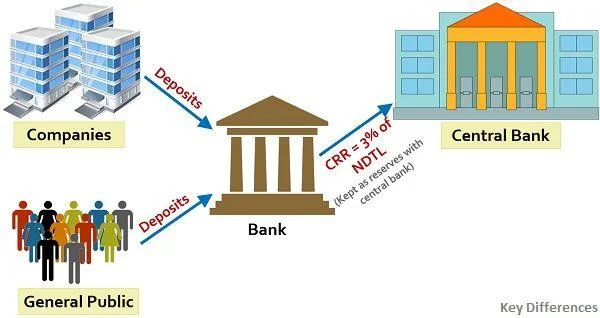
Payment banks must maintain financial reserves.
Cash Reserve Ratio (CRR)
They must keep a certain percentage of deposits with the Reserve Bank of India.
Investment in Government Securities
At least 75% of demand deposits must be invested in:
- Government securities
- Treasury bills with maturity up to one year
This makes customer deposits safer.
Deposit with Other Banks
They can keep up to 25% in current or fixed deposits with scheduled commercial banks for liquidity needs.
Capital Requirement
Payment banks need sufficient capital to operate.
| Requirement | Amount |
| Minimum Paid-up Capital | ₹100 crore |
| Promoter Contribution | Minimum 40% for first 5 years |
This ensures financial stability.
Foreign Investment Rules
Foreign investment in payment banks is allowed according to India’s Foreign Direct Investment (FDI) policy for private sector banks.
This helps attract capital and improve growth.
Important Banking Terms
Promoter
A promoter is a person or group involved in creating and funding a new company.
Credit Risk
Credit risk is the possibility that a borrower may fail to repay a loan.
Since payment banks do not lend money, their credit risk is low.
Paid-up Capital
Paid-up capital is the amount of money received by a company from shareholders in exchange for shares.
Importance of Payment Banks in India
Payment banks are becoming increasingly important in India’s banking system. They help bridge the gap between traditional banks and people who lack access to formal banking services.
In a country with a large rural population, payment banks support digital India by making financial services simple, fast, and affordable.
They may not provide loans like regular banks, but they play a major role in savings, money transfers, and financial inclusion. As digital banking continues to grow, payment banks are expected to become even more useful for millions of Indians.
FAQs
Q1. What are Payment Banks?
Payment Banks are special banks in India that provide basic banking services like deposits, savings accounts, and money transfer, but they cannot give loans or issue credit cards.
Q2. Who regulates Payment Banks in India?
Reserve Bank of India regulates Payment Banks in India and sets rules for their operations.
Q3. Can Payment Banks give loans?
No, Payment Banks cannot provide personal loans, business loans, or any type of credit facility.
Q4. What is the main purpose of Payment Banks?
The main purpose is to improve financial inclusion by providing banking services to rural areas, low-income groups, migrant workers, and small businesses.
Q5. Can Payment Banks issue debit cards?
Yes, Payment Banks can issue ATM cards and debit cards for withdrawals and digital payments.
Q6. What is the deposit limit in Payment Banks?
Payment Banks can accept deposits up to the limit fixed by the Reserve Bank of India.
Q7. How are Payment Banks different from regular banks?
Regular banks offer loans, credit cards, and full banking services, while Payment Banks mainly focus on deposits and payments.
Q8. Give examples of Payment Banks in India.
Examples include Airtel Payments Bank and India Post Payments Bank.