



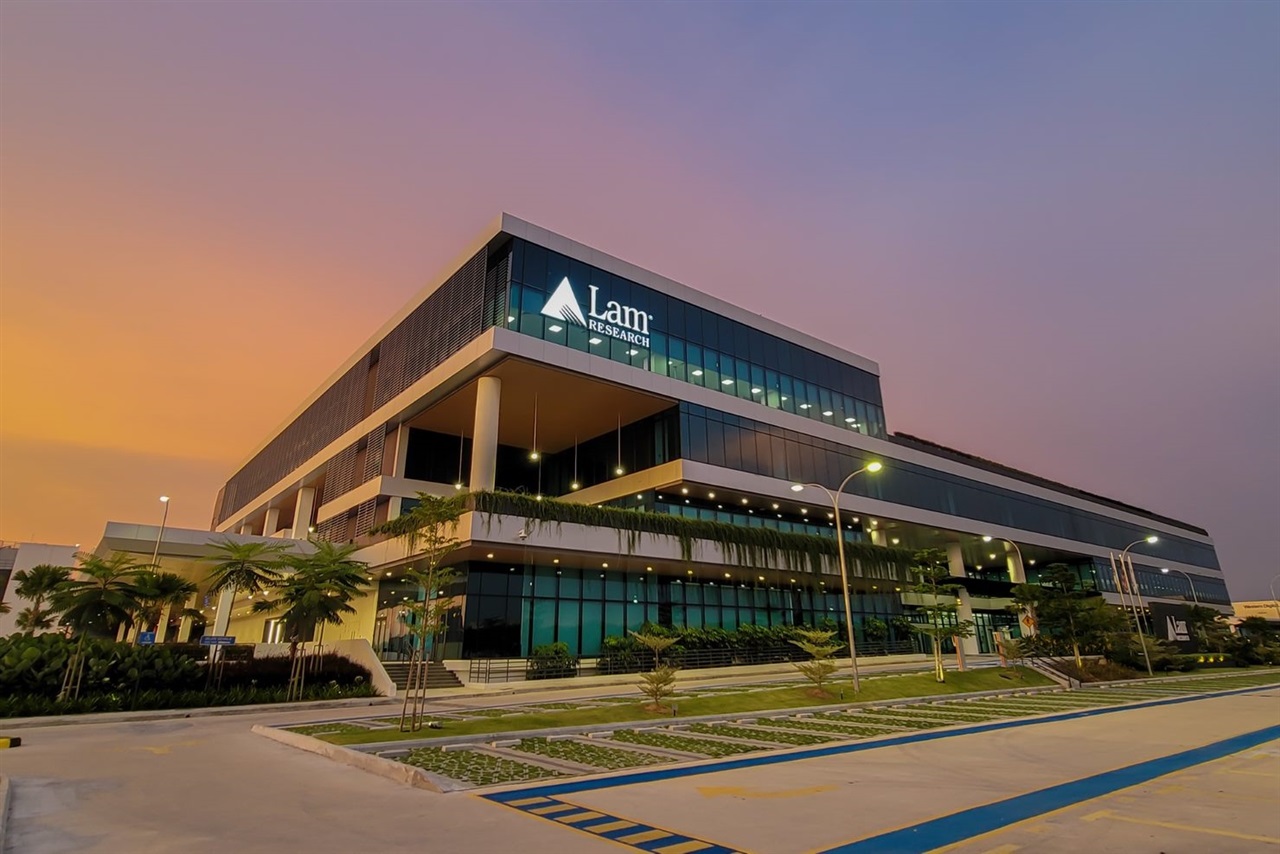
Lam Research India Facility

Lam Research has announced plans to invest around ₹10,000 crore (about US$1.04 billion) in India over the coming years, strengthening the country’s growing semiconductor ecosystem. The US-based semiconductor equipment company announced the investment on September 16, 2026. The plan includes setting up its first silicon component manufacturing facility in India and expanding its advanced research and development activities in Bengaluru.
Thank you for reading this post, don't forget to subscribe!The investment comes at a time when India is increasing its focus on semiconductor manufacturing, chip design, electronics production and domestic supply chains. The proposed facility is expected to add another important link to the country’s semiconductor ambitions.
Lam Research Plans Silicon Facility
The planned Lam Research facility will focus on silicon components used in advanced semiconductor manufacturing. The company intends to establish a vertically integrated manufacturing process that includes silicon ingot production and processing.
Silicon ingots are large, highly purified pieces of silicon that are used as the starting material for producing semiconductor wafers. These wafers are then processed to manufacture integrated circuits and other semiconductor devices.
The planned facility will support technologies used for advanced semiconductor production and leading-edge process nodes. This makes the project relevant to the wider development of India’s semiconductor manufacturing capabilities.
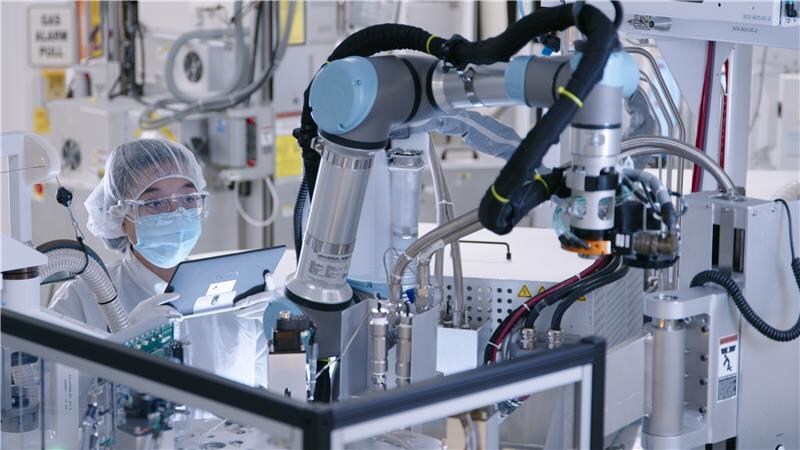
Expansion of Research and Development in Bengaluru
Along with manufacturing, Lam Research will expand its advanced research and development operations in Bengaluru.
Bengaluru is already an important technology and engineering centre in India, with a large ecosystem of research institutions, technology companies and skilled professionals. Lam Research has an existing engineering presence in the city through its India Center for Engineering.
The new investment will strengthen this presence and support specialised engineering activities connected with semiconductor manufacturing technologies.
The expansion is expected to create stronger links between research, engineering and manufacturing activities in India.
India’s Growing Semiconductor Ecosystem
India has been working to develop a stronger domestic semiconductor ecosystem covering chip manufacturing, packaging, design, equipment and supporting industries.
The India Semiconductor Mission (ISM) is a major government initiative supporting this effort. It operates under the Ministry of Electronics and Information Technology and focuses on developing semiconductor and display manufacturing as well as related design and technology capabilities.
The arrival and expansion of global semiconductor companies can add to this ecosystem by bringing manufacturing expertise, technology, research capabilities and supply-chain partnerships.
What Are Silicon Ingots?
Silicon ingots are an important starting material in semiconductor manufacturing.
Highly purified silicon is formed into large cylindrical ingots. These ingots are then cut into thin wafers. Semiconductor manufacturers use these wafers to build electronic circuits through several complex manufacturing steps.
The quality of the silicon material is important because modern chips contain extremely small structures. Advanced semiconductor technologies require precise materials and highly controlled manufacturing processes.
By planning a facility that includes silicon ingot production and processing, Lam Research is looking to create a more integrated manufacturing operation in India.
Supply Chain Partnerships
The investment will also involve partnerships with Indian suppliers.
The semiconductor industry depends on a large network of specialised suppliers that provide materials, components, gases, chemicals, equipment and manufacturing services. Building these supply-chain links within India can help strengthen the wider semiconductor industry.
Lam Research’s planned investment is therefore not limited to a single manufacturing facility. Its supplier partnerships and engineering activities can create connections with other businesses operating in India’s technology and manufacturing sectors.
Semiconductor Training Programme
Skills development is another area where Lam Research has been working with Indian institutions.
The company is collaborating with the Indian Institute of Science (IISc) and the India Semiconductor Mission through its virtual training platform, Semiverse Solutions.
Under the programme, the company aims to train up to 60,000 students between 2023 and 2033 in areas related to semiconductor manufacturing.
Such training programmes are important because semiconductor production requires specialised skills in engineering, electronics, materials science, equipment operation and manufacturing processes.
Importance for Advanced Semiconductor Technologies
The global semiconductor industry is moving towards increasingly advanced process technologies. Leading-edge nodes are used to produce high-performance chips for applications such as artificial intelligence, smartphones, data centres, automotive systems and advanced computing.
Semiconductor manufacturing requires not only chip fabrication plants but also a large supporting ecosystem. Equipment suppliers, material manufacturers, chemical companies, research institutions and skilled engineers all play a role.
The Lam Research investment could therefore contribute to several parts of this ecosystem through manufacturing, research, engineering and supplier partnerships.
Bengaluru’s Role in India’s Chip Industry
Bengaluru has a long-established technology and engineering ecosystem. Its universities, research institutions and technology companies provide access to a large pool of technical talent.
For Lam Research, expanding its research and development operations in Bengaluru can support its existing engineering activities while strengthening connections with India’s research and technology community.
The city is also becoming increasingly important to India’s semiconductor ambitions, particularly in areas related to chip design, engineering and research.

Supporting India’s Semiconductor Goals
India is seeking to reduce dependence on overseas sources for critical semiconductor technologies and develop domestic capabilities across the value chain.
Government programmes under the India Semiconductor Mission cover areas such as semiconductor fabs, display manufacturing, compound semiconductors and semiconductor design-linked incentives.
The proposed Lam Research investment adds another international industry participant to this developing ecosystem. Its focus on silicon components, engineering, training and supply-chain development fits into the broader effort to expand semiconductor capabilities within India.
New Investment in a Strategic Industry
Semiconductors are now important to many areas of the modern economy, from consumer electronics and automobiles to telecommunications, defence systems and artificial intelligence.
As demand for chips continues to grow globally, countries are working to build reliable semiconductor supply chains and manufacturing capabilities.
Lam Research’s planned ₹10,000 crore investment in India represents a significant expansion of its presence in the country. The combination of a new silicon component facility, expanded Bengaluru R&D operations, supplier partnerships and semiconductor training is expected to connect several parts of India’s growing semiconductor ecosystem.