


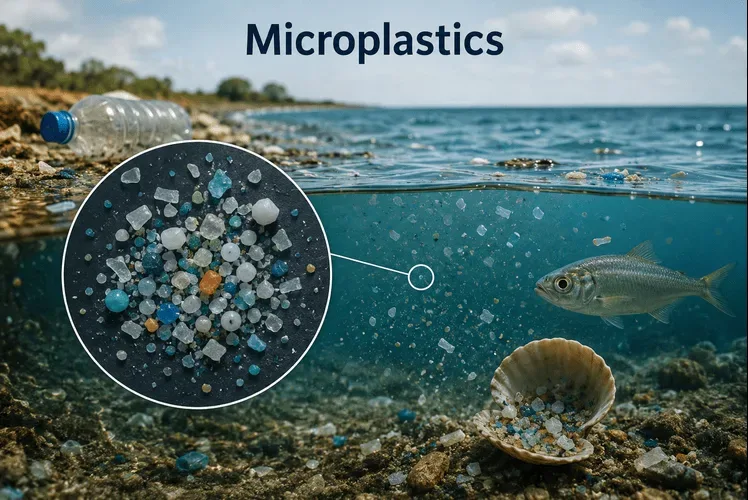
Microplastics: A Growing Environmental Threat

Microplastics have become one of the biggest environmental problems in today’s world. Plastic waste is everywhere in rivers, oceans, soil, and even in the air. Over time, large plastic items break into tiny pieces called microplastics. These tiny particles may look harmless, but they are dangerous for nature, animals, and humans.
Thank you for reading this post, don't forget to subscribe!What are Microplastics?
Microplastics are very small plastic particles that are less than 5 millimeters in size. They are so tiny that many of them cannot be seen clearly with the naked eye.
These particles are formed when plastic waste breaks down due to sunlight, heat, waves, and other natural processes. Since plastic does not fully decompose for hundreds of years, these particles remain in the environment for a long time.
Types of Microplastics
Microplastics are mainly divided into two categories:
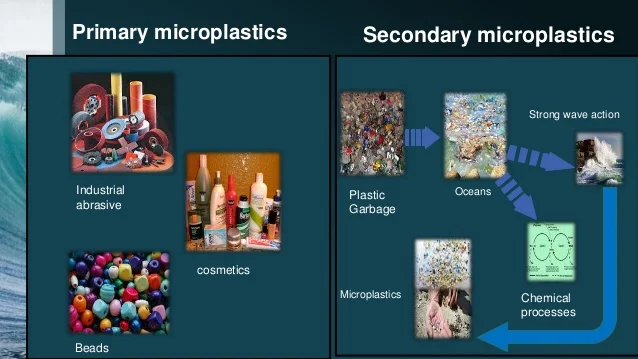
1. Primary Microplastics
Primary microplastics are tiny plastic particles that are intentionally made small for commercial use.
Examples include:
| Type | Use |
|---|---|
| Microbeads | Found in face wash, scrubs, and personal care products |
| Plastic Pellets | Used in plastic manufacturing |
| Microfibers | Shed from synthetic clothes like polyester |
These particles directly enter water bodies through washing or industrial waste.
2. Secondary Microplastics
Secondary microplastics are formed when larger plastic items break into smaller pieces.
Examples include:
| Plastic Item | Becomes |
| Plastic bottles | Tiny plastic fragments |
| Plastic bags | Microplastic particles |
| Food wrappers | Small broken plastic pieces |
Sunlight, ocean waves, and heat slowly break large plastics into microplastics.
Why are Microplastics Dangerous?
Microplastics create serious problems for the environment.
Marine Pollution
A huge amount of plastic enters oceans every year. According to the International Union for Conservation of Nature (IUCN), around 8 million tonnes of plastic waste enter oceans annually.
Plastic waste forms nearly 80% of marine debris, from surface water to deep sea sediments.
The United Nations Environment Programme (UNEP) has reported that microplastic concentration in oceans has increased greatly over the last few decades.
These particles are now found in:
- Oceans
- Rivers
- Beaches
- Deep sea
- Ice-covered regions
This shows how widespread the problem has become.
Impact on Marine Life
Microplastics seriously harm sea animals.
Many marine species mistake plastic particles for food.
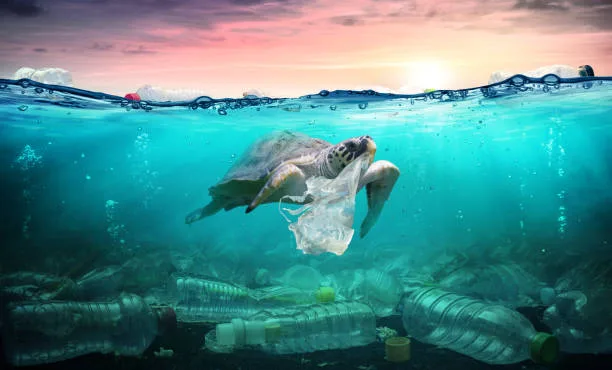
Affected animals include:
- Fish
- Crabs
- Prawns
- Turtles
- Whales
- Seabirds
When these animals consume plastic:
- Their digestive system gets blocked
- They feel full and stop eating real food
- Their growth becomes slow
- Many die due to starvation
Plastic waste also causes entanglement and suffocation. Sea animals often get trapped in plastic nets, ropes, and bags.
This is one of the most visible effects of plastic pollution.
Impact on Human Health
Microplastics are not only dangerous for animals they can also affect humans.
Humans consume seafood such as fish and prawns. If these animals contain microplastics, the plastic can enter the human body through food.
A study by World Wide Fund for Nature (WWF) estimated that an average person may consume around 5 grams of plastic per week, which is almost equal to the weight of a credit card.
Microplastics have also been found in:
- Drinking water
- Salt
- Honey
- Air
- Packaged food
Scientists are still studying their long-term impact, but possible health risks include:
- Hormonal imbalance
- Inflammation
- Organ damage
- Chemical toxicity
WHO’s View on Microplastics
The World Health Organization (WHO) says that the current level of microplastics in drinking water is not yet confirmed as highly dangerous.
However, WHO has also stated that more research is needed.
Large microplastic particles are less likely to enter human tissues. But very tiny particles, especially nano-plastics, may enter cells and cause health risks.
This is why scientists are concerned.
Global Efforts to Reduce Microplastics
Countries around the world are taking steps to fight plastic pollution.
Global Partnership on Marine Litter (GPML)
The Global Partnership on Marine Litter was launched in 2012 during the Earth Summit.
Its main goal is to reduce:
- Marine litter
- Wastewater pollution
- Plastic pollution
Many countries support this initiative.
G7 Summit
At the 2015 G7 Summit in Germany, world leaders recognized microplastics as a major global risk.
They discussed ways to reduce plastic pollution.
GloLitter Partnerships Project
This project was launched by:
- International Maritime Organization (IMO)
- Food and Agriculture Organization (FAO)
Its aim is to reduce plastic waste from:
- Shipping
- Fishing industries
More than 30 countries, including India, have joined this effort.
London Convention
The London Convention (1972) was created to stop marine pollution caused by waste dumping into the sea.
Later agreements such as:
- London Protocol (1996)
- MARPOL Convention
also strengthened pollution control.
World Environment Day 2018
World Environment Day 2018 was hosted in India.
The global theme was “Beat Plastic Pollution.”
This campaign encouraged countries to reduce plastic use.
Plastic Pacts
Plastic Pacts are business-led partnerships created to improve plastic packaging systems.
Their goals include:
- Reusing plastic
- Recycling plastic
- Reducing waste
- Supporting eco-friendly packaging
The first Plastic Pact began in the United Kingdom in 2018.
India’s Efforts to Control Plastic Pollution
India has launched many steps to reduce plastic waste.
Elimination of Single-Use Plastic
In 2019, the Indian Prime Minister announced the goal to eliminate single-use plastic.
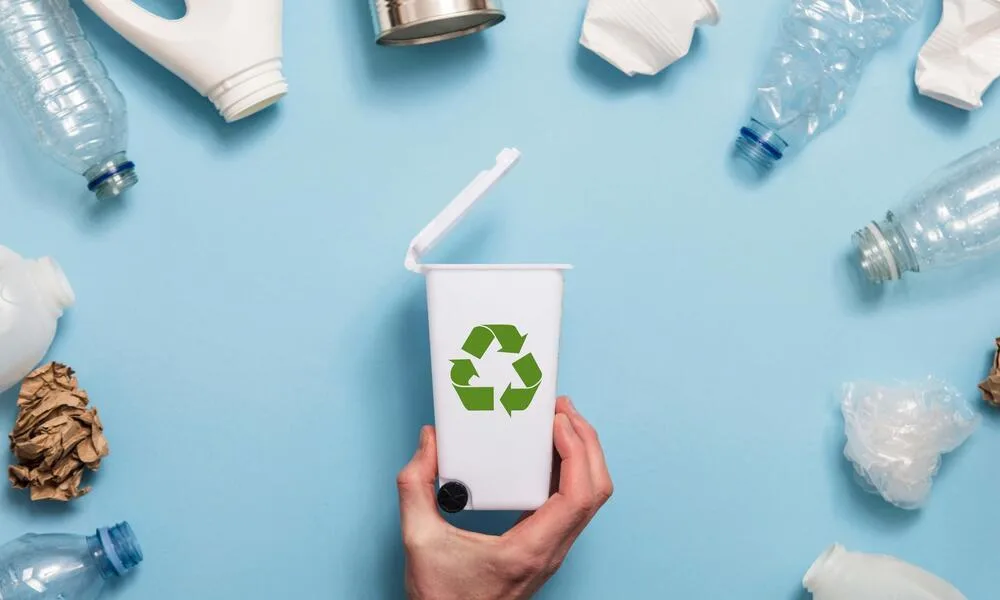
Single-use plastics include:
- Plastic straws
- Cups
- Spoons
- Bags
- Wrappers
These items are used once and thrown away.
Plastic Waste Management Rules, 2016
These rules made local authorities responsible for:
| Responsibility | Work |
| Collection | Collect plastic waste |
| Segregation | Separate waste properly |
| Processing | Recycle and treat waste |
| Disposal | Safe disposal |
This helps improve waste management.
Extended Producer Responsibility (EPR)
Extended Producer Responsibility (EPR) means producers are responsible for managing plastic waste after consumers use their products.
Under EPR, companies may need to:
- Collect used plastic
- Recycle waste
- Pay for waste management
This policy encourages better product design and less waste.
Un-Plastic Collective
The Un-Plastic Collective (UPC) is a voluntary initiative by:
- UNEP India
- Confederation of Indian Industry
- WWF India
Its goal is to reduce plastic’s harmful impact on nature and society.
Major Challenges
Even with many rules, several problems remain.
Lack of Research
Microplastics are difficult to study because they are extremely small.
Scientists need advanced tools such as:
- Spectrophotometers
- Microscopes
- Chemical analysis machines
There is limited research on their effect in areas like:
- Mangroves
- Coral reefs
- Kelp forests
Found Even in Remote Areas
Microplastics are now found in surprising places:
- Mount Everest
- Arctic snow
- Iceland glaciers
- Mariana Trench
- Pyrenees Mountains
This proves plastic pollution has spread worldwide.
Poor Implementation of Rules
Rules exist, but implementation is weak in many cities.
Common problems include:
- Poor waste segregation
- Low recycling rates
- Continued use of single-use plastic
- Weak monitoring
Without strict action, policies remain ineffective.
Plastic Does Not Fully Degrade
Current plastic breakdown methods are not enough.
Two common methods are:
| Method | Problem |
| Photodegradation | Breaks plastic into smaller pieces only |
| Biological degradation | Often incomplete |
This means plastic becomes microplastic instead of disappearing.
Way Forward
Strong action is needed to reduce microplastic pollution.
Better Waste Management
Programs like Swachh Bharat should focus on:
- Less waste generation
- Proper segregation
- Recycling
- Safe disposal
Cleanliness means managing waste properly, not just hiding it.
Public Awareness
People must understand the dangers of microplastics.
Awareness can be spread through:
- Schools
- Social media
- TV campaigns
- Community programs
When people know the risks, they make better choices.
Better Degradation Technology
Scientists are working on combining:
- Sunlight-based degradation
- Microbial degradation
This may help completely break down plastics.
International Cooperation
Plastic pollution is a global problem.
Countries need a strong international treaty similar to:
- Montreal Protocol
- Paris Agreement
Global cooperation is essential for lasting solutions.
Government Action
Governments should:
- Ban harmful plastics
- Improve recycling
- Support eco-friendly products
- Enforce rules strictly
Strong policies can reduce pollution.
Individual Responsibility
Every person can help.
Simple actions include:
- Carry reusable bags
- Avoid bottled water
- Use steel or glass containers
- Say no to disposable plastic
- Choose minimal packaging
Small steps by millions of people can create big change.
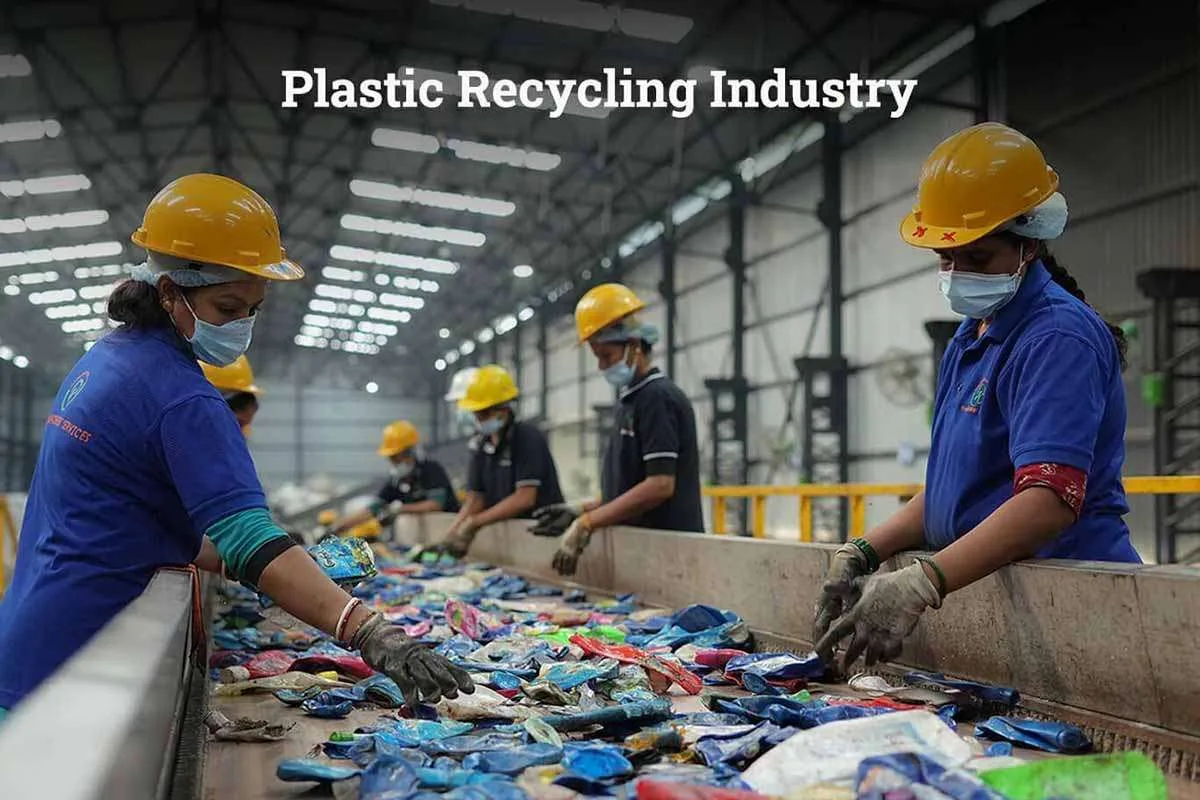
Support Recycling Industry
Governments can help recycling projects through:
- Tax benefits
- Research funding
- Public-private partnerships
- Technology support
Plastic waste can become a valuable resource if managed properly.
Final Thoughts
Microplastics may be tiny, but their impact is huge. They threaten oceans, wildlife, and human health. Reducing plastic use, improving recycling, and spreading awareness are essential. Governments, industries, and citizens must work together to fight this growing environmental challenge.
FAQs
1. What are microplastics?
Microplastics are tiny plastic particles smaller than 5 mm.
2. How are microplastics formed?
They form when large plastic items break down due to sunlight, heat, and water.
3. Why are microplastics harmful?
They harm marine life, pollute water, and may affect human health.
4. Can humans consume microplastics?
Yes, through seafood, drinking water, and packaged food.
5. How can we reduce microplastics?
By reducing plastic use, recycling properly, and avoiding single-use plastics.