Jainism: History, Principles, and Teachings Explained

Jainism is one of the oldest religions in the world. It teaches a simple and peaceful way of life based on non-violence, truth, and self-control. The main aim of Jainism is to achieve spiritual purity and freedom from the cycle of birth and death. It guides people to live a life that does not harm any living being and helps them move toward liberation, also called Moksha.
Thank you for reading this post, don't forget to subscribe!Introduction to Jainism
Jainism is an ancient Indian religion that focuses on self-discipline and moral living. It teaches that every living being has a soul, and all souls are equal. Therefore, harming any living being is considered wrong.
The religion encourages people to live a simple life, avoid violence, speak the truth, and control their desires. The ultimate goal is to free the soul from karma and achieve Moksha, which is a state of complete peace and happiness.
Origin of Jainism
Jainism became popular in the 6th century B.C., although its roots are much older. It was strongly promoted by Lord Mahavira, who is considered the 24th and last Tirthankara of Jainism.
Who are Tirthankaras?
Tirthankaras are spiritual teachers who have achieved complete knowledge and enlightenment. They show others the path to liberation.
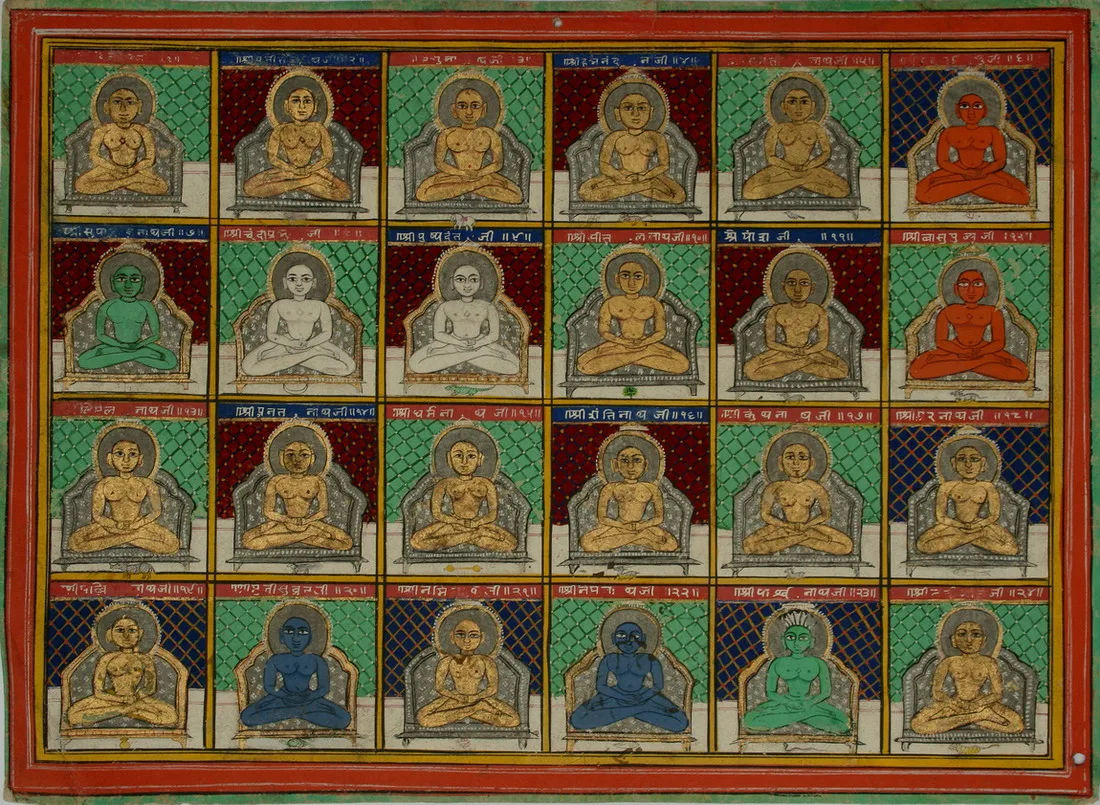
- There are 24 Tirthankaras in Jainism
- The first Tirthankara was Rishabnatha
- The last Tirthankara was Lord Mahavira
The word “Jain” comes from the word “Jina”, which means “conqueror.” A Jina is someone who has conquered all desires and emotions.
Life of Vardhamana Mahavira
Vardhamana Mahavira played a very important role in spreading Jainism.
- He was born in 540 B.C. in Kundagrama, near Vaishali
- He belonged to a royal family
- His father was Siddhartha, and his mother was Trishala
- At the age of 30, he left his home and became a monk
Mahavira practiced strict penance and meditation for 12 years. At the age of 42, he achieved Kaivalya (perfect knowledge).
After that, he spent his life teaching people about truth, non-violence, and self-control. He traveled to places like Magadha, Mithila, and Kosala.
He gave his first sermon at Pava and passed away at the age of 72 in 468 B.C. at Pavapuri (Bihar).
Causes for the Rise of Jainism
Jainism rose during a time when society was facing many problems. Some of the main reasons were:
- Rigid Rituals in Hinduism
Religious practices had become complicated and difficult for common people. - Dominance of Brahmins
The Brahmins had more power, and other classes felt ignored. - Varna System
Society was divided into classes based on birth, which created inequality. - Reaction of Kshatriyas
Many Kshatriyas opposed Brahmin dominance and supported new ideas. - Economic Changes
The use of iron tools increased agriculture and trade, leading to new social changes.
Main Teachings of Jainism
Jainism focuses on achieving liberation without depending on rituals. It teaches that a person can reach Moksha through right thinking and actions.
Three Jewels (Triratna)
To achieve liberation, Jainism teaches three important principles:
- Right Faith (Samyak Darshana) – Believing in the truth
- Right Knowledge (Samyak Jnana) – Understanding reality correctly
- Right Conduct (Samyak Charitra) – Living a moral life
Five Main Vows of Jainism
Jainism teaches five important vows that every follower should practice:
- Ahimsa (Non-violence) – Do not harm any living being
- Satya (Truth) – Always speak the truth
- Asteya (Non-stealing) – Do not take anything that is not yours
- Aparigraha (Non-possession) – Do not be greedy or collect too many things
- Brahmacharya (Celibacy) – Control desires
These vows help a person live a pure and disciplined life.
Concept of God in Jainism
Jainism has a unique belief about God.
- It does not believe in a creator God
- The universe has always existed and works according to natural laws
- No one created or controls the universe
However, Jainism believes that a person can become a perfect being (God) by removing all karma.
Such a soul has:
- Infinite knowledge
- Infinite power
- Infinite happiness
There are many such liberated souls, and their number keeps increasing.
Anekantavada (Theory of Multiple Views)
Anekantavada means that truth can have many sides. It teaches that:
- No single viewpoint is completely correct
- Everything has many aspects
- We should respect different opinions
This idea promotes tolerance and understanding in society.
Syadvada (Theory of Conditional Statements)
Syadvada means “maybe” or “from a certain point of view.”
It teaches that:
- Every statement is true only under certain conditions
- Different perspectives can exist at the same time
This helps people think carefully and avoid making absolute judgments.
Difference Between Anekantavada and Syadvada
- Anekantavada explains that truth has many sides
- Syadvada explains how to express those different sides properly
Both together help in understanding reality better.
Sects of Jainism
Jainism is divided into two main sects:
1. Digambara
- Monks do not wear clothes
- Follow strict rules
- Believe women cannot achieve liberation directly
- Important leader: Bhadrabahu
2. Svetambara
- Monks wear white clothes
- Follow slightly relaxed rules
- Believe women can achieve liberation
- Important leader: Sthulabhadra
This division happened due to a famine in Magadha that caused differences in practices.
Spread of Jainism
Jainism spread to different parts of India due to several reasons:
- Mahavira allowed both men and women to join the religion
- It was simple and easy to follow
- It spread in regions where Brahmin influence was less
Important Supporters:
- Chandragupta Maurya became a Jain monk later in life
- Kharavela of Kalinga supported Jainism in Odisha
The famine in Magadha also forced many Jains to move to South India, helping its spread there.
Jain Literature
Jain literature is divided into two parts:
1. Agam Literature
These are the sacred texts based on Mahavira’s teachings.
- Written in Prakrit language
- Compiled by his disciples (Ganadharas)
- Divided into:
- Ang Agams – Direct teachings
- Ang Bahya Agams – Expanded texts
2. Non-Agam Literature
- Written by monks and scholars
- Includes explanations and independent works
- Written in languages like Sanskrit, Hindi, Tamil, Kannada, etc.
Jain Architecture
Jain architecture is influenced by Hindu and Buddhist styles.
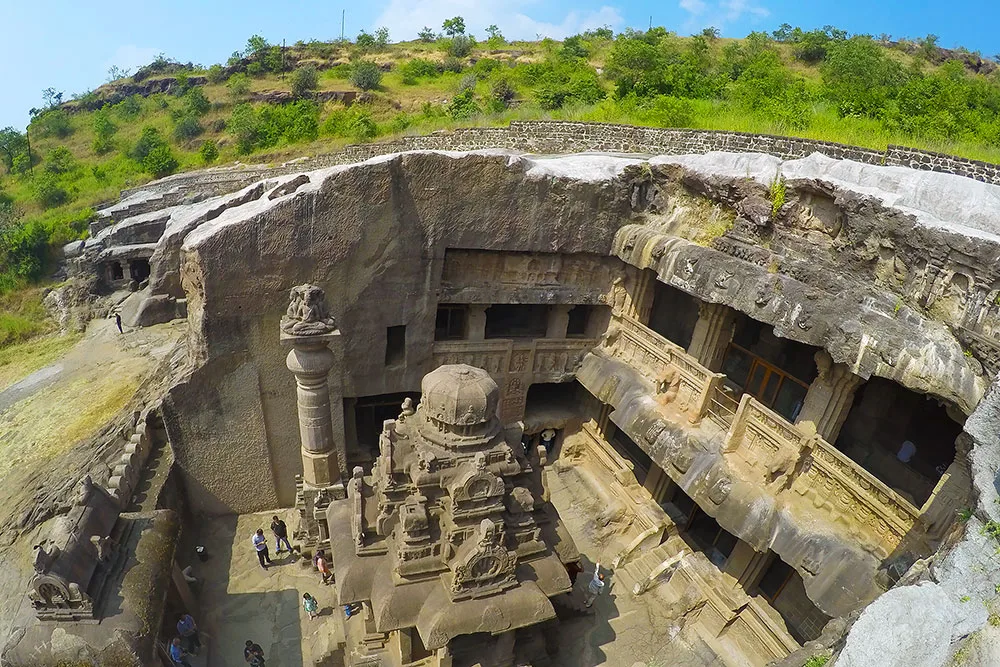
Types of Jain Architecture
- Caves
- Ellora Caves (Maharashtra)
- Udayagiri-Khandagiri (Odisha)
- Sittanavasal (Tamil Nadu)
- Statues
- Bahubali Statue at Shravanabelagola
- Statue of Ahimsa in Maharashtra
- Temples
Important Terms
- Manastambha – Pillar in front of temples
- Basadis – Jain temples in Karnataka
Jain Councils
Two important councils helped preserve Jain teachings:
- First Council
- Held at Patliputra
- Led by Sthulabhadra
- Second Council
- Held at Vallabhi (512 A.D.)
- Led by Devardhi Kshmasramana
- Final compilation of Jain texts
Difference Between Jainism and Buddhism
| Jainism | Buddhism |
|---|---|
| Believes in soul | Does not believe in soul |
| Accepts existence of God-like beings | Does not focus on God |
| Supports strict discipline | Follows middle path |
| Accepts Varna system | Opposes Varna system |
Relevance of Jainism in Today’s World
Jainism is very important even today. Its teachings can help solve modern problems.
1. Importance of Ahimsa
Non-violence can reduce conflicts, wars, and terrorism. It promotes peace in society.
2. Importance of Aparigraha
Limiting desires can reduce greed and help protect the environment.
3. Environmental Protection
Jainism teaches simple living, which can help reduce pollution and global warming.
4. Tolerance and Respect
Anekantavada teaches us to respect different opinions, which is very important in a diverse society.
Conclusion
Jainism is a religion of peace, discipline, and moral values. It teaches people to live a simple and honest life without harming others. Its focus on non-violence, truth, and self-control makes it relevant even in today’s modern world.
The teachings of Mahavira continue to guide people toward a better and more peaceful life. By following the principles of Jainism, we can create a society based on harmony, respect, and understanding.
FAQs on Jainism
1. What is Jainism?
Jainism is an ancient Indian religion that teaches non-violence, truth, and self-discipline to achieve liberation (Moksha).
2. Who founded Jainism?
Jainism was not founded by one person, but it was spread widely by Lord Mahavira, the 24th Tirthankara.
3. What are the main teachings of Jainism?
The main teachings are the Three Jewels (Right Faith, Right Knowledge, Right Conduct) and the Five Vows like Ahimsa and Satya.
4. What is Ahimsa in Jainism?
Ahimsa means non-violence, or not harming any living being.
5. How many Tirthankaras are there in Jainism?
There are 24 Tirthankaras in Jainism.
6. What is the goal of Jainism?
The goal is to achieve Moksha, which means freedom from the cycle of birth and death.
7. What are the two main sects of Jainism?
The two main sects are Digambara and Svetambara.
8. Does Jainism believe in God?
Jainism does not believe in a creator God but believes that any soul can become a perfect being.