


Ice Hockey: The Ultimate Battle on Ice

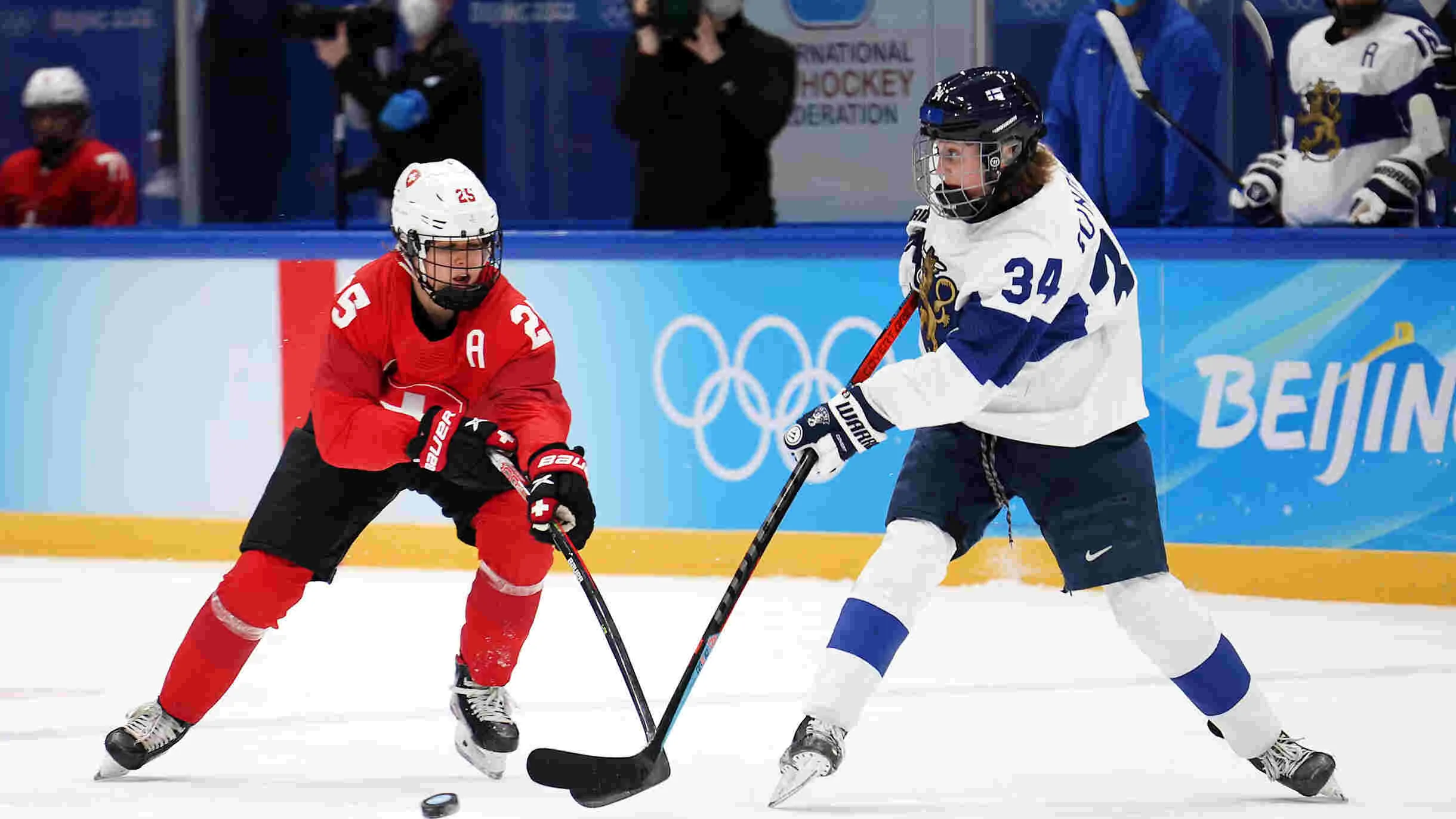
Ice Hockey is one of the fastest and most exciting sports in the world. It is played on a large ice rink where players skate at high speed and try to score goals using a stick and a small rubber puck. The game is known for its speed, teamwork, skill, and physical strength. Millions of people watch and play ice hockey in countries like Canada, the United States, Russia, Sweden, and Finland.
Thank you for reading this post, don't forget to subscribe!Ice hockey is not only entertaining but also teaches discipline, teamwork, fitness, and quick decision-making. The sport is played professionally, at school and college levels, and in international competitions. Over the years, ice hockey has become popular in many parts of the world, including India’s cold mountain regions.
History of Ice Hockey
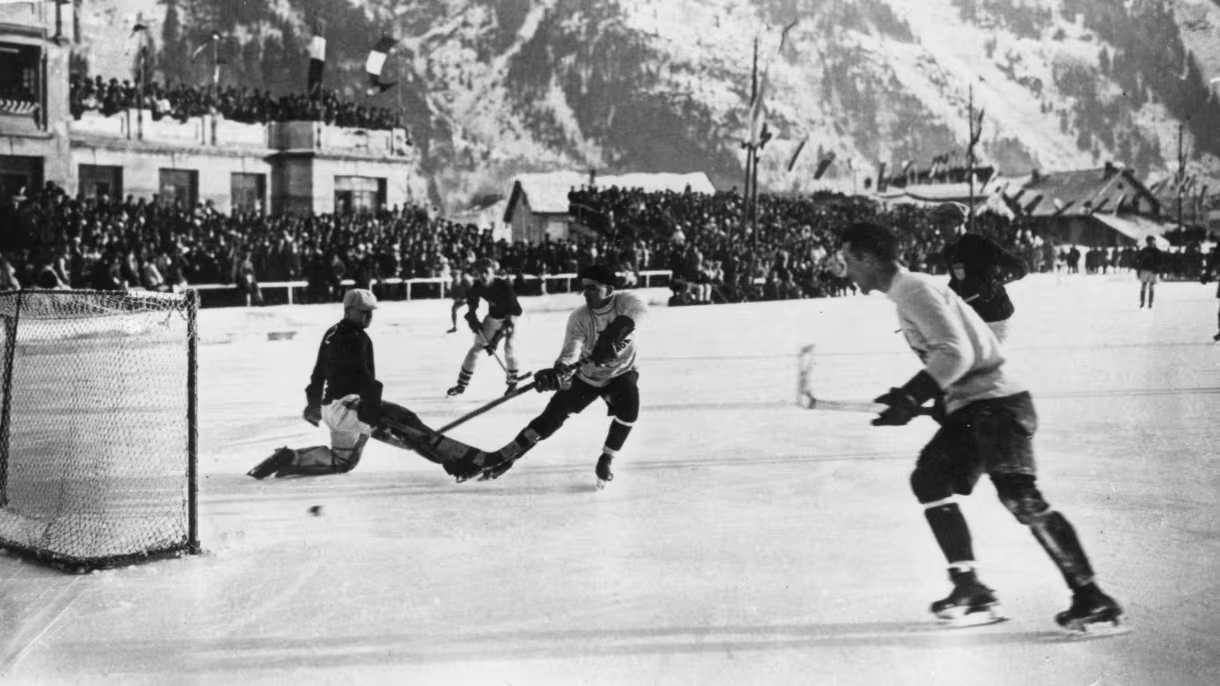
The modern form of ice hockey developed in Canada during the 19th century. However, games similar to hockey were played in Europe many years earlier. People used sticks and balls on frozen lakes and rivers during winter.
Early Development
- Ice hockey became organized in the 1800s in Canada.
- The first indoor hockey game was played in Montreal, Canada, in 1875.
- The first official rules were created soon after.
- In 1893, the famous Stanley Cup trophy was introduced.
Growth of the Sport
- Ice hockey quickly spread to the United States and Europe.
- Professional leagues were formed in the early 20th century.
- The National Hockey League (NHL) was established in 1917 and became the world’s top ice hockey league.
International Expansion
- Ice hockey became part of the Winter Olympics in 1920.
- Women’s ice hockey was added to the Olympics in 1998.
- Today, the sport is played in many countries across Europe, Asia, and North America.
Number of Players
Ice hockey is a team sport.
Players on the Ice
Each team has:
Total Team Members
- A full team usually has 20 to 23 players including substitutes.
- Players change frequently during the game because the sport requires high energy.
Roles of Players
Goalkeeper
- Protects the goal area.
- Stops the puck from entering the net.
Defensemen
- Prevent attacks from the opposing team.
- Support the goalkeeper.
Forwards
- Main attacking players.
- Try to score goals.
Players Eligibility
To play organized ice hockey, players must follow certain rules.
Basic Eligibility
- Players should be physically fit.
- They must know skating basics.
- Proper safety equipment is compulsory.
Age Categories
Ice hockey competitions are divided into:
- Under-10
- Under-14
- Under-18
- Junior
- Senior
Professional Eligibility
Professional players usually:
- Train for many years.
- Pass fitness tests.
- Join clubs or academies.
- Follow league rules and anti-doping regulations.
Required Equipment
Ice hockey is a high-speed and physical sport, so protective equipment is very important.
Ice Skates
Special skates with sharp blades help players move quickly on ice.
Hockey Stick
Used to control and hit the puck.
Puck
A hard rubber disc used instead of a ball.
Helmet
Protects the head from injuries.
Mouth Guard
Protects teeth and jaw.
Shoulder Pads
Protect the shoulders and chest.
Elbow Pads
Protect elbows during falls or collisions.
Gloves
Protect hands and improve grip.
Shin Guards
Protect the legs from sticks and puck impacts.
Hockey Pants
Provide protection to hips and thighs.
Goalkeeper Equipment
Goalkeepers wear:
- Large pads
- Chest protectors
- Special gloves
- Face masks
Dress Code in Ice Hockey
Players wear special uniforms designed for comfort and safety.
Standard Dress Code
- Team jersey
- Hockey socks
- Protective pads
- Ice skates
- Gloves
- Helmet with face protection
Team Identification
- Jerseys include player numbers and team logos.
- Goalkeepers usually wear different colored equipment.
Safety Rules
- Helmets are compulsory.
- Many youth leagues require full face protection.
Duration of the Game
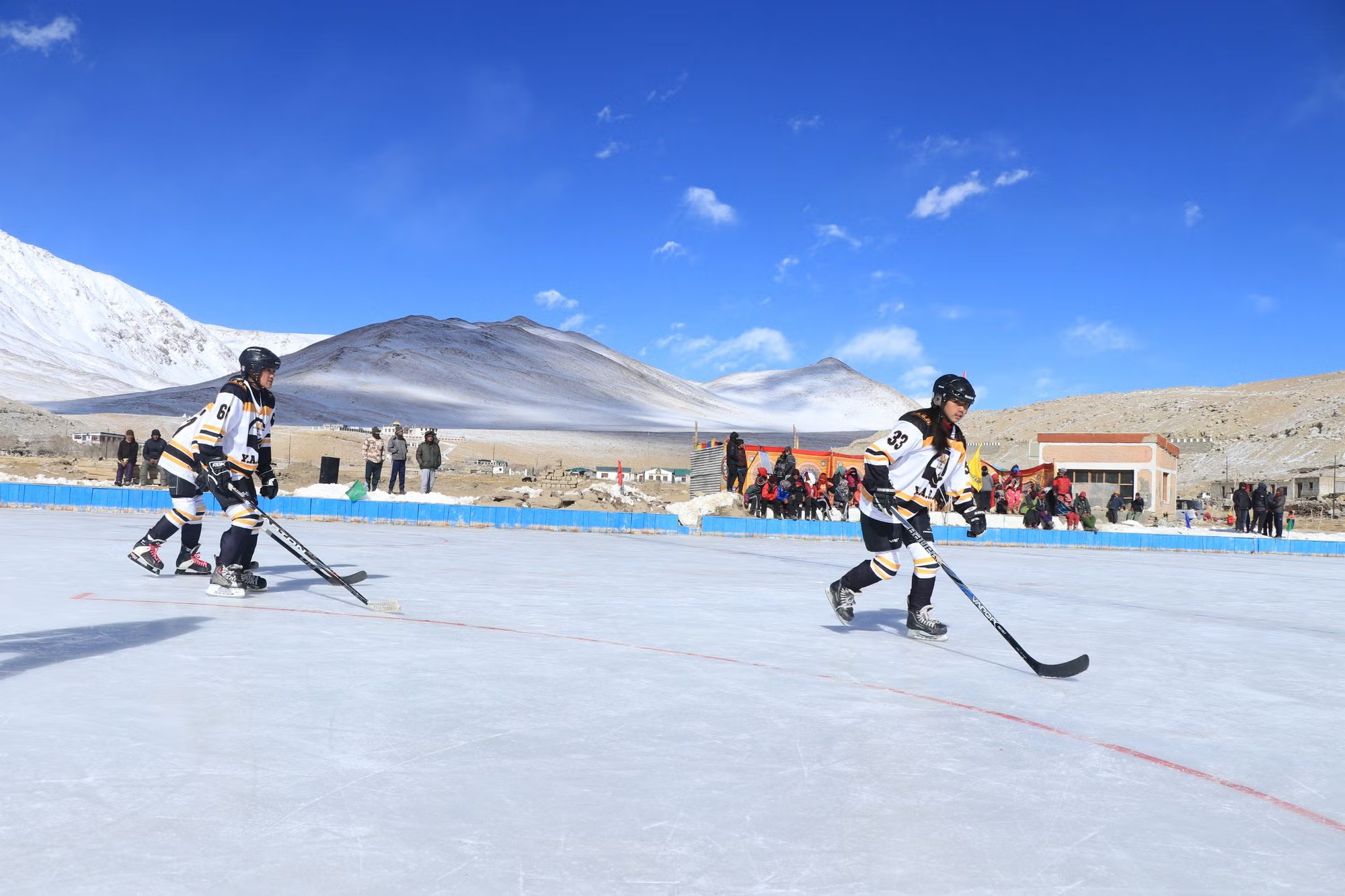
Ice hockey matches are divided into periods.
Match Structure
- 3 periods
- Each period lasts 20 minutes
Break Time
- 15 to 18 minutes break between periods.
Total Time
- Total playing time is 60 minutes.
- Actual event time may be longer due to breaks and stoppages.
Overtime
If scores are equal:
- Overtime may be played.
- Shootouts may decide the winner in some competitions.
Basic Rules
Ice hockey has many rules, but the basic ones are easy to understand.
Objective
The main goal is to score more goals than the opponent.
Important Rules
Offside Rule
An attacking player cannot enter the attacking zone before the puck.
Icing
A team cannot shoot the puck from behind the center line all the way past the opponent’s goal line without contact.
Body Checking
Players can use their bodies to stop opponents, but dangerous hits are not allowed.
Penalties
Players receive penalties for:
- Tripping
- Holding
- High sticking
- Fighting
- Slashing
Power Play
When one team has a player in the penalty box, the other team gets a player advantage.
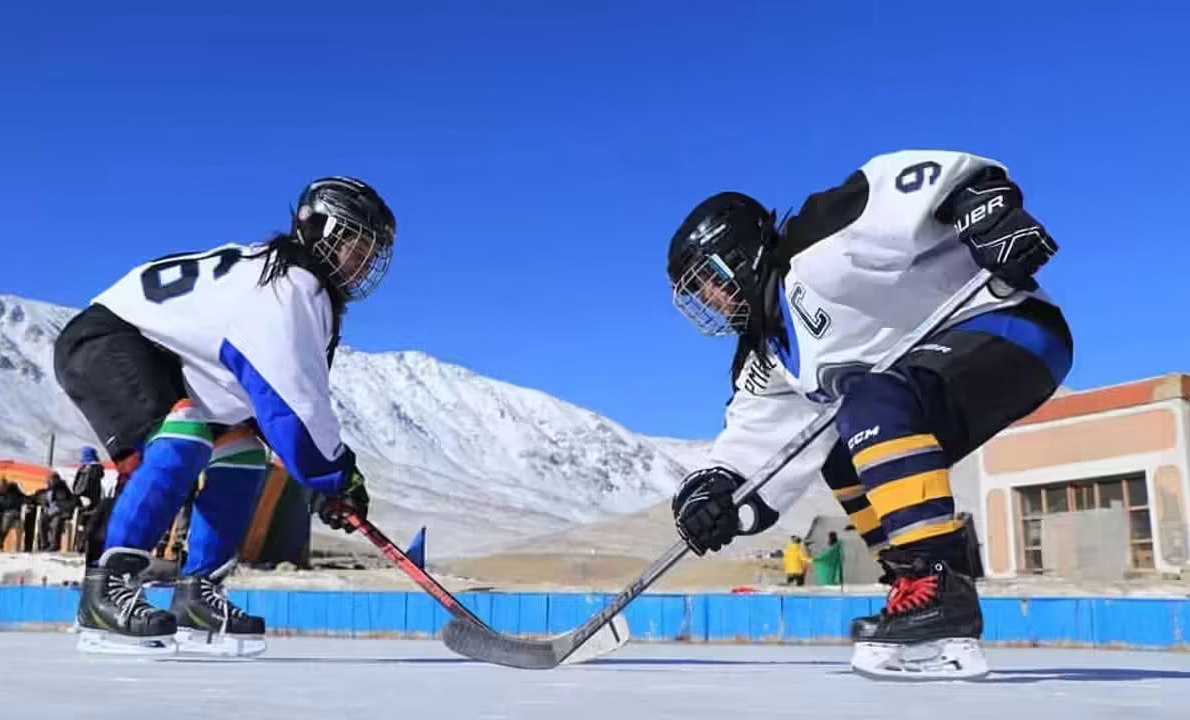
Faceoff
The game starts and restarts with a faceoff where the referee drops the puck.
Important Techniques
Ice hockey requires many technical skills.
Skating
The most important skill.
Players must:
- Skate forward
- Skate backward
- Turn quickly
- Stop suddenly
Stickhandling
Controlling the puck using the hockey stick.
Passing
Players pass the puck accurately to teammates.
Shooting
Different types include:
- Wrist shot
- Slap shot
- Snap shot
- Backhand shot
Checking
Using the body or stick to stop opponents legally.
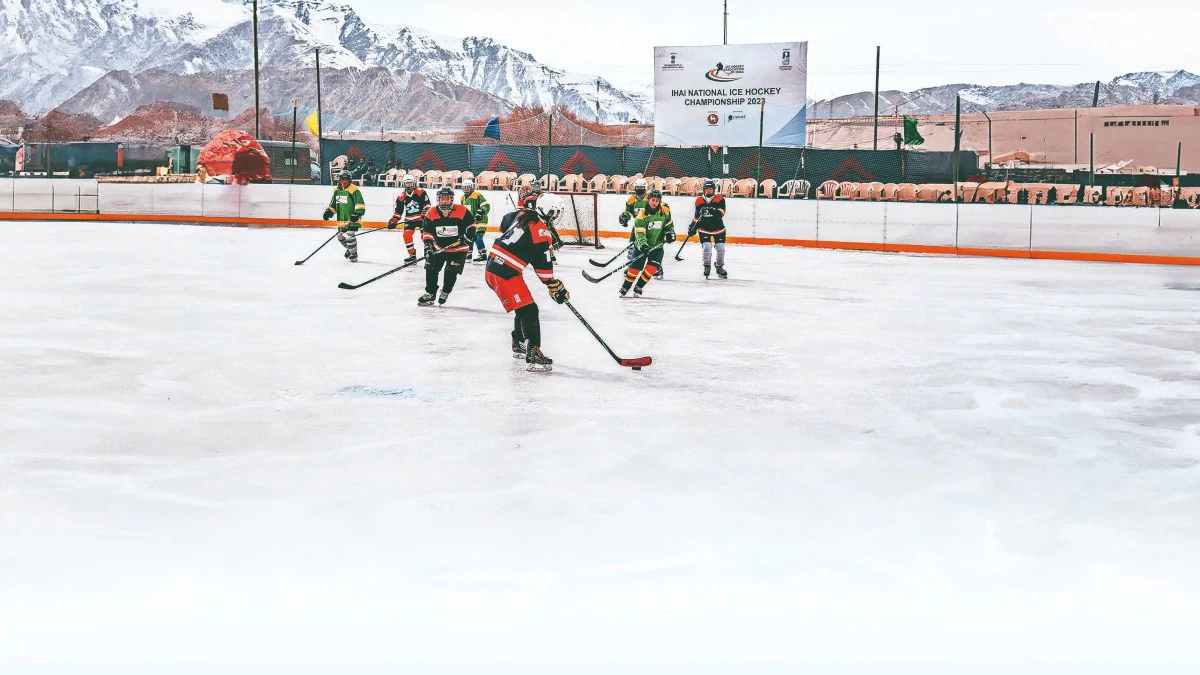
Goalkeeping Skills
Goalkeepers need:
- Fast reflexes
- Balance
- Strong concentration
Successful Male Ice Hockey Players
- Wayne Gretzky
- Mario Lemieux
- Sidney Crosby
- Alexander Ovechkin
- Connor McDavid
Successful Female Ice Hockey Players
- Hilary Knight
- Hayley Wickenheiser
- Marie-Philip Poulin
- Kendall Coyne Schofield
Major International Competitions
- Winter Olympics
- IIHF World Championship
- Stanley Cup
- World Junior Championship
- Women’s World Championship
Benefits of Playing Ice Hockey
Ice hockey provides many physical and mental benefits.
Physical Benefits
Improves Fitness
Players develop:
- Strength
- Speed
- Balance
- Endurance
Better Coordination
Skating and puck control improve body coordination.
Strong Muscles
The sport builds leg, core, and upper body strength.
Mental Benefits
Teamwork
Players learn cooperation and communication.
Discipline
Regular practice develops discipline.
Quick Thinking
Players must make fast decisions during the game.
Confidence
Winning matches and improving skills increase self-confidence.
Challenges in Ice Hockey
Although exciting, ice hockey also faces challenges.
Expensive Equipment
Protective gear and skates are costly.
Need for Ice Rinks
The sport requires ice surfaces, which are expensive to maintain.
Injury Risk
Fast speed and physical contact can cause injuries.
Climate Issues
Warm countries find it difficult to maintain ice rinks.
Limited Popularity in Some Countries
Many countries focus more on sports like football or cricket.
India’s Role in Ice Hockey
India is not traditionally known for ice hockey, but the sport is slowly growing.
Regions Where Ice Hockey Is Played
Ice hockey is mainly played in:
These regions have cold winters and frozen lakes.
Ice Hockey Association of India
The sport in India is managed by the Ice Hockey Association of India (IHAI).
National Championships
India organizes:
- National Ice Hockey Championships
- Women’s tournaments
- Youth competitions
International Participation
Indian teams have participated in:
- Asian tournaments
- International Ice Hockey Federation events
Women’s Ice Hockey in India
Women’s teams from Ladakh have gained attention for promoting the sport.
Challenges for India
- Lack of ice rinks
- Limited funding
- Low public awareness
- Few professional coaches
Positive Developments
- Growing youth interest
- Government and military support in mountain regions
- International training opportunities
Future of Ice Hockey
The future of ice hockey looks promising in many parts of the world.
Technology in Training
Modern technology helps players improve:
- Speed
- Fitness
- Performance analysis
Growth of Women’s Hockey
Women’s participation is increasing rapidly.
Expansion to New Countries
Countries in Asia and the Middle East are building new ice rinks.
Better Safety Equipment
Advanced helmets and pads are reducing injuries.
Youth Development Programs
Many countries are investing in junior training academies.
Conclusion
Ice hockey is an exciting and skillful sport that combines speed, strength, teamwork, and strategy. From its beginnings in Canada to becoming a major Olympic sport, ice hockey has inspired millions of fans around the world. The game teaches discipline, confidence, leadership, and physical fitness.
Although the sport faces challenges such as expensive equipment and limited ice facilities, its popularity continues to grow globally. Women’s hockey is expanding rapidly, and new countries are developing interest in winter sports.
Ice hockey is more than just a game played on ice. It is a sport that builds character, unity, and determination while giving players and fans thrilling moments of action and excitement.
FAQs About Ice Hockey
1. What is ice hockey?
Ice hockey is a fast team sport played on ice where players use sticks to hit a puck into the opponent’s goal.
2. How many players are in an ice hockey team?
Each team has 6 players on the ice at one time, including 1 goalkeeper and 5 field players.
3. What equipment is needed for ice hockey?
Players need ice skates, a hockey stick, helmet, gloves, pads, jersey, and other protective equipment.
4. How long does an ice hockey match last?
An ice hockey game has 3 periods of 20 minutes each, making a total playing time of 60 minutes.
5. Which country invented ice hockey?
Modern ice hockey was developed in Canada during the 19th century.
6. What is the role of a goalkeeper in ice hockey?
The goalkeeper, also called a goalie, protects the net and stops the puck from entering the goal.
7. What are the basic rules of ice hockey?
Players must score goals without breaking rules like offside, icing, tripping, or high sticking.
8. Is ice hockey an Olympic sport?
Yes, ice hockey is one of the major sports in the Winter Olympics.
9. Who is the greatest ice hockey player of all time?
Many people consider Wayne Gretzky the greatest ice hockey player ever.
10. Is ice hockey played in India?
Yes, ice hockey is played in regions like Ladakh, Himachal Pradesh, and Jammu and Kashmir.