


Gymnastics: Balance and Brilliance

Gymnastics is a group of sports that includes physical exercises requiring balance, strength, flexibility, agility, coordination, artistry, and endurance. It is one of the oldest and most complete forms of physical activity because it trains the whole body. Through regular practice, gymnastics helps in developing muscles in the arms, legs, shoulders, chest, back, and abdomen. It also improves posture, body control, and confidence.
Thank you for reading this post, don't forget to subscribe!Gymnastics is not only a sport but also an art. It combines powerful movements with grace and beauty. When gymnasts perform routines, they show strength along with rhythm and style, making it enjoyable to watch. People of all ages can participate in gymnastics, from young children just starting to learn basic movements to professional athletes competing at international levels.
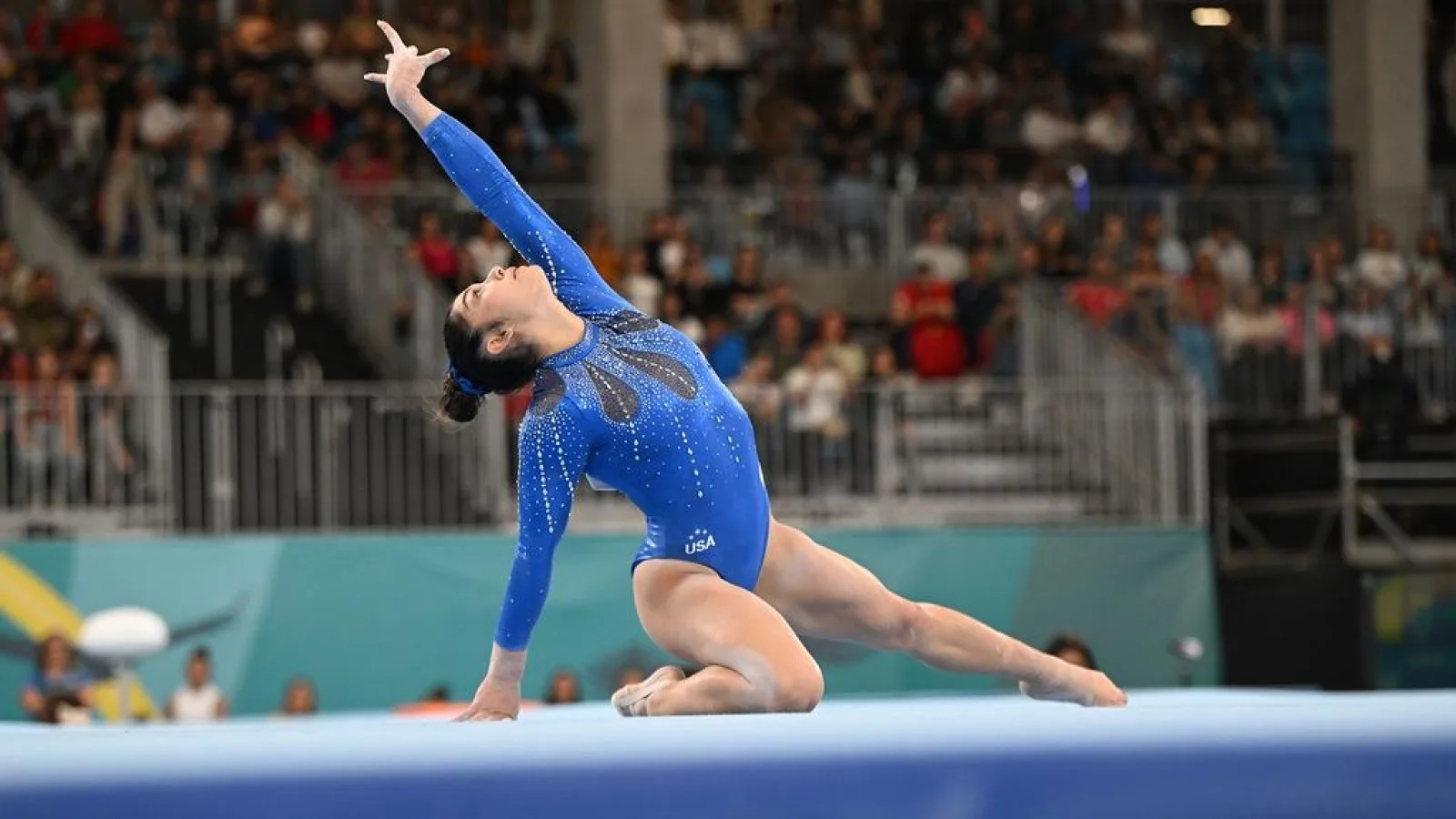
There are many types of gymnastics, but the most popular one is artistic gymnastics. In this form, men and women perform different events such as floor exercise, vault, bars, and beam. Gymnastics is governed worldwide by the Fédération Internationale de Gymnastique (FIG), which sets rules and organizes international competitions.
History of Gymnastics
Gymnastics has a very long and interesting history that goes back thousands of years. It started in Ancient Greece, where physical fitness was considered very important. In cities like Sparta and Athens, young people were trained in physical exercises to stay strong and healthy. These exercises later developed into what we now call gymnastics.
The word “gymnastics” comes from the Greek word “gymnos,” which means “naked,” because athletes in ancient times trained without clothing. These exercises were not only for fitness but also for preparing soldiers for war.
After the Romans conquered Greece, gymnastics became more organized and was mainly used for military training. Later, during the modern period, gymnastics started developing into a proper sport. A German teacher named Friedrich Ludwig Jahn played a major role in this development. He is known as the “Father of Gymnastics” because he introduced many important pieces of equipment like parallel bars, rings, and the horizontal bar.
Gymnastics became part of the first modern Olympic Games in 1896. Since then, it has become a global sport with millions of participants and fans around the world.
Types of Gymnastics
Gymnastics is not just one sport; it includes several different types, each with its own style and rules.
Artistic Gymnastics
This is the most popular type of gymnastics. It is divided into men’s and women’s events.
- Women compete in vault, uneven bars, balance beam, and floor exercise.
- Men compete in floor, pommel horse, rings, vault, parallel bars, and horizontal bar.
Rhythmic Gymnastics
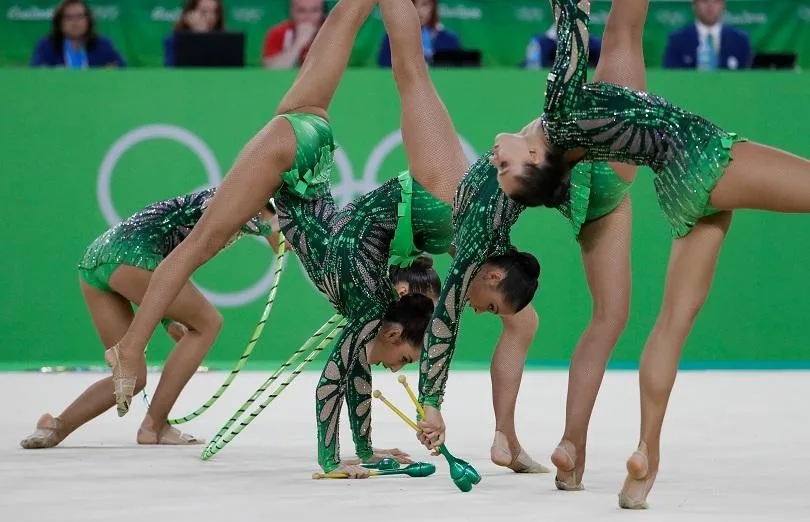
This type is mainly for women. It combines gymnastics with dance and music. Gymnasts use equipment like ribbons, balls, hoops, and clubs while performing.
Trampoline Gymnastics
In this type, gymnasts perform jumps, flips, and twists on a trampoline. It requires excellent timing and control.
Acrobatic Gymnastics
This is a group sport where gymnasts work together in pairs or teams to perform lifts, balances, and throws.
Aerobic Gymnastics
This focuses on continuous movement and fitness. It includes dance-like routines with strength and flexibility.
Parkour Gymnastics
This is a modern form where athletes move quickly through obstacles using jumps, flips, and climbing techniques.
Number of Players
Gymnastics is mainly an individual sport, but it can also include team competitions.
- Individual events involve one gymnast performing alone.
- Team events usually include 4 to 6 players.
- In rhythmic gymnastics group events, 5 players perform together.
Equipment Used in Gymnastics
Different types of gymnastics use different equipment. Some of the main equipment includes:
- Vaulting table
- Uneven bars and parallel bars
- Balance beam
- Pommel horse
- Still rings
- Horizontal bar
- Trampoline
- Floor mat (spring floor)
- Rhythmic equipment such as ribbon, ball, hoop, and clubs
Gymnasts also use chalk to keep their hands dry and grips to protect their hands while holding equipment.
Player Eligibility
To take part in gymnastics, athletes must meet certain conditions:
- They must be physically fit and flexible.
- Training usually begins at a young age, around 5 to 8 years.
- Competitions are divided into age groups:
- Junior (under 16 years)
- Senior (16 years and above)
- Athletes must follow rules set by the FIG.
Dress Code in Gymnastics
Gymnasts wear special clothing that allows them to move freely and safely.
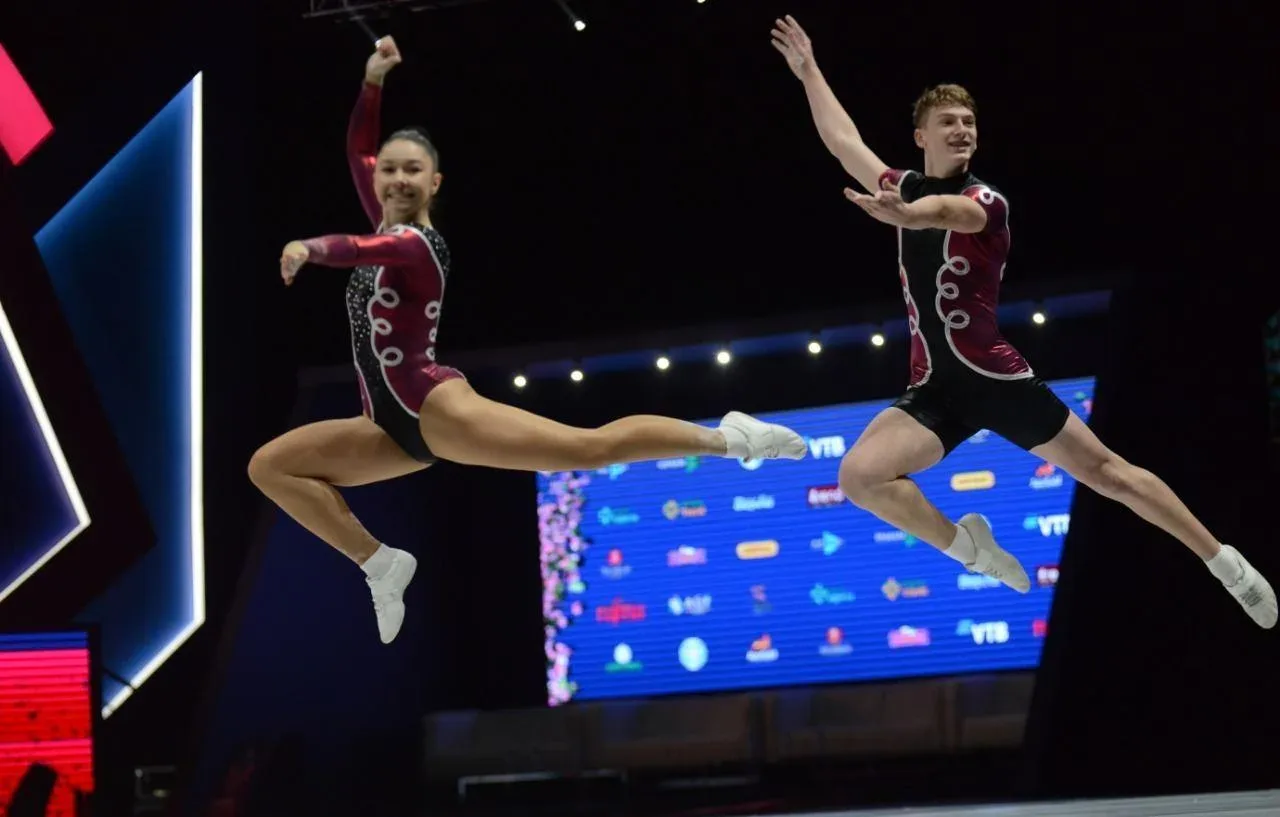
- Women wear a leotard, which is a tight-fitting outfit.
- Men wear shorts or long pants with a fitted top.
- Loose clothes are not allowed as they can cause accidents.
- Gymnasts usually perform barefoot or wear special shoes.
- Hair must be tied properly to avoid distraction.
Routines of the Game
Gymnastics does not have a fixed time like other sports.
- Each routine lasts between 30 to 90 seconds.
- Women’s floor routines last up to 90 seconds and include music.
- Men’s floor routines last around 60–70 seconds without music.
- Competitions can last several hours or even days depending on the number of events.
Basic Rules of Gymnastics
Gymnastics follows strict rules to ensure fairness and safety.
- Gymnasts perform routines on specific equipment.
- Judges give scores based on difficulty and execution.
- Final score is calculated by adding both scores.
- Mistakes like falling or stepping outside the area reduce points.
- Safety rules must always be followed.
Techniques in Gymnastics
Gymnastics requires a combination of physical and mental skills. Some important techniques include:
- Balance control
- Proper body alignment
- Flexibility training
- Strength building
- Safe landing techniques
- Rotation and flipping skills
Regular practice is necessary to improve these techniques.
Successful Gymnasts
Many gymnasts have achieved great success and inspired others.
- Nadia Comăneci – First gymnast to score a perfect 10 in the Olympics.
- Simone Biles – One of the greatest gymnasts of all time.
- Kohei Uchimura – Famous for his consistency and Olympic success.
These athletes have shown how hard work and dedication can lead to success.
Benefits of Gymnastics
Gymnastics provides many physical and mental benefits:
- Improves strength and flexibility
- Builds discipline and confidence
- Enhances coordination and balance
- Keeps the body healthy and active
- Improves focus and mental strength
It is one of the best sports for overall development.
Challenges of Gymnastics
Gymnastics is a demanding sport and comes with some challenges:
- High risk of injuries
- Requires long hours of practice
- Needs strong discipline and dedication
- Pressure to perform perfectly
- Expensive training and equipment
Despite these challenges, many athletes continue because of their passion for the sport.
India’s Role and Success in Gymnastics
India is gradually growing in the field of gymnastics, with better facilities and support than before. Dipa Karmakar made history by becoming the first Indian female gymnast to reach the finals at the 2016 Olympic Games. She performed the very difficult Produnova vault, which brought global attention to Indian gymnastics.
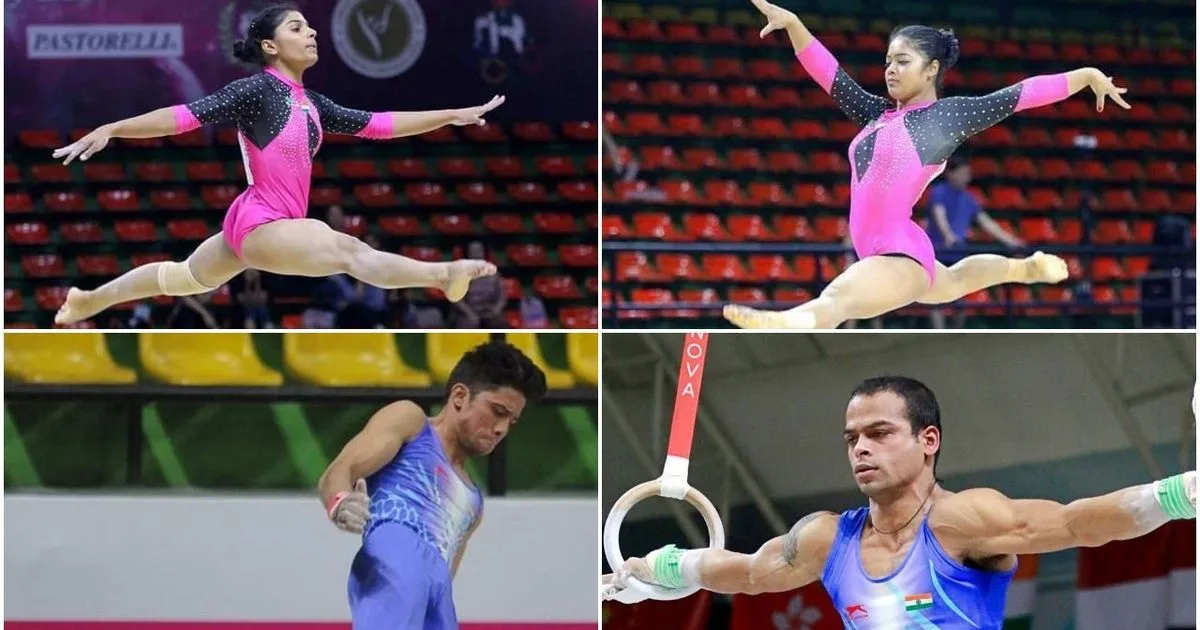
In recent years, training centers have increased, and support from the government and sports organizations has improved. Although India is still developing in this sport, it is making steady progress and inspiring young athletes.
Future of Gymnastics
The future of gymnastics looks very promising.
- New technology is making the sport safer.
- More countries are taking part in competitions.
- Training methods are improving.
- Media coverage is increasing popularity.
- New forms like parkour are being included.
Young athletes now have more opportunities to learn and succeed in gymnastics.
Conclusion
Gymnastics is a unique sport that combines strength, flexibility, skill, and beauty. It has a rich history from ancient times to modern international competitions. With many types and events, it offers something for everyone.
Although it has challenges like injuries and hard training, the benefits are much greater. Gymnastics helps in building a strong body, sharp mind, and confident personality. Countries like India are also improving in this sport, which shows a bright future ahead.
In the end, gymnastics is not just about winning medals. It is about discipline, dedication, and personal growth. Anyone who practices gymnastics can gain valuable life skills and enjoy a healthy and active lifestyle.
FAQs on Gymnastics
- What is gymnastics?
Gymnastics is a sport that includes exercises requiring strength, balance, and flexibility. - What are the main types of gymnastics?
Artistic, rhythmic, trampoline, acrobatic, and aerobic gymnastics. - Who governs gymnastics worldwide?
It is governed by the Fédération Internationale de Gymnastique. - At what age can you start gymnastics?
Children can start as early as 5 years old. - Is gymnastics only for girls?
No, both boys and girls can participate. - What equipment is used in gymnastics?
Equipment includes bars, beam, vault, rings, and trampoline. - How are gymnasts scored?
Scores are based on difficulty and execution. - Is gymnastics dangerous?
It has some risk of injury, but safety rules help reduce it. - Who is a famous gymnast?
Simone Biles is one of the most famous gymnasts. - What are the benefits of gymnastics?
It improves strength, flexibility, balance, and confidence.