


Glide Strong: Roller Skating Guide

Roller skating is the act of moving on a surface using skates with wheels attached to shoes. It is a fun activity, a sport, and even a way of traveling. People enjoy roller skating in parks, streets, sidewalks, and specially built places like skating rinks and skate parks. It is popular among children, teenagers, and adults because it is exciting, healthy, and easy to learn.
Thank you for reading this post, don't forget to subscribe!Roller skating is not just a game; it is also an art and a competitive sport. It includes different forms like speed skating, artistic skating, roller hockey, and roller derby. Today, roller skating is growing fast across the world, including in India.
History of Roller Skating
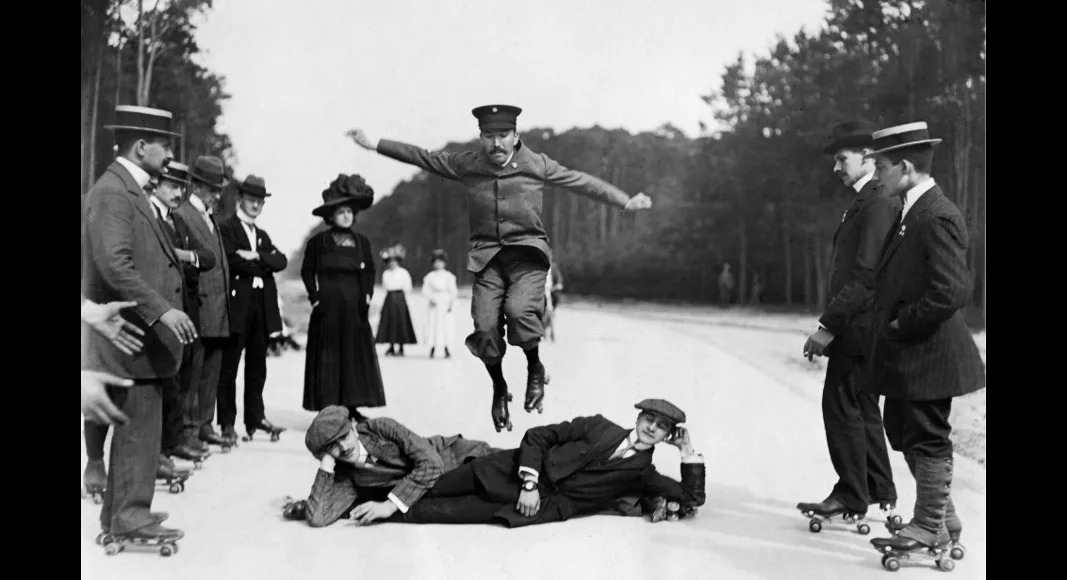
The history of roller skating goes back to the 18th century in Europe. At that time, it was mainly used in stage performances to copy ice skating.
- 1743: First use of roller skates in a London stage show
- 1760: John Joseph Merlin created the first basic inline skate
- 1819: First patented skate design in France
- 1863: James Leonard Plimpton introduced the quad skate (four wheels), which made turning easier
In the late 1800s, roller skating became very popular. Skating rinks opened in many countries.
Golden Age (1930s -1950s)
During this time, roller skating became a major entertainment activity, especially in the United States. Music and dance were part of skating.
1970s – Roller Disco Era
Roller skating mixed with disco music became trendy. People danced while skating.
1990s – Inline Skating Boom
Inline skates (rollerblades) became popular for outdoor use.
Modern Era
Roller skating saw a rise again during the COVID-19 pandemic as people looked for outdoor activities.
Types of Roller Skating
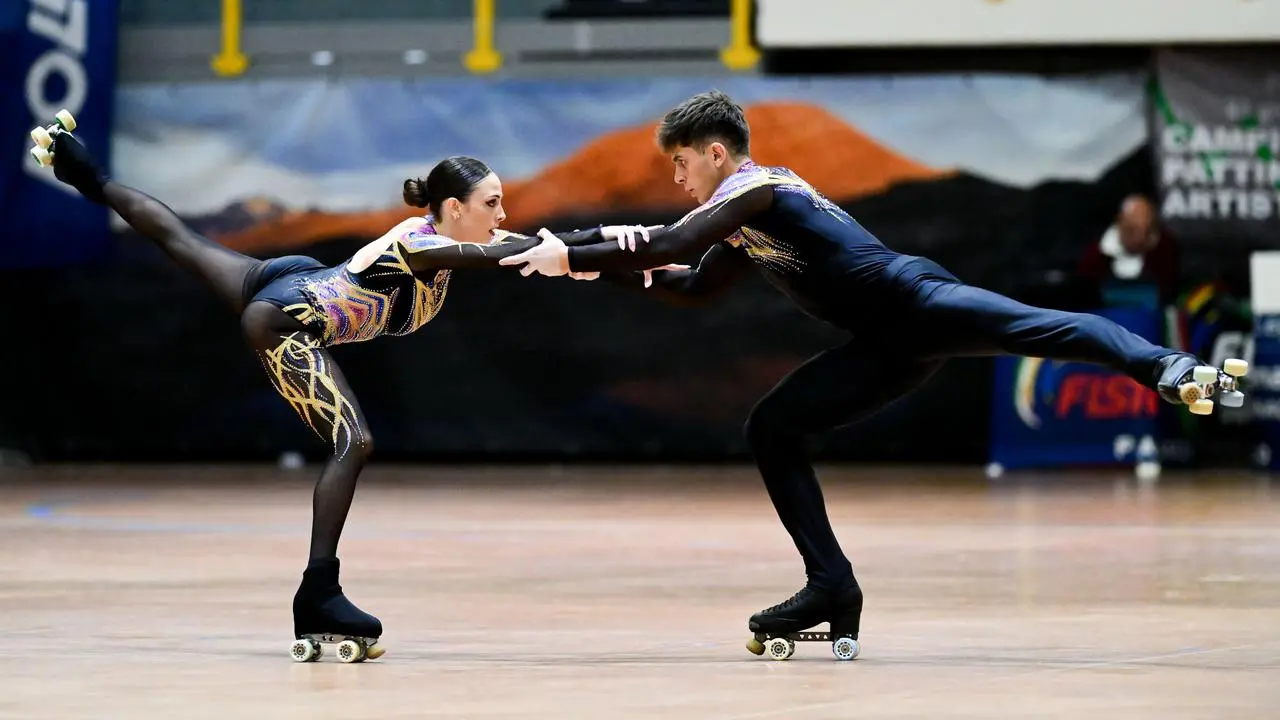
Artistic Roller Skating
- Similar to ice skating
- Includes dance, freestyle, and figures
- Focus on balance, style, and performance
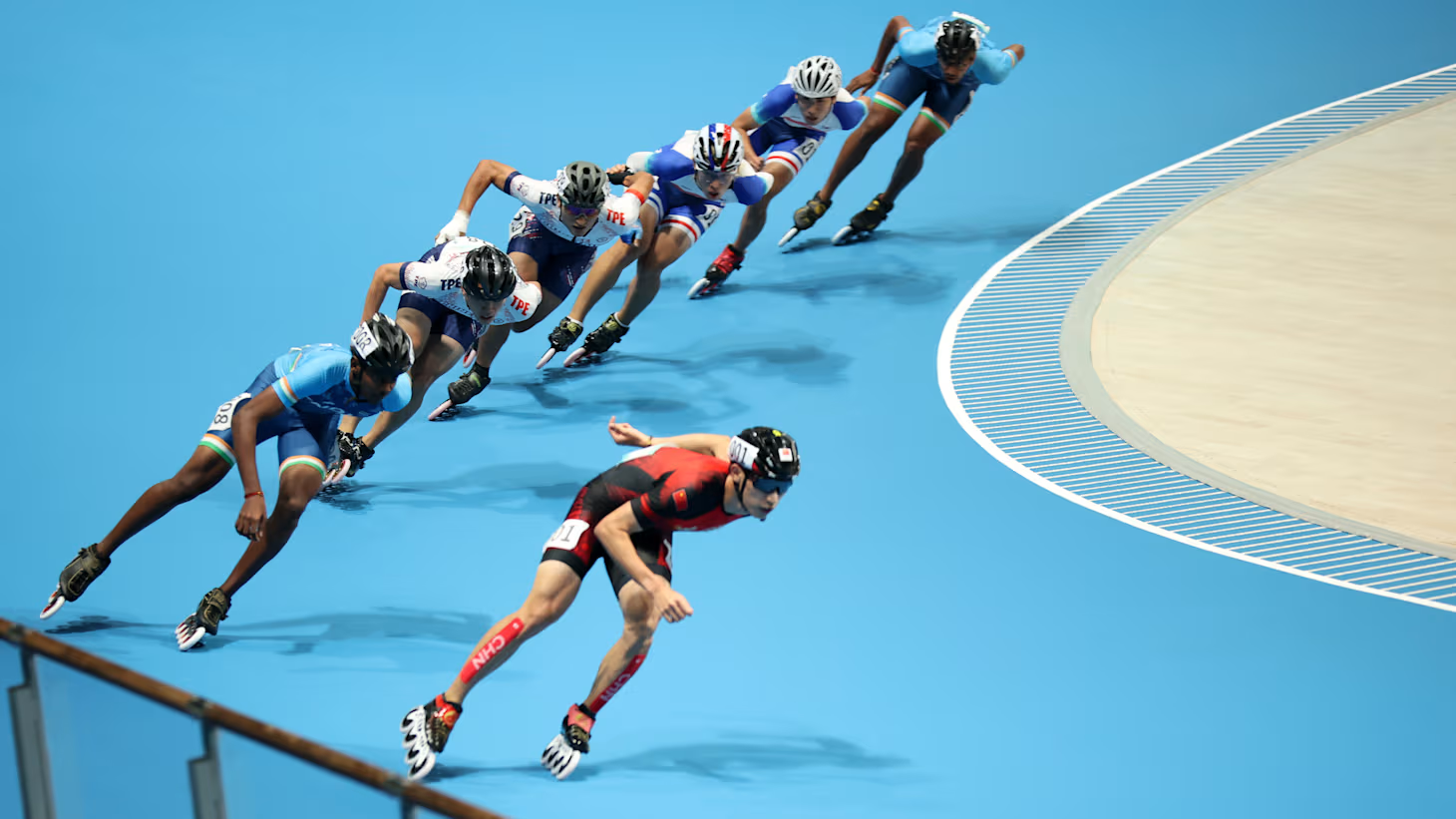
Speed Skating
- Focus on speed and racing
- Done on tracks or roads
- Can be individual or team races
Roller Hockey
- Played like ice hockey but on skates
- Includes quad hockey and inline hockey
Roller Derby
- A team sport played mostly by women
- Played on an oval track
Aggressive Inline Skating
- Includes tricks, jumps, and stunts
- Done in skate parks
Jam Skating
- Combines dancing, gymnastics, and skating
Group Skating
- Social skating in groups on streets or parks
Number of Players
The number of players depends on the type of skating:
- Artistic skating: 1 or 2 players
- Speed skating: Individual or teams
- Roller hockey: 5 players per team
- Roller derby: 5 players per team
Equipment Required
Basic Equipment:
- Roller skates (quad or inline)
- Helmet
- Knee pads
- Elbow pads
- Wrist guards
Additional Equipment:
- Gloves
- Mouth guard (for contact sports)
- Proper skating surface
Player Eligibility
- No strict age limit for beginners
- Competitions are divided by age groups
- Players must be physically fit
- Basic skating skills required for tournaments
Dress Code
- Comfortable sportswear
- Tight-fitting clothes for better movement
- Protective gear is compulsory
- Artistic skaters may wear costumes
Duration of the Game
The duration of roller skating games or events is not fixed and depends on the type of skating. In artistic roller skating, performances usually last about 2 to 5 minutes, where skaters perform routines to music. In speed skating, races can last from a few seconds to several minutes depending on the distance. Roller hockey matches are longer, typically played for 40 to 60 minutes, divided into halves or periods. In roller derby, games usually last around 60 minutes with breaks in between. Practice sessions or recreational skating can range from 30 minutes to a few hours, depending on the skater’s interest and stamina.
Basic Rules
- Always wear safety gear
- Follow track or rink directions
- Avoid pushing or dangerous moves
- Respect other skaters
- In competitions, follow official rules
Techniques in Roller Skating
Basic Techniques:
- Balancing
- Gliding
- Turning
- Stopping (using toe stop or brake)
Advanced Techniques:
- Spins
- Jumps
- Backward skating
- Tricks (in aggressive skating)
Benefits of Roller Skating
Physical Benefits:
- Improves balance and coordination
- Strengthens muscles
- Good for heart health
- Burns calories
Mental Benefits:
- Reduces stress
- Boosts confidence
- Improves focus
Social Benefits:
- Helps make friends
- Encourages teamwork
Challenges in Roller Skating
- Risk of falling and injuries
- Requires practice and patience
- Expensive equipment for professionals
- Limited facilities in some areas
Successful Skaters
International Players:
- Bart Swings
- Erin Jackson
Female Stars:
- Bonnie Tholl
- Meryl Davis
Major International Competitions
- World Roller Games
- World Championships (by World Skate)
- Asian Roller Skating Championships
- National Championships (various countries)
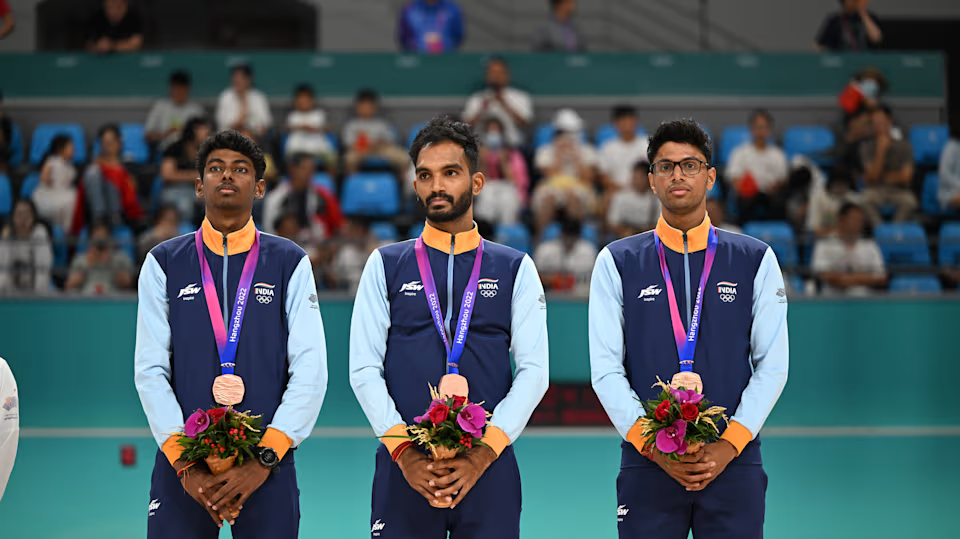
India’s Role and Success
India is growing in roller skating and gaining recognition internationally.
Development in India:
- Many skating academies are opening
- Government support through sports programs
- Increasing participation among youth
Famous Indian Players:
- Anup Kumar Yama
- Aarohi Desai
- Nikhil Kamble
Indian players have won medals in Asian and international competitions.
Future of Roller Skating
The future of roller skating looks bright:
- Growing popularity among youth
- More competitions worldwide
- Better training facilities
- Possible inclusion in bigger global events
With technology and awareness, roller skating will become even more popular.
Conclusion
Roller skating is a fun, exciting, and healthy activity. It has a rich history and many forms, from artistic skating to speed racing. It helps improve fitness, confidence, and social skills. Though it has challenges, with practice and safety, anyone can enjoy it. India is also making progress in this sport, and the future looks promising.
Roller skating is not just a sport it is a lifestyle that brings joy, health, and adventure to people of all ages.
FAQs on Roller Skating
- What is roller skating?
Roller skating is moving on wheels attached to shoes for fun, sport, or transport. - Is roller skating easy to learn?
Yes, beginners can learn basic skating with practice in a few days. - What are the types of roller skating?
Artistic, speed skating, roller hockey, derby, and freestyle skating. - What equipment is needed for roller skating?
Skates, helmet, knee pads, elbow pads, and wrist guards. - Is roller skating safe?
Yes, if you wear protective gear and follow safety rules. - Can children learn roller skating?
Yes, children can start learning from a young age with guidance. - What are the benefits of roller skating?
It improves balance, fitness, coordination, and reduces stress. - Where can I practice roller skating?
You can practice in parks, streets, or skating rinks. - How long does it take to learn roller skating?
Basic skills can be learned in a few days to weeks. - Is roller skating an Olympic sport?
Currently, roller skating is not part of the Olympics.