


Ice Elegance: Figure Skating Guide

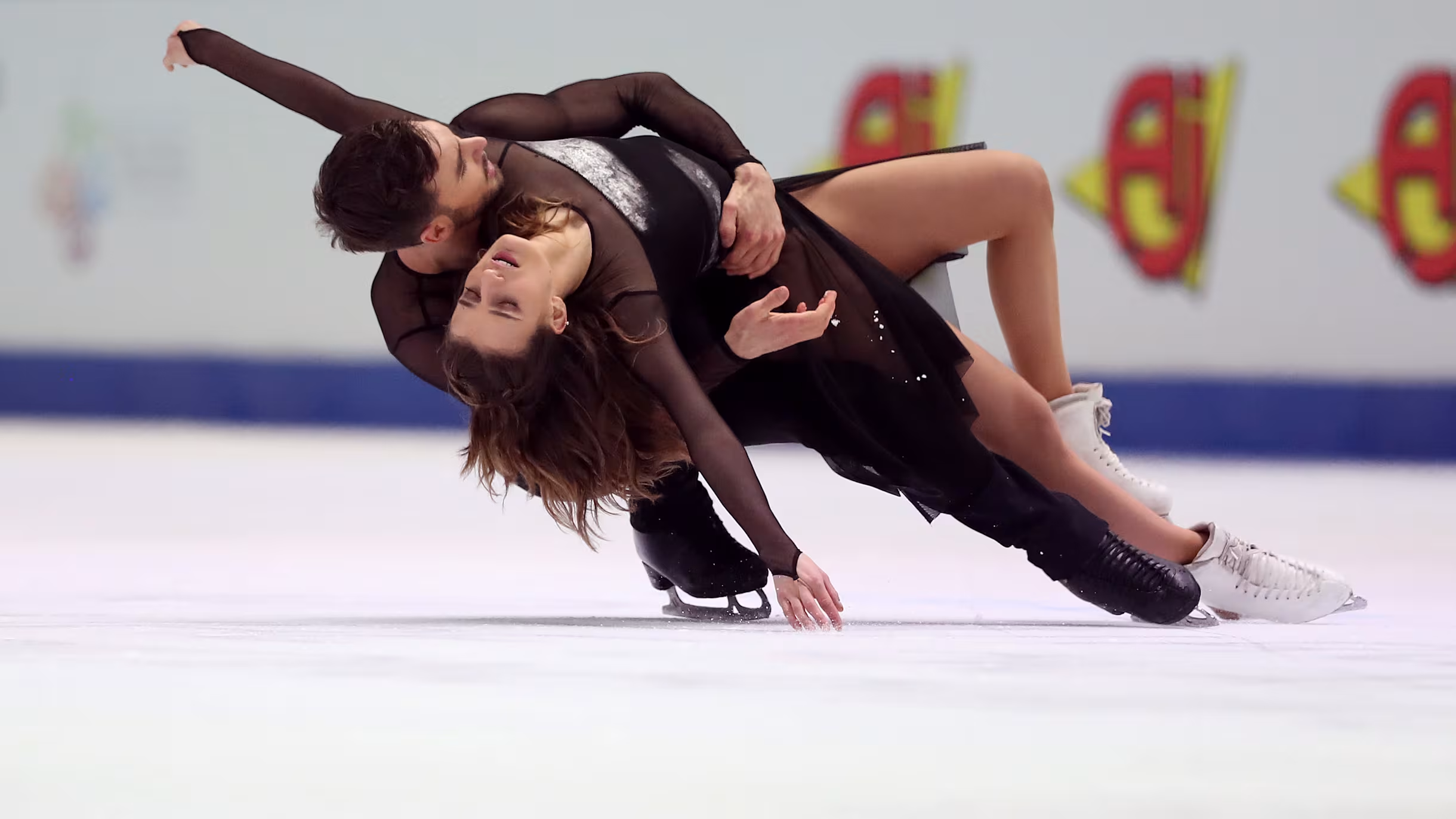
Figure skating is a beautiful and exciting winter sport where athletes perform on ice using skates. In this sport, players glide smoothly while doing jumps, spins, lifts, and footwork in a graceful and artistic way. It is both a sport and an art because it combines physical strength with music and dance.
Thank you for reading this post, don't forget to subscribe!Figure skating is one of the most popular events in the Winter Olympics. People love watching it because it is full of beauty, speed, and difficult movements. Over time, figure skating has become more athletic and competitive, with skaters performing complex jumps like triple and quadruple jumps.
History of Figure Skating
Figure skating has a long and rich history that began in the 18th century, with one of the earliest records being A Treatise on Skating (1772) by Robert Jones. The sport remained formal until the 1860s, when Jackson Haines introduced a free and expressive style based on dance, which later became the foundation of modern skating. In 1892, the International Skating Union was established to regulate the sport worldwide. Figure skating made its Olympic debut at the 1908 Summer Olympics, and over time it evolved from simple figures on ice to a highly athletic and artistic sport featuring complex jumps, spins, and performances.
Types of Figure Skating
Figure skating has different categories:
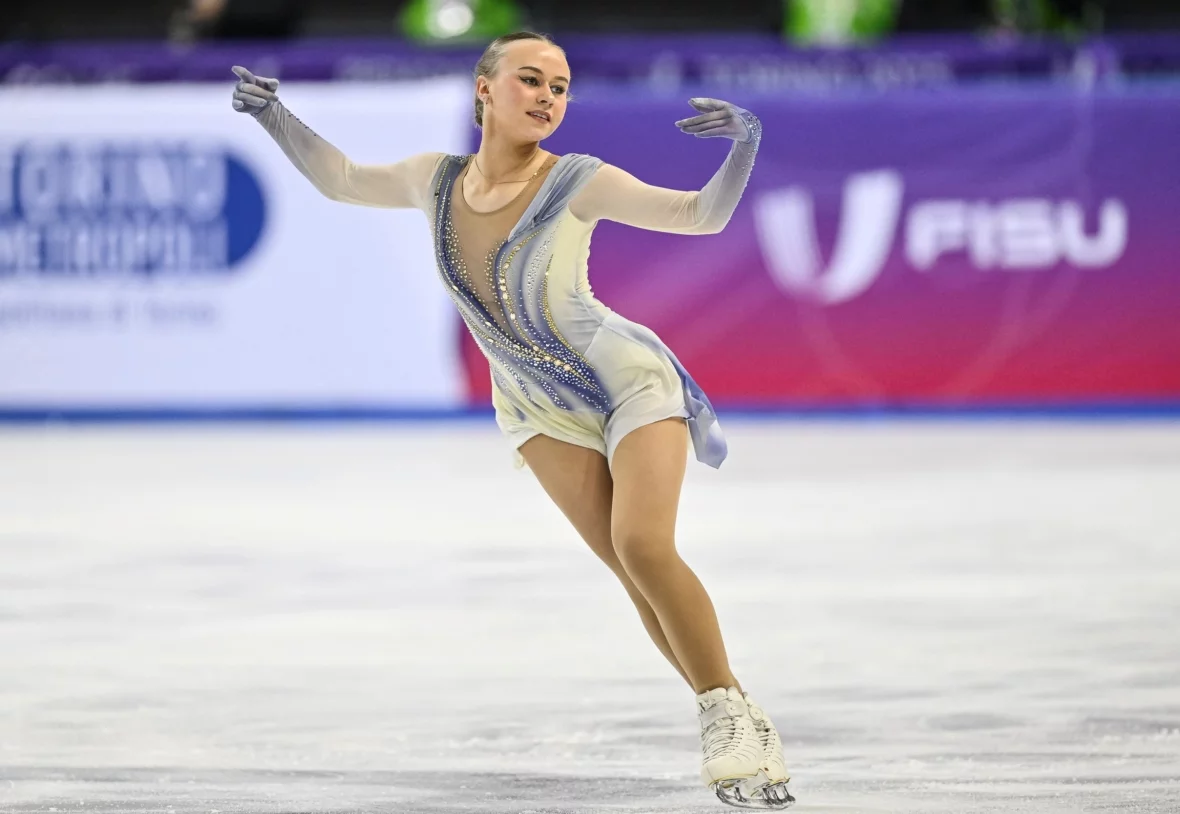
Singles
- One skater performs alone.
- Includes jumps, spins, and footwork.
Pairs
- A male and female skater perform together.
- Includes lifts, throws, and synchronized movements.
Ice Dance
- Focuses on dance movements.
- No big jumps, more emphasis on rhythm and expression.
Synchronized Skating
- A team of 8 or more skaters performs together.
- Focuses on coordination and patterns.
Number of Players
The number of players depends on the category:
- Singles: 1 player
- Pairs: 2 players (one male and one female)
- Ice Dance: 2 players
- Synchronized skating: 8-16 players
Eligibility of Players
To participate in figure skating competitions:
- Players must be physically fit and trained.
- For Olympics:
- Minimum age: 17 years (as per new rules).
- Skaters must qualify through national and international competitions.
- They must follow rules set by the International Skating Union (ISU).
Dress Code in Figure Skating
The dress code is very important in figure skating.
- Skaters wear lightweight costumes.
- Costumes should match the music and performance theme.
- Clothes must allow easy movement.
- Skates:
- Leather boots with blades
- Toe picks help in jumping
For men:
- Pants and fitted shirts
For women:
- Dresses or skating outfits
Duration of the Game
Figure skating performances are divided into two main programs:
Short Program
- Duration: Around 2 minutes 40 seconds
- Includes required elements
Long Program (Free Skate)
- Men: About 4.5 minutes
- Women: About 4 minutes
Judges score both performances.
Basic Elements of Figure Skating
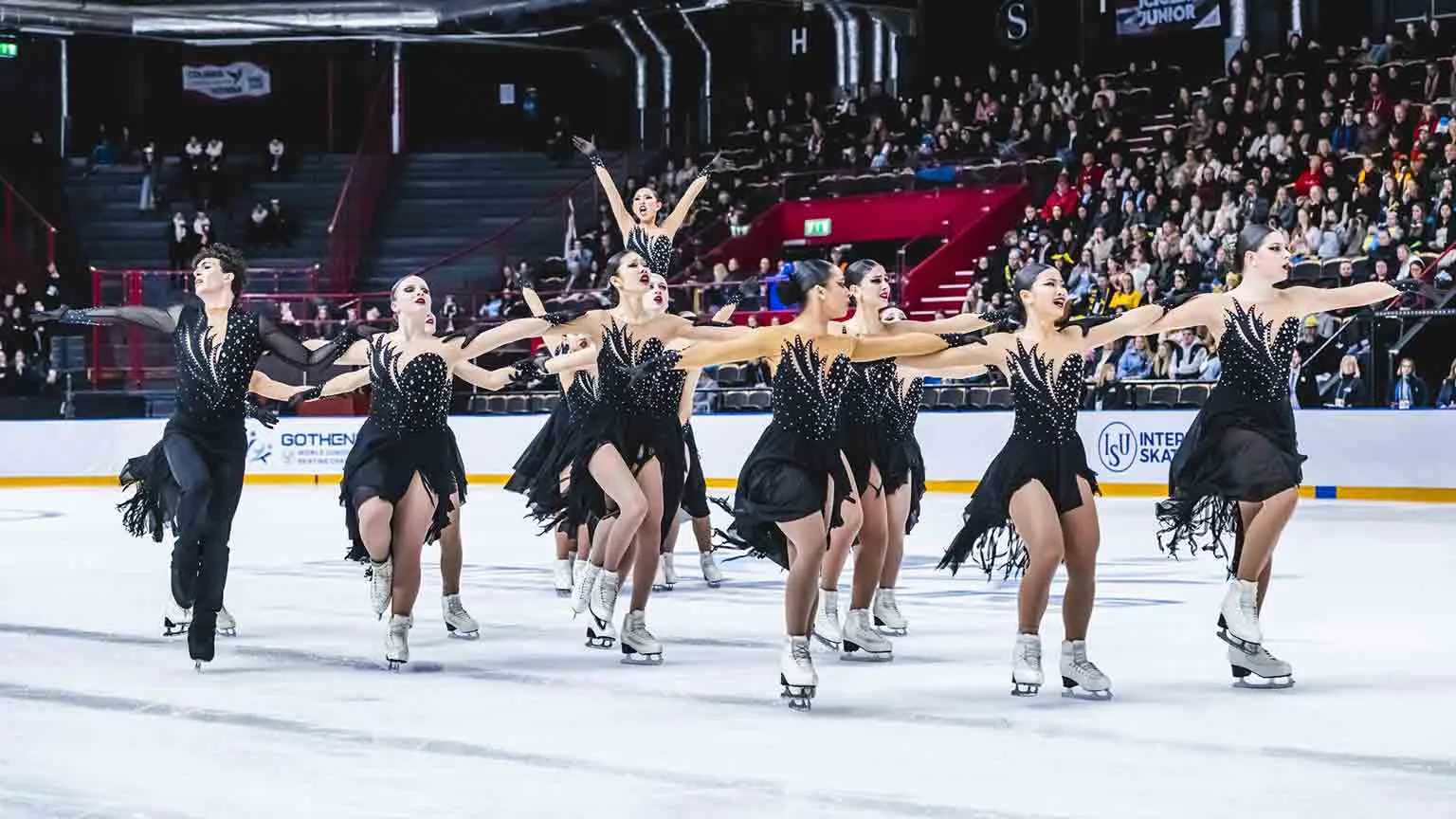
Jumps
- Axel
- Salchow
- Lutz
- Flip
- Toe Loop
Jumps can be:
- Single
- Double
- Triple
- Quadruple
Spins
- Sit spin
- Camel spin
- Scratch spin
Footwork
- Steps and movements across the ice
Lifts (in pairs)
- One partner lifts the other
Scoring System
Figure skating uses a point-based scoring system:
Two main scores:
- Technical Score
- Based on difficulty and execution
- Presentation Score
- Based on style, music, and performance
Final score = Technical + Presentation
Training and Skills
Figure skaters train very hard:
- Practice on ice for 2–3 hours daily
- Off-ice training:
- Strength training
- Flexibility exercises
- Dance practice
Skills needed:
- Balance
- Strength
- Flexibility
- Timing with music
Injuries in Figure Skating
Figure skating is physically demanding.
Common injuries:
- Ankle injuries
- Knee pain
- Back problems
Difficult jumps like triple axels and quads increase injury risk.
Famous Figure Skaters
Men:
- Dick Button – Olympic champion
- Nathan Chen – known as “Quad King”
- Yuzuru Hanyu – two-time Olympic champion
Women:
- Sonja Henie – legendary champion
- Peggy Fleming – Olympic gold medalist
- Tara Lipinski – youngest Olympic champion
Pairs and Dance:
- Torvill and Dean – famous ice dancers
- Irina Rodnina – multiple Olympic gold medals
Figure Skating in the Olympics
- First included in 1908 Olympics
- Categories:
- Men’s singles
- Women’s singles
- Pairs
- Ice dance (since 1976)
- Team event (since 2014)
It is one of the most watched winter sports.
Modern Developments in Figure Skating
- Quadruple jumps are becoming common.
- Women are now performing complex jumps.
- Judging system improved after scandals.
- More focus on fairness and transparency.
Importance of Figure Skating
Figure skating is important because:
- It combines sport and art.
- Improves physical fitness.
- Builds discipline and confidence.
- Encourages creativity and expression.
Major International Figure Skating Competitions
- The Winter Olympic Games is the most prestigious competition, held every four years, where the world’s best skaters compete for gold, silver, and bronze medals.
- The World Figure Skating Championships is conducted every year and features top skaters from different countries competing at the highest level.
- The ISU Grand Prix of Figure Skating is a series of international events where skaters earn points and qualify for the Grand Prix Final.
- The Four Continents Figure Skating Championships includes skaters from Asia, the Americas, Africa, and Oceania.
- The European Figure Skating Championships is one of the oldest competitions, featuring top skaters from European countries.
India’s Role and Success in Figure Skating
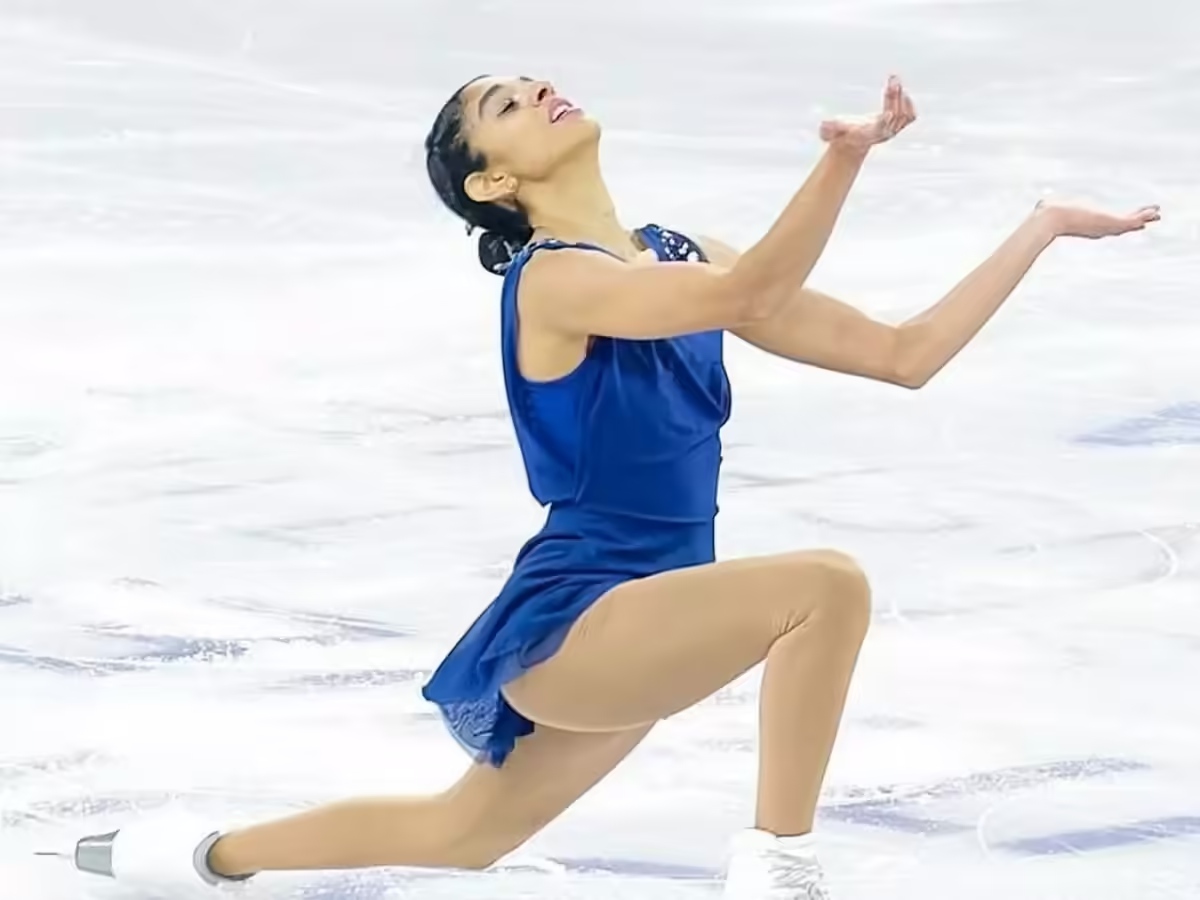
India is not traditionally strong in winter sports, but figure skating is slowly growing.
Important points:
- India has limited ice rinks, which makes training difficult.
- Skaters often train abroad.
Notable Indian skaters:
- Shiv Keshavan (more known in winter sports)
- Himanshu Thakur (winter sports athlete)
- Indian figure skaters have participated in international competitions but not yet won major Olympic medals.
Development:
- Ice skating clubs are increasing.
- Awareness and interest are growing among young players.
India still has a long way to go, but the future looks promising.
Future of Figure Skating
The future of figure skating looks very promising as the sport continues to grow in popularity and innovation under the guidance of the International Skating Union. Skaters are pushing limits by performing more difficult elements like quadruple jumps and complex combinations, making the sport more exciting and competitive. Technology is also improving judging systems, making scoring more fair and transparent. More countries, including developing nations, are showing interest, which will increase global participation. With better training facilities, increased media coverage, and focus on safety, figure skating is expected to become even more dynamic, inclusive, and widely followed in the coming years.
Conclusion
Figure skating is a unique sport that blends beauty, strength, and skill. From its early history to modern Olympic competitions, it has evolved into a highly competitive and entertaining sport. Although countries like the USA, Russia, and Japan dominate, nations like India are slowly making progress.
With proper support, training, and facilities, figure skating can grow in India and inspire many young athletes in the future.
FAQs on Figure Skating
- What is figure skating?
Figure skating is a sport where skaters perform jumps, spins, and dance moves on ice. - How many types of figure skating are there?
There are four main types: singles, pairs, ice dance, and synchronized skating. - What is the minimum age for Olympics?
Skaters must be at least 17 years old to compete in the Olympics. - What are the main elements in figure skating?
The main elements are jumps, spins, footwork, and lifts (in pairs). - How is figure skating scored?
It is scored based on technical performance and artistic presentation. - What is the hardest jump in figure skating?
The Axel jump, especially the triple and quadruple Axel, is considered very difficult. - What do figure skaters wear?
They wear lightweight costumes and special skating boots with blades. - Is figure skating dangerous?
Yes, it can be risky due to high jumps and falls, leading to injuries. - Which country is best in figure skating?
Countries like the USA, Russia, and Japan are very strong in this sport. - Is figure skating popular in India?
It is growing slowly, but still not very popular due to lack of ice rinks.