Pan Masala Plastic Ban Proposal by FSSAI

Pan Masala Plastic Ban is making headlines as the Food Safety and Standards Authority of India (FSSAI) plans a major change. The authority has proposed banning plastic packaging for pan masala, gutka, and similar products. This step aims to reduce plastic waste and improve public health by promoting eco-friendly materials.
Thank you for reading this post, don't forget to subscribe!What the New Rule Says about Pan Masala Plastic Ban
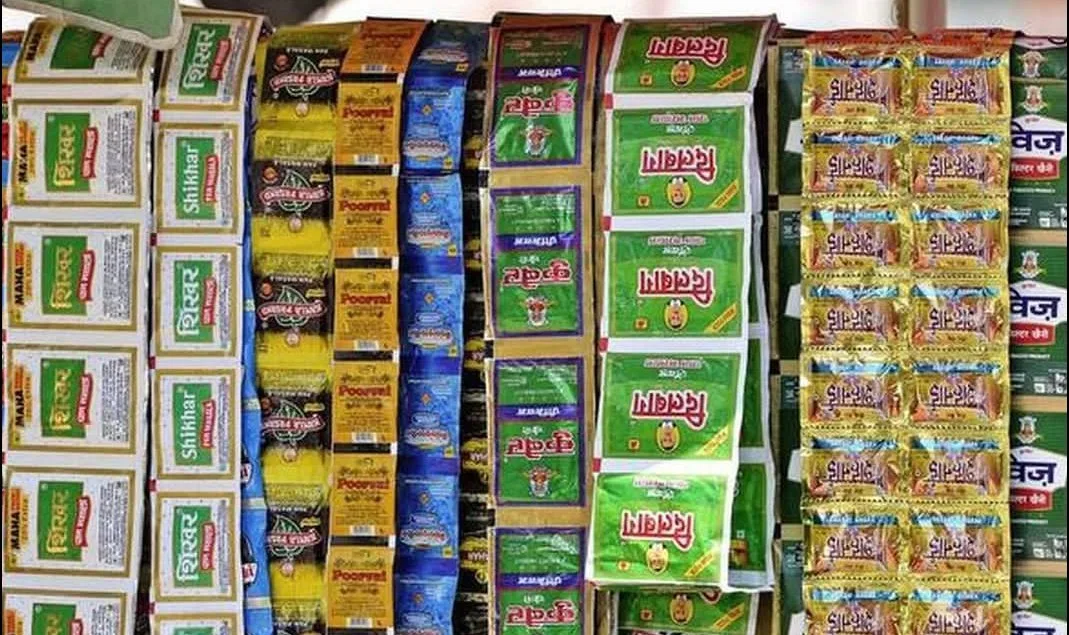
Under the proposed rules, all pan masala and gutka products must use non-plastic packaging. Materials like paper, paperboard, and natural cellulose will replace plastic sachets. The ban includes polyethylene, polypropylene, polyester, PVC, and multilayer plastic.
The proposal also stops the use of aluminium foil and metallised layers, which are commonly used in small sachets. This rule will apply to both tobacco and non-tobacco pan masala products.
Materials and Chemicals Restricted
FSSAI has added strict limits on certain chemicals used in packaging. Copolymers such as vinyl acetate–maleic acid–vinyl chloride are now banned for these products. These changes are part of the Food Safety and Standards (Packaging) Regulations, 2018.
Pan masala is now treated as a separate category with clear and strict packaging rules. This makes enforcement stronger and more organised.
Why Pan Masala Plastic Ban Matters
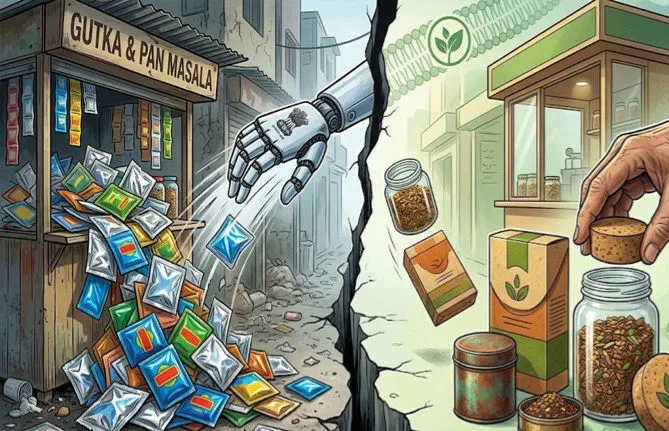
The pan masala industry uses a large number of small plastic sachets that are hard to recycle. These packets often end up as litter, causing serious environmental damage.
By introducing the Pan Masala Plastic Ban, the government aims to cut down plastic pollution. At the same time, it also tightens control over products linked to health risks like addiction and oral cancer.
State Actions and Future Steps
Many Indian states like Maharashtra, Bihar, Tamil Nadu, and Delhi already have bans on gutka and tobacco-based pan masala. These bans are often renewed every year under food safety laws.
FSSAI has asked the public and stakeholders to share feedback within 30 days. After reviewing suggestions, the authority will decide on final implementation. This move could change how pan masala products are packed and sold across India.