


Fencing: The Art of Sword Fighting

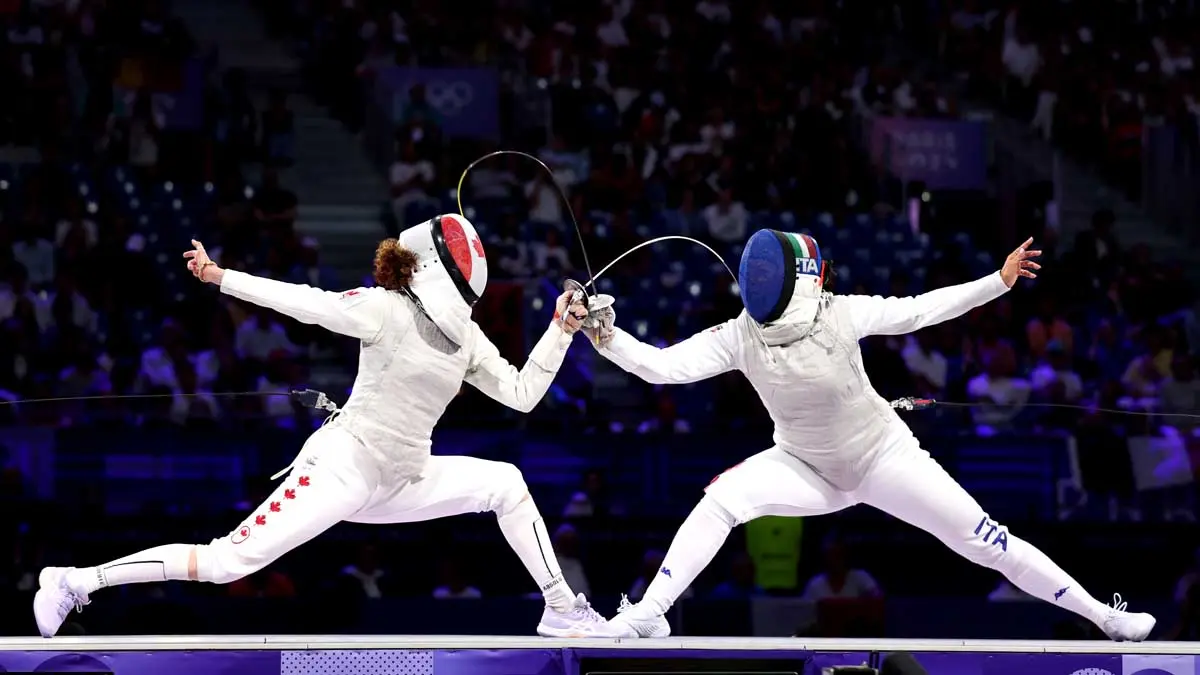
Fencing is a modern sport where players use swords to attack and defend themselves by following proper rules. It is a fast and exciting game that requires quick thinking, good balance, and sharp reflexes. In fencing, players try to touch their opponent with a sword while avoiding being touched themselves.
Thank you for reading this post, don't forget to subscribe!Introduction to Fencing
Fencing is a sport played between two players using special swords. It is also called the “art of sword fighting.” The main goal of fencing is to score points by hitting the opponent in the correct target area.
Even though fencing looks like fighting, it is a very safe and controlled sport. Players wear protective clothing and follow strict rules.
Fencing became an official sport in the late 19th century and is now part of the Olympic Games.
History of Fencing
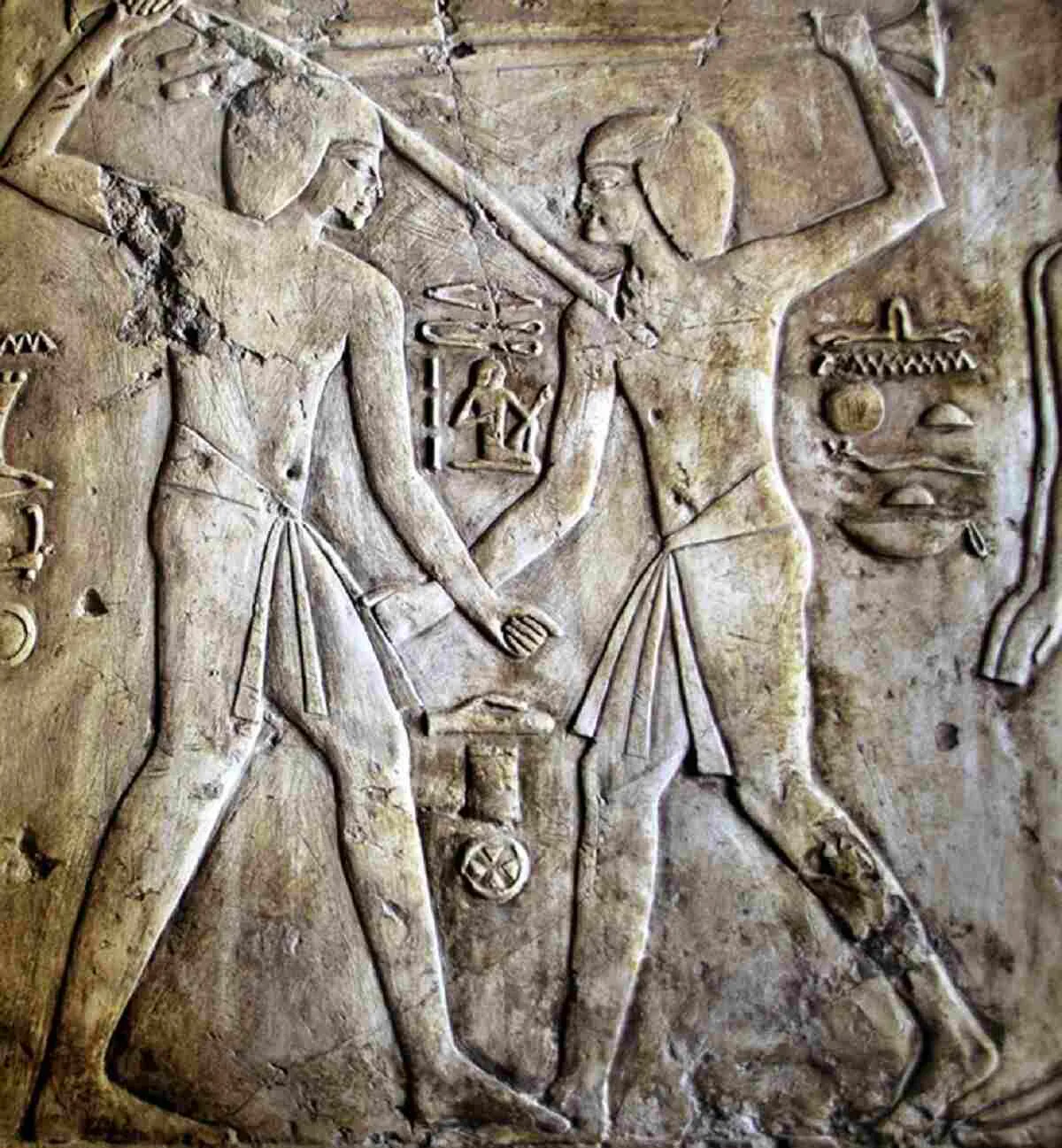
Fencing has a long and interesting history that dates back to ancient times. Sword fighting was practiced in civilizations like Egypt, Greece, and Rome, and one of the earliest images of it was found in Egypt around 1190 BCE. In ancient Rome, soldiers and gladiators were specially trained in sword fighting. During the Middle Ages, the practice continued but was less organized. By the 15th century, fencing schools were established in Europe, and Italians introduced lighter and faster swords, which changed the style of fighting. In the 17th century, fencing developed into both an art and a sport, and by the 19th century, it became a well-organized sport with proper rules. Fencing was included in the Olympic Games in 1896, making it one of the oldest Olympic sports.
Basic Rules of Fencing
Here are the simple rules:
- Two players face each other on the piste
- Players try to touch the opponent with the sword
- Only valid target areas count for points
- Players must follow “right of way” rules (in foil and sabre)
- If both players hit at the same time:
- In épée → both get points
- In foil/sabre → only one gets point (based on priority)
- Players must stay within the boundary
- Safety rules must always be followed
Types of Fencing
There are three main types of fencing, based on the weapon used:
Foil
- Light weapon
- Target area: Upper body (chest, back)
- Only the tip is used to score
- Requires strategy and accuracy
Épée
- Heavier than foil
- Target area: Entire body
- Tip is used to score
- Both players can score at the same time
Sabre
- Fastest type
- Target area: Above the waist
- Can use both edge and tip
- Very quick attacks and movements
Equipment Used in Fencing
Fencing requires special equipment for safety and performance:
- Jacket – protects the body
- Mask – protects the face
- Gloves – protect hands
- Trousers/Knickers – protect legs
- Shoes – flat for better movement
- Sword (weapon) – foil, épée, or sabre
- Body cord – connects player to scoring system
Dress Code in Fencing
Fencing players wear a specific uniform:
- White jacket and trousers
- Protective mask with metal mesh
- Gloves for sword hand
- Special conductive jacket (lamé) for scoring
- Long socks and flat shoes
This dress code ensures maximum safety during the game.
Fencing Area (Piste)
The fencing match is played on a strip called a piste.
- Length: 14 meters
- Width: 1.5 to 2 meters
- Players move forward and backward on this strip
Duration of the Game
Fencing matches have different formats:
Pool Matches:
- Up to 5 points
- Maximum 3 minutes
Direct Elimination:
- Up to 15 points
- Played in 3 rounds of 3 minutes each
The player who scores more points wins.
Number of Players
Fencing is usually played between:
- 2 players (one vs one)
In team competitions:
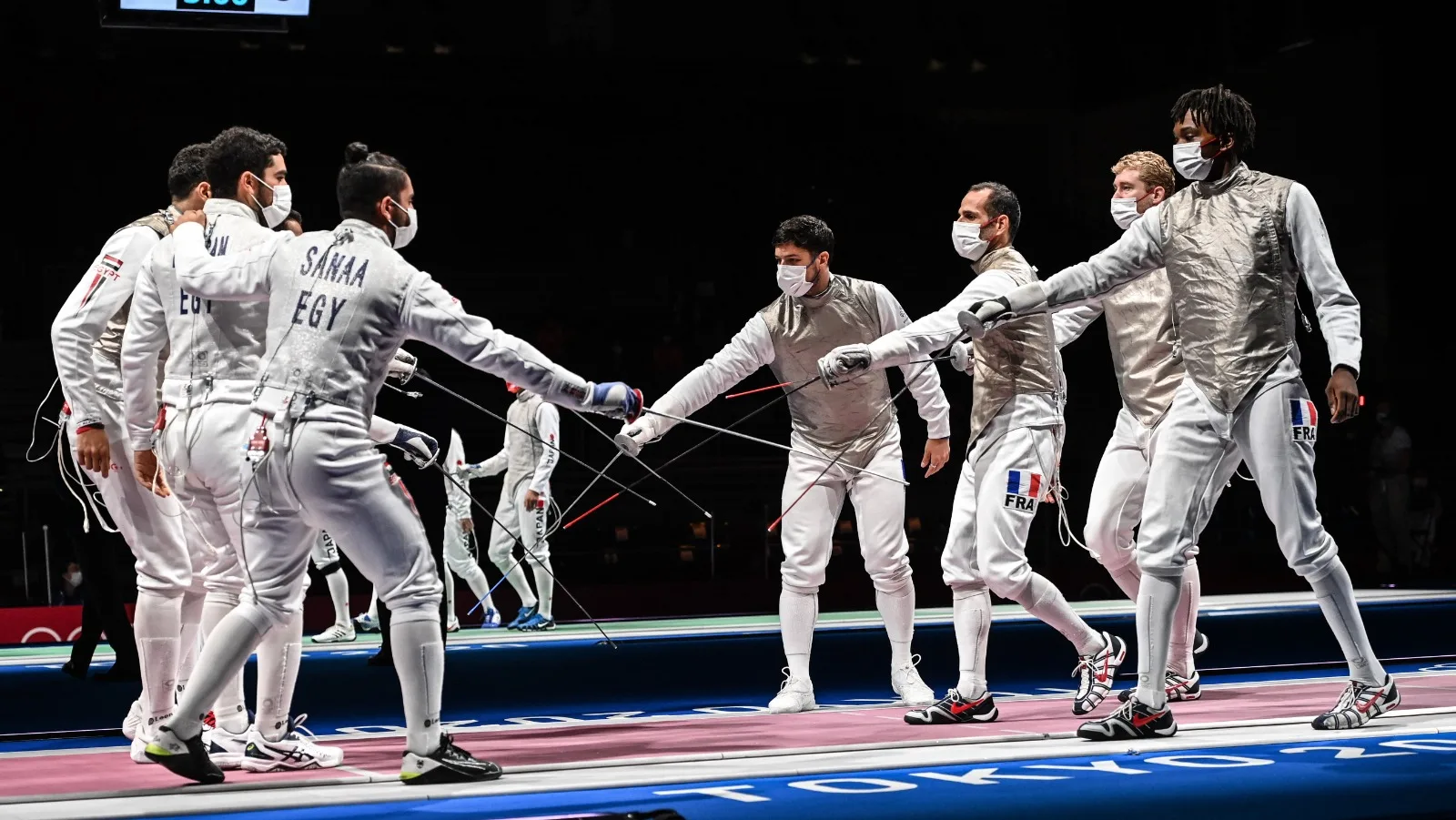
- Each team has 3 main players and 1 substitute
- Total players in a team match = 4
Scoring System
Modern fencing uses an electronic scoring system:
- When the sword touches the opponent, a light appears
- Points are given automatically
- First player to reach required points wins
Eligibility of Players
To play fencing, a player must:
- Be physically fit
- Have proper training
- Know basic rules and techniques
- Wear proper safety equipment
- Participate through clubs or associations
In international competitions:
- Players must be registered with official federations
- Must qualify through tournaments
Benefits of Playing Fencing
Fencing offers many physical and mental benefits:
Physical Benefits:
- Improves strength and stamina
- Increases speed and flexibility
- Enhances body balance
- Develops hand-eye coordination
Mental Benefits:
- Improves focus and concentration
- Builds quick decision-making skills
- Develops strategic thinking
- Boosts confidence
Social Benefits:
- Teaches discipline
- Encourages sportsmanship
- Builds teamwork (in team events)
Challenges in Fencing
Even though fencing is exciting, it has some challenges:
- Requires expensive equipment
- Needs proper training and coaching
- Limited awareness in many countries
- Risk of injury if safety rules are not followed
- Requires high concentration and quick reflexes
Successful Fencing Players
Some famous fencers in the world include:
- Aladár Gerevich (Hungary) – Won gold medals in 6 Olympics
- Edoardo Mangiarotti (Italy) – Won 13 world championship gold medals
- Nedo Nadi (Italy) – Famous Olympic champion
- Christian d’Oriola (France) – Legendary foil fencer
These players made fencing popular worldwide.
Major International Competitions
Fencing is played in many international events:
- Olympic Games
- World Fencing Championships
- Fencing World Cup
- Asian Games
- Commonwealth Championships
- European Championships
These competitions help players gain recognition and experience.
India’s Role and Success in Fencing
Fencing is still growing in India but has shown progress in recent years.
Key Points:
- India started participating in international fencing events recently
- The sport is supported by the Fencing Association of India
- Indian players are now competing in Asian and global competitions
Notable Indian Fencers:
- Bhavani Devi – First Indian fencer to qualify for the Olympics
- She has won medals in international competitions
Achievements:
- Participation in Olympics and Asian Games
- Increasing popularity among young athletes
India is slowly becoming stronger in fencing with better training and support.
Future of Fencing
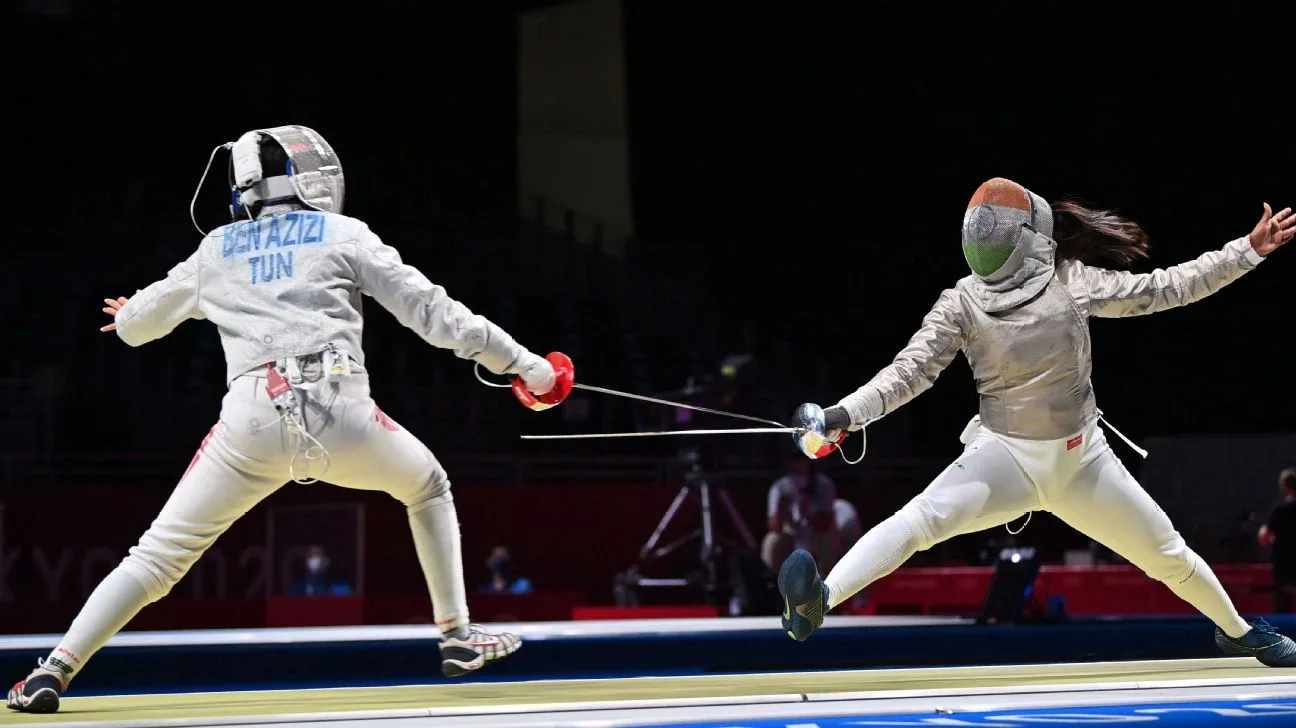
The future of fencing looks very bright as the sport is gaining popularity around the world. Modern technology, especially advanced electronic scoring systems, is making the game more accurate and exciting. More countries are taking part in fencing, and there is increasing support for women players, which is helping the sport grow further. The development of wheelchair fencing has also made the sport more inclusive. In India, the future is promising as more fencing academies are opening, government support is improving, and many young players are showing interest in the sport. In the coming years, fencing is likely to become more popular in schools and colleges as well.
Conclusion
Fencing is a unique and exciting sport that combines skill, speed, and strategy. It has a rich history from ancient sword fighting to a modern Olympic sport. With three different types of weapons and strict rules, fencing is both safe and competitive.
The sport helps improve physical fitness and mental strength. Although it has challenges like cost and limited awareness, its benefits are much greater.
With growing global interest and rising participation in countries like India, fencing has a strong and promising future. It is not just a sport but also an art that teaches discipline, courage, and respect.
FAQs on Fencing
- What is fencing?
Fencing is a sport where players use swords to score points by touching their opponent. - How many players are in fencing?
Fencing is usually played between two players. - What are the types of fencing?
Foil, épée, and sabre. - Is fencing a safe sport?
Yes, players wear protective gear to stay safe. - What is the aim of fencing?
To score points by hitting the opponent in the target area. - Is fencing an Olympic sport?
Yes, fencing has been in the Olympics since 1896. - What equipment is needed for fencing?
Sword, mask, jacket, gloves, and special shoes. - How long does a fencing match last?
It depends, but usually up to 3 rounds of 3 minutes. - Can beginners learn fencing easily?
Yes, with proper training and practice. - Who is a famous fencer?
Aladár Gerevich is one of the most famous fencers.