


Taekwondo – The Art of Powerful Kicks and Discipline

Taekwondo is a popular Korean martial art and combat sport known for its fast kicks, strong punches, and disciplined training. The word “Taekwondo” comes from three Korean words: tae (foot), kwon (hand), and do (way or art). So, it means “the way of kicking and punching.”
Thank you for reading this post, don't forget to subscribe!It is not just a sport but also a way of life that teaches respect, self-control, and confidence. Today, Taekwondo is practiced all over the world and is also an Olympic sport governed by organizations like World Taekwondo.
History of Taekwondo
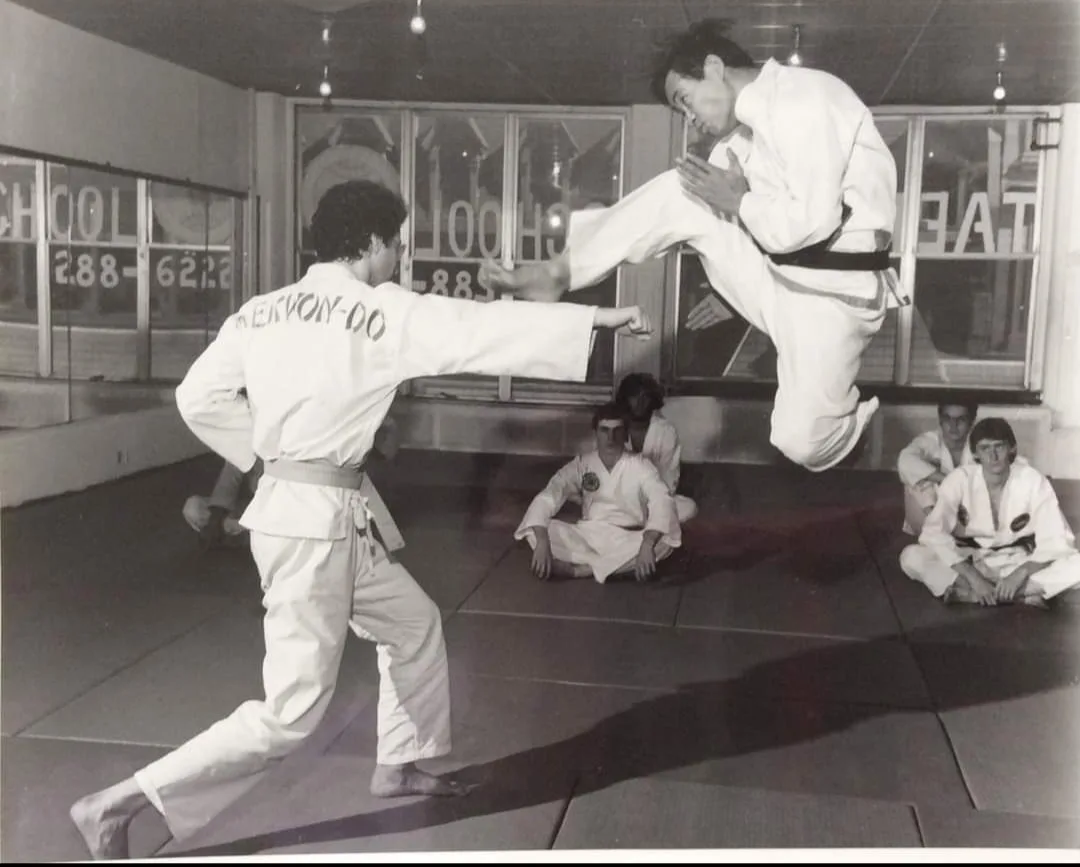
Taekwondo started in Korea in the 1940s and 1950s. After World War II, many martial arts schools called kwans opened in Seoul. These schools combined techniques from karate, Chinese martial arts, and traditional Korean fighting styles.
A key figure in the development of Taekwondo was Choi Hong-hi, who helped standardize the art and spread it internationally. In 1959, the Korea Taekwondo Association (KTA) was formed to unify different styles.
Later, two major systems developed:
- International Taekwon-Do Federation (1966)
- Kukkiwon and World Taekwondo (1970s)
Since 2000, Taekwondo has been an official Olympic sport.
Types of Taekwondo
There are different styles of Taekwondo:
ITF Taekwondo
- Focuses on traditional techniques
- Uses patterns called tul
- Less contact in sparring
WT (World Taekwondo) Style
- Olympic style
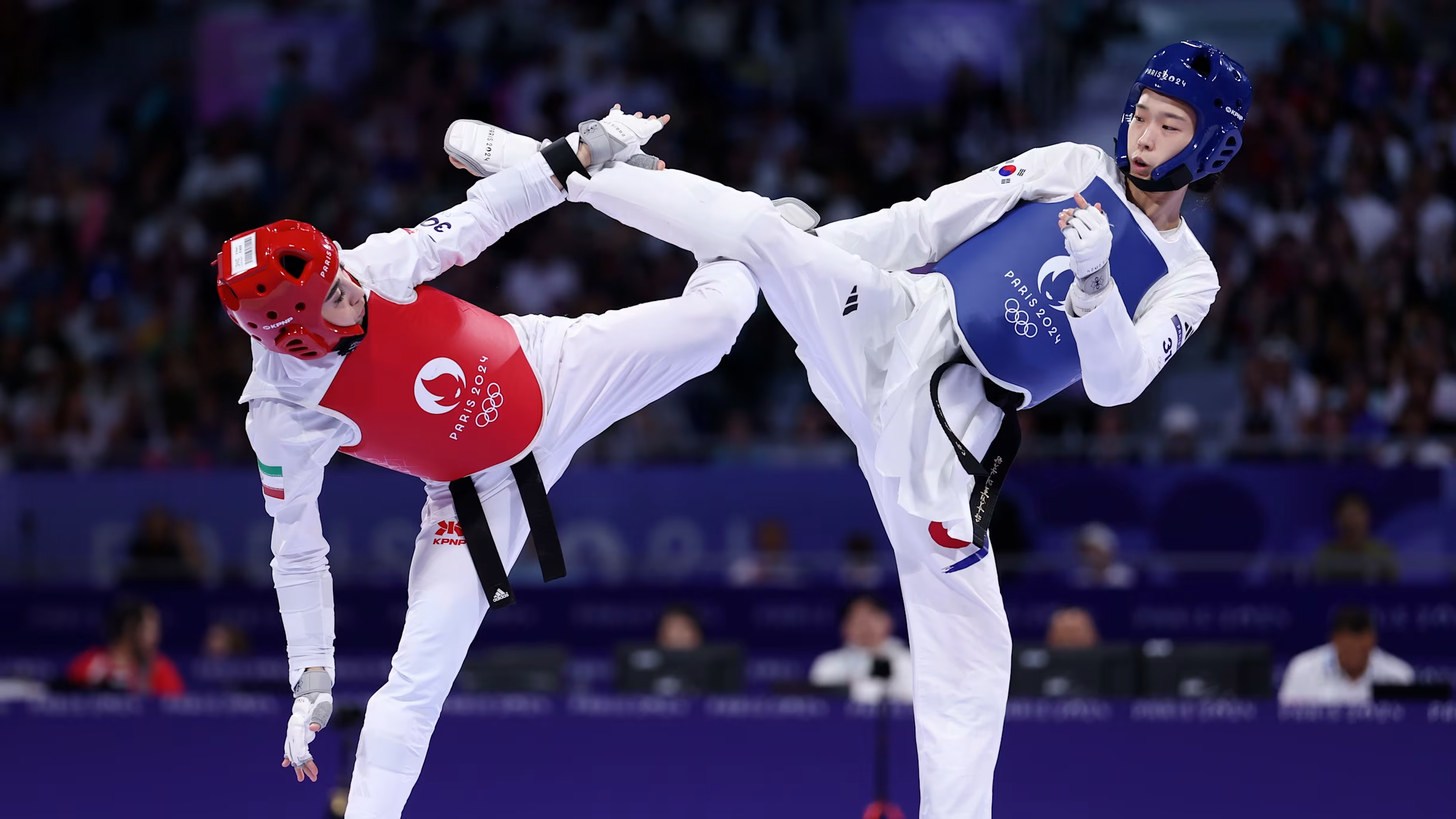
- Full-contact sparring (kyorugi)
- Uses electronic scoring system
Traditional Taekwondo
- Focus on self-defense and discipline
- Includes forms (poomsae), breaking, and meditation
Number of Players
- Taekwondo is usually played between two players in a match.
- In competitions, players compete one-on-one.
- Team events also exist in forms (poomsae).
Types of Events in Taekwondo
- Kyorugi (Sparring) – Fighting between two players
- Poomsae (Forms) – Pre-arranged movements
- Gyeokpa (Breaking) – Breaking boards or objects
- Hosinsul (Self-defense) – Practical defense techniques
Player Eligibility
To participate in Taekwondo:
- Must be physically fit
- Should be trained in a recognized academy (dojang)
- Must follow age and weight categories
- Needs proper belt rank for competitions
- Should follow rules and discipline
Dress Code (Uniform)
Taekwondo players wear a special uniform called a dobok.
Parts of the Uniform:
- White jacket and pants
- Belt (shows rank level)
Belt Levels:
- White (beginner)
- Yellow, Green, Blue, Red
- Black (advanced)
During matches, players also wear:
- Helmet
- Chest guard (hogu)
- Gloves and shin guards
Duration of the Game
- Each match has 3 rounds
- Each round lasts 2 minutes
- 1-minute break between rounds
- Extra round (Golden Point) if tied
Basic Rules of Taekwondo
- Only allowed areas can be attacked (chest and head)
- No hitting below the waist
- No pushing or grabbing
- Points are given for clean kicks and punches
Scoring System:
- Punch to chest: 1 point
- Kick to chest: 2 points
- Kick to head: 3 points
- Spinning kicks: extra points
Penalties (Gam-jeom) give points to the opponent.
Basic Techniques
Taekwondo is known for its fast, powerful, and dynamic techniques, especially its wide range of kicks along with basic hand movements. These techniques help players attack, defend, and move effectively during a match.
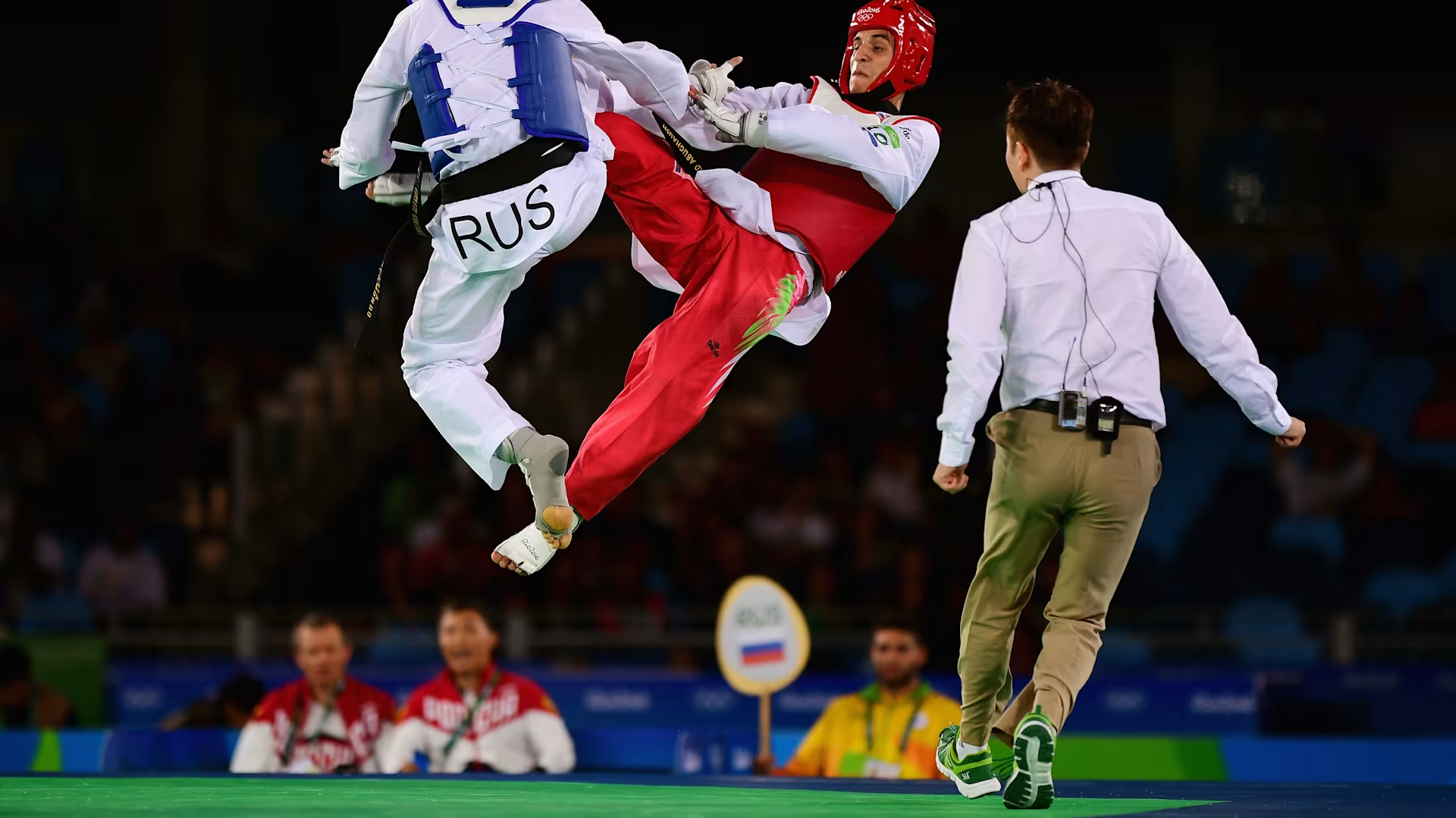
- Front Kick – A straight kick used to push or strike the opponent directly with speed and control.
- Roundhouse Kick – A circular kick aimed at the head or body, known for its strong impact.
- Side Kick – A powerful sideways kick used for both attacking and blocking the opponent.
- Spinning Kick – A rotating kick that increases speed and power, making it an advanced technique.
- Jumping Kick – A kick performed in the air to reach higher targets and surprise the opponent.
- Punches – Quick hand strikes mainly aimed at the chest area to score points.
- Blocks – Defensive moves used to stop or protect against incoming attacks.
- Footwork – Movement techniques that help maintain balance, speed, and proper positioning during a fight.
Benefits of Playing Taekwondo
Physical Fitness
- Improves strength, speed, and flexibility
- Builds stamina
Mental Strength
- Increases focus and concentration
- Reduces stress
Self-Defense Skills
- Teaches how to protect oneself
Discipline and Respect
- Encourages good behavior
- Builds confidence
Weight Management
- Helps in staying fit and healthy
Challenges in Taekwondo
Physical Injuries
- Risk of kicks and falls
- Requires proper safety gear
Hard Training
- Needs regular practice
- Can be tiring for beginners
Mental Pressure
- Competitions can be stressful
Time Commitment
- Requires dedication and patience
Training and Practice
Training includes:
- Warm-up exercises
- Stretching
- Learning kicks and punches
- Sparring practice
- Meditation and breathing
Students also learn discipline and respect for teachers.
Philosophy of Taekwondo
Taekwondo teaches five main values:
- Courtesy
- Integrity
- Perseverance
- Self-control
- Indomitable spirit
These values help students become better individuals.
Equipment and Facilities
- Training place is called a dojang
- Equipment includes mats, pads, and boards
- Safety gear is important for competitions
Successful Taekwondo Players
International Players
- Steven López – Olympic champion
- Hwang Kyung-seon – Multiple Olympic medals
- Jade Jones – Olympic gold medalist
Indian Players
- Surendra Bhandari
- Anurag Singh
India is slowly growing in this sport with increasing participation.
Major International Competitions
- Olympic Games
- World Taekwondo Championships
- Asian Games
- Commonwealth Games
- World Taekwondo Grand Prix
These events are organized by bodies like World Taekwondo.
India’s Role and Success in Taekwondo
India has shown steady growth in Taekwondo:
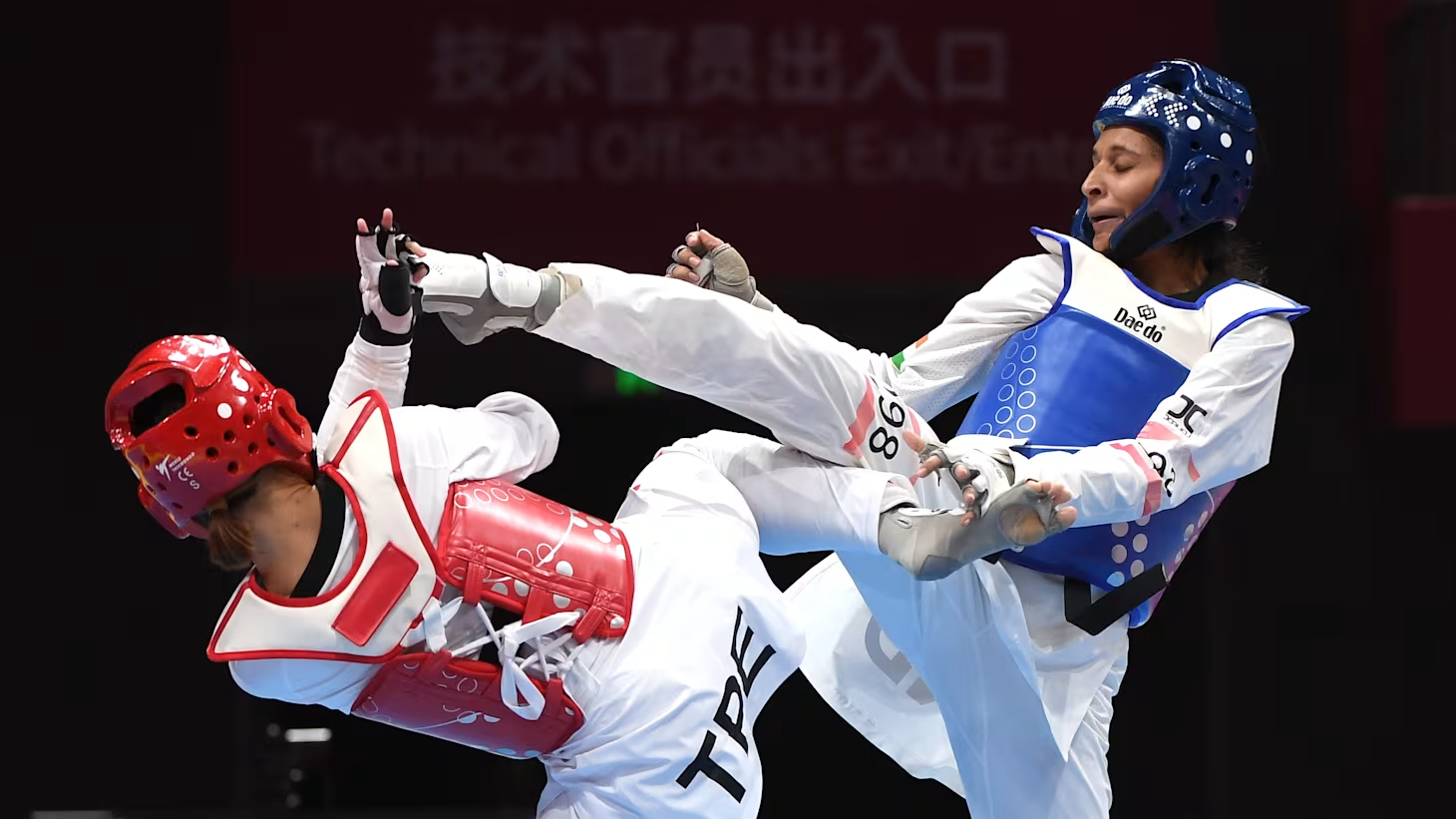
- Increasing number of academies
- Participation in Asian and world events
- Hosting national championships
- Young players winning medals in junior events
Though India has not yet won Olympic medals in Taekwondo, the future looks promising.
Future of Taekwondo
The future of Taekwondo looks bright:
Global Growth
- More countries are joining
- Increasing popularity among youth
Technology Use
- Electronic scoring systems
- Better judging accuracy
Olympic Importance
- Continues to be a major Olympic sport
India’s Growth
- More training centers
- Government support increasing
Conclusion
Taekwondo is more than just a sport. It is a complete system that builds physical strength, mental focus, and strong character. With its exciting techniques and global recognition, it has become one of the most popular martial arts in the world.
Whether you want to stay fit, learn self-defense, or compete at a high level, Taekwondo offers something for everyone. With growing interest worldwide and improving performance in countries like India, the future of Taekwondo is very promising.
FAQs About Taekwondo
- What is Taekwondo?
Taekwondo is a Korean martial art focused on kicks, punches, and discipline. - What does Taekwondo mean?
It means “the way of foot and hand.” - How many players are in a Taekwondo match?
There are two players competing against each other. - Is Taekwondo an Olympic sport?
Yes, it has been an Olympic sport since 2000. - What is a dobok?
It is the uniform worn by Taekwondo players. - What are the main techniques in Taekwondo?
Kicks, punches, blocks, and footwork. - Is Taekwondo good for fitness?
Yes, it improves strength, flexibility, and stamina. - What is the duration of a match?
Three rounds of 2 minutes each. - What is the highest belt in Taekwondo?
Black belt is the highest basic level. - Can beginners learn Taekwondo easily?
Yes, with regular practice and proper training.