

Culture Review 2019: Major Cultural Events and Achievements of India

Culture Review 2019 highlights a remarkable year for India’s cultural sector, reflecting the country’s deep-rooted traditions, vibrant heritage, and progressive initiatives undertaken by the Ministry of Culture. From celebrating iconic personalities to preserving ancient monuments and gaining international recognition, 2019 stood as a milestone year in promoting India’s rich cultural diversity on both national and global stages.
Thank you for reading this post, don't forget to subscribe!Introduction to Culture Review 2019
India is known for its diverse culture, traditions, languages, art forms, and historical heritage. The year 2019 witnessed several significant initiatives aimed at preserving and promoting this heritage. The Ministry of Culture played a crucial role in organizing events, conserving historical sites, and showcasing Indian culture globally.
The Culture Review 2019 includes major events, heritage recognitions, archaeological discoveries, legislative changes, and global cultural collaborations that strengthened India’s cultural identity.
Commemoration of 150th Birth Anniversary of Mahatma Gandhi
One of the most important highlights of Culture Review 2019 was the celebration of the 150th birth anniversary of Mahatma Gandhi, also known as the Father of the Nation.
A National Committee was formed to organize events at both national and international levels. The President of India chaired key meetings to ensure successful execution of programs. Various cultural activities, exhibitions, seminars, and global events were conducted to spread Gandhi’s ideals of peace, non-violence, and truth.
This celebration not only honored Gandhi’s legacy but also strengthened India’s image as a promoter of peace worldwide.
Sanskriti Kumbh: A Grand Cultural Showcase
The Sanskriti Kumbh was a major cultural event held during the Kumbh Mela in Prayagraj in January 2019. It lasted for 29 days and served as a grand platform to showcase India’s rich cultural diversity.
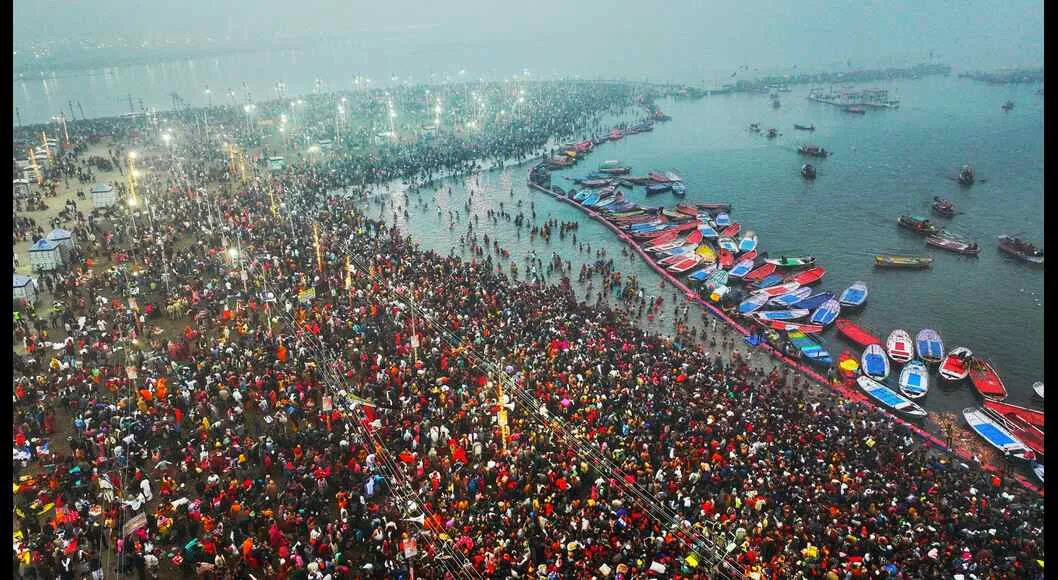
This mega event included:
- Folk, tribal, and classical dance performances
- Traditional music shows
- Handicraft exhibitions
- Regional cuisines from across India
- Cultural exhibitions representing different states
The event brought together artists from all over the country, making it a true celebration of unity in diversity.
Bharat Rang Mahotsav: India’s International Theatre Festival
The 20th edition of Bharat Rang Mahotsav (BRM) was organized by the National School of Drama. It is considered one of the largest theatre festivals in Asia.
The festival featured:
- Performances by Indian and international theatre groups
- Workshops and seminars
- Cultural exchange programs
This event provided a global platform for theatre artists and contributed to the growth of performing arts in India.
Jaipur Recognized as UNESCO World Heritage Site
In 2019, the historic city of Jaipur was included in the UNESCO World Heritage List during the 43rd session held in Baku, Azerbaijan.
With this inclusion, India’s total number of World Heritage Sites reached 38. These include:
- 30 Cultural Sites
- 7 Natural Sites
- 1 Mixed Site
This recognition enhanced India’s global cultural prestige and promoted tourism.
Major UNESCO World Heritage Sites of India
India is home to numerous heritage sites that reflect its glorious past. Some of the most famous cultural heritage sites include:
- Taj Mahal
- Khajuraho Group of Monuments
- Hampi
- Ajanta Caves
- Ellora Caves
- Sun Temple Konark
- Red Fort
- Qutub Minar
Natural Heritage Sites
- Kaziranga National Park
- Manas National Park
- Sundarbans National Park
- Great Himalayan National Park
Mixed Heritage Site
- Khangchendzonga National Park
Intangible Cultural Heritage of India
India’s intangible heritage includes traditions, performing arts, rituals, and knowledge systems recognized by UNESCO.
Some important elements include:
- Yoga
- Kumbh Mela
- Ramlila performances
- Chhau dance
- Sankirtana of Manipur
- Vedic chanting traditions
These traditions play a vital role in preserving India’s cultural identity across generations.
76th Anniversary of Azad Hind Government
The 76th anniversary of the Azad Hind Government was celebrated on 21st October 2019 at the Red Fort.
On this day in 1943, Subhas Chandra Bose announced the formation of the Provisional Government of Azad Hind in Singapore.
This government played a key role in mobilizing Indians abroad to support the freedom struggle through the Indian National Army (INA). The commemoration honored Bose’s contribution to India’s independence movement.
UNESCO Creative Cities Network: Mumbai and Hyderabad
In 2019, Mumbai and Hyderabad were included in UNESCO’s Creative Cities Network.
- Mumbai was recognized for its contribution to cinema
- Hyderabad was recognized for its rich culinary heritage
This recognition strengthened India’s global cultural presence.
Jallianwala Bagh National Memorial (Amendment) Act, 2019
The Parliament passed an amendment to the Jallianwala Bagh National Memorial Act to make the governing trust more neutral and apolitical.
Key changes included:
- Removal of the Indian National Congress President as a permanent member
- Inclusion of the Leader of Opposition in the Lok Sabha
This reform aimed to ensure transparency and neutrality in managing the memorial.
Declassification of Records Related to Subhas Chandra Bose
In a significant move, the government declassified records related to Subhas Chandra Bose and the Azad Hind Fauj.
These documents were placed in the National Archives of India, allowing researchers and the public to access important historical information.
Bose, popularly known as “Netaji,” was a prominent freedom fighter who played a crucial role in India’s independence movement and inspired millions with his leadership.
Important Archaeological Discoveries and Restoration Projects
Markandeshwar Temple, Maharashtra
The Archaeological Survey of India initiated restoration work on the Markandeshwar Temple, often referred to as the “Khajuraho of Vidarbha.”
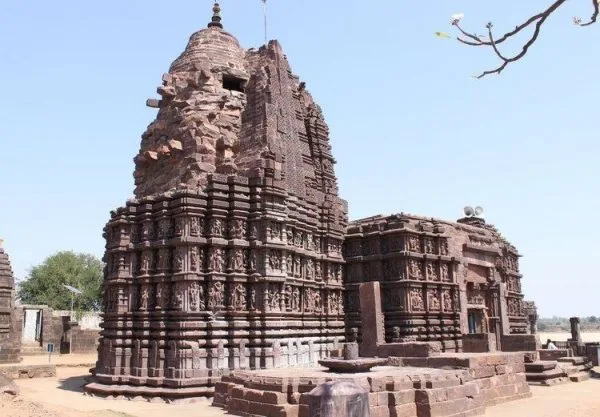
Located on the banks of the Wainganga River, this temple is known for its intricate carvings and architectural beauty.
Phupgaon Excavation
Excavations at Phupgaon in Maharashtra revealed evidence of an Iron Age settlement.
Key findings:
- Settlement dating from 7th century BCE to 4th century BCE
- Located near the Purna River
- Indications of ancient habitation and cultural practices
This discovery added valuable insights into early Indian civilization.
Gottiprolu Excavation, Andhra Pradesh
Excavations at Gottiprolu indicated that it was an important trade center during the Early Historic Period.
Major findings included:
- A life-size Vishnu sculpture
- Pottery from early centuries
- Evidence of maritime trade
Its coastal location suggests that it played a significant role in ancient trade networks.
Conclusion
The Culture Review 2019 reflects India’s commitment to preserving its heritage while embracing modern cultural development. From global recognitions like UNESCO listings to grassroots cultural events and archaeological discoveries, 2019 was a landmark year.
The initiatives undertaken during this period not only safeguarded India’s past but also ensured that future generations remain connected to their roots. Cultural diplomacy, heritage conservation, and artistic promotion together strengthened India’s position as a global cultural leader.
FAQs
1. What is Culture Review 2019?
Culture Review 2019 is a summary of major cultural events, initiatives, and achievements undertaken by India’s Ministry of Culture during the year 2019.
2. Why was Mahatma Gandhi’s 150th birth anniversary important?
It celebrated his contributions to peace, non-violence, and India’s independence, with events held globally.
3. Which city was added to UNESCO World Heritage List in 2019?
Jaipur was added as India’s 38th UNESCO World Heritage Site.
4. What is Sanskriti Kumbh?
It is a cultural festival showcasing India’s art, traditions, and heritage during the Kumbh Mela.
5. What was the significance of declassifying Netaji’s records?
It provided transparency and allowed researchers to study important historical documents.